The Japanese language is full of homonymous words, and Inseki is one of them with considerable search interest on the internet. Today we will examine the different meanings of Inseki.
The term 姻戚 (いんせき) can be translated as “relatives by marriage”. It refers to people who are related through marriage, such as spouses, in-laws, siblings-in-law, and others, without any blood relation.
It is a common term in Japanese to refer to relatives by marriage and can be used in formal or informal contexts. It can be used to refer to family relationships in general without specifying which relationship is being mentioned.
This word Inseki is formed by the kanji [姻] (いん), which means “marriage” or “union”, and [戚] (せき), which means “kinship” or “relatives”.
The word Insekikankei [姻戚関係] can be used to refer to the relationships between relatives by marriage.
「隕石」- Inseki can mean Meteorite
The term 隕石 (いんせき) can be translated as “meteorite”. It is composed of the ideograms [隕] (いん), which means “fall” or “disintegration”, and [石] (せき), which means “stone”.
Inseki refers to a celestial body that enters the Earth’s atmosphere and falls to the planet’s surface, a term both scientific and part of popular culture. Do not confuse it with the word meteor, which is [流星].
Meteorites are formed from fragments of asteroids or comets that disintegrate in space and are attracted by Earth’s gravity. They can be made of different materials, such as stone, metal, or mixtures of both.
「引責」- Inseki means Taking Responsibility
The term 引責 (いんせき) can be translated as “responsibility” or “blame”. It is formed by the kanjis [引] (いん), which means “pull” or “bring”, and [責] (せき), which means “blame” or “responsibility”. Together, the ideograms refer to the act of taking responsibility or blame for something.
Its use is frequent to refer to the act of taking responsibility or blame for some problem or failure. Another common related word is sekinin [責任], which means responsibility.
Japan is a traditional country, and many businesses have been in the family for many, many generations. Some establishments have been in operation for over 1000 years. In this article, we will talk about these traditional businesses that are called Shinise.
Shinise is a Japanese phenomenon that refers to companies that were founded many years ago, usually before World War II. They tend to be very old but are still operating, sometimes after several generations.
Throughout history, old companies have been recognized for their reliability in carrying out their traditional businesses, but we can also observe a trend that their management models tend to be conservative.
These old companies are usually from traditional sectors, such as beverage manufacturing, sweets, and Japanese biscuits. Others are restaurants, hotels, department stores, and other types of manufacturing.
Long-established businesses are very important for Japan, as they are a testament to the history and culture of the country. In addition to great symbolic value, these businesses represent the longevity, stability, and resilience of the Japanese people over the centuries.
During the Heisei recession, we saw rapid growth of businesses that met the needs of end consumers, such as niche markets. Such companies survived by offering superior quality services and products to the Japanese people.
According to data from 2007, there are more than 21,000 companies in Japan that are over 100 years old, and more than 3,000 that are over 200 years old. By 2017, this number rose to 33,069 companies.
It is common to find kimono shops founded since the Edo period, but many of them have transformed into large stores and are still in the market today.
The most well-known example of old shops that originated as kimono stores is the Mitsukoshi stores (founded in 1673). The oldest store in Japan is a construction company in Osaka, Kongo-gumi, founded in the year 578.
One of the requirements for a company to be called Shinise is to be in operation for more than 100 years. It is quite likely that over the centuries, some businesses with more than 100 years have closed their doors, but this is very difficult to calculate.
What does Shinise mean [老舗]
“Shinise” (老舗) is a Japanese word that means “old shop” or “traditional establishment.” A good way to translate it would be “A long-established shop.”
It can refer to a shop or company that has been in business for many generations, with a long history and tradition. The word can also refer to an establishment that maintains a traditional appearance and atmosphere.
Sometimes the term can encompass pioneering organizations in different businesses, even if it does not follow the same original branch, as in the case of Nintendo, which started by manufacturing Hanafuda cards and later moved into the video game industry.
There are several factors that can lead a business to last for generations. Some of these factors include:
High-quality products or services: maintaining high standards of quality in your products or services can help retain loyal customers and attract new ones.
Innovation: being able to adapt to changes in the market and trends can help keep the business competitive and relevant.
Strong leadership: strong and visionary leaders can help guide the business through challenges and opportunities.
Strong values: maintaining strong values and a solid corporate culture can help maintain unity and commitment within the company.
Financial planning: having good financial management, including saving for times of economic difficulty, can help keep the business stable.
Familiarity with tradition: maintaining old traditions and techniques while adapting them to the modern world can help preserve the company’s identity.
Family succession: passing the business from generation to generation is a common practice in Japan and can help maintain continuity and stability of the business.
History and tradition: Japan has a rich history and a strong tradition of craftsmanship and manual industries, passed down from generation to generation. Many of these old companies still dedicate themselves to these traditions and ancient techniques.
Cultural values: Japanese culture values stability, loyalty, and continuity, which can be seen as an advantage for companies that last for generations.
Government protection: the Japanese government has policies and programs to support and protect old businesses.
Religious beliefs: Japanese people believe that ancestors and ancestral spirits are important and should be respected. This may have contributed to the belief that old businesses are sacred and should be maintained.
1000-year-old companies
This list is of companies founded over 1000 years ago. These companies are commonly referred to as “1000-year companies” 「1000年企業」sennenkigyou.
According to a survey by Tokyo Shoko Research, there are currently 7 companies with a history of over 1000 years, plus two companies not listed in the survey, totaling 9 companies:
Kongo-gumi (金剛組), founded in 578, wooden building construction, Osaka.
Ikebukuro-Kado-kai, founded in 587, teaching tea ceremony and art.
Nishiyama Onsen Keiunkan, founded in 705, hospitality.
Furuya, founded in 717, hospitality.
Zenko-ro, founded in 718, hospitality.
Tanaka Issey, founded in 889, manufacturing religious utensils.
Nakamura Yakushi-ji, founded in 970, wooden building construction.
Sankan, founded in 1000, hospitality.
Ichimonjiya Kazufusa, founded in the year 1000, restaurant.
There must be some other establishments with a history of over 1000 years, including individual shops, in Japan and other countries.
However, it is important to note that some of these establishments with a history of over 1000 years may have changed ownership or significantly altered their business activities over the years; the list we just showed shows businesses that have remained in the family or niche for generations.
List of the longest-running businesses in Japan
There are hundreds of companies that date back to 1800-1900 and are still in operation today, but we want to list the oldest that date back before 1600.
Japanese Sweets Factories
1000 (一文字屋和輔) Ichimonjiya Wasuke
1184 (藤戸饅頭本舗) Fujido Manjū honpo
1327 (紅蓮屋心月庵) Gōrenya Shinku an
1329 (かん袋) Kan fukuro
1333 (黒田千年堂) Kurōda Sennen dō
1349 (塩瀬総本家) Kan se Sōhonke
1421 (亀屋陸奥) Kameya Matsu ō
1461 (駿河屋) Suruga ya
1477 (水田玉雲堂) Mizuta Tamakudō
1502 (平戸蔦屋) Hirado Tsuta ya
1503 (川端道喜) Kawabata Dōki
1520 (虎屋) Tora ya
1532 (本家小嶋) Honke Kojima
1550 (笹井屋) Sasai ya
1562 (太田屋半右衛門) Ōta ya Hannyemon
1565 (太閤餅) Taiko mochi
1575 (柳屋奉善) Yanagi ya Hōzen
1576 (玉英堂) Gyokuyingado
1584 (五太夫きくや) Gotaifu Kikuyaya
1585 (本家菊屋) Honke Kikuyaya
1587 (如水庵) Taira no An
1587 (長五郎餅本舗) Chogoro Mochi Honpo
1592 (大杉屋惣兵衛) Oosugi Ya Sohei
1592 (翁飴本舗 桔梗屋) Ogami Mochi Honpo Kikyo Ya
1596 (大寺餅河合堂) Daishi Mochi Kawai Do
1597 (桑名屋) Kuwana Ya
1599 (みなとや幽霊子育飴本舗) Minatoya Yuurei Ko Ichiyaki Honpo
Hotels and Ryokan
705 (西山温泉慶雲館 ) – Nishiyama Onsen Keiun-kan
717 (千年の湯 古まん) – Sennen no yu furuman
718 (善吾楼) – Zen’gōrō
1075 (雪国の宿 高半) – Yukiguni no yado Takahashi
1134 (夏油温泉) – Natsu-abura Onsen
1184 (ホテル佐勘) – Hotel Sankan
1191 (有馬温泉 奥の坊) – Arima Onsen Okuno-bō
1191 (陶泉 御所坊) – Tōzen Gosho-bō
1192 (よしのや依緑園) – Yoshinoya Iridō-en
1311 (のとや) – Noto-ya
1312 (東屋旅館 ) – Tōya Ryokan
1428 (佐久ホテル) – Saku Hotel
1428 (湯主一條) – Yunagi-no-yado
1502 (千明仁泉亭) – Sennō Jinsen-tei
1536 (和泉屋旅館 (栃木県)) – Izumi-ya Ryokan Tochigi-ken
1546 (湯元 不忘閣) – Yugen Fubō-kaku
1551 (板室温泉大黒屋) – Itamuro Onsen Daikokuyama-ya
1560 (時音の宿 湯主一條) – Toki-ne no yado Yunagi-no-yado
1561 (山県館) – Yama-ken-kan
1563 (四万たむら ) – Shimantamura
1576 (岸権旅館) – Kishi Ken Ryokan
1578 (ランプの宿) – Lamp no Yu
1591 (ホテル木暮) – Hotel Kimokaze
1596 (湯守 玉林房) – Yumori Tama Rinbo
1599 (爽神堂七山病院) – Soushindo Nanzan Byouin
1599 (草津温泉 望雲) – Kusatsu Onsen Moongaze
1600 (古久屋) – Furuya
Sake Production and Sales
1141 (須藤本家) – Sudō Honke
1487 (飛良泉本舗) – Hira-izumi Manpō
1505 (剣菱酒造) – Ken-shō-shuzō
1532 (山路酒造) – Yamaji Shuzō
1534 (冨田酒造) – Tomita Shuzō
1540(酒千蔵野) – Sake Sen-no-no
1548 (吉乃川) – Yoshinogawa
1550 (小西酒造) – Konishi Shuzō
1558 (上田酒造) – Ueda Shuzō
1592 (名門サカイ) – Meimon Sakai
1593 (小屋酒造) – Koya Sakezou
1596 (豊島屋本店) – Toshima Ya Honten
1597 (龍神酒造) – Ryujin Sakezou
1597 (小島醸造) – Kojima Jozou
1597 (小嶋総本店) – Kojima Sohonten
Pharmaceutical Industry
1319 (三光丸) – Sankō- maru
1368 (ういろう) – Uiro
1570 (伊勢くすり本舗) – Ise Kusuri- honpo
1579 (中屋彦十郎薬舗) – Nakaya Hikojuro Yakuhin
1597 (宇津救命丸) – Utsu Kyuumeiwan
1598 (和歌の浦井本薬房) – Waka no Urai Honyakufu
1600 (川又薬局) – Kawamatsu Yakkyoku
Others
578 (金剛組) – Kongō- gumi – Construction industry
771 (源田紙業) – Motoda Kami- gyō – Paper box manufacturing
885 (田中伊雅仏具店 ) – Tanaka Ima Hōgu- ten – Accessories for Buddhist altars
970 (中村社寺) – Nakamura- sha- ji – Construction industry
1024 (朱宮神仏具店) – Shukyō Hōgu- ten – Accessories for Buddhist altars
Looking for websites or social media apps for Otakus and fans of anime and games? In this article, we will recommend the largest communities for you to interact with people who share the same taste and passion for Japanese POP culture.
AminoApp
AminoApp is a social media platform created to allow users to share their interests in different communities. The platform includes a variety of themed communities, mainly for fans of anime and manga.
AminoApp is useful for Otakus because it allows them to connect with other anime fans and share content of that kind. Users can participate in discussions in forums, share fanarts and memes, and even create their own blogs on the platform.
AminoApp also offers a variety of additional features, such as quizzes, games, and even the possibility to participate in live events with other users. This can be fun and help Otakus connect with other fans of the genre in a deeper way.
MyAnimeList
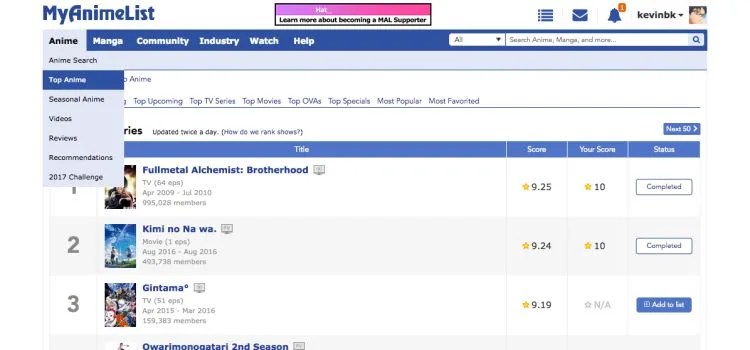
MyAnimeList (MAL) is a website that allows members to track, rate, and discuss anime and manga. It is very popular and offers a wide variety of resources for Otaku.
The site is frequently visited by those who want information about animes, releases, dates, authors, characters, one of the largest databases of animes.
Users can discuss in a very active forum, review their works, and add a list of animes and mangas they have already watched and share it with others on a personalized page.
REALITY: Become an Anime Avatar is an app that allows users to create their own V-tube style anime characters. The app offers a variety of customization options, including clothes, hair, eyes, and much more.
The app can be useful for Otakus because it allows them to share the characters they create with other users and chat in video chats and public rooms.
They can also use the app to create avatars to use on other platforms, such as social media or discussion forums. A perfect social network to connect with other fans and discuss Japanese works.
Japanese Social Networks
The best place to find anime fans and Otakus is on Japanese social networks. If you have knowledge of the Japanese language, you can try using some of the networks below:
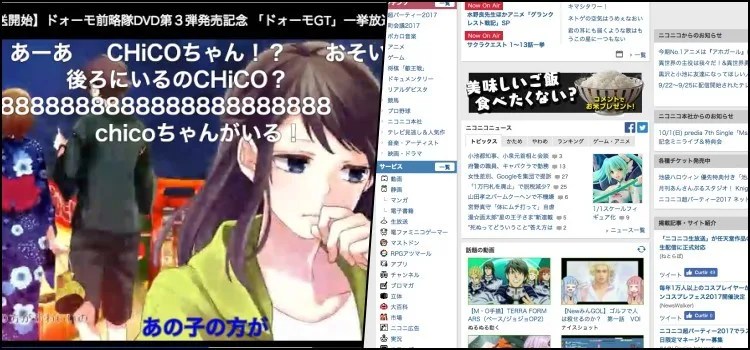
NicoNico Douga – Nico Nico Douga is a Japanese video platform that is popular among anime and manga fans. Users can share videos, including trailers, interviews, and much more. Something very interesting is the possibility of comments appearing on the video.
Pixiv – A social network for visual artists that includes a large amount of anime and manga content. Users can share their own creations and find works by other artists.
2channel – 2channel is a super popular Japanese forum among Otakus that includes many discussions, news, and opinions about anime and manga.
Other social networks for Otaku?
In app stores, you can find different social networks and anime communities:
Isekaied
Isekaied, an anime community where you can chat and socialize with anime enthusiasts and otakus with chat and much more. Keep a watchlist of your favorite ongoing anime!
Zervo – Anime Roleplay Chat
Zervo is a social chat app that values user customization, filled with various communities, with many avatars and characters and a virtual world as if it were an RPG.
Kitsu
Perfect app to track and follow animes, discuss episodes, and keep up with different categories. In some countries, it also offers anime streaming.
Otaku Party
A social networking site for relationships and friendships for Otaku, Cosplayers, and fans of games and animes. Arrange real-life meetups, follow anime events, and much more.
General Social Networks
In addition to social networks and communities focused on the Otaku audience, there are some other popular ones that are successful among anime fans.
Reddit: The subreddit r/anime is a place where anime fans can discuss everything related to the genre, share fanarts, memes, and much more.
Discord: Discord is a popular chat platform among anime and manga fans, where they can chat with other fans and participate in fan communities.
Twitter, Instagram, TikTok are the most famous and well-known to the general public, just search for profiles, pages, and communities related.
There are also dozens of unknown social networks with a strong Otaku community, just do some good browsing in your app store to discover the best anime social networks for Android and iOS.
Kiriko is a famous Japanese character from Overwatch, but her name also carries some interesting meanings. In this article, we will delve deep into the word kiriko and its homonyms.
Who is Kiriko in Overwatch?
Kiriko is a ninja who possesses healing abilities and is assisted by a kitsune spirit. She is capable of throwing protective suzus to shield her allies and kunais to attack her enemies. Kiriko is a friend of the Shimada family and trained with Genji and Hanzo in the past.
Her full name is Kiriko Kamori written with the ideograms [家守] Kamori and [霧子] Kiriko. Her family name Kamori means protector of the home, where [守] means to protect and [家] means home.
Kiriko is composed of [霧] which means “fog” or “mist,” and [子], which means “child” or “daughter.” Therefore, the overall meaning of [霧子] is “daughter of the fog” or “daughter of the mist.” Thus representing her power to disappear and teleport.
The Meaning of Kiriko in Japanese
As it is a word with many homonyms in Kanji, the character name Kiriko may have also been chosen to reflect the following words:
[切り粉] – Shavings or chips left after cutting wood, or metal with a saw, etc.
[切り子] – Facet; faceted object.
[切り込] – Verb meaning to cut deeply [切り込む].
Meaning of Kiriko’s Ult
What does the phrase that Kiriko says when using her special ult against enemies mean? Now let’s see the meaning of Kitsune no kagidzume o tokihanate!
狐の鉤爪を解き放て
Kitsune no kagidzume o tokihanate!
狐 – Fox
鉤爪 – Claws
鉤 – Hook
爪 – Claw
解き放て – Release; Liberate;
解 – Solve; unveil; understand; respond; explain
放て – Release; liberate.
The phrase can be literally translated as: Release the claws of the fox!
In this guide, we will talk about everything related to massage houses in Japan, but not just those you might be thinking of, but massage in general like Shiatsu and others.
Massage houses in Japan are not like those in the West. They are not front places where you go to have a “happy ending.” Instead, they are clean, professional, and relaxing.
If you are looking for that other type of massage… At the end of the article, we will touch on the subject a bit. It will be divided into topics.
The Japanese have a long history of massage, said to date back to the time of the samurai. Massage has always been an important part of Japanese culture, and it is still widely practiced today.
There are many types of massage in Japan, but the most popular is shiatsu. Shiatsu is a form of massage that uses pressure and strokes with the fingers on the body. It is said to be helpful for relieving stress and tension, and it is also considered good for circulation.
There are also other forms of massage, such as Swedish massage and Thai massage. These are not as popular as shiatsu, but they are still widely practiced.
The most popular type of massage salon in Japan is the “soapland.” Soaplands are places where you can get a massage and then take a bath. They are usually very clean, and the staff is very professional.
How to Find a Massage House in Japan?
Looking for a massage salon in Japan? You are not alone! Massage salons are a popular destination for both tourists and locals, offering a variety of services to help you relax and rejuvenate.
There are several ways to find a massage house in Japan. Here are some tips:
Search online – There are many websites and apps for finding massage services in Japan, such as Google Maps, Tabelog, and Rakuten. You can search for “massage house” in your area and find a list of options near you.
Ask for recommendations from friends or coworkers – If you know someone who has used massage services in Japan, ask them where they went and if they recommend the place.
Look in tourist guides or brochures – Often, there are tourist guides or brochures available in hotels or subway stations that list massage service options in the area.
Ask your hotel – If you are staying at a hotel, ask the receptionist if they know of any massage houses in the area. They may have recommendations or even be able to schedule an appointment for you.
Look for ads on the street – Often, you can find ads for massage houses on billboards or notice boards on the street. They usually have pictures of smiling women wearing white clothes, so they are easy to recognize.
Remember that it is important to do thorough research and read reviews before choosing a massage house in Japan. Some places may not be professional or reliable, so it is important to be careful when selecting a place.
Erotic Massage Houses in Japan
There are a few things to keep in mind when visiting these places. First, it is important to remember that these places are businesses. They are there to make money. As such, they may try to sell you services or products.
If you are going to frequent these houses in tourist areas like Kabukichou, be aware that something bad could happen, especially if you enter this place at the invitation of third parties offering “sex massage” on the street.
In some places, the massage ends if you reach climax. There are hundreds of unknown rules that can incur additional costs and fines.
Many of these places do not accept credit cards, so be careful and clear all your doubts beforehand. The price for a regular sexual massage costs around 10,000 yen.
The rules of etiquette and behavior in massage houses in Japan may differ from those found in the West. Some common rules in massage houses in Japan include:
It is common to remove shoes.
Smoking is prohibited in massage areas.
It is important to arrive on time for your massage session, as appointments are usually scheduled precisely. If you arrive late, you may miss part of your session.
Clients are expected to behave respectfully and appropriately while in the facilities. This includes things like not making excessive noise or touching other people without their consent.
Massage prices can vary widely, depending on the type of service you want and the establishment in question. It is a good idea to ask about prices and service options before committing to a massage session.
Some establishments may have specific rules about the use of cell phones or other electronic devices during massage sessions.
Many massage houses in Japan offer baths and saunas, but it is important to follow hygiene and nudity rules when using these areas.
It is common for massage house staff to ask clients to remove their clothes before the massage. However, it is important to remember that you have the right to refuse any type of touch or procedure that makes you uncomfortable. If you have any concerns or questions, do not hesitate to speak with the massage professional.
It is common to wear swimwear or a towel during the massage. Some establishments provide these clothes, while others expect you to bring your own.
How Much Does a Massage Cost in Japan?
The prices of massages in Japan can vary widely, depending on the type of service and the establishment. Some factors that can affect the price include the duration of the session, the type of massage, and whether there are additional services.
In general, you can find massage sessions starting at around 3,000 yen (about 28 dollars) for an hour of basic shiatsu massage at a common massage establishment in Japan.
Prices may be higher in hotels or luxury establishments, or if you opt for a more specialized type of massage. Massages can be easily found anywhere in Japan, so do not miss this experience.
If you have been studying Japanese for some time and often search for apps, websites, and foreign courses (most in English), then you have probably heard of Wanikani.
Wanikani is a Japanese study platform focused on learning kanji and vocabulary using SRS (Spaced Repetition System), which aims to improve memorization capacity during studies, mainly through mnemonics (phrases that use mental associations with pronunciations, little stories, images, or other similar words to remember the required information).
The site has a level scheme that simulates a video game. Initially, it is possible to use Wanikani for free up to level 3. After that, it is necessary to pay to proceed to the next levels. There are a total of 60 levels, and you can see your progress as lessons and reviews are completed.
In this article, we will see what this study platform is and whether it is worth paying for it to learn Japanese. We will also give suggestions for other tools.
According to the official website, Wanikani is a web application for learning the Japanese language with a simple goal: to teach you most of the 2,000 jōyō kanji (meanings and readings), as well as 6,000 vocabulary words within one to two years.
“By using spaced repetition and mnemonic techniques, interspersing them, we create one of the fastest and simplest systems for people who want to learn to read Japanese” (Transcript from the official website).
Wanikani is divided into three categories with 60 levels each and 6 sub-classifications. The three main divisions are: Radical (部首), Kanji (漢字), and Vocabulary (単語). Radical is represented by the color blue, kanji by the color pink, and vocabulary by the color purple.
Each of them has 6 sub-classifications: Pleasant (快): Levels 1 to 10, Painful (苦): Levels 11 to 20, Death (死): Levels 21 to 30, Hell (地獄): Levels 31 to 40, Paradise (天国): Levels 41 to 50, and Reality (現実): Levels 51 to 60.
In addition, there are also 6 levels of SRS (Spaced Repetition System), which show how much an item has been seen and learned. They are: Apprentice (Aprendiz), Guru, Master (Mestre), Enlightened (Iluminado), and Burned (Queimado). Upon reaching “Burned,” the card is “burned,” meaning you have gone through all the stages of SRS and have likely memorized the content of the card.
The program is divided into lessons and reviews, and there is a schedule with predictions for future reviews.
Wanikani is created by Jaered Koichi, founder of the blog Tofugu. Currently, Tofugu and Wanikani are very successful companies in the field of learning Japanese. Tofugu is a blog that addresses topics about Japanese culture and the Japanese language. The art style of the portal is similar to that of Wanikani, with traditional colorful drawings.
To use Wanikani, you can choose to use the platform for free up to level 3 or pay for a monthly, annual, or lifetime plan to unlock the rest.
One curiosity is that there is a kind of mascot within Wanikani, known as Crabigator, which is a mix of alligator and crab: alligator + crab. See below the illustration of it:
Crabigator: the official mascot of Wanikani.
My Opinion
I have been using Wanikani since 2021 and see that there are positive and negative points. Among the advantages, it is worth mentioning the possibility of learning the most important Kun’yomi and On’yomi readings of about 2,000 ideograms and over 6,000 words. The fact that the platform is always being updated, with frequent updates and improvements, is also something to praise. Another attractive aspect is the community. Many students provide user scripts that help improve various aspects of WK.
In terms of motivation, Wanikani is also extremely beneficial. Because it has a level system, the user always feels motivated to log into the platform daily to do their reviews. In addition to learning kanjis and vocabulary, it is also necessary to study the radicals (pieces/strokes that compose the kanji) within the WK lesson schedule. For those who do not know English, it is possible to create synonyms in Portuguese for each radical, kanji, or word (mainly through user scripts suggested in the community forum).
My Opinion
Other advantages:
Fun.
Spaced Repetition System.
Content-rich platform.
Color division: Kanji = Pink, Vocabulary = Purple, and Radical = Blue.
Attractive layout.
Extra study section (Extra Study).
Active community.
User scripts (Userscripts).
Context sentences (Context Sentences).
Disadvantages:
Difficulty for students who do not know English or are not familiar with using user scripts or browser tools.
Some mnemonics do not help much in understanding readings and meanings.
Prices for annual and lifetime plans are a bit expensive (charged in dollars).
Requires daily time and effort.
In short, if you want to learn the main readings and meanings of the 2,000 kanjis from the basic list, Wanikani will help you with that. But if your goals with the Japanese language go beyond that, I believe it is better to use WK only as complementary material, as it does not cover topics such as grammar, listening, pitch accent, or conversation in depth.
To learn grammar, listening, pronunciation, and conversation, it is advisable to acquire a complete course such as Japanese Club.
Below I suggest alternatives for those who cannot pay or do not want to use Wanikani. Most options are in English. Some platforms/apps are paid while others are completely free, such as Kanji Damage.
Futoko or Futoukou is a phenomenon that emerged in Japan in the early 2000s and refers to children and adolescents who frequently refuse to go to school or completely abandon it.
Students diagnosed with futoko often have learning difficulties, psychological problems, and may show signs of severe anxiety.
They often prefer to stay home alone or with friends in friendly environments, rather than dealing with the pressures of studies and the rigidity of schools.
There are several possible causes for the phenomenon, such as social pressures, bullying, or student burnout, but there are also many uncertainties about the subject.
In any case, the Japanese government has focused especially on preventing futoko and has taken measures to improve conditions in Japanese schools.
Although we write “futoko” due to Western romanization, it is worth mentioning that the correct term is “futoukou” [ふとうこう]. The ideograms that compose the word are [不登校] and mean school absence or out of school.
The term is written with the two ideograms [不] (Fu) which means “not” and [登] (To) which means “to ascend.” The last ideogram [校] refers to school.
In addition to its literal meaning, the term can also be used to describe a person who is not socially active or involved in society. A person who rarely leaves home, or someone who avoids social interaction.
The ideogram for [不] is composed of a hand, and the ideogram [登] is composed of a person and a ladder. This implies that not going to school involves actively avoiding an opportunity for self-improvement, suggesting that the student is voluntarily missing the chance to learn and acquire knowledge.
The difference between Fushugaku and Futoko is that generally the word Fushuugaku is used for children who have never enrolled in school, while Futoko refers to people who registered but do not attend.
Generally, students considered Fushugaku are mostly foreigners who have not adapted to the Japanese language or due to other personal and family reasons.
Since there is no obligation for foreign children to attend schools, the term Fushuugaku fits with foreigners, especially parents who want their child to learn their native language.
What are the Causes of Futoukou?
There are a variety of reasons why children do not want to attend school. Often the causes are complex, some of them are:
Bullying: one of the main causes of Futoko is bullying, or physical and psychological abuse by classmates. This can lead children to feel insecure and unmotivated to attend school.
Learning difficulties: children with learning difficulties, such as dyslexia or concentration issues, may feel discouraged and unable to keep up with the pace of the classroom, and end up avoiding classes.
Mental health problems: mental health issues, such as anxiety and depression, end up affecting a child’s ability to cope with school pressure.
Family problems: some children may be facing problems at home, such as parental separation or financial issues, while others have absent parents and may even live alone.
Demotivation and lack of interest: the traditional teaching methodology can be somewhat archaic, boring, and tiring for some children, leaving them demotivated and uninterested.
In addition, some children may be facing several of these problems at the same time; each child has a unique situation and reality, so the list of causes can be much larger.
More and more children in Japan are leaving schools
An example of this is the story of Yuta Ito, a ten-year-old boy, who waited until a week of vacation to tell his parents that he no longer wanted to go to school.
He had been a victim of bullying and suffering in silence for months. Yuta’s parents had three options: send him for school counseling, teach him at home, or transfer him to an alternative school.
They chose the last option, and Yuta went to a government-recognized school that prioritizes the freedom and individuality of children. The trend has been an increasing enrollment in this type of alternative school, while the number of bullying cases in conventional schools continues to rise.
On October 17, 2019, the Japanese government announced that the number of absences among elementary and middle school students reached a record, with 164,528 children absent for 30 days or more during 2018, compared to 144,031 in 2017.
Children who suffer from futoukou, or refusal to attend school, have some alternative options. Some of the options include:
School counseling: children can attend school counseling sessions to deal with issues such as bullying, learning difficulties, or mental health problems that may be preventing them from attending school.
Home schooling: some families choose to teach their children at home, either through distance learning programs or through private tutors.
Alternative schools: as mentioned, there are government-recognized alternative schools that prioritize the freedom and individuality of children; these are less conventional schools and can be a good option for children who do not adapt to the traditional school environment.
Psychological and psychiatric care: children suffering from mental health issues, such as anxiety and depression, may need specialized treatment to deal with these problems and return to school.
Remote learning: Some VR programs are being used for remote classes, where children can participate in a virtual classroom, with their peers and teachers present, and still have the interaction and help of a tutor during classes.
It is important to note that each child has their own unique situation and it may be necessary to explore various options before finding a suitable solution for them; the guidance of a specialist in the field is essential.
In summary, Futoko is a growing phenomenon in Japan, where children are refusing to attend school, causing concern for families and educators.
The causes of Futoko can be varied and complex, including bullying, learning difficulties, mental health problems, family issues, and demotivation.
The alternatives available for children suffering from Futoko include school counseling, home schooling, alternative schools, and psychological and psychiatric care.
Additionally, VR technology has been experimented with in some schools as a way to make learning more immersive and engaging.
However, it is important that each case is evaluated individually to find the best solution for each child. Prompt attention and intervention are essential for children to return to studying and developing in a healthy way.
Although it is mainly focused on teenage stories, it is a genre that has been gaining more and more space in the mainstream audience
Like other media, animes have a series of subgenres suitable for all ages and genders. One of them is shoujo, which, although aimed at a younger female audience, is quite successful in other niches.
The term shoujo, in Japanese, means “little girl.” There are indications that this genre began to appear in the 1950s, with publications of manga aimed at the teenage audience.
With the rise of animes, the genre gained more and more strength and reached new audiences. However, with the arrival of the internet and streaming services, it becomes difficult to choose just one to start following.
Because of this, we have separated here the best shoujo animes so that you can dive into this genre with everything.
Sailor Moon (1992-1997)
Available: Netflix
Episodes: 5 seasons | 200 episodes
Did you really think we wouldn’t talk about this classic of animes? In Sailor Moon, we follow Usagi Tsukino, a romantic girl who accidentally discovers she is the reincarnation of a warrior who fights for love and justice.
This anime is a classic of the genre and was quite successful in the 90s, especially here in Brazil. It is ideal for those who want to start delving into the world of animes, or even for those who watched it and want to revisit.
Itazura na Kiss (2008)
Available: Crunchyroll
Episodes: 1 season | 25 episodes
The high school girl Kotoko opens her heart to a senior named Naoki, but this ends in a tremendous rejection. From there, the comedy unfolds until the point where the young girl’s house is destroyed by an earthquake.
While the house is being rebuilt, Kotoko and her father will stay for a while at a childhood friend’s house. Upon arriving there, they encounter this man, and also his intelligent son, who intends to go to medical school. He is none other than Naoki himself.
Ouran High School Host Club (2006)
Available: Netflix
Episodes: 1 season | 26 episodes
In this comedy, we follow Haruhi, a poor girl who receives a scholarship to a prestigious school. Thanks to her different appearance, she ends up being mistaken for a boy by the members of the Host Club, in a supposedly empty music room.
But her problems really begin when she accidentally breaks a vase and cannot afford to pay for it. As a result, the club members make her work for them until graduation.
Uta no Prince-Sama (2011-2016)
Available: Crunchyroll
Episodes: 4 seasons | 53 episodes
In this anime, we follow the young composer Nanami Haruka and her routine at a school that trains young pop idols. She is then placed with a group of 6 boys, but to complicate her situation, the institution has a very strict rule: students cannot date.
The anime plays a lot with the romanticized concept of dating young pop icons from Korean and Japanese groups, which ends up adding a new layer to the work.
My Little Monster | Tonari No Kaibutsu-Kun (2012)
Available: Crunchyroll
Episodes: 1 season | 13 episodes
When the apathetic Mizutani Shizuku is sent to deliver some booklets to Yoshida Haru, who has not been going to school due to a fight on the first day, the two end up getting very close to each other.
As the episodes go by and we get to know the two, a beautiful story of friendship (and why not love?) blossoms between them, addressing themes such as difficulty in relating to others and even to oneself.
Sakura Card Captors (1998-2000)
Available: Anime sites
Episodes: 3 seasons | 70 episodes
Another classic of shoujo animes, we follow the story of Sakura, a 10-year-old girl who, after opening a mysterious book, spreads 52 magical cards throughout her city. With that, she needs to transform into a young warrior hunter and capture the cards again before they cause more destruction.
The anime has gained several continuations and other derivative works over the years. However, the original is still worth watching not only for those who like the genre but also for those who enjoy more classic animations.
Fruits Basket (2001)
Available: Crunchyroll
Episodes: 1 season | 26 episodes
After her mother dies, Tooru goes to live with her grandfather, but since his house needs renovations, she ends up living alone in a tent. Nearby, a classmate and his cousin live.
As time goes by, she discovers a curse of the boy’s family: when they hug someone of the opposite sex, they turn into an animal of the Chinese zodiac.
Kimi ni Todoke: From Me to You (2009-2010)
Available: Netflix
Episodes: 2 seasons | 38 episodes
Here we follow 15-year-old Sawako Kuronuma, who has a nickname given by her classmates of Sadako (the character we know here in Brazil as Samara, from the horror movies ‘The Ring’).
Although she is sweet and kind, everyone is afraid of her. Until the popular boy Kazehaya starts talking to her, and then everything changes. For the better.
My Love Story!! (2015)
Available: Crunchyroll
Episodes: 1 season | 24 episodes
This is a shoujo quite different from the usual. Instead of focusing on a girl’s emotions, it is a boy who is the main focus of the story. In it, we meet the tall and muscular Takeo and his gentle and handsome friend Makoto.
Due to his enormous size, Takeo ends up intimidating all the girls, who prefer to be with his friend. So he ends up falling in love with Rinko, but, in his inferiority complex, he thinks she is in love with Makoto and does everything to bring the two together.
Jibaku Shounen Hanako-kun (2020)
Available: Anime sites
Episodes: 1 season | 12 episodes
Based on a school urban legend, it centers on the story of a girl who haunts the school bathrooms but can also grant any wish that the person asks for.
With that, we see Nene, who conjures the spirit, but to her surprise, it turns out to be a boy. With that, she becomes the ghost’s assistant and ends up getting to know new aspects of the entity’s personality, getting closer to him.
Don’t know how to say soccer in Japanese? Want to learn how to say basketball, baseball, volleyball, and other sports-related words in the Japanese language? In this article, we will see everything about sports in Japanese.
Our list of sports in Japanese is quite extensive, so we recommend using CTRL + F to find the name of the sport you want. It is worth remembering that some sports have more than one way to refer to them in Japanese, one imported from another language and the traditional way with ideograms.
アーチェリー (ācherī) – archery
アーチェリー (ācherī) – Archery
アイスホッケー (aisuhokkē) – ice hockey
アメフト (amefuto) – American football
アメリカンフットボール (amerikanfuttobōru) – American football
In addition to the names of sports, we will share a list of vocabulary and terms that relate to the vast majority of sports:
選手 (senshu) – player
チーム (chīmu) – team
試合 (shiai) – game/match
勝つ (katsu) – win
負ける (makeru) – lose
スコア (sukōa) – score
引き分け (hikiwake) – draw
ホームラン (hōmuran) – home run
スリーベース (surībēsu) – triple
グランドスラム (gurandosuramu) – grand slam
セーブ (sēbu) – save
ゴール (gōru) – goal
アシスト (ashisuto) – assist
パス (pasu) – pass
シュート (shūto) – shot
セット (setto) – set
マッチ (matchi) – match
スイング (suingu) – swing
スイミング (suimingu) – swimming
トレーニング (torēningu) – training
試験 (shiken) – test/exam
練習 (renshuu) – practice
練習試合 (renshuu shiai) – practice match
スタート (sutāto) – start
Martial Arts in Japanese
Martial arts are also very popular sports in Japan, so we have separated them here. We also recommend reading our specific articles on martial arts below:
Looking for cute and affectionate nicknames in Mandarin Chinese? Want to know how and when to use a nickname in China? In this article, we will look at some Chinese nicknames.
It is worth mentioning that there are many variations and dialects of the Chinese language, including different cultures, so this article generally applies to more internationalized regions.
Nickname or alias in Chinese is [昵称] (nǐ chēng). This word is formed by the characters “昵” (nǐ) which means “intimate” and “称” (chēng) which means “to call” or “to name”.
Together, these characters form the word [昵称], which refers to a name or title given to a person in an intimate, informative, or funny way, often used in casual settings or among friends.
There are other similar words and synonyms in Chinese that are:
绰号 (chuò hào) which means “alias” or “surname”, often used to refer to nicknames based on family names.
别名 (bié míng) which means “alternative name” or “nickname”, usually used to refer to something or someone that has a different name to differentiate from the original name.
绰号 (chūo hào) which means “nickname” or “surname”, this is also a way to refer to a nickname based on family names, but some language scholars consider it less formal than 绰号 (chuò hào).
小名 (xiǎo míng) or 乳名 (rǔ míng) which means nickname for a child, usually cute and related to fruits, snacks, and drinks.
What are nicknames like in China?
In China, it is common for people to use nicknames or “aliases” instead of their real names. These nicknames can be based on physical aspects, personalities, skills, or funny stories.
Most nicknames in China are made up of two or more words, and each character has a meaning; to understand the full meaning of the nickname, it is necessary to understand the context.
It is worth mentioning that Chinese nicknames can have regional variations, so usually only those who are close to the person really understand the meaning or reason for the nickname used.
Some examples of common nicknames in China include “Xiao Ming” (little Ming), “Da Wang” (big king), and “Lao Liu” (old Liu). Some nicknames are based on physical appearance, such as “Da Mei” (beautiful) or “Da Shou” (big hands), while others are based on personality or skills, such as “Da Gao” (tall) or “Da Kong” (smart).
Some may also be based on past experiences or events, such as “Da Tong” (expert) or “Da Pi” (expensive). It is important to remember that nicknames in China are generally given by friends or family, and not by oneself.
How are Chinese nicknames chosen?
Generally, popular nicknames in China start with the ideogram “小” (xiǎo) which means small. Another popular way to create nicknames in Chinese uses repeated characters (called “叠词” (dié cí)).
Some people also use nicknames that end with “儿” (ér) or that start with “阿” (ā). Another way of creation is to derive the nickname from the second name.
Other ways to create nicknames in Chinese are:
Using homophonic ideograms (音韵词, yīn yùn cí) to create funny or ironic nicknames;
Using popular expressions (成语, chéng yǔ) as a basis for funny or appropriate nicknames;
Using historical or literary characters as inspiration for nicknames;
Using ideograms based on luck or good fortune, such as “福” (fú), “寿” (shòu), and “吉” (jí);
Using ideograms based on elements of nature, such as “阳” (yáng), “阴” (yīn), or “月” (yuè);
Using ideograms based on animals, such as “龙” (lóng) or “凤” (fèng);
Using ideograms based on plants, such as “桂” (guì) or “梅” (méi);
Using hobbies and things related to the person;
There are other popular forms of address in Chinese. Elders, for example, may call each other [“老” (lǎo) + first name] if they are good friends. The ideogram [老] means old.
Difference between Chinese, Japanese, and Korean Nicknames
Chinese, Japanese, and Korean nicknames are similar in some aspects, but there are some important differences to highlight in this article.
Chinese nicknames are commonly based on physical aspects, personalities, or skills. They are often given by friends or family and can be composed of simple characters or whole phrases.
Japanese nicknames can also be based on physical aspects, personalities, or skills, but they often involve more puns with names, use of suffixes, and variations in the readings of ideograms. They are generally used informally by friends.
Korean nicknames are less common than Chinese and Japanese nicknames. The Korean language is not as flexible, so nicknames usually attach some object to the person’s name.
We recommend checking out other articles about nicknames below:
List of Affectionate Nicknames in Mandarin Chinese
Here are some examples of affectionate Chinese nicknames:
宝贝 (bǎo bèi) – darling, treasure
亲爱的 (qīn ài de) – dear
小可爱 (xiǎo kě ài) – little cutie
小宝贝 (xiǎo bǎo bèi) – little treasure
小甜心 (xiǎo tián xīn) – little sweet heart
小萌萌 (xiǎo méng méng) – little adorable
甜心 (tián xīn) – sweet heart
宝宝 (bǎo bao) – baby
小猪 (xiǎo zhū) – little pig
小兔 (xiǎo tù) – little rabbit
小鸭 (xiǎo yā) – little duck
小美人 (xiǎo měi rén) – little beauty
小甜美 (xiǎo tián měi) – little and sweet
小猫咪 (xiǎo māo mī) – little cat
小熊猫 (xiǎo xióng māo) – little panda
小鹿 (xiǎo lù) – little deer
小鸟 (xiǎo niǎo) – little bird
小喵 (xiǎo miāo) – little meow
小丸子 (xiǎo wán zi) – little ball
小可爱 (xiǎo kě ài) – little cutie
小虎 (xiǎo hǔ) – little tiger
These are just a few examples, and it is important to remember that the choice of nickname will depend on the relationship and context in which it is used, which can vary from affection to teasing.
Do you know Yayoi Kusama, the artist who has collaborated with Louis Vuitton twice? In this article, we will look at the famous artist obsessed with patterns and infinity, who has suffered from schizophrenia and other mental illnesses her entire life.
The coolest thing is that this artist has been active for over a century! Check out the incredible works, literature, and collaborations in museums around the world by Yayoi Kusama.
Yayoi Kusama [草間彌生] is a Japanese artist known for her extensive work, which includes not only painting but also sculpture, installation, literature, and performance.
Yayoi Kusama is known for her repetitive use of patterns, such as polka dots, and for a minimalist approach. She is also known for her immersive installations, such as the “Infinity Mirrored Room” and “The Souls of Millions of Light Years Away.”
Kusama was born in Japan in Matsumoto in 1922 and began her artistic career in the late 1940s. She moved to the United States in 1957, where she established herself as an artist and began to develop her unique style, returning to Japan in 1993.
Kusama is one of the most influential artists of her generation and has received numerous awards and honors throughout her career. Her work has been exhibited in museums and art galleries around the world, including the Whitney Museum and the Museum of Modern Art in New York.
Mental Disorders of Yayoi Kusama
Yayoi Kusama has struggled with mental health issues throughout her life. She was diagnosed with schizophrenia and has reported visual and auditory hallucinations since childhood.
She has also reported obsessive-compulsive disorders and post-traumatic stress disorder due to sexual abuse suffered in childhood.
Kusama has spent several periods of her life in psychiatric institutions, including a long stay in a psychiatric hospital in Japan in the 1970s.
She credits her art as a way to cope with her conditions and as a means to express her anguish and hallucinations.
It is important to note that Kusama’s art is a reflection of her condition, and not a consequence of it. She has used her art as a means of expression and as a way to cope with her conditions and hallucinations.
Her art has been very successful, and she is considered a world-renowned artist, having collaborated with Louis Vuitton twice.
Chronology of Yayoi Kusama
Below we have a chronology of the life of Yayoi Kusama:
1957: traveled to New York
1973: returned to Japan due to health issues
1996: won the best gallery award for two consecutive years from the International Association of Art Critics
2000: won the Minister of Education Arts Award and the Minister of Foreign Affairs Award
2001: won the Asahi Prize
2002: was awarded the Order of Cultural Merit
2003: participated in the Lyon Biennial and won the Order of Arts and Letters of France and the Nagano Governor’s Prize
2004: held a major traveling exhibition in Japan
2005: the complete collection of Kusama’s prints from 1974 to 2004 was released
2006: received the Cultural Merit Award, the Prince Takamado Cultural Achievement Award, and the World Culture Award
2009: was selected as a contributor to culture
2014: won the Ango Prize
2016: was awarded the Order of Cultural Merit and became the fourth woman to receive the award
2017: the Yayoi Kusama Museum was inaugurated, and she was honored as an honorary citizen.
Below we have a chronology of Yayoi Kusama’s major works and exhibitions:
Exhibitions of Yayoi Kusama
“Yayoi Kusama: Exploding in the Universe,” Yayoi Kusama Museum/Niigata Art Museum, 1992
“Yayoi Kusama: New York / Tokyo,” Tokyo Contemporary Art Museum, 1999
“Kusama Matrix,” Moriyama Art Museum, 2004
Venice Biennale, 2007
Victoria Miro Gallery, 2007
Liverpool Biennial, 2008
Gagosian Gallery, 2009
“Yayoi Kusama’s Body Festival in the 60s,” Watari Museum, 2011
Traveling exhibition “YAYOI KUSAMA”
Madrid, Sofia Art Center, May 11 to September 12, 2011
Paris, Centre Pompidou, October 10, 2011 to January 9, 2012
London, Tate Modern, February 9 to June 5, 2012
New York, Whitney Museum, July 12 to September 30, 2012
“Yayoi Kusama: Body Festival in the 60s,” Watari Museum, August 6 to November 27, 2011
“Yayoi Kusama: Eternal Eternal Eternity” (only some exhibitions)
National Museum of International Art, January 7 to April 8, 2012
Matsumoto Art Museum, July 14 to November 4, 2012
Kochi Art Museum, November 2 to January 13, 2014
“Yayoi Kusama: My Eternal Soul,” National Museum of Contemporary Art, February 22 to May 22, 2017
“Yayoi Kusama: ALL ABOUT MY LOVE – Everything About My Love,” Matsumoto Art Museum, March 3 to July 22, 2018.
Main Works of Yayoi Kusama:
Flat Work:
“Infinity Net” Series (1959- )
“My Eternal Soul” Series (2009- )
Three-Dimensional Work:
Installations:
“Obsession of Dots” Series (1963- )
“Display of 1000 Boats” (1963)
“Journey of Life” (1964)
“Among the Infinite Mirrors” Series (1965- )
“Infinity Mirror Room – Butterfly in Water” (2000) at the Nancy Art Museum
Public Art:
“Pumpkin” (1994) at the Benesse Art Site, Naoshima
“Flowers of Shangri-La” (2000) at the Kirishima Art Forest
“Tsubaki-Aruesu” (2003) at the Echigo-Tsumari Art Triennale (installed at the Matsudai Noh Stage)
“Red Pumpkin” (2006) at Miyaura Port
“Eyes Are Singing Out” (2012) on George Street, Bristol
Yayoi Kusama mural at Lisbon Metro, Oriente
Music:
“Song of a Suicide Addict in Manhattan”
First Collaboration with Louis Vuitton
In 2012, Yayoi Kusama collaborated for the first time with Louis Vuitton to create a fashion and accessories collection.
The collection was designed by Kusama and included items such as bags, shoes, clothing, and accessories, all featuring her iconic polka dot patterns.
The collection was launched at a series of global events and made available for purchase at Louis Vuitton stores worldwide.
The collection was very well received by critics and the public, quickly becoming one of the most popular collections from Louis Vuitton.
The collaboration also brought attention to Kusama’s work and helped increase her popularity among the global audience.
Louis Vuitton and Yayoi Kusama was one of the first collaborations between contemporary artists and luxury brands, which ended up creating a trend in the following years.
The collaboration was so successful that Louis Vuitton and Kusama collaborated again in 2019, with a fashion and accessories collection, and with an exhibition showcasing her famous infinity mirror installations.
Yayoi Kusama and Louis Vuitton in 2023
The year 2023 began shaking the world with the new collaboration of Yayoi Kusama and the luxury brand Louis Vuitton in a new collection that showcased her art globally.
In addition to fully decorated stores in Kusama’s style, we also had billboards around the globe, some artistic installations, and various presentations of the brand collaboration, not to mention the new luxury items that are flooding social media with videos.
Infinity Mirrors
Yayoi Kusama: Infinity Mirrors” is a traveling exhibition organized by the Hirshhorn Museum, Smithsonian Institution, Washington D.C. and exhibited in various art museums around the world.
The exhibition was a retrospective of Yayoi Kusama’s career and included a variety of her works, including paintings, sculptures, installations, and video works.
Six of her famous infinity mirror installations allowed visitors to immerse themselves in worlds created by Kusama and experience her unique approach to optical illusion.
Infinity Mirrors was a critical and public success, attracting thousands of visitors from around the world. The exhibition was also accompanied by a book and a documentary about the artist.
The exhibition was very successful and helped further increase Kusama’s popularity and her work.
Infinity Mirrored Room
The Infinity Mirrored Rooms consist of small, typically medium-sized rooms with walls and ceilings covered in mirrors, illuminated by flashing colored lights.
Visitors are invited to enter the room and stand in the middle of the installation, creating a sense of infinity and optical illusion.
Kusama began creating these installations in the 1960s and continues to create new versions to this day. They are considered one of her most iconic works and have been exhibited in museums and art galleries around the world.
They are known for their immersive quality, creating a unique and unforgettable experience for visitors, while also serving as a form of expression for the artist, who uses these installations to express her anguish and hallucinations.
The Souls of Millions of Light Years Away
“The Souls of Millions of Light Years Away” is one of the installations created by Japanese artist Yayoi Kusama. Similar ones can be found around the world.
This installation consists of a large number of hanging lamps, each containing a colored glass sphere, creating an illusion of stars shining in the sky.
The installation was created to suggest the idea of infinity and the vastness of the universe. The installation is designed to be viewed from various angles, and as visitors move around the space, the lamps appear to move and change color.
The installation is also accompanied by a soft ambient sound, which contributes to the feeling of immersion.
Many wish to get a tattoo in Japanese or Chinese, but have no idea which ideogram to use or what their meanings are. For this, we made a list of the main ideograms used in tattoos for you to get inspired.
It is important to remember that tattoos in Japanese can have a deep and culturally significant meaning, so it is important to do thorough research before choosing a word or symbol to tattoo. Additionally, it is important to find a reliable and experienced tattoo artist to ensure that the tattoo is correct and well done.
Here we share a list of Japanese words with their meanings and their ideograms to be tattooed. You should search with CTRL + F to find what you want.
We also recommend placing the ideogram in an image editing app and setting it to the desired font and size, so you can present the photo to the tattoo artist, since we share text and not images in this article.
The list below may include, in addition to ideograms, some Japanese words written in katakana and hiragana.
家族 (kazoku) – Family
友情 (yuujou) – Friendship
力 (chikara) – Strength
平和 (heiwa) – Peace
調和 (chouwa) – Harmony
自由 (jiyuu) – Freedom
幸福 (koufuku) – Happiness
勇気 (yuuki) – Courage
正直 (shoujiki) – Honesty
忠誠 (chuusei) – Loyalty
希望 (kibou) – Hope
喜び (yorokobi) – Joy
愛 (ai) – Love
幸運 (kouun) – Luck
尊敬 (sonkei) – Respect
知恵 (chie) – Wisdom
真実 (shinjitsu) – Truth
鼓舞 (kobu) – Inspiration
信仰 (shinkou) – Faith
仁慈 (niji) – Benevolence
感謝 (kansha) – Gratitude
許し (yurushi) – Forgiveness
善 (zen) – Goodness
慈悲 (jihi) – Compassion
内力 (nairiki) – Inner strength
決心 (kesshin) – Determination
成功 (seikou) – Success
楽観 (rakkan) – Optimism
忍耐 (nintai) – Patience
長寿 (chouju) – Longevity
永遠の幸福 (eien no koufuku) – Eternal happiness
永遠 (eien) – Eternity
不死 (fushi) – Immortality
守り (mamori) – Protection
成長 (seichou) – Growth
変化 (henka) – Transformation
再生 (saisei) – Rebirth
変わり (kawari) – Change
進化 (shinka) – Evolution
発展 (hatten) – Development
目的 (mokuteki) – Purpose
目標 (mokuhyou) – Goal
使命 (shimei) – Mission
ビジョン (bijon) – Vision
人生の目的 (jinsei no mokuteki) – Life purpose
光 (hikari) – Light
鏡 (kagami) – Mirror
反省 (hansei) – Reflection
自己発見 (jiko hakken) – Self-discovery
漢字 (kanji) – Japanese writing system with Chinese ideograms
Have you heard of Banana Milk? Banana Milk is a banana-flavored milk product first created in South Korea and now sold in many countries. Today we will see curiosities, origin, and history about this Korean drink.
It is worth mentioning that there is also plant-based banana milk that does not contain milk in its composition. Banana Milk can be made from just ripe bananas, water, and other optional ingredients, such as coconut milk, sugar, or powdered milk.
It has a pale yellow color and a sweet and mild banana flavor. It is a vegan or lactose-free alternative to cow’s milk and can be used similarly in culinary recipes.
The history of banana milk is unknown, but it is likely that it was developed a long time ago in regions where bananas are grown.
Binggrae’s Banana Milk
Binggrae’s Banana Milk was first produced in 1974 and has never left the top of sales, with an average of 800,000 units sold per day. It was the first unique milk product to surpass 100 billion won in sales and profits.
The history of Banana Milk is surprising; in the 1960s, the South Korean government sought to increase milk consumption in the country, but milk was rare and expensive, and many children experienced stomach pain when consuming it.
So, Binggrae launched Banana Milk, a processed milk with a banana flavor, which was very successful among children and students, as bananas were a rare and expensive fruit in South Korea.
A curious fact is that at launch, Banana Milk did not contain banana in the mix, but rather a mixture of vanilla extract and other ingredients. Nowadays, the product is required to contain 1% banana in its composition.
The product is so famous that during the Asian Financial Crisis of 1997, Binggrae managed to increase Banana Milk sales by launching low-priced sales packages.
The packaging of Banana Milk is known for being easy to carry and for its iconic design, comparable to the iconic Coca-Cola bottle. Its design was inspired by moon jars called Moon Jar, traditional in Korea.
Alternatives to Banana Milk
In addition to the original banana milk flavor, there are other flavors available such as: chocolate, vanilla, caramel, strawberry, and other fruity flavors.
There are other products similar to Binggrae’s banana milk. These include other brands and varieties of banana milk, as well as other flavored plant-based drinks. Some include:
Banana almond milk: It is a plant-based drink made with almond water and banana flavor.
Banana coconut milk: It is a plant-based drink made with coconut water and banana flavor.
Banana soy milk: It is a plant-based drink made with soy milk and banana flavor.
Banana smoothie drinks: These drinks are usually made with a mix of fruits and vegetables and may contain milk, plant-based milk, or water as a base.
There are other brands that produce Korean banana milk besides Binggrae. Due to exclusivity, there are changes in composition, name, or packaging. Some of the brands include:
Lotte: One of the largest food and beverage companies in South Korea.
Namyang: One of the leading dairy companies in South Korea.
Maeil: Another large dairy company in South Korea.
Paldo: One of the largest food and beverage manufacturers in South Korea.
Vitasoy: A Hong Kong company that manufactures plant-based drinks.
Banana Allergy Monkey
Oh My Girl is a South Korean band formed in 2015 by WM Entertainment, the group consists of 8 members and “Banana Allergy Monkey” is one of the hit songs of their career.
The name and lyrics of the song have a relation to banana milk, and even make use of a play on words in Korean “Banana” and “Allergy” relating to the joy of drinking Banana Milk.
The song is a romantic comedy and is an example of how banana milk is popular and recognized in Korean culture and how it is used as a reference in Kpop music.
Where to buy Korean Banana Milk?
Korean Banana Milk can be found in convenience stores, supermarkets, shops, and commercial areas specializing in Korean products, usually in countries with Korean communities.
If you do not live near a Korean community, there are some options to buy Korean banana milk online, but this may vary depending on your location. Some options include:
e-commerce websites specializing in Korean or Asian products.
Resale websites, such as Amazon and eBay, where you can find sellers importing Korean banana milk from Asian countries.
Binggrae’s official website.
Websites like Tiendamia, Aliexpress, and GMarket;
It is important to note that availability and prices may vary depending on your location, and in some cases, it may be necessary to pay additional import and shipping fees.
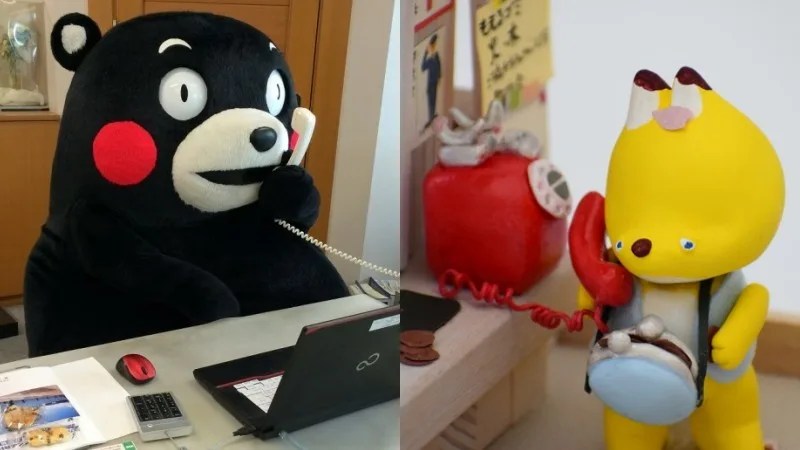
Have you noticed that when answering a phone or cell phone, the Japanese say moshi moshi? Does this expression really mean hello? In this article, we will understand the origin of the expression moshi moshi, its real meaning, where and when to use it.
According to the Japanese dictionary, the word moshi moshi [もしもし] means hello on the phone or hi, and it also means excuse me! when calling someone… Like when a person is daydreaming and you try to get their attention by saying hi, hello, is anyone there?
It is believed that the word originated from the verb mousu [申す] which means to say, to call, to speak, and to do. Categorized as kenjougo, a humble form. Throughout the article, you will understand more about the meaning of this verb and how to use it.
It is also believed that moshi moshi has roots in the expression tomoushimasu [と申します] which means “I call myself…” or “my name is…”, this makes a lot of sense, but both have origins from the verb mousu [申す].
The verb mousu [申す] was widely used during the Edo period when speaking to someone of higher status. Initially, the words used were moushiagemasu [申し上げます], moushimasu [申します] where both mean “I will say (speak)”.
Eventually, it was shortened to moushi [申し] and was used to get someone’s attention, like a “hey!” or “I’m going to speak!“. Later it was shortened even further, in Japanese moshi, but only when the word is used twice [もしもし].
申し上げます > 申します > 申す > 申し
Why Moshi Moshi on the phone?
This word and expression seem a bit long for those used to saying hi, hello, or hey. Why do the Japanese use it? Why repeat it twice? There are different stories that explain this custom.
Many do not realize, but moshi moshi is said most of the time by the one calling, usually the person answering just says hai [はい]. Both can say moshi moshi when they want to get attention, are not listening, or to check if the person is on the line.
It is believed that at the time when the telephone system was being implemented in Japan, during tests, they would say “Mousu Mousu”, which literally means “speak speak” as if testing the equipment by saying, testing 1,2,3…
Kitsune – Foxes cannot say Moshi Moshi
A legend says that the foxes yokaikitsune that usually transform into humans cannot say moshi twice. According to folklore, foxes cannot fully pronounce the words, giving rise to the custom of saying moshi twice.
Another story is that ghosts cannot say moshi twice, so this expression was used twice to scare the ghosts or yokai that answered the phone. If someone did not say moshi twice, they were probably a ghost.
Sagittarius from Fairy Tail has the habit of ending his sentences with moshi moshi. He probably uses this ending to get attention, just like dattebayo from Naruto. Who doesn’t remember Link from the Zelda cartoon saying “Excuse me Princess?”? The word moshi moshi can also mean excuse me, it’s as if Sagittarius is saying: “excuse me! I’m talking...”
On December 16, 1890, telephones were introduced for the first time in Japan. Today, this date is known as Telephone Day denwa no hi [電話の日]. At that time, only wealthy people could afford a telephone. Being wealthy, they were used to speaking ill of others.
In the past, oioi [おいおい] was said when answering the phone. The person on the other end would respond with Hai, you gozaimasu [はい、良うございます] which means something like “yes, I am ready“, meaning that the person receiving the call is ready to talk.
This oioi ended up annoying the operators, which led to the custom changing to moushimasu which later became mousu mousu and finally moshi moshi started to be used by female operators, and in the end was chosen as the general greeting.
The person who made the change was Shigenori Katougi (加藤木重教). He was an electrician from the Ministry of Engineering and began working for Anaka Seisakusho (田中製作所). He traveled to the United States in 1889 to study their telephone system.
L from Death Note answering the phone!
Phone Phrases in Japanese
Below are some phrases in Japanese to learn how to talk on the phone:
田中さんのお宅ですか?
Tanaka-san no otaku desu ka?
Is this [name]’s residence?
もしもし山田医院です。
Moshimoshi Yamada iindesu.
Hello, this is Dr. Yamada’s office.
もしもし、こちらはマイクです。
Moshimoshi, kochira wa maikudesu.
Hello, this is Mike.
はい,そうです
Hai, sou desu.
Yes, it is.
ちょっとお待ちください.
Chotto Omachi kudasai.
One moment, please.
どなたですか?
Donata desu ka?
Who is calling?
失礼ですが、どちらさまですか?
Shitsurei desu ga, dochira sama desu ka?
Who is speaking?
何かお伝えしましょうか。
Nanika otsutae shimashou ka?
Can I take a message?
伝言をお願いします.
Dengon o onegaishimasu
Please leave a message
もうすぐ戻ると思います.
Mousugu modoru to omoimasu.
He/She will be back soon
また電話しますとお伝えください.
Mata denwa shimasu to otsutae kudasai.
The flag of Japan is just a white background with a red circle called Hinomaru. What is the history and secret behind this simple Japanese flag? In this article, we will see everything about the flag that represents the rising sun and its variations.
The flag of Japan has a rectangular white shape with a large red disc in the center with a size ratio of 2:3. It is officially called Nisshōki [日章旗] which means sun flag, but it is commonly known as Hinomaru [日の丸] which means solar disc.
The flag of Japan displays a circle that represents the Sun and has been used since 1870. The design has been used since the 12th century by samurai who drew the circle of the Sun on fans called “gunsen”. The Hinomaru began to appear frequently in battles of Sekigahara around 1600.
Photo of the Flag of Japan
Meaning of the Flag of Japan
The origin of the flag is somewhat unknown. Some legends state that during the Mongol invasion in the 13th century, a Buddhist priest named Nichiren gave a flag with a red circle to the shogun.
But the main meaning of the “Rising Sun” flag has been a symbol in Japan since the 7th century, an official document from the year 607 sent to Sui Yangdi (an emperor of China) begins with “from the emperor of the rising sun”.
Another reason for the use of the sun on the flag was the desire for simple and elegant designs by Japanese warriors to reflect the cultured condition of the samurai. The sun is also strongly related to the imperial family due to mythology stating that the imperial throne descended from the goddess Amaterasu (goddess of the sun).
The first recorded flags in Japan date back to the period of unification in the late 16th century. The flags belonged to each Daimyo and were primarily used in battles.
Most of these flags that families used were just a single color with a design in the middle. This may have influenced the simplicity of the Japanese flag. To this day, Japanese states use this simplicity in their flags.
The Hinomaru was officially recognized in 1870 as a merchant flag, becoming the first national flag adopted in Japan between 1870–1885. National symbols were strange things to the Japanese.
After World War II, the flag that was a military symbol began to be criticized and set aside until 1999 when the law about the Flag and the National Anthem was passed officially choosing the Hinomaru and the Kimigayo (anthem) as national symbols of Japan.
Many think that the flag of Japan is red and white, but in fact, the shade of red of the flag is a crimson. If you try to make a flag with standard red, you will notice the huge difference.
As mentioned before, most flags of Japan have a simple design, with a solid color accompanied by a centered icon. Some provinces have a symbol related to their history, nature, animal, coat of arms, or ideogram of the name.
Some flags of Japanese provinces
The largest flag of Japan is located at the Izumo shrine in Shimane prefecture. It measures exactly 9m by 13.6m and is 47 meters high, weighing an absurd 49kg. This bandana can be tied around the head or around it.
The hachimaki is another way to show nationality, it is a bandana with the circle of the Japanese flag in the middle, with some motivational phrases. The hachimaki can symbolize perseverance, effort, and courage.
We cannot talk about the flag of Japan without mentioning at least a little about the National Anthem of the Nation. Kimigayo [君が代] is the national anthem with the oldest lyrics in the world, and also one of the shortest anthems in the world.
It has only 5 phrases and 32 syllables, and was originally a poem. For a long time, Kimigayo was known as the Anthem of Japan, but it became the official anthem only in 1999. See below the small National Anthem of Japan:
Japanese
Romaji
Translation
君が代は 千代に八千代に さざれ(細)石の いわお(巌)となりて こけ(苔)の生すまで
Kimigayo wa Chiyo ni yachiyo ni Sazare-ishi no Iwao to narite Koke no musu made
May the reign of the Emperor last for thousands and thousands of generations, Until the pebble becomes a rock And the moss comes to cover it.
Imperial Flag of Japan – Rays of the Sun
The rising sun flag with a red circle and sixteen stripes symbolizing the rays of the sun (Kyokujitsu-ki -旭日旗) became the official flag of the Japanese Army in 1870. These flags were primarily used aboard warships and represented the rising sun expanding its light over the world.
This flag, which is sometimes highly regarded by some foreigners, actually has a negative connotation in various countries in Asia due to the numerous wars that occurred. Even the Japanese felt a bit disappointed by the general loss of national pride after World War II.
In 1870, flags were created for the Emperor and members of the imperial family. Initially, the emperor’s flag was adorned with a sun in the center of an artistic design. The carriage flags were a monochromatic chrysanthemum, with 16 petals, in the center of a monochromatic background.
These flags were discarded in 1889 when the Emperor decided to use the chrysanthemum on a red background as his flag. The current emperor’s flag is a 16-petal chrysanthemum, colored in gold, in the center of a red background.
There are some flags similar to that of Japan. The flag of Bangladesh is similar to that of Japan, with a red disc on a green background. The flag of Palau also resembles that of Japan, although it is a yellow disc on a light blue background.
The Flag of Japan in Schools
There was a law that required schools to salute the flag and sing the anthem at events, festivals, and graduations, teachers were required to encourage students to respect the flag.
This caused strong opposition from teachers who defended the freedom of thought, belief, and conscience of students. Especially after the Emperor became the symbol of Japan by the Constitution and lost all political power.
This law caused the suicide of a school principal in Hiroshima who could not resolve the dispute between the school board and his teachers over the use of the Hinomaru and “Kimigayo“. Fortunately, today the country is free from obligations.
I hope this article has answered some questions about the flag of Japan. If you liked it, share the article and leave your comments.
Questions involving the Flag of Japan
What do the colors of the Flag of Japan mean?
The flag of Japan has only two colors. The white color: symbolizes purity. The red color: refers to sincerity.
What does the flag of Japan represent?
The circle of the flag of Japan represents the Sun. This symbolism is rooted in the Japanese belief that the Emperor is a direct descendant of the sun goddess Amaterasu.
Is it allowed to use the flag of Japan for commercial purposes?
The Japanese government has specific rules for the use of the Hinomaru: It should not be used for advertising or commercial purposes.
What are the rules for hoisting the flag of Japan?
It should be hoisted on the left side of a ship or building, and the circle should be facing to the right. It should not be placed upside down or turned.
Using Google Translate is not always the best option when trying to discover the real meaning of a word or phrase from a foreign language. Therefore, it is worth looking for other safer and more reliable alternatives.
In this article, we will recommend DeepL Translate, the best translator in the world. Learn how to use it to translate Asian languages and achieve more accuracy in your translations or during your studies.
What is DeepL?
DeepL – The best translator in the world
DeepL Translate is a website that automatically translates any sentence or word in over 29 languages (including Japanese). It is 3 times more accurate than competitors (like Google Translate). In Asian languages, such as Japanese or simplified Chinese, DeepL translates with much more clarity, precision, and fidelity compared to the leading translators on the internet.
DeepL also stands out from other translators on the market by having an API that integrates translation into the services of online platforms and products.
It is possible to use DeepL for free. There is also a premium version called DeepL Pro where you can translate entire documents while maintaining original fonts, images, and characters.
Additionally, the Pro version is integrated with CAT tools (computer-assisted translation tools). Using it also guarantees maximum protection of personal data, where all texts are completely deleted after the translation is completed.
As my main goal with online translators is to decode words and expressions from Japanese to Portuguese, I never felt that Google Translate was the best option. For many years, I was held hostage by inaccurate translations, having to resort to the technique of translating first into English and then into Portuguese (which slightly increases the accuracy of Google Translate). Even so, the quality of the translations remained poor.
When I discovered DeepL, I realized that even translating something directly from Japanese to Portuguese or vice versa, the translations made sense were much more fluid and correct than any other translation tool. Even some idiomatic expressions are better translated by DeepL than by Google Translate.
However, DeepL is not perfect. There are still serious translation problems when we talk about converting Japanese to Portuguese, especially due to the geographical and linguistic distance from which the languages emerged. Portuguese is still very distant from Japanese, and the way to express an idea in Brazil does not sound equally natural in Japan.
Nowadays, with the emergence of artificial intelligences, it has become possible to obtain more complete information about words and translations, making everything easier and more dynamic.
Finally, it is important to keep in mind that the best thing to do is to never translate, but always try to capture the essence of the meaning in the mother tongue. Never use translators to communicate with foreigners, especially if the translator is very general and not precise. Try to learn the language, native expressions, and the native way of communicating, as this will make the conversation sound more natural to the listener.
It may seem strange, but there is a Japanese word called Zettai Ryouiki [絶対領域] used to refer to the exposed thighs and legs that appear between miniskirts and stockings or other clothing combinations.
The translation of the word Zettai Ryouiki is Absolute Territory where zettai [絶対] means absolute and [領域] means area, domain, territory, field, and region. Why do the Japanese consider this area as absolute?
As always, it all started in anime and manga, where this combination of words became an otaku slang to attribute kawaii and moe characters from Japanese works. Nowadays this term is recognized by the population of Japan as a fashion style.
There are 5 levels that define Zettai Ryouiki, it all depends on the length of the stockings and skirts. The image below can better explain how this classification works:
4:1:2.5 is the ideal measurement for the exposed portion of the thigh and the knee area, with a tolerance of 25%. The classifications range from “E” which shows more leg to “A” which shows less legs. Some include hairstyle and deredere personality as criteria for creating an S ranking.
In Japanese culture, the Zettai Ryouiki trend relates to many other popular fashion trends such as Lolita, Gyaru, Decora, Fairy Kei, and Harajuku.
These trends are characterized by an exaggerated and colorful style, and are often associated with anime and manga characters. Often with a colorful and extravagant style.
The origin of Zettai Ryouiki is uncertain, but it is believed to have emerged as a fashion trend in the 1990s. The only thing we are sure of is that the term originated in the anime Evangelion.
In Neon Genesis Evangelion there is something called Zettai Kyoufu Ryouiki [絶対恐怖領域] or Absolute Terror Field. A type of protective energy shield nicknamed as a sacred area where no one can invade privacy.
It is very likely that this simple influence from the anime Evangelion created this term Zettai Ryouiki that became associated with thighs. The term was first used to praise the legs of Mayura (on the left), a character created as Ukagaka, a type of computer software.
The term appeared around 2001 and became popular over the years, becoming a common word to refer to this area of the body. It is not an otaku word; even girls often use this expression after popularizing it.
In the past, the word was used only to refer to the combination of miniskirts and long stockings; nowadays the term has become popular for thighs and other combinations like swimwear.
In 2009, an online survey was conducted about men’s favorite fetishes, and Zettai Ryouiki won first place in the survey. Various advertising agencies conduct surveys and promote events or advertisements involving this style.
November 28 has become high socks day, a special date for those who appreciate Zettai Ryouiki fashion. Although it is not an official holiday, since 2013 this has been an annual event celebrated by a huge community on the internet.
On the internet, there are thousands of fanart perfectly showing the application of this Japanese fashion and the exposure of the absolute area. Some companies have even gone so far as to tattoo girls on their thighs to advertise in the absolute area.
If you found this term a bit heavy, know that the Japanese have also created another term to refer to glimpses of women’s underwear known as panchira.
The trend may seem a bit sensual, but on the contrary, it is often associated with innocence and purity. Despite this, the exposure of thighs ends up creating discussions about its contribution to sexual harassment.
The display of legs in this way can be seen as a way to sexualize female characters or young Japanese women, making them objects of desire for the male audience.
Although this term may seem like a type of Japanese perversion, it is worth mentioning that it is not exclusive to Japan; there are also other similar terms and trends such as “knee-high socks” or “thigh high boots.”
Zettai Ryouiki is adopted by young people outside the otaku world, and some people may see it as a way to show confidence and self-esteem. Some consider the trend as a form of female empowerment.
Even some members of the otaku community consider this term offensive, while others do not see it as anything serious, and many girls still use this term. What do you think about this subject? I hope you enjoyed the article, and we appreciate the comments and shares.
Looking for a way to express that you are a fan or supporter of a team or group in Japanese, whether it’s football or any other sport? This guide will help you understand the ways to show support in Japanese.
The first thing you need to learn before talking about supporting a team is to learn the names of sports in Japanese, for this we recommend the articles below:
The most common way to state that you support a team in Japanese is by using the verb ouen [応援] which means to help, assist, support, cheer, and give support.
私は〇〇チームを応援します
watashi wa 〇〇 tiimu wo ouenshimasu
In the above sentence, we have the most common way to express that you are a supporter of a team. You don’t need to say exactly these words, there is no need to use the word team (チーム) or to use the personal pronoun depending on how the conversation is going.
Asking which team someone supports
To ask someone which team they support, you can use the following sentences below:
どのサッカーチームを応援していますか?
dono sakkaa tiimu wo ouenshiteimasuka?
どのサッカーチームを支持していますか?
dono sakkaa tiimu wo shijishiteimasuka?
どのチームが好きですか?
dō no chīmu ga suki desu ka?
どのチームに所属していますか?
dō no chīmu ni shozō shiteimasu ka?
どのチームを応援している?
dō no chīmu wo ōen shiteiru?
We just saw different sentences that ask which team you support. The first sentences include the word [サッカー] which refers to football, but it can be replaced by other sports like basketball, volleyball, and others.
In one of the sentences, we used [好き] which means like or love, then we used [所属] which asks which team you belong to.
I am a Fan of a Team in Japanese
Instead of using the verb to cheer and support, you might want to say you are a fan of a sports team, whether it’s football, volleyball, or baseball. In this case, you can use the word fan in Japanese which is derived from English.
私は〇〇チームのファンです"
Watashi wa 〇〇 tiimu no fan desu
You don’t need to use the word team, nor even the personal pronouns, just state that you are a fan. Another way is to simply say the name of the team you support followed by [です] if you have received a specific question about which team you support.
Other ways to support a team in Japanese
Although it is less common, you can use other terms to say that you support someone or something. The synonyms of the verb [ouen 応援] are:
支援します (shien shimasu) – provide support
援助します (enjo shimasu) – provide assistance
助けます (tasukeru) – help
助けましょう (tasukemashou) – let’s help
応援に来ました (ōen ni kimashita) – I came to support
応援をしています (ōen wo shiteimasu) – I am supporting
願っている (negatte iru) – wishing
Of course, you should not use these verbs in the wrong context, it’s good to research the meaning of each of them thoroughly. Also, see some words related to supporting and cheering:
Supporter and fan in Japanese
Here are some words and expressions related to supporting a team or group in Japanese:
Looking to learn how to acquire A-coins in Mech Arena FREE without having to spend your money? Looking for infinite A-coins in Mech Arena? Today I present some solutions.
Mech Arena is one of the most popular applications currently. You must have it on your phone. Although it is free to play, to fully enjoy the game, you need to make a certain financial investment. Very sad…
Not everyone wants to make this investment in games like Mech Arena, thinking about that, I wanted to write this article with some suggestions for apps and websites to earn free Mech Arena balance.
How does the Mech Arena game work?
Mech Arena is a real-time strategy game where players control giant robots known as “mechs” and use them in epic battles against other players. The game stands out for its challenging and complex gameplay, which requires players to balance tactical and strategic skills to win.
Players can customize their mechs with a variety of weapons and equipment, from heavy machine guns to guided missiles, allowing them to create unique combat strategies. The game also offers a wide variety of game modes, including individual matches, team battles, and even large-scale battles with hundreds of players.
What sets it apart from other similar games is its dynamic and exciting gameplay, with a variety of weapons and play styles, combined with an advanced customization system that allows players to create their own unique combat styles. Additionally, the game also offers high-quality graphics and sound effects, making the gaming experience even more immersive.
What are A-coins in Mech Arena
A-coins are the premium currency of the Mech Arena game. They can be used to purchase exclusive items, such as weapons, equipment, and customized mech parts.
A-coins can also be used to buy cosmetic items, such as mech skins and badges, allowing players to customize the appearance of their mechs.
Additionally, A-coins can also be used to purchase gameplay items, such as battle time extensions, damage healing, mech repairs, and much more.
A-coins can also be used to buy bonus packs, which may include a variety of items, such as additional A-coins, exclusive items, etc. Some packs may also include exclusive mechs, which can only be acquired with A-coins.
In summary, A-coins are a way to acquire exclusive items and benefits in the Mech Arena game, which can help players stand out and increase their advantage in battle.
It is possible to acquire A-coins in Mech Arena through a menu or page that lists the amount of A-coins and the price of the package. It is also possible to buy other things in the game besides A-coins.
You can use your card or Google and Apple Pay balance, it all depends on the platform you are using, on which the game is downloaded. It is also possible to purchase using certain websites.
How much do A-coins cost?
A-coins are sold in packages of different sizes, with prices varying according to the amount of A-coins in the package.
Prices may vary depending on the purchase platform and the country you are in. Some games also offer A-coins as a reward for completing tasks in the game, such as playing matches, winning tournaments, etc.
Beware of Scams
Some of the most shared ways on the internet to get A-coins in Mech Arena involve using codes shared by fake websites, or simple codes that other posts share.
When it comes to websites that create codes or promise infinite A-coins in Mech Arena, be very careful, because they only want to steal your Mech Arena account or make you go through a questionnaire only to gain absolutely nothing and just waste your time.
Almost all programs and apps that share giant A-coins in Mech Arena only alter your game, but are illusory because the real balance is on the game server. The articles that provide codes generally write codes just to generate views on the website and make money from ads.
Acquire A-coins in Mech Arena with PicPay
A quick way to acquire A-coins in Mech Arena is by downloading and creating an account on PicPay. New users receive 20 reais to use in Mech Arena or anything else, just use the account once and add my referral code to earn.
The advantage is that the money received initially is much greater than others, just this balance of 20 reais is enough to buy a lot of A-coins balance in Mech Arena. Not to mention that it is an app that works as a Digital Bank, allowing transactions and also offers a CashBack system.
In addition to receiving the 20 reais referral bonus for making your first purchase, you also receive 20 reais by inviting other people. Wonderful, since PicPay is a very popular digital bank that allows you to pay bills and still earn discounts, you can also receive for colleagues.
There are also other banks that offer an initial balance for registration and also have a referral earning system. One of these banks is PageBank from PagSeguro.
Access a place called Promotional Code to add my code. Our Invitation Code for you to earn balance on PicPay is:BS6DTM
Free way to earn A-coins in Mech Arena with Kwai and Tiktok
Some Social Networks pay people for inviting others to download the social network and meet goals on the platform like watching videos. This way you can quickly buy A-coins in Mech Arena.
It may seem slow, but it is very easy to invite your friends and relatives to register on social networks for you to earn A-coins in Mech Arena. Some people are getting rich just by inviting others to download Kwai and Tiktok. Both pay both those who promote and those who are invited.
Download Tiktok and Kwai and use the following referral codes to earn a balance to get started.
Our Invitation Code for you to earn money on Kwai is: KWAI343591162 Use the following Invitation Code for you to earn balance on Tiktok is: J9082637868
The codes must be added in the earnings menu of the app (usually the icon of a coin). There you will find your code to invite other people and earn balance to use to buy A-coins in Mech Arena.
If you have any questions, just leave them in the comments.
Google Rewards – Earn A-coins in Mech Arena by completing tasks
Being a Google app, the reliability is much greater, with no risk of making registrations and surveys that share your information with suspicious third parties that can send a lot of spam to your emails and malware.
Similar to other survey apps, here you earn balance to spend in Mech Arena by completing tasks that Google shares with you. It is an opinion app, for companies to ask about your preferences.
The app is simple to use, there is a place that shows your balance and an option telling you to take a survey, the first survey is crucial for others to appear.
The Google Rewards software can be found on Android and iOS and can be installed from the Operating System Store, just search for the name.
Dreame – Earn A-coins in Mech Arena by reading
Unlike the Sites and Apps that allow you to earn currency by completing tasks like downloading apps or taking surveys. In Dreame you earn balance by reading ebooks, a perfect way for those who value reading books. It is a very bold and recreational way to earn balance for Mech Arena.
The program used to earn your money in Mech Arena is filled with books produced by different authors. You can also earn balance in Mech Arena by making referrals and completing other tasks.
The app also has a roulette in the giveaways menu. There you have the chance to spin the roulette using Dreame coins and if you are lucky you can double your coins, or end up losing, so be careful. Otherwise, your efforts to earn balance in Mech Arena will be wasted.
Earn A-coins in Mech Arena by working as a Freelancer on Fiverr
If you really want to earn A-coins in Mech Arena, you can look for apps and websites that pay for doing online jobs as a freelancer, marketing people usually look for creators of thumbnails for YouTube channels, post writers, brand creators, and many others.
There are hundreds of freelancer apps and websites to earn balance and spend on your favorite Mech Arena. If you have always wanted to work from home, how about becoming a Freelancer? You can earn good money doing gigs.
Freelancer sites to earn in Mech Arena
Fiverr
UpWork
Craigslist
Contena
Journalism Jobs
All Indie Writers
Paid to Blog
Contently
Envato Studio
Working Not Working
Joomlancers
x Management
Cruise Ship Jobs
Journalism Jobs
People Per Hour
Indeed
Zirtual
Stage
Salesforce App Exchange Job Board
Guru
Quize – Earn A-coins in Mech Arena by answering questions
As the name suggests, Quize is a type of quiz with many questions, where you earn cash rewards to buy A-coins in Mech Arena. So, if you enjoy tests where you have to answer questions correctly, this game is for you.
In this way, this is a perfect system for those who want to earn extra income or, of course, spend in Mech Arena. The app provides you with a Pre-Paid card to make purchases when you reach 50 reais in Quize balance.
The first time you open the app, you will find a presentation video, watch it and then click on “Start Now.” After that, you will need to fill in some data, accept the terms of use, and finalize your registration with a code sent to your cell phone.
Don’t forget to enter our referral code CODIGOAQUI when registering. After completing your registration, just wait for a Quiz, have fun, accumulate points, and spend your balance in Mech Arena.
How to use your prepaid card in Quize
If you have managed to accumulate 50 reais in your Quize account, you can release the money, and the only way is by card. In the questionnaire, find the payment option and click on it. Then, click on Redeem and fill in some personal information. When requesting the card, it will be sent to the registered address.
After you have your card at home, you need to go back to Payments and click on Unlock Card. Then, you will enter the last 4 digits of the credit card that arrived at your address and the first 3 numbers of your CPF. Then just click on the Unlock option and spend your money in Mech Arena.
Earn A-coins in Mech Arena by recommending on Peoople
Peoople is a bit different from the other apps mentioned, it is a recommendation platform, where you can recommend restaurants, books, movies, products, etc. It is a system for influencers, as it has everything and more that influencers can recommend to their followers.
To earn A-coins in Mech Arena with Peoople, you need to level up. To earn balance and level up you need to complete targets such as:
Have at least 20 likes on your recommendations;
Get 10 followers;
Use the app for 5 days;
Have a profile picture;
Bring at least 5 people to the App;
Have 2 collections of recommendations;
After surpassing to Level 2 you should start earning points that can be converted into balance by doing other things such as:
– Recommending Books, Movies, and Products;
– Referring people;
– Selling digital products as an Affiliate;
The Peoople app is available for download on iOS and Android and should be installed from the Operating System Store.
FOAP – Earn A-coins in Mech Arena by taking photographs
Have you ever thought about earning A-coins in Mech Arena by taking photos? Foap is an app for those who love photography as this hobby can provide you with extra balance in your Mech Arena account.
Foap is an app created to allow users to sell their photographs taken with their cameras and phones, whether on Android or iOS. Another advantage of this service is its appearance, which resembles a social network, meaning you can make friends.
The price of a single photo for sale is at least 10 USD, which is equivalent to 50 reais at the current conversion to buy A-coins in Mech Arena. After downloading Floap, you can upload images for other members to see and purchase.
You can sell photographs of your adventures that many website creators and marketers tend to buy. We recommend that you include hashtags or tags in the images so that people can find them more easily.
This Foap app is available for download on iOS and Android and should be downloaded from your Operating System Store, just search for the name.
Hago and Big Time – Earn A-coins in Mech Arena by playing
Big Time has little games within it where you accumulate points and then convert them into cash to spend in Mech Arena. The points can be converted into dollars or used in weekly raffles, but we recommend using cash rather than betting on luck.
You can withdraw after 10 USD which costs 10,000 points through Big Time. The withdrawal is through Paypal.
Hago – Plant a Tree
Who said money doesn’t grow on trees? In Hago you take care of a tree and earn real money by taking care of it. You just need to fertilize, water, and care for it constantly.
You can water the plant by completing some missions or playing some games within Hago. It is a tamagotchi or pet style game, but in this one, you evolve from a tree, it’s pretty cool.
The Big Time or Hago apps are available for download on both iOS and Android and should be downloaded from the AppStore and PlayStore.
Cashizine – Earn A-coins in Mech Arena by reading news
This app allows you to accumulate points by reading articles to later exchange for money to use in Mech Arena, to be honest, you don’t even need to read the articles on Cashizine, just open it and wait for the necessary time to pass to claim your reward.
Cashzine is very similar to a social network that allows interactions, comments, and reactions. You can also earn by inviting people or completing some tasks.
The Cashzine app is available for download on iOS and Android and should be downloaded from the AppStore and PlayStore, just search for the name.
Other ways to earn A-coins in Mech Arena for free
In this Guide to earning A-coins in Mech Arena, you saw that there is nothing free, you will need to use your effort and time to earn your money in Mech Arena for free. Emphasizing that balance generators in Mech Arena are a waste of time, they are fakes created only to make money for the owners through ads and surveys on the website.
Besides the apps mentioned in this article, there are many other apps that earn in dollars, allow services, investments, and others. Below we have a huge list of more apps that should help you earn A-coins in Mech Arena:
When we are starting our journey in studying Japanese, it is common to recommend starting with Hiragana and then moving on to Katakana. These are two of the three “alphabets” used in the Japanese language, each having 46 letters (not counting the combinations and modification marks, known as “dakuten” and “handakuten”).
We can summarize everything as follows: there are two syllabaries and one ideographic alphabet. The syllabaries are known as a set of sounds (Hiragana and Katakana), while the ideograms (Kanji) are symbols that represent deep ideas and generally have a large number of pronunciations.
However, what is often not taught to us is that, in the past, the list of characters was larger, and some letters that were widely used fell into disuse.
Although they are not present in modern texts, these characters may appear in old books, historical records, manga set in archaic times, classical literature, poetry, or as a way to beautify and bring a more traditional aura to the written text.
In this article, we will see which Hiragana and Katakana are no longer in use.
Archaic Kana – Hiragana and Katakana no longer in use ゐ ゑ 𛀁 ヰ ヱ
The old characters are called Kyu Kana (旧仮名、きゅうかな). Kana (仮名、かな) means “syllabary,” and Kyu (旧、きゅう) is a kanji that conveys the idea of “old,” “ancient,” “archaic,” etc.
In summary, we can say that these special characters are graphic forms that emerged to compose the old Japanese system of phonetic reading and writing but have ceased to be used in modernity.
Although they are rare today, these letters are still considered important for scholars of the language and Japanese history.
Interestingly, it is possible to find some characters through Jisho.org. The online dictionary classifies the kyu kana as “obsolete” and as “historical kana.” Another curiosity is that it is possible to type ゐ using the Japanese QWER keyboard. Just type “wi,” and the option ゐ will appear.
Below, we will explain in more detail some of the most well-known archaic letters:
ゐ – Wi (Old Hiragana). Evolved to “I” in modern pronunciation and in romaji transcription. It is similar to み (mi) and ね (ne) of current Hiragana.
ヰ – Wi or Yi (Old Katakana). Evolved to “I.”
ゑ – We or Ye (Old Hiragana). Evolved to “E.” Very similar to る (ru) of modern Hiragana.
ヱ – We (Old Katakana). Evolved to “E.”
𛀁 – Ye (Old Hiragana) – An extremely rare character. In fact, if you enter it in Jisho, no definition will appear for it!
𛀀 – Ye (Old Katakana) – Evolved to “E.” It is also extremely rare, and its form resembles ウ (u) of contemporary Katakana.
It is worth noting that there are not only 5 characters that exist, but we will only address these, considering that the others are even difficult to find in their “digitized” form.
Do I need to know this?
Hiragana and Katakana no longer in use ゐ ゑ 𛀁 ヰ ヱ
The question that remains is: do I need to know this? Unless you are a curious person or an academic scholar of Japanese history and language, the answer is a resounding “No.”
It is not necessary to know these letters to learn to read Japanese. As mentioned earlier, these archaic characters are rarely found today.
Over time, it is possible that ヲ (を、o) of Katakana will also become extinct. Since there is the corresponding sound オ (o) within Katakana itself, this symbol is rarely used in words.
The Japanese language is full of peculiarities. One of them is the fact that the language has been changing over the years, varying in its grammatical structures, pronunciation, writing, and even calligraphy.
The term Kobun 古文 (こぶん) refers to the old forms of writing and classical literature, especially from the Edo period (1603 – 1868) onwards, and is formed by the kanji for old (古) and the ideogram for literature, writing, or composition (文). There is also the term 文語 (ぶんご, bungo) which means “literary language” or “written language.” This word is part of another, even larger term: 文語体 (ぶんごたい、bungotai) which means “literary style” or “writing style.”
There are numerous characteristics of archaic Japanese that we cannot discuss in depth in a single article. If you want to delve deeper by researching on your own, we suggest searching for #words #arch or words #obs on Jisho.org. By searching in these two ways, you will find a list of archaic and obsolete words and expressions.
“Kodama” is a Japanese word that has several meanings. Although it is always pronounced the same way, it can mean totally different things depending on the context and the kanjis used. In this article, we will see the main meanings of Kodama in Japanese.
One of the most common meanings of “Kodama” is “spirit of the trees” or “spirit of the forest,” a youkai from Japanese folklore. These creatures are often described as benevolent spirits that bring luck, serenity, and wisdom. If you type the word “Kodama” into Google Images, you will likely see small white beings with large eyes. This is a representation created by Hayao Miyazaki in “Princess Mononoke,” a famous film from the Ghibli Studios.
However, one of the most famous depictions of Kodama was imagined by the Ukiyo-e artist Toriyama Sekien, back in the 18th century. There are infinite variations of Kodama.
In some illustrations, they are green humanoid creatures resembling plants. In others, they look more like ghosts or luminous entities.
Written in Kanji:
木霊 or 木魂
It is believed that these spirits become angry when they feel the environment being harmed.
For more details about this Youkai, I recommend reading the article from the Legend Hunters portal. Click here to read.
Kodama – Echo and Reverberation
Kodama also means “Echo” or “Reverberation.” This phenomenon of a word having the meaning of an entity or creature while simultaneously meaning “Echo” also occurs with “Yamabiko” (山彦、やまびこ), which designates both a mountain guardian deity and the “echo” we hear.
Kodama – Shinkansen Service
Kodama is known as one of the main Shinkansen (Bullet Train) services. It runs on the Tōkaidō and Sanyō lines and stops at all stations, being considerably slower than the other available options.
Kodama – Shinkansen Service
It is not usually used for travel between large cities (metropolises). In these cases, the Nozomi or Hikari is more frequently used. Kodama-type trains are generally used to go to or return from smaller cities, like Atami, for example. The prices vary depending on the type of transportation.
In any case, it is important to keep in mind the names of the three main ones: Kodama, Nozomi, and Hikari.
The “Kodama Suika” – 小玉スイカ (こだますいか) is a small watermelon with uniform sweetness that usually measures half the size of a regular watermelon.
This is not the first time that things related to watermelons have been addressed on Suki Desu. We have already talked about yellow and square watermelons in two other posts.
Kodama also has the reading 小玉 (こだま, kodama) which literally means “small sphere.”
小 is the kanji for small. 玉 is the kanji for sphere, jewel, etc.
Other possible meanings
In some contexts of geology, sound studies, and physics, the word Kodama may refer to sound waves that echo from a certain environment.
Kodama can also be the name of a fictional character. It appears in RPGs, board games, mangas, animes, and light novels.
There is a famous anime director named Kenji Kodama. His name is written as follows: こだま兼嗣.
Kodama-gin (小玉銀) was a silver coin that circulated in Japan during the Edo period (1603 – 1868). It literally means “small jewel of silver” or “small sphere of silver.”
So, what do you think? Did you like the article? Then don’t forget to share it with your friends!
Marvel Snap is an incredibly fun card game. Released on October 18, 2022, the game was developed by Second Dinner, a studio led by Ben Brode, the same director responsible for Hearthstone.
Marvel Snap features themed cards of characters from Marvel Comics and is available in several languages, including Portuguese.
In this article, we will learn more about this wonderful TCG (Trading Card Game) that has gained enormous popularity in recent months.
In Marvel Snap, you start the matches with 3 cards in hand. Each turn you draw 1 card from the deck. The game has three important concepts: energy, power, and location. Energy (in blue) is the cost to play a card, similar to mana in Hearthstone and lands in Magic: The Gathering.
Each turn the energy increases by 1. On turn 1, each player has 1 energy and can only play cards that cost 1. Power (in orange) is what determines who will win the duel. Each card has a certain amount of power.
Finally, the locations are the most interesting part of the game. There are several locations with different effects that can appear in matches. Each match has three locations, and the player with the most power in 2 of the 3 wins. The tiebreaker is the sum of the power of all locations.
Explaining it this way may seem difficult, but as you play, the rules become clearer. Other important features of the game are the abilities of the cards. The cards have abilities that can help increase power at each location. Another essential piece of information is that you can only place 4 cards per location, which is 12 per match.
Decks can be edited in the collection menu, and new cards are acquired through missions and passes. It is also possible to acquire card skins, upgrades, and special cards in the game’s store, using real money or gold (the game’s virtual currency).
Check out the game Trailer below:
MARVEL SNAP | Gameplay Trailer
My opinion about Marvel Snap
Marvel Snap emerged and became a phenomenon in a short time. With fun, creative, and innovative gameplay, MS manages to keep the player engaged for several hours a day. I started playing, and before I knew it, more than 3 hours had passed! The game is so good that it is even hard to stop playing. Combining classic Marvel characters with an intuitive and easy-to-understand power system, this card game has everything to improve even more with each new update.
My opinion about Marvel Snap
In general, we can list as positive points of the game the speed (with short matches of 6 turns), the gameplay (simple and quick commands), the design and animations (great special effects and card designs), the fun (many Marvel characters are present), and the creativity (the concept of “location” in the game works very well, greatly expanding the strategic possibilities, making each duel unique).
If there is a negative point, it may be the scarcity of competitive modes and tournaments. However, being a new game, this is more than expected. The developers have already announced that at the end of this month of January, the PVP mode will be launched, where it will be possible to battle with friends.
In short, the game is excellent. With the decline of Hearthstone, Marvel Snap is a great alternative for fans of this genre. If you are a fan of Marvel comics, the chance of enjoying the game is even greater, as the game features iconic characters from the franchise, such as Hulk, Mr. Fantastic, Spider-Man, Ant-Man, Iron Man, Silver Surfer, Nightcrawler, and many others. Even lesser-known heroes are present.
Positive points:
Fun
Easy to play
Beautiful design
Excellent sound effects
Cards of Marvel Comics characters
Strategy is more important than RNG
Constant updates
High number of players
Quick and exciting matches
Unpredictability
Negative points:
In the PC version (Steam), the game screen can be small (even in Full Screen), making it difficult to read the effects of locations (you need to click on them to enlarge).
Tournaments and PVP are still in development.
There are very few negative points. Nothing that cannot be corrected in the future.
Download the game
Download Marvel Snap by clicking here. It can be played both on PC (STEAM) and Mobile (Android and iOS). Visit the Google Play (Android) and App Store (iOS) apps to download the mobile versions.
Looking for furniture stores in Japan? Want to buy furniture and decor items for your new house or apartment? In this article, we will talk about the best stores like Ikea, Nitori, and Muji.
In Japan, there is a wide variety of furniture stores, from traditional department stores to modern interior design brands. Shall we take a look?
IKEA is a Swedish furniture company with a global presence, including in Japan. IKEA began operating in Japan in 1974, with the opening of its first store in Tama, near Tokyo.
Since then, IKEA has been expanding its presence in the country, opening several additional stores in different regions of Japan. IKEA offers a wide variety of furniture and home items at affordable prices, making it a popular choice among Japanese consumers.
Additionally, the company is known for its innovative design and commitment to sustainability, helping to attract customers concerned about the environmental impact of their purchases.
In Japan, IKEA faces stiff competition from other furniture brands and department stores, but the company has maintained its presence and success in the market thanks to its combination of affordable prices, innovative design, and commitment to sustainability.
Ikea also offers a babysitting service while parents can do their shopping. Ikea in Japan has a strong presence in the Chiba, Kanagawa, Yokohama, Saitama, Osaka, Miyagi, and Tachikawa regions.
Ikea Osaka
Nitori – Ikea’s biggest competitor
Nitori offers a wide variety of furniture and household items at affordable prices. Its catalog is filled with stylish and modern pieces, perfect for creating a modern feel in any home.
It is called the Japanese Ikea, as it has over 690 stores in Japan and also other stores abroad. In this store, you can find furniture and decorations for your home.
You can find furniture for your entire home such as living room, dining room, bedroom, and kitchen. You can also find diffusers, organizers, textiles, and more.
Deco Home
“Deco Home” is part of Nitori but specializes in small home items. If you are looking for some decorative objects, you might want to check out “Deco Home.”
Muji – Mujirushi
Muji, or “Mujirushi,” is a great place for minimalists to find their furniture in Japan. Although the prices are a bit steep, it is possible to find good furniture at a good price.
It has a huge variety of simple items that last forever and offer a sense of simplicity and organization. Despite being simple, its products are of high quality.
If you need cabinets, shelves, or sturdy tables that last a long time, Muji is the right place. And you can also relax trying out the store’s famous poufs.
Other Decoration and Furniture Stores in Japan
Of course, there are many other artisanal stores selling furniture, such as the famous Hida Takayama, and also other department stores where you can find decor items.
Unfortunately, we cannot mention all of them in this article, but we will mention a few more for you to find the furniture and decor items you are looking for.
Shimachu
Shimachu is a specialty store that sells furniture with a traditional Japanese style. It is a great place to find high-quality pieces that are authentic and elegant.
Sanko
Sanko is another popular furniture store in Japan. It specializes in modern and contemporary furniture, with a wide range of prices.
Rakuten
Rakuten is a well-known online retailer in Japan. It offers a wide selection of furniture, home decor, and even electronics, at competitive prices.
Other Stores
To finish, I will leave a list of companies, stores, manufacturers, and others where you can find furniture and decor items:
Looking for ways to wish someone a happy birthday in Japanese? Well, you’ve come to the right place! Today we will learn how to say “Happy Birthday” in Japanese.
Throughout this article, you will see various ways to wish happy birthday and also learn many Japanese words related to birthdays.
The most common way to say “happy birthday” in Japanese is otanjobi omedetou:
お誕生日おめでとう!
The word [誕生日] means birthday, or day of birth, composed of the ideograms [誕] which means to be born, [生] which means life, [日] which means day.
The word Omedetou [おめでとう] means congratulations; in Japanese, the word happy is not used as in some languages. This is the most common way to say “happy birthday” in Japanese.
If someone asks “Tanjōbi wa nan-nichi desu ka” [誕生日は何日ですか]? They are asking what day your birthday is. Now let’s see how to correctly answer this question.
You need to put the day of the month after the month itself. If your birthday were on March 4th, for example, you would say:
私の誕生日は3月4日です
Watashi no tanjoubi wa san gatsu yokka desu
Imagine the excitement of being able to share your special date with friends and family in Japan, using the right words. You can also respond directly, avoiding pronouns or just stating the date.
Different ways to say “Happy Birthday”
Many websites publish articles with numerous ways to say “Happy Birthday” in Japanese, but most of the time it’s just filler; it’s practically the same phrase with additions.
As we just saw, the word tanjoubi [誕生日] is used to refer to the person’s birthday. Then we use the word omedetou [おめでとう] which means congratulations.
The other forms we will present now are variations that add or remove some of these words, making the phrase more formal or more informal. Here are some examples:
お誕生日おめでとうございます。
o-tanjoubi omedetou gozaimasu
The addition of the word gozaimasu made the phrase much more formal and polite.
おたおめ
Otaome
Otaome is a very short and informal abbreviation, usually used by young people or in informal settings like online text messages.
〇〇歳のお誕生日おめでとう
〇〇sai no otanjoubi omedetou
In the example above, we added the person’s age, congratulating them for reaching that age. The age is represented by circles, while the suffix [歳] refers to years of age.
Besides the word Otanjoubi, we can use an expression derived from the English language:
ハッピーバースデー!
happii baasudee!
The form we just saw is derived from the English “Happy Birthday“.
What to say after Tanjoubi Omodetou?
After you say “happy birthday,” you can use other expressions like:
素敵な一日を〜
sutekina ichinichi o
In the expression above, you wished that the person has a wonderful day, or a great day.
素晴らしい1年になりますように
subarashii ichinen ni narimasu you ni
In the sentence above, you wished that the person has a wonderful year.
楽しんでください
tanoshinde kudasai
In the sentence above, you are wishing that the person enjoys this date.
あなたの願いが全て叶いますように!
Anata no negai ga subete kanaimasuyouni!
May all your wishes come true!
こがからも幸せでいてください
Korekaramo shiawase de Itekudasai
Please continue being happy
Birthday Song in Japanese
Each country has its version of the birthday song that usually uses the same rhythm and background sound, the famous song Happy Birthday.
The Japanese usually sing the Americanized version and also have their own version in Japanese. The Americanized version is the same as the English version but sung with a Japanese accent and with the following writing and romanization:
ハッピーバースデー トゥーユー
Happii basudee tuu yuu
The Japanese version has the following lyrics:
 嬉しいな今日は。
 ureshii na kyou wa.
 楽しいな今日は。
 tanoshii na kyou wa.
 誕生日おめでとう。
 tanjoubi omedetou.
 お歌を歌いましょう。
 outa wo utaimashou.
The Japanese version says, “What a happy day, what a fun day, happy birthday, let’s sing together.” Basically, this is the translation of the Japanese birthday song.
Birthday Vocabulary in Japanese
If you want to say that a word refers to something birthday-related, just add tanjoubi before it, for example: 誕生日パーティー (birthday party). Of course, sometimes it’s common to use Americanized terms like バースデーケーキ (birthday cake).