

Looking for ways to wish someone a happy birthday in Japanese? Well, you’ve come to the right place! Today we will learn how to say “Happy Birthday” in Japanese.
Throughout this article, you will see various ways to wish happy birthday and also learn many Japanese words related to birthdays.
We recommend reading: Omedetou – How to say Congratulations in Japanese?
Contents 6
Happy Birthday in Japanese
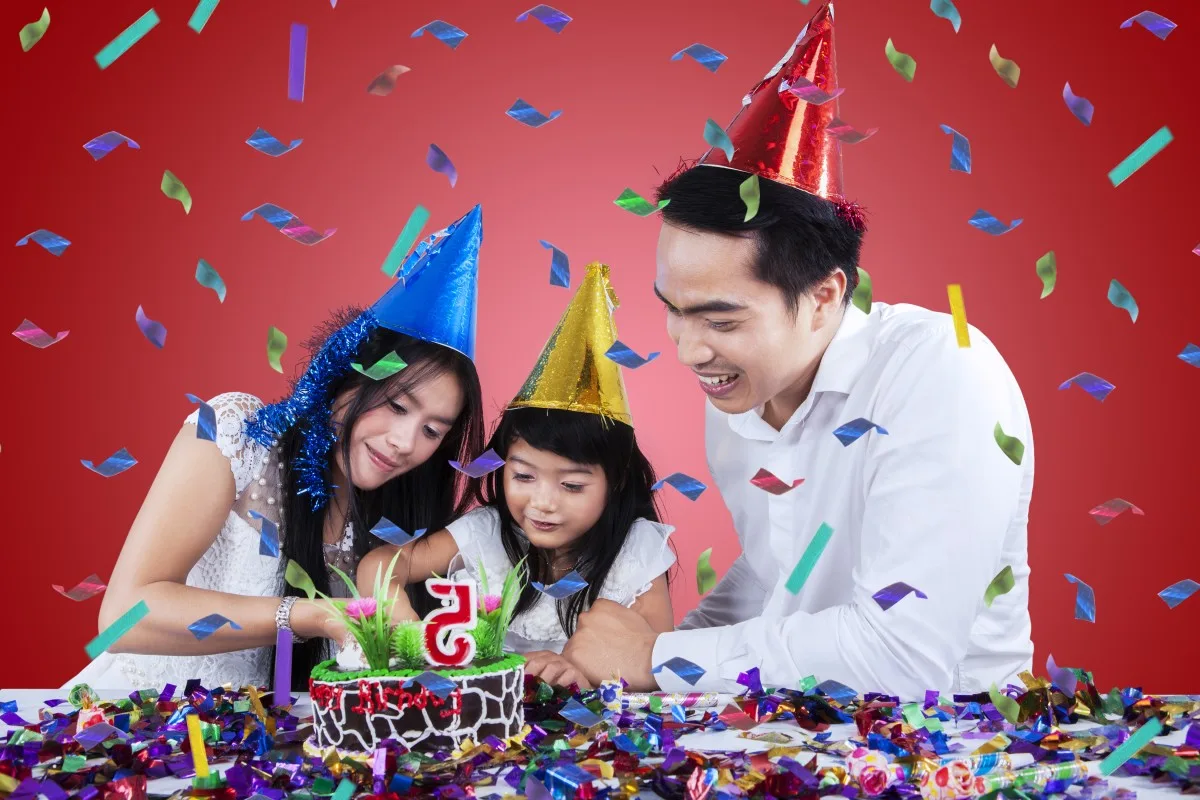
The most common way to say "happy birthday" in Japanese is otanjobi omedetou:
お誕生日おめでとう!
The word [誕生日] means birthday, or day of birth, composed of the ideograms [誕] which means to be born, [生] which means life, [日] which means day.
The word Omedetou [おめでとう] means congratulations; in Japanese, the word happy is not used as in some languages. This is the most common way to say "happy birthday" in Japanese.
If you want to know the reason for the [お] before the word Tanjoubi, we recommend reading the following article: Bikago – Why are “O” and “GO” used before some Japanese words?
Stating the date of your birthday
If someone asks "Tanjōbi wa nan-nichi desu ka" [誕生日は何日ですか]? They are asking what day your birthday is. Now let’s see how to correctly answer this question.
You need to put the day of the month after the month itself. If your birthday were on March 4th, for example, you would say:
私の誕生日は3月4日です
Watashi no tanjoubi wa san gatsu yokka desu
Imagine the excitement of being able to share your special date with friends and family in Japan, using the right words. You can also respond directly, avoiding pronouns or just stating the date.
Different ways to say "Happy Birthday"
Many websites publish articles with numerous ways to say "Happy Birthday" in Japanese, but most of the time it’s just filler; it’s practically the same phrase with additions.
As we just saw, the word tanjoubi [誕生日] is used to refer to the person's birthday. Then we use the word omedetou [おめでとう] which means congratulations.
The other forms we will present now are variations that add or remove some of these words, making the phrase more formal or more informal. Here are some examples:
お誕生日おめでとうございます。
o-tanjoubi omedetou gozaimasu
The addition of the word gozaimasu made the phrase much more formal and polite.
おたおめ
Otaome
Otaome is a very short and informal abbreviation, usually used by young people or in informal settings like online text messages.
〇〇歳のお誕生日おめでとう
〇〇sai no otanjoubi omedetou
In the example above, we added the person's age, congratulating them for reaching that age. The age is represented by circles, while the suffix [歳] refers to years of age.

Besides the word Otanjoubi, we can use an expression derived from the English language:
ハッピーバースデー!
happii baasudee!
The form we just saw is derived from the English "Happy Birthday".
What to say after Tanjoubi Omodetou?
After you say "happy birthday," you can use other expressions like:
素敵な一日を〜
sutekina ichinichi o
In the expression above, you wished that the person has a wonderful day, or a great day.
素晴らしい1年になりますように
subarashii ichinen ni narimasu you ni
In the sentence above, you wished that the person has a wonderful year.
楽しんでください
tanoshinde kudasai
In the sentence above, you are wishing that the person enjoys this date.
あなたの願いが全て叶いますように!
Anata no negai ga subete kanaimasuyouni!
May all your wishes come true!
こがからも幸せでいてください
Korekaramo shiawase de Itekudasai
Please continue being happy
Birthday Song in Japanese
Each country has its version of the birthday song that usually uses the same rhythm and background sound, the famous song Happy Birthday.
The Japanese usually sing the Americanized version and also have their own version in Japanese. The Americanized version is the same as the English version but sung with a Japanese accent and with the following writing and romanization:
ハッピーバースデー トゥーユー
Happii basudee tuu yuu
The Japanese version has the following lyrics:
 嬉しいな今日は。
 ureshii na kyou wa.
 楽しいな今日は。
 tanoshii na kyou wa.
 誕生日おめでとう。
 tanjoubi omedetou.
 お歌を歌いましょう。
 outa wo utaimashou.
The Japanese version says, "What a happy day, what a fun day, happy birthday, let’s sing together." Basically, this is the translation of the Japanese birthday song.
Birthday Vocabulary in Japanese
If you want to say that a word refers to something birthday-related, just add tanjoubi before it, for example: 誕生日パーティー (birthday party). Of course, sometimes it’s common to use Americanized terms like バースデーケーキ (birthday cake).
- 誕生日 (tanjōbi) - birthday.
- 祝う (iwau) - to wish happiness.
- ケーキ (kēki) - cake.
- プレゼント (purezento) - gift.
- パーティー (pātī) - party.
- 一歳 (issai) - one year older.
- 祝賀会 (shukugaikai) - party, celebration;
- サプライズ (sapuraizu) - surprise.
- 年齢 (nenrei) - age.
- お祝い (oiwai) - celebration.
- カード (kādo) - card.
- ギフト (gifuto) - gift.
- メッセージ (messaaji) - message.
- 祝い事 (iwaigoto) - celebration.
- グッズ (guzzu) - party items.
- お祝い金 (oiwai-kin) - gift money.
- お祝いメール (oiwai-mēru) - celebration email.
- お祝いコメント (oiwai-komento) - celebration comment.
- お祝い言葉 (oiwai-kotoba) - words of celebration.


Community
Comments
0 comments
There are no published comments in this language yet.
Send comment