
NicoNico Douga, now commonly called Niconico (ニコニコ), is a Japanese video-sharing and live-streaming service. Its defining feature is danmaku (弾幕): viewer comments move across the video at the moment they were posted, turning watching into a shared conversation.
The name combines niko niko, a Japanese expression for smiling or cheerful laughter, with dōga (動画), meaning “video.” The service is especially associated with Japanese internet culture, Vocaloid music, game streams, dance and singing covers, anime-related creations, and fast-moving memes.
Contents 5
What makes NicoNico different?
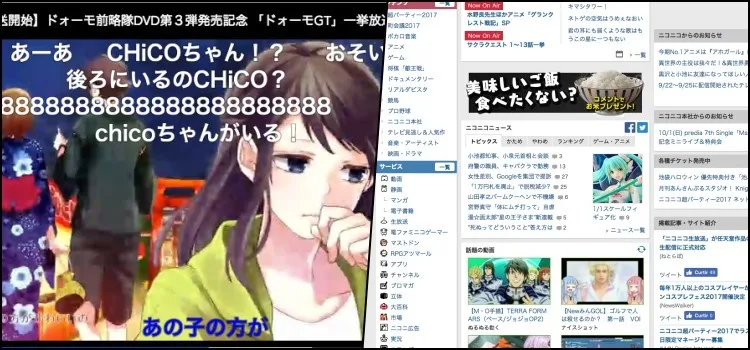
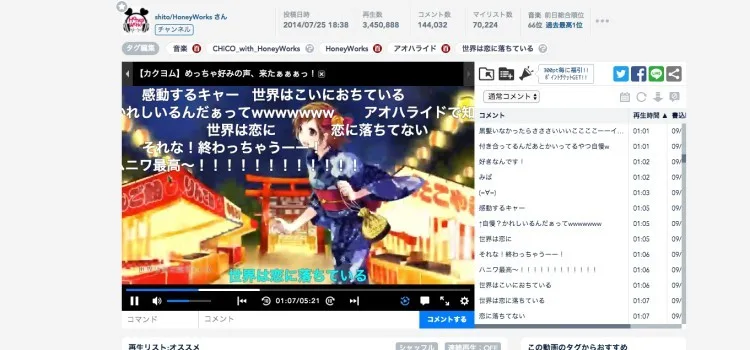
On most video platforms, comments stay below the player. On Niconico, comments can cross the image from right to left at a chosen moment. A funny scene may receive a burst of www, while a memorable chorus can produce a dense wall of text known as danmaku. The effect may feel chaotic at first, but it records the audience’s reaction as part of the video.
That design also changes how people search for and revisit content. Viewers can use tags, save videos to Mylist, and follow communities built around a creator, series, song, game, or style of performance. The platform has also offered live broadcasts through niconico Live, making real-time participation central to its identity.
What can you watch on Niconico?
Niconico’s catalog is closely connected to Japanese creator culture. Common categories include:
- 歌ってみた (utattemita): user singing covers;
- 踊ってみた (odottemita): dance performances and choreography videos;
- 演奏してみた (ensōshitemita): instrumental performances and arrangements;
- 実況プレイ (jikkyō purei): gameplay accompanied by live commentary;
- Vocaloid: songs and videos made with voice-synthesis software and its surrounding fan culture;
- Live streams: broadcasts where viewers can react while the program is happening.
These labels are useful because they describe a format, not only a subject. Searching for 踊ってみた, for example, leads to a performance tradition with its own conventions, creators, and audience rather than to every video that happens to mention dancing.
How to use NicoNico Douga
Visit nicovideo.jp to browse the service. You can search by title, creator, tag, or category. An account is useful when you want to comment, save videos, follow creators, or participate in live broadcasts. Some features and viewing conditions can vary by account type and by the individual service.
If Japanese comments make the screen difficult to read, look for the player’s comment controls. You can usually hide or adjust the comment layer and watch the video without the moving text. When learning Japanese, however, the comments offer useful informal language: short reactions, slang, laughter, references, and phrases tied to a specific scene.
Common Niconico vocabulary
- 弾幕 (danmaku): a dense stream or “barrage” of comments crossing the video;
- 初見 (shoken): a first-time viewer, often used to announce that someone is watching for the first time;
- www: laughter written with the letter w, from warau (笑う), “to laugh”;
- 88888888: applause written with repeated numbers, read as pachi pachi;
- 生放送 (namahōsō): a live broadcast;
- 荒らし (arashi): a troll or user who disrupts a community.
Do not treat every abbreviation as universal Japanese. Many expressions depend on the community, the video genre, and the moment in which viewers use them.
NicoNico and Japanese internet culture
Niconico is best understood as a participatory archive: the video matters, but the audience’s timed reactions become another layer of the experience. That is why old songs, game performances, jokes, and animated clips can remain meaningful to a community even when the original upload is no longer new.
For more context, compare Japanese vocabulary used around YouTube and read about social networks in Japan. These topics help explain why platform-specific words and comment habits matter when you explore Japanese media.




Community
Comments
0 comments
There are no published comments in this language yet.
Send comment