
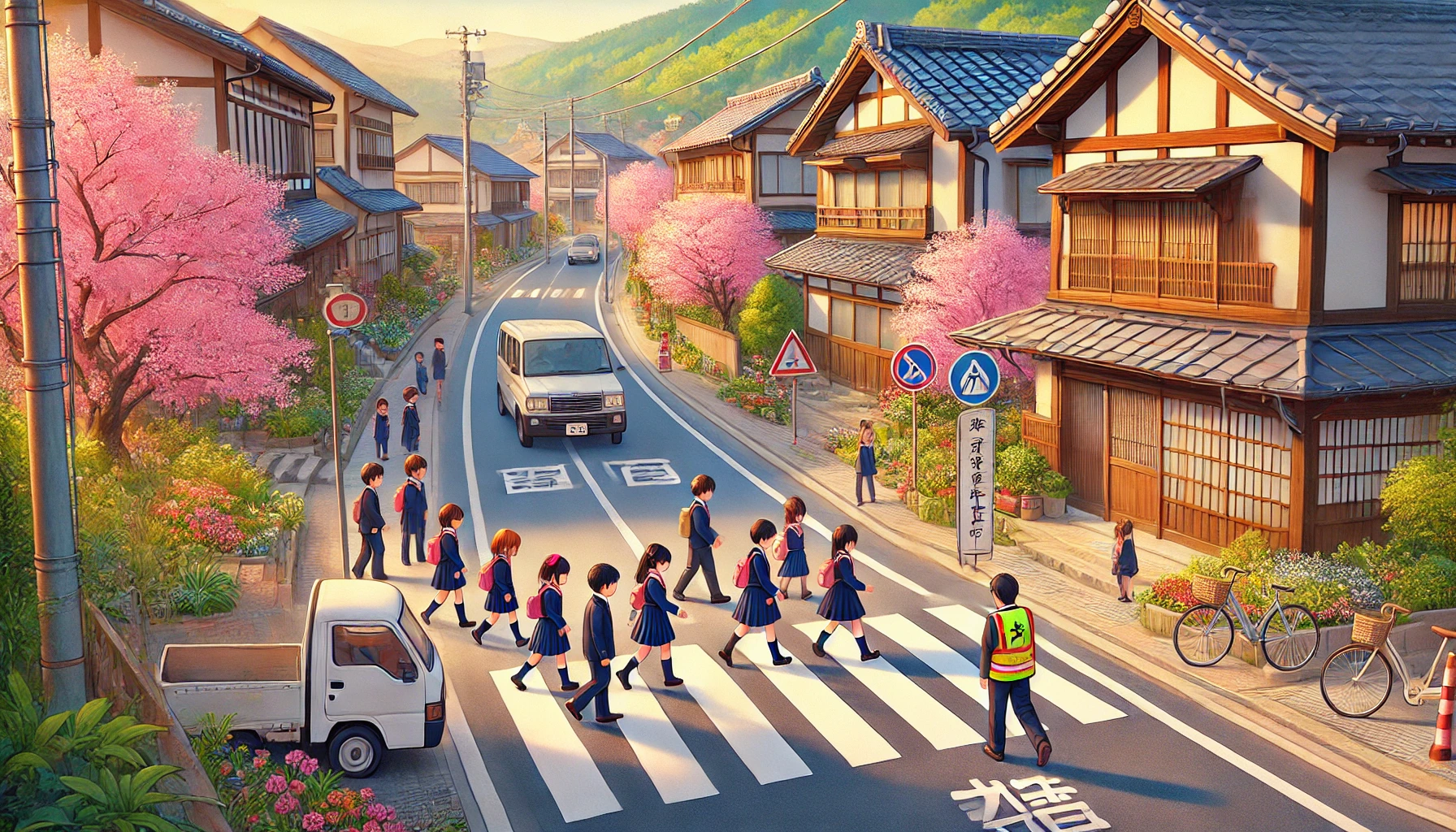
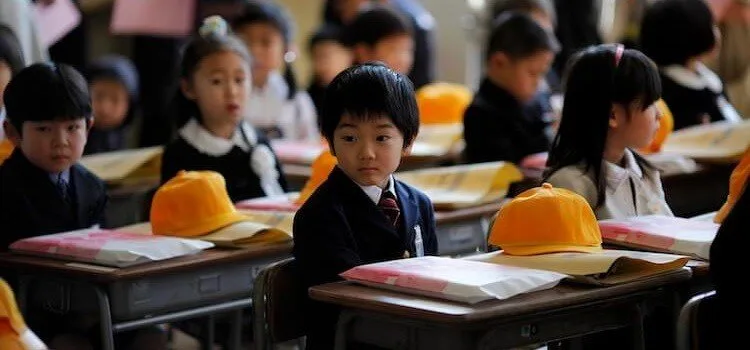
Japan is often cited as one of the safest countries in the world, with very low crime rates for offenses such as murder, theft, and rape. This highly trustworthy social environment contributes to a unique practice: children from the age of 6 go to and from school alone. This tradition is possible thanks to a combination of a culture of responsibility, safety, and deeply rooted community values.
Although the country is not without problems, trust in education and social structures makes this practice widely accepted. But why do the Japanese encourage this independence from an early age? And what are the impacts of this on children and society? Let's explore these questions.
Contents 7
Why do Japanese children go to school alone?
In addition to the safety that Japan offers, there is an important cultural reason behind this practice: preparing children to be independent from an early age. Japanese education values autonomy and personal responsibility as tools to form resilient and collaborative citizens.
The role of parents and the community
Japanese parents prepare their children to deal with everyday challenges. From a young age, they are taught to follow traffic rules, handle unexpected situations, and ask for help from strangers, trusting in the sense of community that characterizes Japanese society.
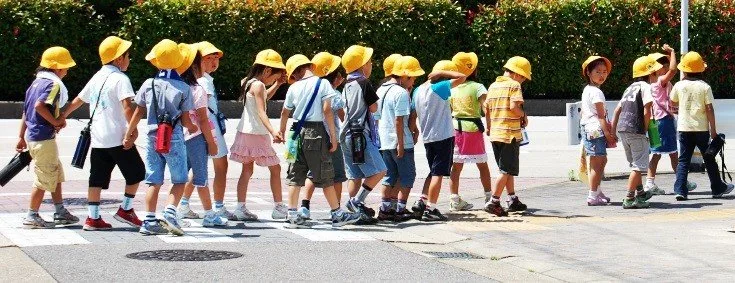
Moreover, children are not completely alone. They walk in small groups of up to eight classmates, which helps ensure greater safety and promotes collaboration among them. In busier areas, adult volunteers assist at crossings, helping children cross the streets safely.
Practical education at school
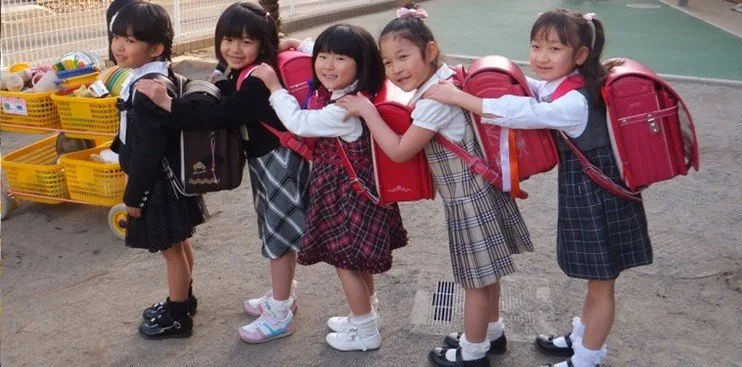
This independence is also reinforced within the school. Students learn not only traditional subjects but also practical skills, such as cooking, sewing, and performing household chores. They are also responsible for the cleaning of the school, sharing tasks such as sweeping classrooms, cleaning bathrooms, and taking care of gardens and small animal enclosures. This system reinforces the sense of responsibility and respect for shared spaces.
Benefits for society and the country
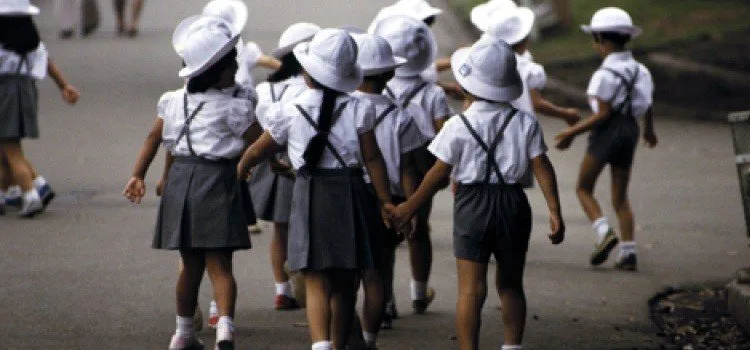
The impacts of this practice go far beyond the development of children. Childhood independence in Japan brings tangible benefits to society as a whole.
Reduction of traffic and improvement in urban mobility
While in many countries parents drive their children to school, causing congestion during peak hours, in Japan, children's walking helps alleviate traffic. This is especially relevant in densely populated cities like Tokyo, where urban infrastructure already faces challenges related to vehicle flow.
Additionally, many children use public transportation to get to school, which ensures a constant flow of users for the subway and bus systems. This frequent use helps finance ongoing improvements in public transport, benefiting the entire population.
Personal development of children
From an early age, children learn to navigate the streets, respect traffic signals, and handle unexpected situations. This experience not only makes them more confident but also contributes to forming resilient adults who are aware of their duties to society.
The practice also strengthens the sense of community, as both children and adults play important roles in ensuring safety and collective well-being.
The risks involved
Despite the benefits, it is important to recognize that this practice is not without risks. Although rare, some dangers may arise:
- Stalkers: People who stalk children or other individuals, known as "stalkers," represent a potential risk. Such cases are rare in Japan but concern parents and authorities.
- Lolicon and child exploitation: The Japanese culture faces debates about the normalization of certain behaviors in anime and manga that may have negative implications. Although this is not directly related to the practice of walking alone, it is a concern for parents and educators.
- Accidents and disorientation: Children may get lost or have minor accidents during the journey. Fortunately, the sense of community in Japan ensures that any nearby adult is willing to help.
Even with these challenges, the social structure, trust among citizens, and solid education ensure that the practice remains a distinctive feature of Japanese culture.




Community
Comments
0 comments
There are no published comments in this language yet.
Send comment