
Chuunibyou is a Japanese slang term for the stage when someone tries too hard to look exceptional, mysterious or “chosen,” usually by borrowing the language of fantasy, anime and secret powers. In English fandom, it is often translated as eighth-grader syndrome, but the idea is broader than a joke about age: it describes a very visible mix of insecurity, performance and adolescent imagination.
That is why the term shows up so often in anime conversations. A chuunibyou character is not simply eccentric or geeky. They may give themselves dramatic titles, speak as if an invisible organization is watching them, or treat an eyepatch, bandage or coded phrase as proof that they are living inside a grand story.
If you already know terms like otaku, weeaboo and hikikomori, it helps to separate them here. Chuunibyou is not a fandom label and not a social condition on its own. It is a way of acting, speaking and imagining yourself that people in Japan immediately recognize.

Contents 11
What does chuunibyou mean in Japanese?
The word comes from chūgaku ni-nen (middle school second year) plus byō (illness or syndrome). Taken literally, it means “middle school second-year syndrome,” which is why many English-speaking fans shorten it to “eighth-grader syndrome.”
Even so, the expression is not a medical diagnosis. It is slang for behavior that feels theatrical, self-mythologizing and a little embarrassing once someone gets older. The image behind the word is simple: a teenager wants to feel different from everybody else, so ordinary life starts sounding too small and fantasy language takes over.
Where the term came from
The expression became widely known after Japanese radio personality Hikaru Ijūin used it in 1999. In the 2000s, the label spread through pop culture and fan communities because it captured a familiar kind of adolescent performance: acting as if you have hidden knowledge, a sealed power, a cursed eye or a personal destiny that nobody else can understand.
That cultural context matters. Chuunibyou is tied to the language of manga, anime, games and school life in Japan, so the behavior often borrows grand names, dramatic poses and fantasy logic instead of appearing as simple shyness or immaturity.
Common signs of chuunibyou
Not every teenager who daydreams fits the label. Chuunibyou usually becomes noticeable when imagination turns into a public performance. Typical examples include:
- claiming to have a secret power, cursed arm or supernatural eye;
- using bandages, eyepatches or props as part of that invented persona;
- speaking in exaggerated, solemn or coded language;
- insisting that mainstream tastes are beneath you just to look more unique;
- creating dramatic aliases, factions or rivalries that exist mostly in your head.
What makes this behavior memorable is not just fantasy. It is the need to be seen as special, deeper or more dangerous than you really are. That is why many people remember their own chuunibyou phase with affection and embarrassment at the same time.
Three recurring patterns people talk about
Writers and fans often divide chuunibyou into a few recognizable styles. The exact borders vary, but these three patterns appear again and again:
DQN style
This version imitates delinquents, danger or rebellion. The person talks as if they are tougher, rougher or more experienced than they really are, even when the performance falls apart under basic questions.
Subculture style
Here the goal is distinction through taste. Someone rejects anything popular, praises obscure bands or imported media, and treats niche preferences as proof of superior depth rather than simple curiosity.
Evil eye style
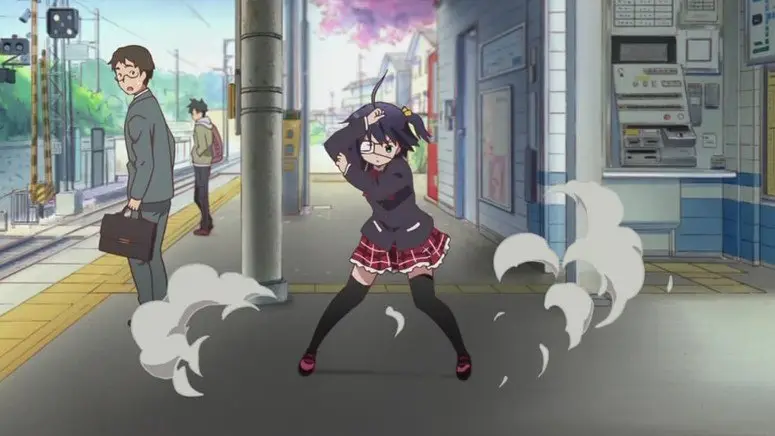
This is the version anime fans know best: sealed powers, cursed eyes, alternate names, invisible enemies and long speeches about destiny. It is the most theatrical form, which is exactly why it became the face of chuunibyou in pop culture.
Is chuunibyou a real mental illness?
No. Modern studies on the subject treat chuunibyou as a transient pattern linked to puberty, self-consciousness and the desire for recognition, not as a disease listed in major psychiatric classifications. Some people can struggle socially because of it, especially when ridicule, isolation or communication problems get mixed in, but the term itself is still cultural slang rather than a clinical diagnosis.
That distinction is important because the joke can become cruel very quickly. Calling someone chuunibyou is often a way of pointing out behavior that looks inflated or embarrassing, yet the better reading is usually that the person is experimenting with identity, performance and belonging.
Why anime uses chuunibyou so well
Anime turns chuunibyou into strong character writing because it makes inner conflict visible. Instead of quietly feeling awkward, a character performs that awkwardness through invented lore, dramatic lines and exaggerated confidence. It is funny on the surface, but it also says a lot about loneliness, self-image and the fear of being ordinary.
Rikka Takanashi and Yuuta from Love, Chunibyo & Other Delusions! are the best-known examples, but the same energy appears in characters like Kaidou Shun from The Disastrous Life of Saiki K. and even in explosive personalities such as Megumin from KonoSuba, who turns theatrical naming and dramatic poses into part of her charm.
Video: what chuunibyou looks like in practice
If you want to hear the term explained with examples from spoken Japanese and anime culture, this short video is a good companion to the article:
Why the word still resonates
Chuunibyou remains popular because almost everyone understands the impulse behind it. Adolescence is full of moments when being ordinary feels unbearable, and this term gives that discomfort a memorable shape. It can be funny, awkward, creative and painfully sincere all at once.
That mix is exactly why the word survived long after the school years it refers to. It is not just a joke about teenagers. It is a compact way to describe the moment when imagination becomes armor and identity turns into theater.





Community
Comments
0 comments
There are no published comments in this language yet.
Send comment