

Many wish to get a tattoo in Japanese or Chinese, but have no idea which ideogram to use or what their meanings are. For this, we made a list of the main ideograms used in tattoos for you to get inspired.
It is important to remember that tattoos in Japanese can have a deep and culturally significant meaning, so it is important to do thorough research before choosing a word or symbol to tattoo. Additionally, it is important to find a reliable and experienced tattoo artist to ensure that the tattoo is correct and well done.
We recommend reading:
- Tattoo and Yakuza
- Tattoo in Japanese – What does Japan think about tattoos?
- How do Japanese women view tattoos and piercings?
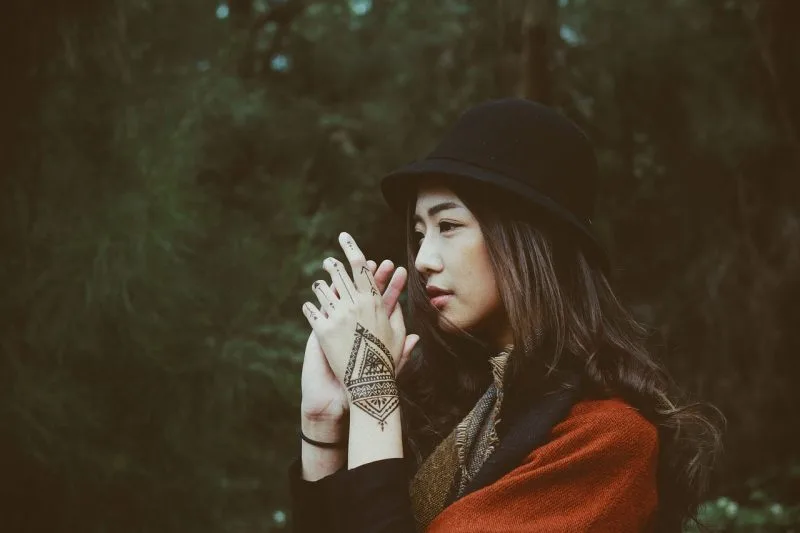
List of Japanese words for tattoos
Here we share a list of Japanese words with their meanings and their ideograms to be tattooed. You should search with CTRL + F to find what you want.
We also recommend placing the ideogram in an image editing app and setting it to the desired font and size, so you can present the photo to the tattoo artist, since we share text and not images in this article.
The list below may include, in addition to ideograms, some Japanese words written in katakana and hiragana.
- 家族 (kazoku) - Family
- 友情 (yuujou) - Friendship
- 力 (chikara) - Strength
- 平和 (heiwa) - Peace
- 調和 (chouwa) - Harmony
- 自由 (jiyuu) - Freedom
- 幸福 (koufuku) - Happiness
- 勇気 (yuuki) - Courage
- 正直 (shoujiki) - Honesty
- 忠誠 (chuusei) - Loyalty
- 希望 (kibou) - Hope
- 喜び (yorokobi) - Joy
- 愛 (ai) - Love
- 幸運 (kouun) - Luck
- 尊敬 (sonkei) - Respect
- 知恵 (chie) - Wisdom
- 真実 (shinjitsu) - Truth
- 鼓舞 (kobu) - Inspiration
- 信仰 (shinkou) - Faith
- 仁慈 (niji) - Benevolence
- 感謝 (kansha) - Gratitude
- 許し (yurushi) - Forgiveness
- 善 (zen) - Goodness
- 慈悲 (jihi) - Compassion
- 内力 (nairiki) - Inner strength
- 決心 (kesshin) - Determination
- 成功 (seikou) - Success
- 楽観 (rakkan) - Optimism
- 忍耐 (nintai) - Patience
- 長寿 (chouju) - Longevity
- 永遠の幸福 (eien no koufuku) - Eternal happiness
- 永遠 (eien) - Eternity
- 不死 (fushi) - Immortality
- 守り (mamori) - Protection
- 成長 (seichou) - Growth
- 変化 (henka) - Transformation
- 再生 (saisei) - Rebirth
- 変わり (kawari) - Change
- 進化 (shinka) - Evolution
- 発展 (hatten) - Development
- 目的 (mokuteki) - Purpose
- 目標 (mokuhyou) - Goal
- 使命 (shimei) - Mission
- ビジョン (bijon) - Vision
- 人生の目的 (jinsei no mokuteki) - Life purpose
- 光 (hikari) - Light
- 鏡 (kagami) - Mirror
- 反省 (hansei) - Reflection
- 自己発見 (jiko hakken) - Self-discovery
- 漢字 (kanji) - Japanese writing system with Chinese ideograms
- 侍 (samurai) - Noble warriors of feudal Japan
- 鯉 (koi) - Fish popular in Japan
- 虎 (tora) - Tiger, symbol of strength
- 鬼 (oni) - Demons or evil spirits
- 陰陽 (yin yang) - Balance of opposing forces
- 桜 (sakura) - Cherry blossom, symbol of beauty
- 般若 (hanya) - Buddhist symbol of wisdom
- 心 (kokoro) - Heart or spirit
- ナマステ (namaste) - Indian greeting
- ありがとう (arigato) - Thank you
- 愛してる (aishiteru) - I love you


Community
Comments
0 comments
There are no published comments in this language yet.
Send comment