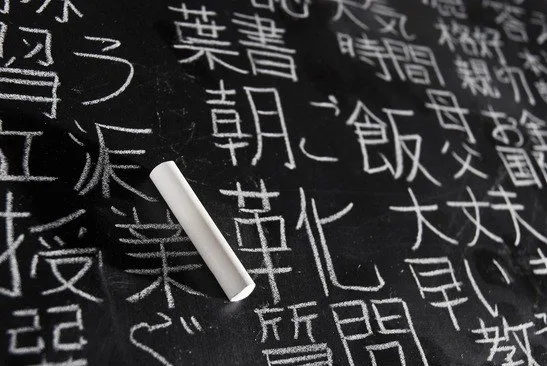
How many kanji do Japanese people need to know to read, write, and function in their own language? One of the biggest concerns — and headaches — of learning Japanese is the Chinese characters the language uses: kanji.
The short answer people usually want is a school list: a few thousand common characters, not “every kanji ever printed.” The longer answer is more interesting, because literacy in Japan is not a single score on a wall.
Contents3
How many kanji are there?
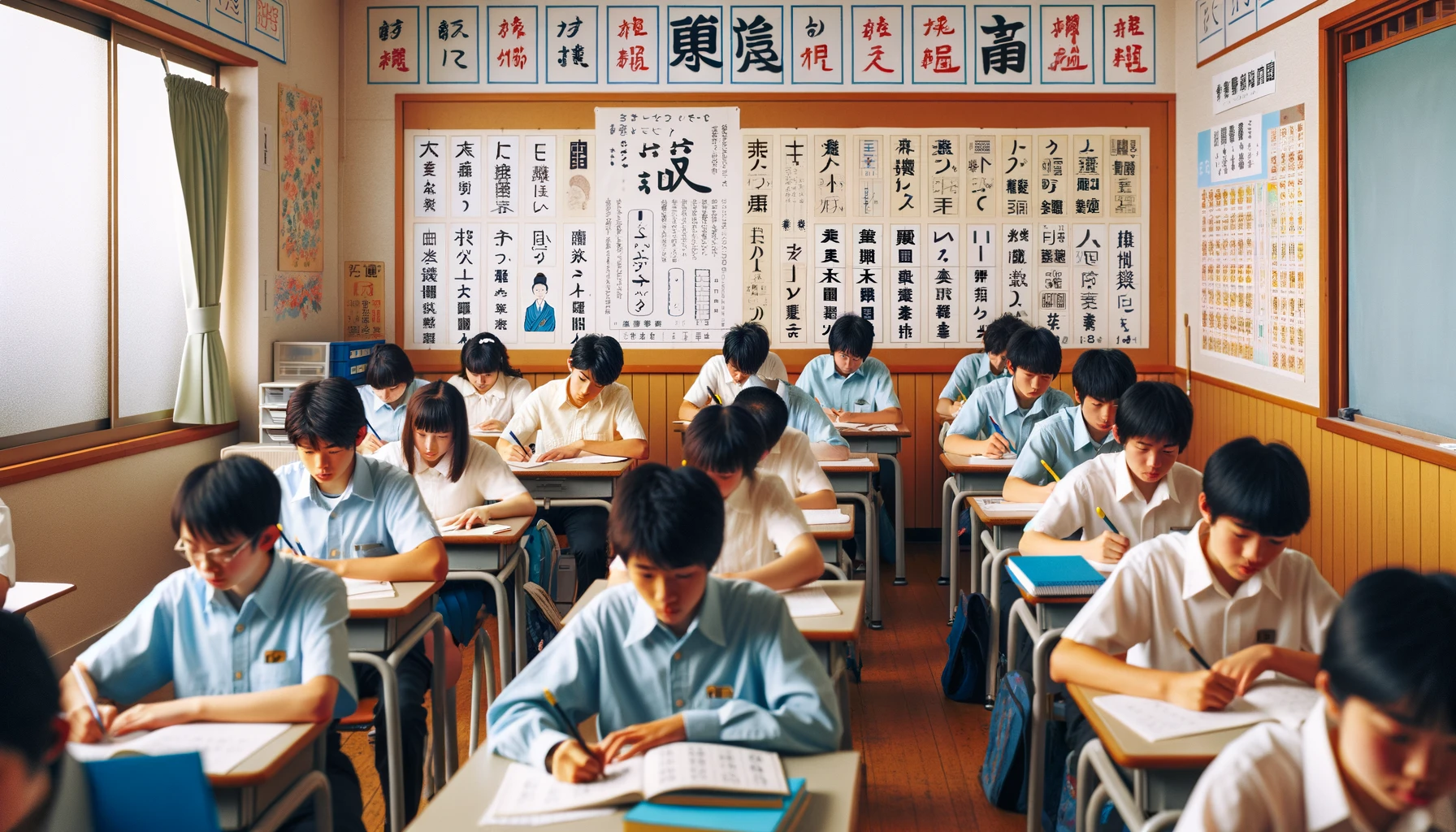
Japanese elementary students work through the kyōiku kanji (教育漢字), the education list taught from first through sixth grade. That list currently has 1,026 characters (it sat at 1,006 for years; twenty characters used in prefecture names were added in 2017). It is a subset of a larger national list used as the baseline for everyday written Japanese.
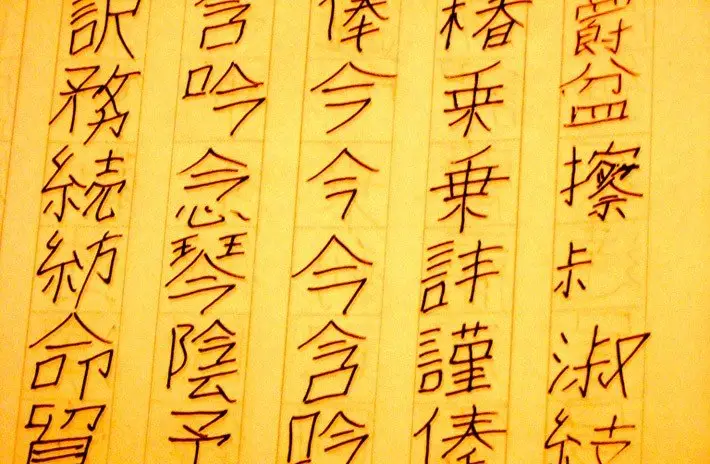
That larger list is the jōyō kanji (常用漢字) — literally “regular-use kanji.” Since the 2010 cabinet notice, the jōyō table holds 2,136 characters. Japanese schooling aims for this set by the end of secondary education: roughly the 1,026 elementary characters plus about 1,110 more in later grades. Students learn through repetition, reading, and writing practice over many years — not overnight.
Dictionaries and historical collections list far more than that. Estimates often talk about several thousand kanji that can appear in Japanese texts, and specialist corpora go much higher. Over time, rare forms drop out of daily life, get written in hiragana, or show up mainly as proper names or technical jargon. For practical reading — newspapers, signs, websites, ordinary books — knowing the jōyō range is the real target. Around 2,000 characters is already a strong baseline for adult literacy.
What Japanese students actually learn
It helps to separate “characters that exist” from “characters the school system expects.”
Elementary school: kyōiku kanji — 1,026 characters across six grades.
Through secondary school: the full jōyō set — 2,136 characters as the literacy baseline for general society and official writing.
Beyond jōyō: names, literary classics, academic fields, and older spellings still introduce extra characters, often with furigana (reading aids) when the writer expects trouble.
The jōyō list is not a complete inventory of every character a Japanese person might ever see. It is a practical ceiling for government documents and a shared floor for education. That nuance matters when someone asks “how many kanji must Japanese people know?” — the school answer and the life answer are related, but not identical.
Do the Japanese know all the kanji?
Even jōyō is not permanently locked in every adult’s active memory. Characters that barely appear in daily life fade. Profession also changes the map:
Someone in a factory or a job with little writing may recognize far more than they can write freely from memory.
A biologist, doctor, lawyer, or engineer may hold a denser set of technical characters for their field.
People in education, literature, or the humanities tend to keep rarer forms alive simply because they keep meeting them.
In newspapers and careful books, uncommon characters often carry furigana so readers are not stranded. A well-read adult may handle roughly 3,000 characters in passive reading; specialists who live inside classical texts or dense academic writing can go higher. Numbers like “5,000” get tossed around for highly educated readers in certain fields, but they are rough ceilings, not a daily checklist every Japanese person walks around with.
For learners, obsessing over the grand total is usually the wrong game. Focus on words in real sentences. When an unknown character appears, radicals (bushu) help you break the shape, guess a reading, and look it up faster. Methods such as Remembering the Kanji (RTK) exist for building a memory system; curiosity about why Japanese keeps kanji at all or even writing your own name in characters can keep the work human instead of purely numeric.
The useful target is clear: treat the 2,136 jōyō kanji as the literacy baseline Japan expects from school, know that adults vary by habit and job, and stop counting every obscure character as if literacy were a stamp collection.
Kevin Henrique has written about the Japanese language, culture, anime, games, and travel since founding Suki Desu in 2014. He first visited Japan in 2016.
Community
Comments
0 comments
There are no published comments in this language yet.

 In newspapers and careful books, uncommon characters often carry furigana so readers are not stranded. A well-read adult may handle roughly 3,000 characters in passive reading; specialists who live inside classical texts or dense academic writing can go higher. Numbers like “5,000” get tossed around for highly educated readers in certain fields, but they are rough ceilings, not a daily checklist every Japanese person walks around with.
For learners, obsessing over the grand total is usually the wrong game. Focus on words in real sentences. When an unknown character appears, radicals (bushu) help you break the shape, guess a reading, and look it up faster. Methods such as Remembering the Kanji (RTK) exist for building a memory system; curiosity about why Japanese keeps kanji at all or even writing your own name in characters can keep the work human instead of purely numeric.
The useful target is clear: treat the 2,136 jōyō kanji as the literacy baseline Japan expects from school, know that adults vary by habit and job, and stop counting every obscure character as if literacy were a stamp collection.
In newspapers and careful books, uncommon characters often carry furigana so readers are not stranded. A well-read adult may handle roughly 3,000 characters in passive reading; specialists who live inside classical texts or dense academic writing can go higher. Numbers like “5,000” get tossed around for highly educated readers in certain fields, but they are rough ceilings, not a daily checklist every Japanese person walks around with.
For learners, obsessing over the grand total is usually the wrong game. Focus on words in real sentences. When an unknown character appears, radicals (bushu) help you break the shape, guess a reading, and look it up faster. Methods such as Remembering the Kanji (RTK) exist for building a memory system; curiosity about why Japanese keeps kanji at all or even writing your own name in characters can keep the work human instead of purely numeric.
The useful target is clear: treat the 2,136 jōyō kanji as the literacy baseline Japan expects from school, know that adults vary by habit and job, and stop counting every obscure character as if literacy were a stamp collection.

Community
Comments
0 comments
There are no published comments in this language yet.
Send comment