
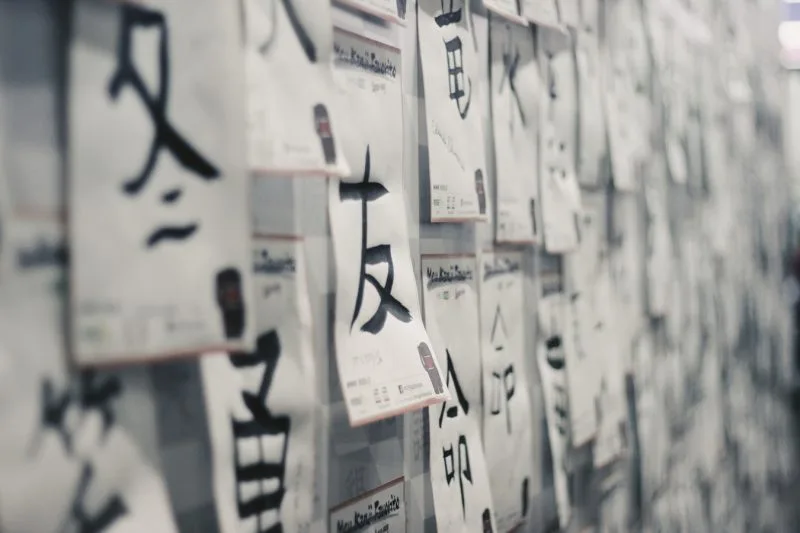
Does kanji scare you? Of course it does. There is no denying it: learning Japanese without getting past this obstacle can feel impossible at first. There are thousands of ideograms, each with its own nuances and readings, so many people freeze before they even know where to begin.
That is exactly why the Japanese Ministry of Education created the famous list of Jōyō Kanji (常用漢字). Have you heard of it? If not, pay attention: this list can change everything for anyone who wants to learn Japanese in a more strategic way instead of getting lost in the chaos of thousands of characters.
And the best part? Even before you reach the end of the list, you will already be able to read a lot more of newspapers, magazines, and street signs in Japan. Sounds impossible? It is not.
Contents 6
What is Jōyō Kanji?
The term Jōyō Kanji literally means "common-use kanji." It is an official set of ideograms that forms the basis of reading and writing in Japanese society. The list appeared in 1946 as an attempt by the government to standardize written language after World War II and reduce the huge number of ideograms in circulation at the time.
But the list did not stay frozen. Since its creation, it has been updated several times, until the current version was formalized in 1981 and revised again in 2010, when 196 kanji were added and five were removed. Today, there are 2,136 characters considered essential for anyone who wants to read and write Japanese with confidence.
Here is an interesting fact: once you master roughly 1,000 to 1,200 of these kanji, you will already understand most of the everyday informative content you see in Japanese.
Why is Jōyō Kanji so important?
It may sound obvious, but it is worth saying clearly: learning Japanese without kanji is like trying to read a book with your eyes closed. The Jōyō Kanji list gives you a reliable map in that huge sea of characters.
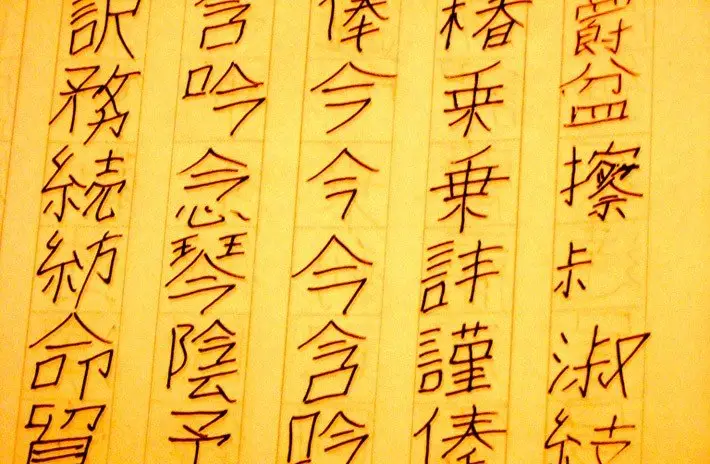
First, it limits the number of characters to a manageable set, so you do not get lost trying to memorize thousands of rare or unnecessary ideograms. After all, you do not need to know all more than 50,000 kanji recorded throughout history just to read a newspaper in Japan.
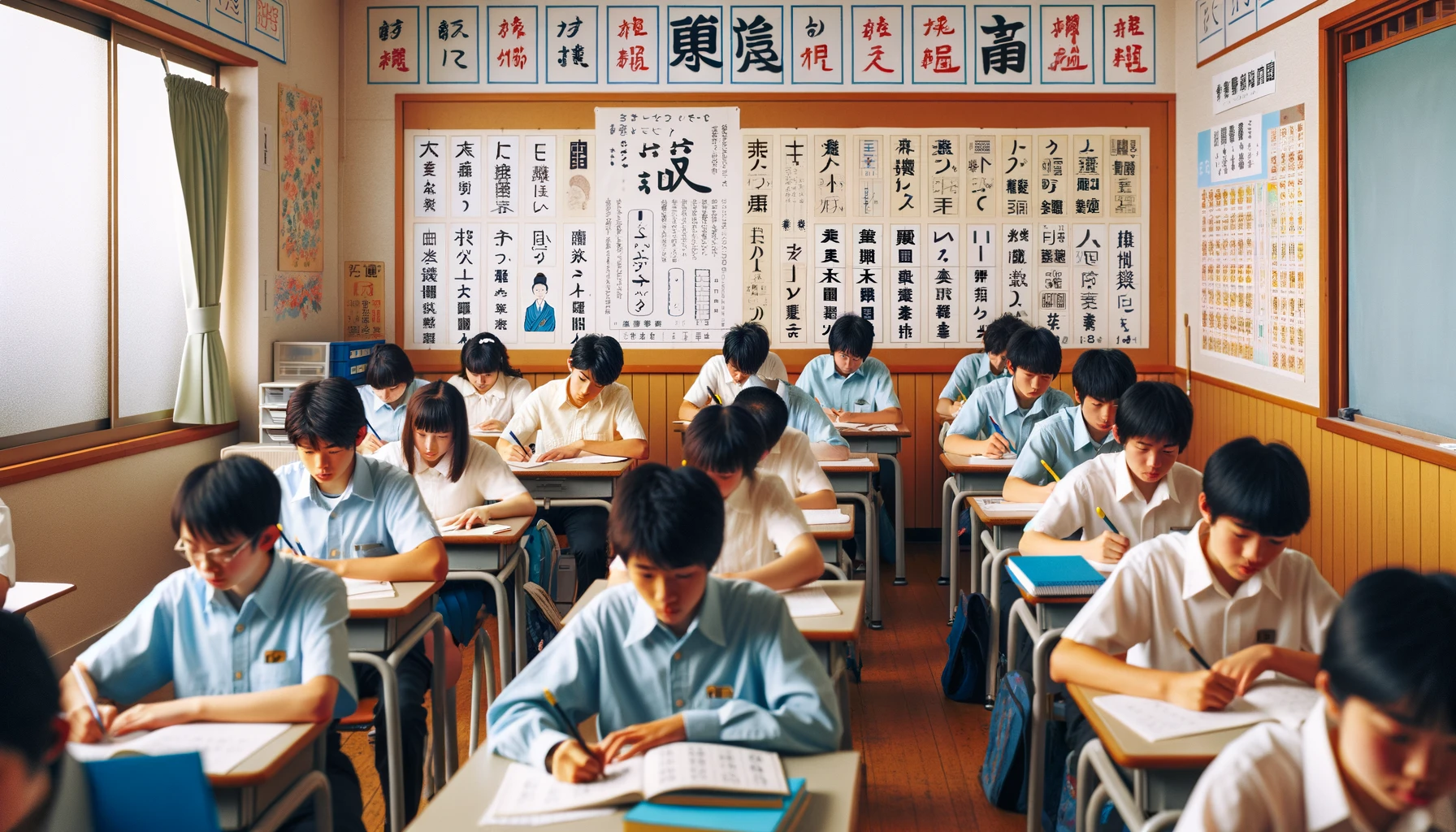
It also defines the kanji taught in Japanese schools, from elementary school through the end of high school. In other words, Japanese education itself follows this order.
Are you wondering if you need to follow the same sequence? Not necessarily. But understanding how native speakers learn can be a very efficient shortcut.
Finally, Jōyō Kanji is essential for anyone planning to take the JLPT (Japanese Language Proficiency Test). The test expects progressive mastery of kanji by level, so skipping the list makes preparation harder than it needs to be.

How do you study Jōyō Kanji without going crazy?
Here is where many people get stuck: studying kanji is not about memorizing endless lists. At least, not if you want to actually learn them.
The first thing you should know is that kanji are not isolated units. The same ideogram can have multiple readings depending on the word and the context. For example, the kanji 生 can be read as sei, shō, nama, or ikiru. If you try to memorize the character alone, without context, you will probably get confused or give up.
So how should you approach it? Smartly:
- Learn kanji inside words and phrases: this helps you understand not only the meaning, but also the real use.
- Focus first on the most common readings: the famous Pareto principle applies here. A small number of readings covers most uses.
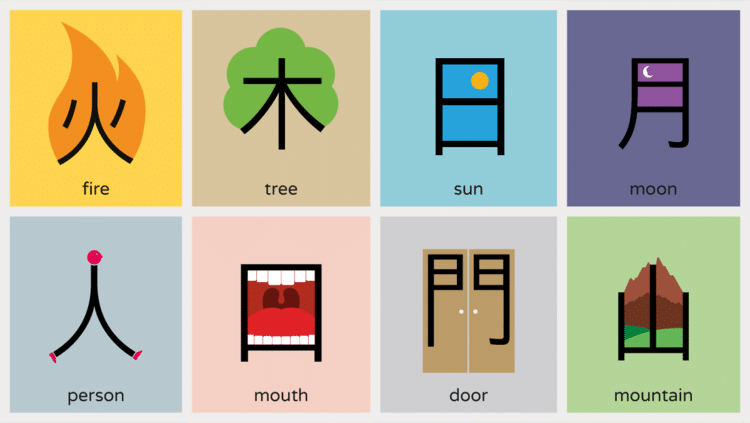
- Use visual resources: flashcards, recognition apps, and native texts with furigana are essential allies.
And what if there is no furigana? Then you have to rely on context and practice. That is why active study matters so much.
Practical tips to master Jōyō Kanji
No one said it would be easy, but it does not have to be a nightmare. Here are some practical strategies:
- Study frequently, not intensely: the brain absorbs better through spaced repetition than through occasional marathons.
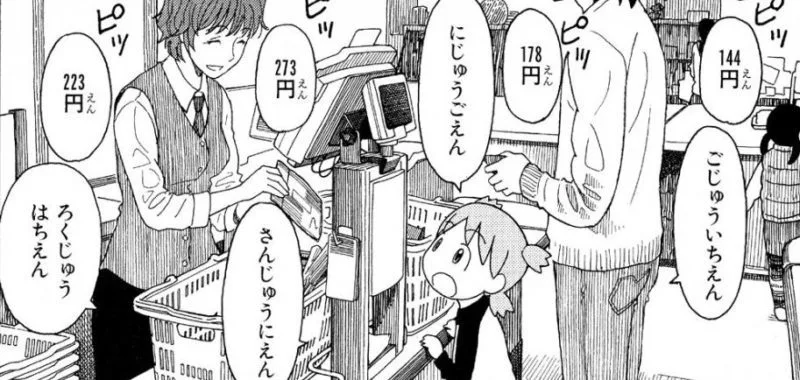
- Use authentic materials: manga, newspapers, music, and even street signs help a lot.
- Follow stroke order: this helps with both memorization and proper writing.
- Do not skip Hiragana and Katakana: they are the foundation of everything. Without them, you will not get far.
A curious fact: many Japanese people also forget how to handwrite some kanji after getting used to digital input. That shows this challenge is not yours alone.
Jōyō Kanji and your fluency in Japanese
Imagine that you want to travel to Japan or work with Japanese companies. Without Jōyō Kanji, reading contracts, signs, or even menus becomes much harder.
And if you want to enjoy Japanese culture in the original form - reading manga, watching anime without subtitles, or understanding song lyrics - you need this repertoire. Not all at once, of course, but little by little the learning starts to settle in.
And if your goal is to live in Japan, mastering Jōyō Kanji will be just as necessary as knowing how to order food or get around.
So do not waste time: start today.
Conclusion: mastering Jōyō Kanji is your bridge to real Japanese reading
Instead of drowning in thousands of characters without direction, you can use the Jōyō Kanji list as a safe guide. It is not a burden, but a strategic tool that speeds up your learning, opens cultural doors, and gives you more confidence.
So, will you keep thinking kanji are impossible, or will you take the first step now?
If you want, you can download the complete table of the 2,136 Jōyō Kanji in official order. It is a useful reference if you want to study systematically.
Do not be afraid of kanji: either you master them, or they start shaping your whole study routine.



Community
Comments
0 comments
There are no published comments in this language yet.
Send comment