
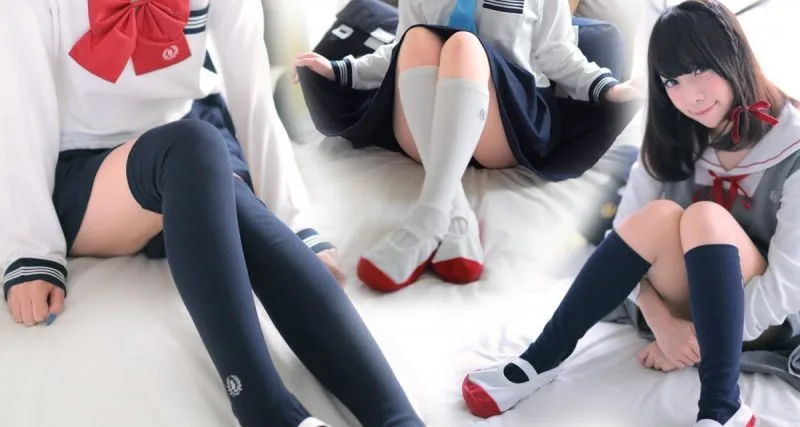
It may seem strange, but there is a Japanese word called Zettai Ryouiki [絶対領域] used to refer to the bare skin that appears between a miniskirt and over-knee socks or other clothing combinations.
The translation of the word Zettai Ryouiki is Absolute Territory: zettai [絶対] means absolute, and ryouiki [領域] means area, domain or territory. Why do the Japanese consider this area absolute?
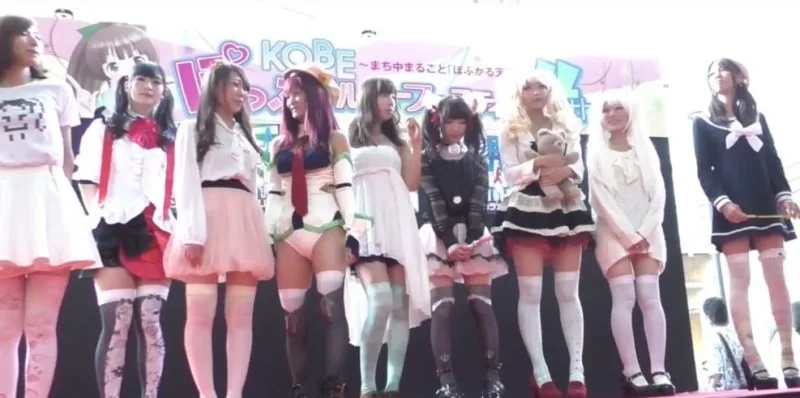
As always, it all started in anime and manga, where this combination of words became otaku slang to describe kawaii and moe characters from Japanese works. Nowadays this term is recognized by the population of Japan as a fashion style.
Contents 4
How does Zettai Ryouiki fashion work?
There are 5 levels that define Zettai Ryouiki; everything depends on the length of the stockings and the skirt. The image below shows how this classification works:
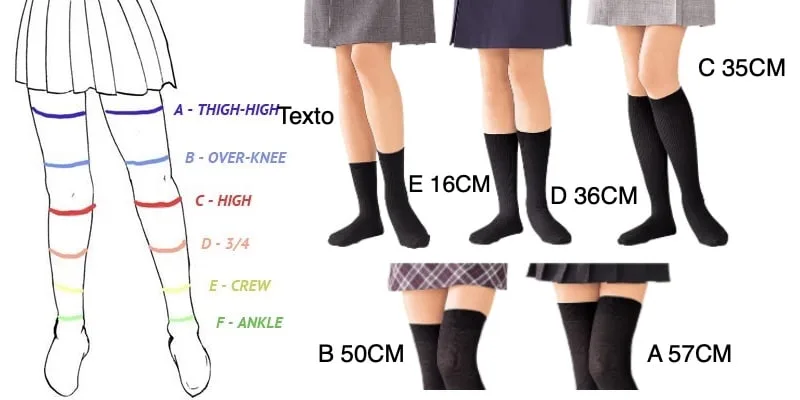
The ideal ratio between the miniskirt, the exposed thigh and the over-knee part of the sock is 4:1:2.5, with a tolerance of 25%. The grades range from "E", which shows more leg, to "A", which shows less. Some fans add an S grade on top of A, which also requires a twintails hairstyle and a tsundere personality.
In Japanese culture, the Zettai Ryouiki trend relates to many other popular fashion trends such as Lolita, Gyaru, Decora, Fairy Kei and Harajuku street fashion.
These trends are characterized by an exaggerated and colorful style, and are often associated with anime and manga characters.
How did the term Zettai Ryouiki come about?
The origin of Zettai Ryouiki goes back to the 1990s, but the term became a fashion trend later. The word comes from the anime Evangelion.
In Neon Genesis Evangelion, the expression Zettai Kyoufu Ryouiki [絶対恐怖領域] stands for the A.T. Field, a protective energy shield described as a sacred area where no one can intrude.
That expression from the anime is considered the source of the term Zettai Ryouiki, which later became associated with thighs. The first recorded use dates from March 21, 2001: in a blog entry, the author MIY praised the gap between the miniskirt and the knee socks of Mayura, a desktop mascot from the Ukagaka program.
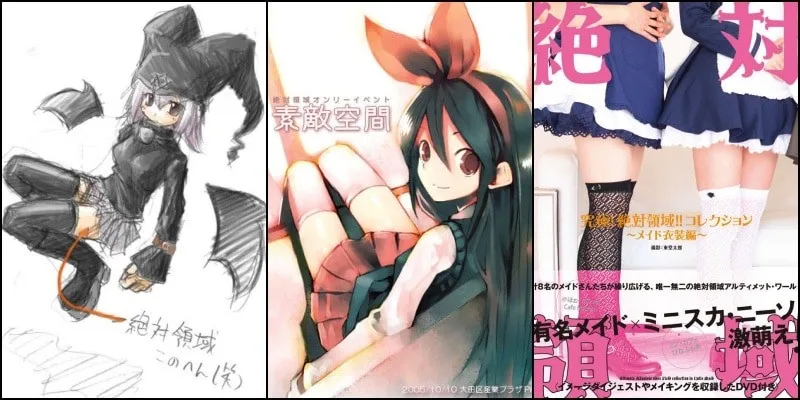
The term spread over the following years as a common way to refer to this area of the body. It began as otaku slang, but it is also used by girls and outside the scene; today it even appears in the Daijisen, a standard Japanese dictionary.
In the past, the word was used only to refer to the combination of miniskirts and long socks. Nowadays the term has become popular for thighs and other combinations, such as thigh-high boots, hotpants or school swimsuits.
Curiosities involving Zettai Ryouiki
In September 2009, the Japanese portal Goo published an online survey with 1,026 men about their preferences, and Zettai Ryouiki landed among the top places. Advertising agencies have also used the style in campaigns since then.
November 28 became known as Good Knee-High Socks Day, a special date for those who appreciate the fashion. Although it is not an official holiday, internet users have filled social media with knee-high photos and illustrations on that date since 2013.
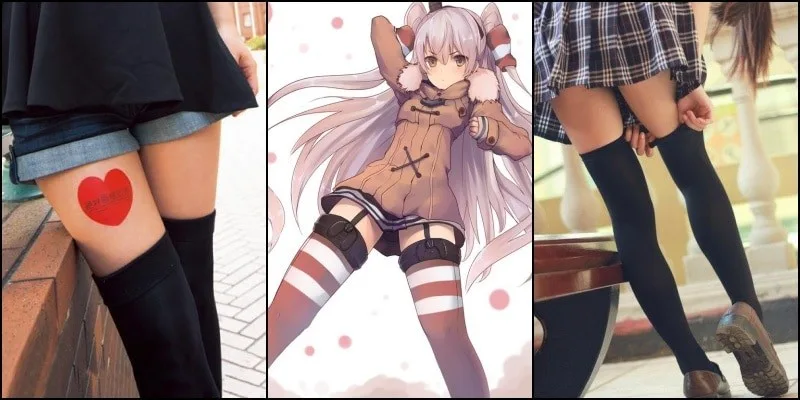
On the internet, there are thousands of fan arts showing the application of this Japanese fashion and the exposure of the absolute area. Some companies have even gone so far as to pay women to wear temporary tattoos on their thighs to advertise in the absolute area; the campaign by the WIT agency made international headlines in 2012 and 2013.
If you found this term a bit heavy, the Japanese have also created another term for glimpses of women's underwear: panchira.
What do people think about Zettai Ryouiki?
The trend may seem a bit sensual, but it is often associated with innocence and purity. Even so, the exposure of thighs creates discussions about sexual harassment.
The display of legs in this way can be seen as a way to sexualize female characters or young Japanese women, turning them into objects of desire for a male audience.
Similar trends such as knee-high socks and thigh-high boots also exist in the West.
Zettai Ryouiki is adopted by young people outside the otaku world, and some people see it as a way to show confidence and self-esteem, or even as a form of female empowerment.
Even some members of the otaku community consider this term offensive, while others treat it as harmless, and many girls still adopt it. Zettai Ryouiki is at once an anime reference, a fashion style and a subject of debate about how the female body is shown and discussed.







Community
Comments
0 comments
There are no published comments in this language yet.
Send comment