Have you ever wondered what the first Japanese animation of all time is? What is the oldest anime? What is the first colored anime? What is the first OVA? What is the first anime of each genre?
Some believe that the title of the oldest anime goes to “Astro Boy” by Osamu Tezuka, which first aired in Japan in 1963. But is that true?
In fact, Astro Boy was a driving force behind anime and manga in its early success, but the first Japanese animation is much older and dates back to before World War I.
What is the oldest anime of all?
According to Natsuki Matsumoto, the first animated film produced in Japan may have originated in 1907. The film is called Katsudō Shashin (Activity Photo) which shows a boy writing on a blackboard; it was first discovered in 2005.
The first Japanese animated films were presented in 1917 and 1918, but they are unknown, and some of them were found only 90 years later in an antique shop in Osaka.
The oldest anime is a film called Namakura Katana (A Dull Sword). It is a comedy that tells the story of a samurai warrior who buys a dull sword and, when trying to test it on people, gets beaten up.
Another film released in 1918 was Utrashima Tarou, a famous story from Japanese folklore about a fisherman invited to a submarine castle after saving a sea turtle on a beach.
Astro Boy is often credited as the first anime to be exported to the West, although this is a somewhat controversial claim.
Another contender for the title of oldest anime is Toei Animation’s 1965, Sally, the Witch. This show was the first anime series to be directed by a woman and is the oldest surviving anime series still in existence.
Another anime from the same era is “Speed Racer,” released in 1967. This anime follows the adventures of a young race car driver, Speed Racer, who competes in races around the world to become the best race driver. This anime was also revolutionary for its time, as it featured a unique approach to character design and animation.
Although the oldest animes are short films, the first feature-length Japanese animated films were released in the 50s and 60s.
The first anime film released is Momotaro’s Divine Sea Warrior from 1945. It is a musical film with a runtime of 1 hour and 15 minutes. During World War II, the Japanese army commissioned films to showcase their achievements.
Others credit Hakujaden, released by Toei Animation in 1958, as the oldest anime film. In this feature-length film, we follow the adventures of a boy named Haku as he learns the martial art of ninjutsu and fights against a variety of monsters.
FAQ – The oldest of the animes
We have already answered about the anime film and the oldest anime, but what about other questions related to the first anime? Let’s answer some below: (Just click on the question to display the answer).
What is the first anime film with a confirmed release?
The oldest anime is Katsudo Shashin, but the first confirmed film is the “New Illustrated Book Bumpy – Failure of a Great Plan”, released in February 1917.
What is the first anime with sound?
The first anime film with sound is called “Chikara to on’na no yononaka” which can be translated as “Inside the World of Power and Women”.
What is the first anime that was entirely animated?
“The Dance of the Chagamas released in 1934.
What is the first colored anime?
Hakujaden also known as “The Tale of the White Serpent” released in 1958.
What is the first television anime series?
Instant History released on May 1, 1961.
First colored anime series?
The first colored anime series was Kimba, the White Lion released in 1965.
What is the first adult anime?
The first not-so-explicit film, but with adult content is One Thousand and One Nights from 1969. The first with an X rating was Cleopatra from 1970.
What is the first OVA and ONA released?
The first OVA was released on December 12, 1983 called “Dalllos”. The first ONA was released in 2000 called “Infinity Ryvius”.
What is the first late-night series?
Hermit’s Village released on September 4, 1963.
What is the first giant robot series?
Tetsujin 28-go released on October 20, 1963.
What is the first magical girl series?
Sally, the Witch released on December 5, 1966.
What is the first sports anime?
Star of the Giants released on March 30, 1968.
What is the first anime series to use stereo sound?
Lupin III released on September 3, 1979.
What is the first Isekai anime?
Aura Battler Dunbine released on February 5, 1983.
If you are taking a business trip or vacation, you should learn to speak English to feel comfortable and confident during the trip. If you don’t have a native English speaker with you on the trip, you should still learn to speak the local language.
Having a basic knowledge of the local language can enhance your travel experience. You will not only be able to communicate with the locals, but you will also be able to read signs, labels, and directions. It is also much easier to ask for help when you are lost.
Being lost in a foreign country can be a real nightmare. There are many things you can do to prevent this from happening. First, you should learn some basic phrases. These can be used in many situations.
Learning a new language can be a stressful process, but it doesn’t have to be. You can learn the basics with the help of a free language learning program like Duolingo among other popular apps, but we recommend that you look for an English course as soon as possible.
Learning a new language will also help you understand the culture. This is important because certain customs and traditions are associated with certain languages. This will also help you make new friends with people from other countries.
Practicing speaking English when traveling abroad can be an important skill. It can help you communicate with more people, which can open up new opportunities. You can also learn to use the language more effectively in the workplace. You can also expand your career options.
There are many free online courses that you can start from home, practicing and conversing in your own way, the important thing is to take the first step to start learning the new language.
Learning a new language can be fun. You can use technology, like YouTube, to practice speaking English. You can also listen to podcasts and recorded conversations, which will help you improve your pronunciation and vocabulary.
You can also practice by reading a book or watching movies. Reading allows you to focus on the words and gain a better understanding of them.
Practicing speaking with a friend can also be fun. You can use a chat program or a forum to talk with people from all over the world.
Book a complete organized tour
Taking a complete organized tour has many merits, but it also has its share of pitfalls. One of the most annoying aspects of traveling with a group is that you are not in control of your own destiny.
Fortunately, there are companies out there that will do all the hard work for you. There are also some companies that will provide an English-speaking guide to get you started.
It is a good idea to do your homework before you leave for your vacation. For example, if you plan to visit Australia, book your ticket early to avoid the dreaded Australian visa.
On the other hand, if you are going to take a heavy tour, it is a good idea to check out the local hotels before committing. Unless you are a history buff, you are likely to spend most of your vacation in the modern era, a time when napping all night in a very expensive hotel room is more acceptable than having your dinner stolen from you.
Identify new words
Identifying new words and phrases in your destination language will help you communicate more successfully. While it is not always possible to catch every word and phrase in a new language, it is possible to eliminate the good from the rest.
Some languages are quite formal, while others are more casual. Knowing what to say and when to say it will help you make the most of your travels.
Identifying new words and phrases will also help avoid making the mistake of being rude to other travelers. Keeping a notebook of words and phrases to jot down is a must, but if you are traveling to multiple cities, it can be a challenge to keep track of everything.
The best strategy is to create the habit of writing a list of words and phrases at the end of each day.
Learn from native speakers
If you are studying abroad or living abroad, learning from native speakers is a good way to improve your English skills. There are various ways to do this.
You can learn from TV, radio, books, or podcasts. It may also be a good idea to study a language through immersion. This type of learning makes the entire experience an opportunity to practice your new language skills.
There are several websites that provide resources for ESL students. These sites link reading and listening activities. They also include a list of podcasts for different languages.
You can also watch TV shows or movies with subtitles in your target language. You can also use popular songs and soap operas. If you are an advanced beginner, books in the native language can be a good choice.
How is Japanese reading done? Is it backwards? Is it read from back to front? What is the most common way to read Japanese? Vertically or horizontally? How is the Japanese language written? We will answer this and other questions in this article.
Many people believe that the Japanese language is written and read from back to front like Arabic. This idea arises due to manga and some traditional books, opened from back to front, but is it true?
Is Japanese read or written backwards? From back to front?
The answer to the question “Is Japanese read from back to front?” is a definitive no. Japanese is not read from back to front, and there are several reasons for this.
The writing of the Japanese language and its reading is done like in most Western languages, from left to right. It is not like Arabic where reading and writing is done backwards.
Many believe that Japanese is read from right to left due to manga, light novels, and other traditional books that are indeed read this way, but there is a reason and it does not mean they are written backwards.
Tategaki – Reading from Right to Left Vertically
The traditional form of Japanese writing in newspapers and some books is vertical, in this case, reading is indeed done from right to left, as we can see in some manga.
This form became standard because in the past things were written with a brush on rolled paper like a scroll.
This type of reading is called tategaki [縦書き] which literally means vertical writing. Where all text is written in columns from top to bottom from right to left.
This writing is mainly found in newspapers, manga, light novels, traditional books, pamphlets, advertisements, and others. Generally, the covers of publications are found opposite to Western books.
The fact that text written vertically is read from right to left does not mean it was written backwards. In fact, the writing of an ideogram or kana usually starts from the left.
The truth is that unlike the Roman alphabet, Japanese does not connect its letters when writing, which gives certain flexibility when reading. It is as if everything were written in block letters.
The image below shows the Hiragana alphabet where the order of reading and writing is in tategaki, but as you can see in its letters, they are written from left to right.
Yokogaki – From Left to Right Horizontally
The horizontal writing from left to right as is customary in the West is called Yokogaki [横書き] which literally means horizontal writing.
This form of writing prevailed after World War II, with foreign influence and the westernization of Japan. Not that this writing did not exist, but it was not common before.
Today, horizontal writing is so common that it is used by students in schools, in textbooks, in pamphlets, signs, and practically everything that exists in Japan.
With the advancement of technology, messaging apps and other social networks use horizontal writing. Books and publications translated into Japanese also come in horizontal format.
Which writing is more common in Japanese? Vertical or Horizontal?
There is no better or greater than the other, both tategaki and yokogaki are used, it all depends on the author’s preference, and also on editorial customs.
Generally, both writings can be used together, and fit into the appropriate space of the place where it is printed or written.
For the Japanese, the order in which it is written does not make much difference, since the ideograms are written separately without any connection. Some older Japanese may find it easier to read texts with vertical writing.
Before World War II, when vertical reading was more common, the custom of reading from right to left meant that horizontal writing was already done from right to left.
Vertical was common, but when there was a lack of space, or for design reasons, horizontal writing and reading was done from right to left.
The Japanese did not think of this form of writing as something different from vertical, they just viewed it as new lines of a column. Today this form of writing is outdated and used only when one wants to convey a retro idea.
The grammar is backwards
Although the writing is from left to right, one thing that usually confuses foreigners studying the Japanese language is its SOV grammar, where the verb is usually at the end of the sentence.
Even though Japanese grammar is quite simple, this small change can end up causing confusion in the minds of some students.
Have you heard of Uchinaguchi [沖縄口 / ウチナーグチ]? This is the name of the dialect of the Okinawa [沖縄県] archipelago, a group of tropical islands located in the far south of Japan. It can also be called Okinawa-Go 沖縄語 – Language of Okinawa.
Among all the Japanese dialects, the one from Okinawa is probably the least known and studied among Japanese and foreigners, becoming almost a completely different language from standard Japanese.
To make it even more difficult, Okinawa encompasses several local dialects, some of which are even endangered. In this article, we will learn some words from this dialect and some curiosities related to the Okinawan language.
Curiosities about the Okinawan Dialect – Uchinaguchi
Uchinaguchi – The Dialect of Okinawa
There is not enough information on the Internet about the Okinawan Dialect. Compared to the Kansai and Hakata dialects, the amount of articles, videos, historical records, documentaries, detailed explanations, dictionaries, and works done on the subject is quite scarce. Even in manga and anime, it is much more common to find expressions from the Osaka dialect (Kansai-ben) or other dialects, while Uchinaguchi hardly appears. Probably, one of the reasons would be the fact that if there were manga written entirely in uchinaguchi, it would hinder the reading of the manga by the Japanese themselves, who do not understand the dialect.
However, there are some books and articles about the Ryukyuan and Okinawan languages that can be of great use to the more curious Japanese student, although most are written in English.
If you are interested in learning a considerable number of words from Okinawa, with equivalent synonyms in standard nihongo, you can access the website https://hougen.ajima.jp/ (it is all in Japanese). There is a lot of cool content on it.
Curiosities:
If you want to say “Hello” in Okinawa, you need to pay attention to a small but important detail. Men say はいさい (Haisai) and women say はいたい (Haitai) when they want to express “Hello.” Haisai (male) and Haitai (female) are two different ways to say “Hello,” considered a fundamental greeting that can be used at any time of the day.
The inhabitants of Okinawa refer to the rest of the Japanese island as “Naichi” – ナイチ, which means something like “main island” or “continent” (mainland in English). This term is also used by the natives of Hokkaido (the northern island of the country).
“I” in Uchinaguchi is said as ワン (wan). Another way to say “I” that adds to the immense list of possibilities!
“Sanshin” (三線、さんしん) is the name of a typical musical instrument from Okinawa. It literally means “three strings,” formed by the kanji for the number 3 (三) and the kanji for “line” or “string” (線). It is also known as the precursor of the Shamisen (三味線, しゃみせん).
The pronunciation of many words in Okinawan sounds similar to the pronunciation of Korean and Chinese words.
When a television program from the main island (Japan) is broadcasting an Okinawan speaking, the program directors usually put “translated” subtitles into standard Japanese (known as Hyojungo).
Words and Expressions from the Okinawan Dialect
ちゅー・うがなびら – Chuu Uganabira – Hello or Good Afternoon.
にふぇーでーびる – Nifee Deebiru – Thank you (there are also other ways to say Thank you in Okinawa, more polite).
うちなんちゅ – Uchinanchu – People of Okinawa (“uchinanchu” is the way to refer to the natives of Okinawa).
ンジチャービラ – Nji Chaabira – See you later (equivalent to “Jya ne” – じゃあね in standard Japanese).
めんそーれー – Mensooree – Welcome (equivalent to “Youkoso” – ようこそ in standard Japanese).
うちな – Uchina – “Uchina” means Okinawa. It is the word that refers to the island itself.
なんくるないさ – Nankurunaisa – Has a meaning close to “Daijoubu” (大丈夫) which means “All good” or “Don’t worry.” However, it has a deeper nuance, as it carries an idea of optimism and joy, something very characteristic of the inhabitants of Okinawa. It came from a more complex phrase and is not usually used as much as “Daijoubu” in everyday conversations. In summary, we should keep in mind that it is an optimistic expression that brings a good feeling of willpower and confidence in a good future ahead.
カリー – Karii – It is the term used at the time of the toast. Equivalent to 乾杯 (かんぱい, Kanpai).
長ーさやー (なげえさやあ) – Nagee Sayaa – Long time no see! Similar to お久しぶり (おひさしぶり, ohisashiburi).
チャーガンジューネー? – Chaa Ganjuu nee? – How are you? How are you? (in health). Very similar to お元気ですか (おげんきですか, O genki desu ka) or 元気にしてるの (げんきにしてるの, genki ni shiteru no).
ワッサイビーン – Wassai Biin – Sorry. Forgive me. Excuse me. Equivalent to ごめんなさい (gomen nasai) or すみません (sumimasen) standard.
まーさん – Maa San – Tasty. Delicious. Equivalent to うまい (umai) or 美味しい (おいしい, oishii).
アマンカイ – Amankai – Over there. Equivalent to あっちへ (acchi he) or あちらへ (achira he).
クマンカイ – Kumankai – Over here. Equivalent to こっちへ (kocchi he) or こちらへ (kochira he).
There are other important words and expressions from Uchinaguchi to study, so I intend to update the information in this article over time, adding new ones as I learn.
Live explaining in-depth the Okinawan Dialect
On the YouTube channel “123 Japanese,” an online Japanese language school, you can watch a complete live stream of over an hour of content detailing the specifics of Uchinaguchi. In the video, Professor Takashi Yamanishi interviews Sansei Akira Uema, grandson of Okinawa inhabitants.
Watch below, subscribe to the 123 Japanese channel, and leave your like there too:
Other Dialects of Japan
Osaka Dialect
Hakata Dialect
Kagoshima Dialect
Tohoku Dialect
Tsugaru Dialect
Nagasaki Dialect
Hiroshima Dialect
Want to know about another dialect? Feel free to suggest!
JLect – Online Dialect Dictionary
Jlect is a website that functions as an online dictionary. You can type words from different dialects, and you can also select which region of the word you want to research. It is possible to search in English, romaji, or Japanese (hiragana, katakana, and kanji). It is an extremely intuitive and easy-to-use tool. To not be dependent on Jisho and refine the search for expressions from different dialects, JLect is the ideal option.
Looking for ways to earn Robux in Roblox? This article can help you! Discover 10 easy ways to do this. Put in the effort and earn! Shall we get started?
Robux is the virtual currency used on the online gaming platform Roblox. You can use Robux to purchase virtual items, such as clothing for avatars, game accessories, or even to create and publish your own games on the platform. Robux can also be exchanged for real money in some cases.
There are two main ways to obtain Robux: by purchasing them with real money or earning them through activities on the platform, such as creating and selling items or participating in special events. It is important to remember that it is illegal to buy or sell Robux outside the Roblox platform, and this practice can result in account banning.
Participate in special Roblox events or promotions
Roblox often holds special events or promotions where you can earn Robux as a reward for participating.
These events may include challenges or special missions in popular games, or even promotions where you can earn Robux by purchasing items or special packages on the platform.
Stay tuned for Roblox announcements and take advantage of these opportunities to earn free Robux.
Sell items or services to other players on the platform
If you are good at creating items or offering services, you can sell these products to other players on the platform and earn Robux in return.
For example, you can create custom clothing for avatars and sell these items in the Roblox virtual store. Or, if you have programming skills, you can offer game creation or group page customization services to other players.
There are many options for those who want to sell products or services on Roblox and earn Robux in return.
Join game development groups and contribute ideas or work
Many games are created by developer groups on Roblox, and these groups are often looking for new members to help with ideas or work.
If you have game creation skills, you can apply to these groups and earn Robux for your contribution. This may include helping to create new games, developing new features, or creating custom items for the games.
It’s a great way to earn Robux while still learning and having fun with the platform.
Create and sell custom items, such as clothing or accessories for avatars, on the Roblox platform
If you have design or fashion skills, you can create and sell custom items, such as clothing or accessories for avatars, on the Roblox platform. You need to have a Roblox Developer account to do this. After creating your items, just publish them in the virtual store.
Join fan groups and help promote popular games or items
Many popular games on Roblox have dedicated fan groups, and these groups are often looking for people to help promote their games or items.
If you are a fan of a specific game and have marketing skills, you can apply to be part of these groups and earn Robux in return.
This may include helping to promote the game on social media, creating content for the game, or helping to organize events or competitions for fans.
Participate in beta tests of new games or features from Roblox
Roblox often conducts beta tests of new games or features before releasing them to all players.
If you are selected to participate in a beta test, you can earn Robux as a reward for providing feedback and helping to identify issues.
This may include testing new functionalities, reporting bugs, or suggesting improvements. It’s a great way to stay updated on the platform’s news while also earning Robux in the process.
10 best anime games on roblox
Create and sell your own games on the Roblox platform
If you have game creation skills and a good idea for a game, you can create it and sell it on the Roblox platform.
You need to have a Roblox Developer account to do this. After creating the game, just publish it in the Roblox virtual store and start earning Robux with each sale.
It’s a great way to earn Robux while still learning and having fun with the platform.
Participate in tournaments or game competitions on Roblox
Some games on Roblox hold tournaments or competitions where you can earn Robux as a reward for winning. Keep an eye on announcements for games you like so you don’t miss these opportunities.
Earn Robux as a reward for completing challenges or missions in specific games
Some games on Roblox offer Robux as a reward for completing specific challenges or missions. This may include things like completing levels of a game, winning challenges, or fulfilling special objectives.
Keep an eye on the reward options in games you enjoy to take advantage of these opportunities.
Buy Robux with real money using a Roblox Premium account
You can buy Robux with real money using a Roblox Premium account. This can be an option for those who want to get Robux quickly, but it’s important to remember that this is the only way to obtain Robux that involves spending real money.
You can buy Robux packages with different amounts, depending on how much you want to spend. Remember to use Robux responsibly and not share your payment information with anyone.
It’s important to remember that it is illegal to buy or sell Robux outside the Roblox platform, and this practice can result in account banning. It is also important to use Robux responsibly and remember not to share your payment information with anyone.
People are used to the beast’s mark number 666 represented by the repetition of the 6 three times. But what about the numbers 111, 222, 333, 444, 555, 666, 777, 888, 999?
The Bible only mentions the number 666 and never referred to the repetition of other numbers, so everything in this article has absolutely no biblical basis; on the contrary, it may be an offense to the Bible.
All the angel numbers in this article can have various meanings and interpretations depending on the context in which they are used. Something that popularized this idea of 3 identical numbers was the clock.
What do the 3 repeated numbers mean? Are they from Angels?
The meaning of three repeated numbers, such as 111, 222, or 333, is generally interpreted differently by different people. Some people believe that these numbers are signs of divine protection or that their guardian angels are nearby and protecting them.
Other people believe that these numbers are signs that things are aligning for you and that you are on the right path.
Some people also believe that these numbers are signs that the Universe is trying to get your attention about something important.
In this case, it is important to pay attention to your thoughts and feelings and try to understand what the Universe is trying to say.
In general, repeated numbers are interpreted as signs that something special is happening or that the Universe is trying to communicate something to you.
However, it is important to remember that these signs can have different interpretations for different people and that your own intuition is the best source of guidance.
It is not possible to determine who invented the idea that repeated numbers have a special meaning, as this belief is found in various cultures and is part of many spiritual traditions.
The interpretation of repeated numbers can vary according to the culture and personal belief of each individual.
Angel numbers are numbers that many people believe have a special meaning or message from angels or other spiritual entities.
Some people believe that angels use these numbers to communicate with humans and send messages of guidance and support.
Often, people report seeing angel numbers frequently, such as 111, 222, 333, 444, 555, 666, 777, 888, and 999, and interpret these numbers as signs that angels are present or trying to send them a message.
Each angel number is often associated with a specific meaning or message, such as luck, growth, protection, guidance, change, balance, completeness, cycles, and others. Some people believe that angels use these numbers to send them specific messages or to help them understand what is happening in their lives.
However, it is important to remember that the interpretation of angel numbers is subjective and can vary from person to person. Additionally, it is important to remember that belief in angel numbers is a matter of faith and there is no scientific evidence to support this belief.
What does the number 111 mean?
The number 111 is considered a positive sign, indicating that everything you are doing at that moment is right and that you are on the right path.
It may be a wake-up call from the Universe for you to pay attention to what is happening around you.
Some people believe that those who see the number 111 frequently are “lightworkers,” people who spread light and harmony wherever they go.
What does the number 222 mean?
The number 222 is often associated with relationships and partnerships. If you start seeing this number frequently, it may be a sign that it is time to pay attention to the people entering your life or that your soulmate (or someone who will play an important role in your life) is near.
It may also be a sign that an existing relationship is important and that you should take care of it, balancing giving and receiving and trusting your inner voice.
What does the number 333 mean?
If you start seeing the number 333 frequently, it may be a sign that you need to align your mind, body, and soul. It may be a warning that an area of your life is out of balance and needs to be fixed.
It is important to pay attention to your physical, emotional, and spiritual well-being and try to find a balance between them.
The number 333 is a number of the trinity and may have a special meaning in Japanese culture, where it is considered a sign of “nine times luck” or “nine times more luck.”
What does the number 444 mean?
The number 444 is a sign of protection and divine guidance. It may be a sign that angels are present and sending messages of guidance and support.
It may also be a sign that you are on the right path and that angels are protecting you. It is important to pay attention to your intuitions and trust your own sense of direction.
What does the number 555 mean?
If you start seeing the number 555 frequently, it may be a sign of change and growth. It may be a sign that it is time to leave the past behind and move towards new opportunities and experiences.
It is a reminder that things are transforming and evolving, and that you should be willing to adapt and grow along with them. The number 555 may also be a sign that it is time to take concrete steps to achieve your goals and fulfill your dreams.
What does the number 666 mean?
Obviously, the beast’s mark, the devil, Satan, comes to mind, but in some cultures, it can mean something positive, do you believe that?
If you start seeing the number 666 frequently, it may be a sign that you need to be careful with your words and actions. It may be a reminder that what you say and do has an impact on the world around you, and that it is important to be responsible for those choices.
The number 666 may also be a sign that it is time to balance your life and be careful not to get involved in activities that may be harmful or negative. It is important to pay attention to your spirituality and emotional well-being and try to find a balance between them.
What does the number 777 mean?
If you start seeing the number 777 frequently, it may be a sign of luck and that things are aligning in your life. It may be a sign that the universe is supporting you and that things are heading in the right direction.
It may also be a sign that it is time to celebrate your victories and feel grateful for what you have. It is important to remember to express gratitude for the blessings of life and to share that joy with others.
What does the number 888 mean?
If you start seeing the number 888 frequently, it may be a sign that the universe is working in your favor and that positive things are happening in your life.
It may be a sign that you are progressing and evolving, and that it is time to embrace that change. It may also be a reminder that it is time to focus on your personal and spiritual growth and to let go of anything that may be blocking your progress.
The number 888 is often associated with balance, growth, and abundance.
What does the number 999 mean?
If you start seeing the number 999 frequently, it may be a sign that the universe is trying to send you a message or give you an answer to your questions or concerns.
It may be a sign that it is time to let go of the past and focus on the present and the future. It may also be a sign that it is time to make peace with the past and move on. The number 999 is often associated with completeness, cycles, and change.
Should I believe in these numbers?
I hope this information has been helpful to you. Remember that the interpretation of repeated numbers is subjective and can vary from person to person.
If you are seeing these numbers frequently and wondering what they might mean, it may be helpful to reflect on what these numbers mean to you and what you are going through in your life at the moment.
It is also important to remember that these numbers may have different meanings in different cultures and contexts. Or better yet, it could all just be a coincidence.
If you are asking me, I will give an honest answer; as a Christian, I do not believe in them and even find these numbers suspicious, linked to spiritualism and pagan practices condemned by the Bible.
Some claim that these numbers came from pseudoscience, quantum theories, and other things that I personally see as scams to take money from people, but who am I to criticize those who believe?
Atheists say the same thing about those who believe in God, so I can’t say anything. But try to see things logically and don’t let yourself be deceived by third parties, especially when money is involved.
Articles like this are written all over the internet, just because millions of people search for the meaning of these numbers every month. The clever ones take advantage of this to invent interpretations just to gain readers, to the point that the origin of these meanings is unknown.
I may be writing this article to reach internet readers, but I prefer to speak honestly about what I think on the subject rather than be someone fake.
There are several ways to say “thank you” in Korean, depending on the context and the level of formality of the situation. In this article, we will see how you can say “thank you very much” in Korean and also how to respond to thanks.
감사합니다 (gamsahamnida) – This is the most formal way to say “thank you” in Korean, mainly used in formal situations or with older people.
It is composed of the words 감사 (gamsa), which means “gratitude,” and 합니다 (hamnida), which is an auxiliary verb that indicates a polite or respectful action.
정말 감사해 (jeongmal gamsaha) – This expression means “thank you very much” or “I appreciate it a lot” in Korean. It is composed of the words 정말 (jeongmal), which means “really” or “truly,” and 감사해 (gamsaha), which means “thank you.”
감사해요 (gamsahaeyo) – This is a slightly more formal way to say “thank you” in Korean, mainly used in more formal situations or with people you do not know very well.
It is composed of the words 감사해 (gamsaha), which means “thank you,” and 요 (yo), which is an auxiliary verb that indicates a polite or respectful action.
Gomawo
고마워 (gomawo) – This is an informal way to say “thank you” in Korean, mainly used among friends or family.
Gomawo is composed of the words 고마 (goma), which means “gratitude,” and 워 (wo), which is an auxiliary verb that indicates an informal or relaxed action.
고마워요 (gomawoyo) – This is a slightly more formal way to say “thank you” in Korean and is mainly used in more formal situations or with people you do not know very well.
It is composed of the same words as the previous phrase, but the auxiliary verb 요 (yo) has been added, making it a bit more formal.
정말 고마워 (jeongmal gomawo) – This is an expression that means “thank you very much” or “I appreciate it a lot” in Korean. It includes the addition of 정말 (jeongmal), which means “really” or “truly.”
고맙습니다 (gomapseumnida) – This is a formal way to say “thank you” in Korean, mainly used in formal situations or with older people, usually when in public.
It is composed of the words 고맙 (goma), which means “gratitude,” and 습니다 (seumnida), which is an auxiliary verb that indicates a polite or respectful action.
정말 고맙습니다 (jeongmal gomapseumnida) – Thank you very much indeed
제가 해야 할 일이기 때문입니다 (jega hayahal irigidamyeonimnida) – It is what I must do
저도 이만큼 감사합니다 (jeodo imeonkeum gamsahamnida) – I also thank you this much
저는 이것만큼 감사합니다 (jeoneun igeotmankeum gamsahamnida) – I thank you as much as this
감사의 인사 (gamsaui insa) – Greeting of thanks
진심으로 감사드립니다 (jinsimeuro gamsadeurimnida) – I thank you sincerely
고맙습니다, 정말 감사합니다 (gomapseumnida, jeongmal gamsahamnida) – Thank you, thank you very much
정말 감사합니다, 진심으로 감사드립니다 (jeongmal gamsahamnida, jinsimeuro gamsadeurimnida) – Thank you very much, I thank you sincerely
감사합니다, 저도 이만큼 감사합니다 (gamsahamnida, jeodo imeonkeum gamsahamnida) – Thank you, I also thank you this much
While in some countries we are used to using the same word to thank. When we wish to politely refuse something in Korean, we use 아니요 괜찮습니다 (a-ni gwaen-chan-seum-ni-da).
Other Ways to Thank in Korean
In addition to using words to thank, Koreans also have some customs and gestures used to express gratitude. Here are some examples:
To kneel: In more formal situations or when one wishes to express deep gratitude, Koreans may kneel before the person they wish to thank. This is more common in situations where respect is to be shown to an older person or authority.
To bow: Bowing is another common way to express gratitude in Korea. This can be done by leaning slightly forward with the head or bending slightly from the waist. This is generally used in more formal situations or with older people or authorities.
To offer gifts: Offering gifts is another way to thank someone in Korea. The gifts can be symbolic or of value, depending on the relationship with the person and the intensity of the feeling of gratitude.
To make bows: Making bows is a formal way to express gratitude in Korea. Bows can be made by leaning slightly forward with the head or bending slightly from the waist.
You’re welcome – How to respond to thanks in Korean?
There are several ways to respond to a thank you in Korean, depending on the context and the level of formality of the situation.
The most traditional way to say “you’re welcome” is 아니에요 (a-ni-ae-yo) in most situations. Its literal meaning is no, it is not. A polite expression, but suitable for practically all situations. The more formal version is 아닙니다 (ah-nip-nee-da).
Other common forms are:
별말씀을요 (byeol-mal-sseom-eol-yo) – no need to mention it;
괜찮아요 (gwen-chan-ah-yo) – it’s okay;
천만에요 (cheonmaneyo)
This is an informal way to say “you’re welcome” in Korean, but rarely used in everyday life, found more in writing. It is composed of the words 천 (cheon), which means “thousand,” and 만 (man), which means “zero” or “nothing.”
Together, they form the expression 천만 (cheonman), which means “you’re welcome.” The auxiliary verb 에요 (eyo) was added to make the expression a bit more formal. 천만 (cheonman) is a shorter and more informal version than cheonmaneyo.
정말 잘부탁드립니다 (jeongmal jalbutakdeurimnida)
This is an expression that means “thank you very much” or “I appreciate it a lot” in Korean. It can be used as a way to respond to a thank you in a formal situation.
It is composed of the words 정말 (jeongmal), which means “really” or “truly,” 잘 (jal), which means “well,” 부탁 (butak), which means “request” or “solicitation,” and 드립니다 (deurimnida), which is an auxiliary verb that indicates a polite or respectful action.
Other ways to say you’re welcome
아무거나요 (amugeonayo) – This is an informal way to say “you’re welcome” in Korean. Composed of the words 아무 (amu), which means “any” or “none,” 거 (geo), which means “thing” or “object,” and 나요 (nayo), being an auxiliary verb that indicates an informal or relaxed action.
아무렇지 않아요 (amureojianhayo) – This is a slightly more formal way to say “you’re welcome” in Korean. The word 렇지 (reoj) is an auxiliary verb that indicates a negative action, and 않아요 (anhayo) is an auxiliary verb that indicates a polite or respectful action.
Home is a very important place, and there are different ways to say home in Japanese. There are words to refer to one’s own house, someone else’s house, home, and family.
To refer to someone’s house or home, we use the expression jitaku [自宅] which is also commonly used in compound words like studying at home, drinking at home, and others.
Another way to say home in Japanese is a simple “ie” [家] which also refers to your residence or family. Another ideogram related to home and related words is [宅] which even gave rise to the famous term Otaku.
Below we will leave a list of words about home in Japanese, including how to say apartments, mansions, shanties, and other types of housing.
In Japanese, there are several different ways to refer to home, depending on the context and intention. Here are some of the most common ways to say “home” in Japanese, with explanations:
家 (ie) – “home” in a general sense, used to refer to any type of residence
家屋 (ieoku) – “home” in a general sense, used to refer to any type of residence
住宅 (jūtaku) – “home” in a general sense, used to refer to any type of residence
空き家 (akiie) – “vacant house” or “abandoned house”
新築家 (shinchikuie) – “new house” or “newly built house”
別荘 (bessō) – “vacation home” or “country house”
The word アパート (apāto) is very common to refer to an apartment. It is a borrowed word from English “apartment”.
There are other words that can be used to refer to houses, homes, and apartments in Japanese. Here are some options:
家庭 (katoku) – family (can also be used to refer to the home or house where the family lives)
家族 (kazoku) – family (can also be used to refer to the home or house where the family lives)
家賃 (yachin) – rent (used to refer to the rent of a house or apartment)
住居 (jūkyo) – residence (used to refer to any type of place where someone lives, such as a house, apartment, or dormitory)
マンション (manshon) – apartment building
家屋 (ieoku) – house (can also be used to refer to any type of residence, such as a home or apartment)
住宅 (jūtaku) – house (can also be used to refer to any type of residence, such as a home or apartment)
住む (sumu) – to live
居住 (kyojū) – to reside
在宅 (zaitaku) – to be at home
In addition to these words, it is common to use the personal pronouns “私の (watashi no)” or “僕の (boku no)” to refer to “my home”. For example:
私の (watashi no) 家 (ie) – my home
私の (watashi no) 家屋 (ieoku) – my home
僕の (boku no) 住宅 (jūtaku) – my home
What does Danchi mean in Japanese?
Danchi (団地) means “housing complex”. Danchi are complexes of residential buildings that are built by the government or private companies to meet the demand for affordable housing.
Danchi are very common in Japan and can be found in various regions of the country. They are generally composed of apartment buildings or townhouses and can be divided into several types, such as housing complexes for families, housing complexes for university students, or housing complexes for the elderly.
Some danchi may also have community facilities, such as parks, swimming pools, or sports courts.
In Korean, there are several ways to greet someone, depending on the situation and the level of familiarity between people. In this article, we will see some greetings in Korean. Different ways to say Hi, Hello, Good morning, Good afternoon, and Good night.
인사 (insa) is the most common word to refer to “greetings” in Korean. There are variations such as 인사의 말 (insaui mal), 인사 말씀 (insa malsseum), and 인사구 (insagu) that can refer to introductions. Ready to learn Korean?
Yes, there are some customs and etiquettes that should be observed when greeting someone in Korea. Here are some things to consider:
Handshake: A handshake is the most common way to greet someone in Korea, but it is mainly used in formal situations or with people who are not well known. The handshake should be firm but not overly tight, and it should be done with palms facing down.
Smile: Smiling is an important way to show respect and kindness in any culture, and this is also true in Korea. When greeting someone, it is important to smile and show a friendly expression.
Respect for the surname: In Korea, it is common to use the surname to address someone, especially in formal situations. When greeting someone, it is important to use the person’s surname and add the honorific 씨 (ssi) after it. For example, if the person’s name is 이순신 (Lee Sunsin), you should address them as 이씨 (Lee ssi).
Eye contact: Maintain eye contact while greeting someone in Korea, as this shows respect and attention to the person. However, it is important not to stare at the person, as this can be interpreted as a threat or disrespect.
How to say “hi” and “hello” in Korean?
In Korean, the most common words to say “hi” or “hello” are 안녕하세요 (annyeonghaseyo) and 여보세요 (yeoboseyo). Both are used to greet someone politely and respectfully.
The word 안녕하세요 (annyeonghaseyo) is the most common way to say “hi” or “hello” in Korean and can be used in any situation, whether in a formal or informal environment. It is composed of the words 안녕 (annyeong), which means “peace” or “missing you,” and 하세요 (haseyo), which is an auxiliary verb indicating a polite or respectful action.
The word 여보세요 (yeoboseyo) is also used to greet someone, but it is a bit more informal than 안녕하세요 (annyeonghaseyo). It is composed of the words 여보 (yeobo), which means “love” or “dear,” and 세요 (seyo), which is another auxiliary verb indicating a polite or respectful action. 여보세요 (yeoboseyo) is more commonly used among close friends or family.
How to say “Good morning, Good afternoon, and Good night” in Korean?
Good morning in Korean is usually 좋은 아침입니다 (joheun achimimnida). It is composed of the words 좋은 (joheun), which means “good,” and 아침 (achim), which means “morning.” The informal version used among friends and family is 좋은 아침 (joheun achim).
Good afternoon in Korean is 좋은 저녁입니다 (joheun jeonyeokimnida), and its informal form is 좋은 저녁 (joheun jeonyeok). It is composed of the words 좋은 (joheun), which means “good,” and 저녁 (jeonyeok), which means “afternoon.”
For good night, we use 좋은 밤입니다 (joheun bamimnida) for formal and 좋은 밤 (joheun bam) for informal. Like the previous ones, it literally refers to good night.
Other ways to say Hi in Korean
Here are some other words and expressions that can be used to greet someone in Korean:
안녕히 계세요 (annyeonghi gyeseyo) – “goodbye” or “see you later” (formal)
안녕 (annyeong) – “hi” or “hello” (informal)
잘 지내세요 (jal jinaeseyo) – “how are you?” or “how’s it going?” (formal)
잘 지내? (jal jinae?) – “how are you?” or “how’s it going?” (informal)
안녕하세요 (annyeonghaseyo) – Hello
어떻게 지내세요 (eotteoke jinaeseyo) – How are you?
지금 어디 계시나요 (jigeum eodi gyesinayo) – Where are you now?
집에 갈까요 (jibe galggayo) – Are you going home?
오늘 뭐 할 거예요 (oneul mwo hal geoyeyo) – What are you doing today?
오랜만이에요 (oraenmanieyo) – Long time no see!
언제 오셨어요 (eonje osyeosseoyo) – When did you arrive?
감기 조심하세요 (gamgi josimhas eyo) – Be careful of the cold
좋은 꿈 꾸세요 (joheun kkum kkuseyo) – Have sweet dreams
새벽 잘 지내셨나요 (saebyeok jal jinaesyeotnayo) – Did you have a good night?
안녕하십니까 (annyeonghasimnikka) – This is a formal way to greet someone in Korean and is mainly used in formal situations or with older people. It is composed of the words 안녕 (annyeong), which means “peace” or “missing you,” and 하십니까 (hasimnikka), which is an auxiliary verb indicating a polite or respectful action.
어떠세요 (eotteoseyo) – This is an informal way to ask “how are you?” or “how’s it going?” in Korean. It is composed of the words 어떠 (eotteo), which means “how” or “how much,” and 세요 (seyo), which is an auxiliary verb indicating a polite or respectful action.
안녕해 (annyeonghe) – This is an informal way to greet someone in Korean and is mainly used among friends or family. It is composed of the words 안녕 (annyeong), which means “peace” or “missing you,” and 해 (he), which is an auxiliary verb indicating an informal or relaxed action.
I hope these greetings and salutations in Korean help with your vocabulary. If you liked it, share and leave your comments.
Paramount Plus is a streaming service from Paramount Pictures where we find series like Star Trek. But what about anime? Does Paramount Plus have anime to watch? Even if it’s just anime movies?
As of the date of this article, Paramount Plus seeks to make all the studio’s creations available. There aren’t many, but it is indeed possible to find certain anime, especially movies.
It is worth noting that not all the anime available in this article will be available in your country and region, as some countries do not have the license to display it. Our site is international, so the article is written for the whole world.
Is it worth subscribing to Paramount Plus?
Are you considering subscribing to Paramount Plus? Paramount Plus is a streaming service full of exclusive content, including movies and television shows.
If you intend to subscribe to Paramount Plus with the goal of watching anime, then it doesn’t seem like a good idea; we had difficulty writing this article since we don’t have many anime on the platform.
If you plan to subscribe to just one streaming service, perhaps Paramount Plus is not the best option, but it is one of the cheaper options depending on the offer acquired.
As of the date I wrote the article at the end of 2022, the platform had not made any anime available, and it may have only made it available in some countries. I found only the Korean cartoon below:
Æon Flux
Æon Flux is set in a bizarre and dystopian future world, a classic CyberPunk anime from 1991. The anime shows the story of a secret agent and saboteur who carries out missions in the regions of Monica and Bregna, facing her arch-enemy and lover, Trevor Goodchild.
This anime also had a movie released in 2005 that can also be found on Netflix. It is worth noting that this anime is Korean/American, and that other American cartoons can be found on Paramount Plus.
Today technology is becoming more advanced, and something that has been growing in recent years is Artificial Intelligence (AI). Can artificial intelligence help you learn Japanese?
One of the most popular artificial intelligence APIs is OpenAI’s GPT, which by the end of 2022 is in its third version. This API can create any text, converse, and even generate images and sounds.
The main advantage of artificial intelligence is the time you spend finding answers to your problems. I myself spent days searching on Google, forums, and WhatsApp groups for programming questions that artificial intelligence solved in seconds.
Imagine being able to talk to a super intelligent person with answers to any question, that is Artificial Intelligence.
How Artificial Intelligence Helps Japanese Students?
Artificial intelligence can be useful in various ways to help people learn Japanese. Some of these ways include:
Automatic translation: There are many automatic translation apps and tools that can help translate words and phrases from Japanese to English and vice versa. This can be useful for understanding the meaning of words and phrases you do not know.
Chatbot-based learning: There are chatbots designed to help people learn Japanese. They can simulate a conversation with a human tutor, offering exercises and instructions to help users practice and improve their Japanese skills.
Educational games and apps: There are many educational games and apps designed to help people learn Japanese in a fun and interactive way. These apps can include grammar exercises, vocabulary tests, and other activities that help users practice and enhance their Japanese skills.
Virtual assistants: There are virtual assistants that can help people learn Japanese. They can provide grammatical explanations, answer questions about the language, and offer exercises and activities to help users practice and improve their Japanese skills.
OpenAI’s artificial intelligence, ChatGPT, can help you in various ways to learn Japanese. Some of these ways are:
Providing grammatical explanations: Detailed explanations about Japanese grammar, including the different types of words and how they are used in a sentence.
Answering questions: If you have any doubts about Japanese, the artificial intelligence will try to help you find the answer.
Providing usage examples: ChatGPT can provide examples of how words and phrases are used in context, to help you better understand how they are used in spoken language.
Offering exercises and activities: Artificial Intelligence can suggest exercises and activities to help you practice and improve your Japanese skills.
Guidance on learning resources: ChatGPT can provide tips and suggestions on learning resources, such as books, apps, and websites, that can help you learn Japanese more efficiently.
These are just some of the ways that Artificial Intelligence can help you. With my personal experience, I was able to translate sentences with all the details and explanations even about particles and their function in the sentence.
ChatGPT also accurately answered me with explanations about Japanese grammar, managed to translate and explain sentences from Portuguese to Japanese, and even generate sentences that contain any word of my interest, perfect for spaced repetition.
See in the video below my experience with ChatGPT:
The Problems of Artificial Intelligence When Studying Japanese
An artificial intelligence does not make mistakes intentionally. However, sometimes it may give incorrect or inappropriate answers if its programs or training data have flaws or if the user’s question is too vague or ambiguous.
The AI may also fail to understand the user’s question if it is too complex or if the artificial intelligence has not been trained to handle that type of question.
Overall, it tries to do its best to provide accurate and useful information to users, but it can sometimes fail in this goal. If you have any doubts or find any incorrect information in its answers, do not hesitate to inform it so that it can correct itself. That’s right, it can find its flaws and correct its answers.
For this reason, we recommend having a basic knowledge of the Japanese language to make it easier to detect the errors suggested by the Artificial Intelligence.
Despite the negative points, using AI to learn Japanese is an amazing experience, it will be a good helper, and it will provide the necessary support when you have doubts, just don’t forget about Suki Desu.
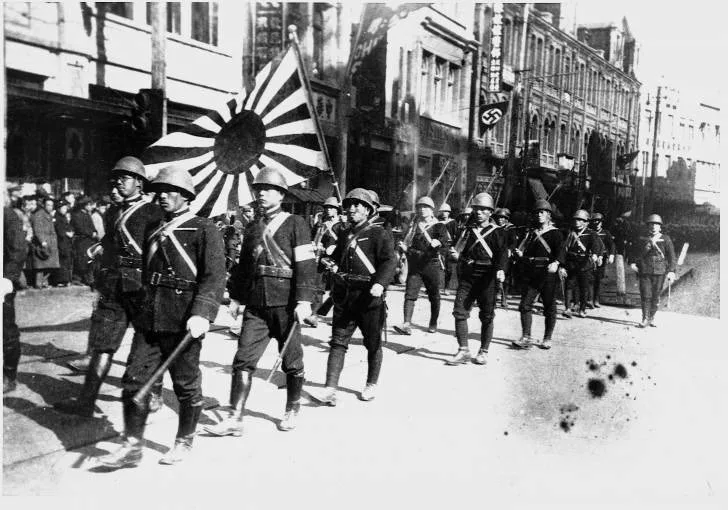
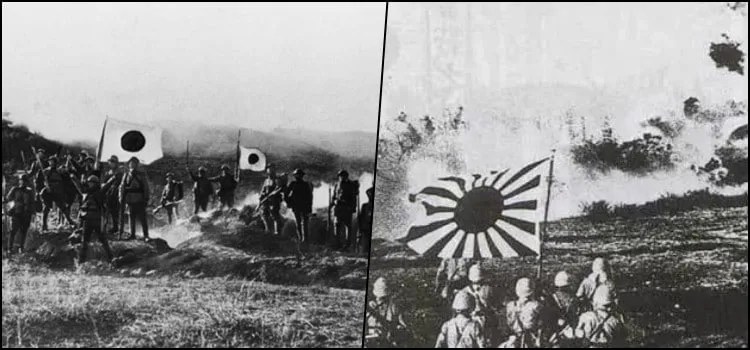
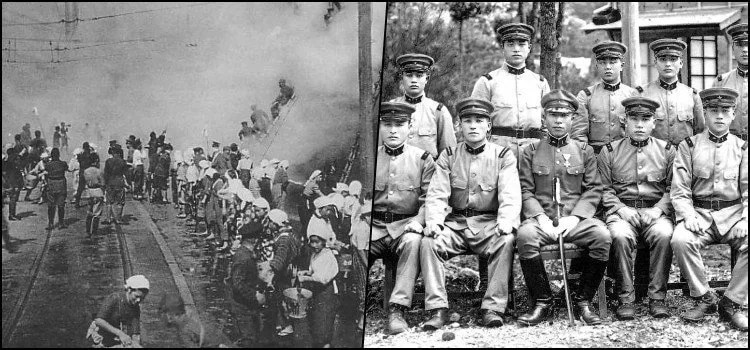
Do you know everything that happened before Japan became peaceful? In this article, we will look at the atrocities committed by Japanese military forces before or during World War II. Some things are so brutal that it is almost impossible to comprehend them.
Within Japan itself, the population has always lived in an endless millennial war. The country is famous for its long history of Samurai warfare, but little is said about the international events between World War I and World War II.
Despite the atrocities committed by some military personnel, do not become one of them by facing the cases in this article with racial hatred. After all, Japan is currently one of the most peaceful nations in the world. No matter how much Japan and many try to forget or ignore, it is important to remember the horrible crimes in our history to ensure that they never happen again.
The Nanjing Massacre was an episode of murder and mass rape committed by Japanese troops against the residents of Nanjing, the capital of China during the Second Sino-Japanese War (1937–1945). The massacre claimed the lives of over 300,000 Chinese.
During the capture of the city, some soldiers competed to see who could kill more people. Many Chinese women were abducted and used as sex slaves. About 80,000 Chinese women were raped during the occupation.
Initially, the women were killed immediately after being raped. They were often killed through explicit mutilations. Young children were not exempt from these atrocities and were also captured to be raped.
These atrocities lasted more than 2 months and decreased with the order (December 1937). The generals and some soldiers responsible for the attack were tried and sentenced to death by the Japanese tribunal itself after World War II.
In addition to what happened in Nanjing, during the Second Sino-Japanese War, it is believed that the Japanese forced over 200,000 women into sexual relations. They were called comfort women, most of whom were Korean.
They were sent throughout East Asia to work in brothels catering to the Japanese armed forces. The brothels operated long hours, and the women rarely received time off, maintaining forced relations repeatedly every day for years.
In 2015, the Prime Minister of Japan officially apologized for the practice and agreed to pay a sum of 1 billion yen, or about 9 million dollars to the 46 surviving comfort women.
Unit 731
Unit 731 (Nana-san-ichi Butai) was the unit where the Epidemic Prevention and Water Purification Department of the Kwantung Army was located in the Pingfang district of the former puppet state of Manchukuo, northeast China.
The site was a facade to hide human experiments on civilians and prisoners of war, including Chinese, Russian, Mongolian, Korean, and even Allied prisoners. Common criminals, captured enemies, and anti-Japanese partisans were also used.
Among the experiments of Unit 731, prisoners were infected with venereal diseases for study in the human body. Some were subjected to vivisection without anesthesia to study the effects of diseases on organs. Others were raped by guards.
Some prisoners were subjected to cold temperature tests to study the effects of freezing cold. Others were targets of tests with firearms such as grenades and flamethrowers and biological weapons. Others were left without water and food.
During the occupation of Southeast Asian territories, the Japanese decided to build a railway connecting Thailand and Burma. The railway would cross an incredibly dense jungle and would be built largely by hand.
The Japanese gathered 60,000 prisoners of war and 200,000 enslaved local workers and forced them to work day and night through monsoons and suffocating heat. The workers were given only rice to eat.
The injured and sick were left to die. The dangers included dengue, cholera, tropical ulcers, and a severe vitamin B deficiency that led many to paralysis.
The Bataan Death March
The atrocities in Bataan, Philippines, began in 1942 when the region surrendered to Japan. The Japanese, unprepared for the large number of prisoners of war, ordered all 75,000 of them to march through the jungle.
This march became known as the Bataan Death March. The Japanese soldiers, who saw surrender as a sign of weakness, relentlessly beat the captives. Some fell behind due to lack of water, the heat of the jungle, or exhaustion.
The stragglers were decapitated or simply left to perish. It is estimated that 2,500 Filipinos and 500 Americans perished during the march. About 26,000 Filipinos succumbed to disease or starvation in the prisoner camp.
The Bangka Island Massacre
As Allied forces abandoned Singapore after the Japanese took control, Japanese planes bombed the sea in an effort to sink as many fleeing transport ships as possible.
One of these ships had 65 Australian nurses, 53 of whom managed to swim to the small Bangka Island, controlled by the Japanese, after the transport sank.
The Japanese soldiers gathered as many people as possible, including wounded military personnel, Allied soldiers, and some of the nurses. The Japanese then set up a machine gun on the beach, ordered everyone into the shallow waters, and mowed them down. Only two survived the incident.
The Sandakan Death March
Considered the worst military atrocity in Australia’s history, the Sandakan Death March is little known outside of that country. The incident occurred at the end of World War II when the Japanese were retreating.
They abandoned the Sandakan prisoner of war camp in Borneo, forcing the soldiers interned there to march through the jungle to Ranau with them until they perished from hunger or disease. More than 2,345 Australian prisoners of war died.
The lack of food affected even the Japanese; some committed suicide and resorted to cannibalism. Such things did not happen only in Australia, but in various places during the war. Some prisoners and allies were even eaten alive.
The Attack on Pearl Harbor
On December 7, 1941, in the early morning, the Japanese bombed the American base at Pearl Harbor in Hawaii. It was a bloody and violent event that killed over 2,000 Americans, injured many people, and destroyed many vessels.
Many of the dead were only 17 and 18 years old; some were firefighters and family members. The attack occurred because the U.S. intervened and froze all Japanese assets in the U.S. and embargoed oil imports, stripping Japan of its power.
We know that Pearl Harbor made Americans very angry with the Japanese, thus destroying two populated cities in Japan, Hiroshima and Nagasaki, with a nuclear bomb. The attack was also a surprise and killed 100 times more innocent people.
Attacks on American cities: In addition to Pearl Harbor, Japan also conducted air raids on other American cities, such as San Francisco and Los Angeles. These attacks resulted in few casualties but caused panic among the American population.
The I-8 Submarine Massacre
The crew of the Japanese submarine I-8 committed a pair of atrocities during World War II. First, they sank a Dutch freighter and took the crew hostage.
They stabbed many of them with bayonets and swords until they died, then tied the survivors to the hull of the submarine, which sank to the bottom of the sea. Only six people survived.
The crew of the I-8 sank an American freighter, again taking over 100 prisoners, and attacked them with hammers and blades. About 23 Americans survived this second attack.
The Battle of Manila
In 1945 in Manila, Philippines, the Japanese army was ordered to retreat by military leaders. Ignoring this order, the Japanese stationed in the city decided to destroy it, killing as many civilians as possible.
They raped, shot, mutilated, and decapitated Filipinos until the Allies killed all of the more than 16,000 Japanese soldiers in the city as a result of their refusal to surrender. About 100,000 Filipinos died.
Remembered today as a national tragedy, the Battle of Manila cost Filipinos, in addition to thousands of human lives, the destruction of countless and irreparable historical treasures, colleges, churches, convents, universities, and historical monasteries.
Operation Sook Ching
After taking control of Singapore in February 1942, the Japanese decided to eradicate any Chinese in the city who could oppose Japanese rule, including military personnel, leftists, communists, and those with weapons.
Thus began the Sook Ching Operation. In Japanese, the name was Operation Dai Kensho, or “great inspection.” The operation resulted in several massacres, typically by machine gun, of groups of ethnically Chinese men.
The official Japanese number for the operation was 5,000 casualties, although according to a Japanese reporter in Singapore, the number was around 50,000.
The Occupation of Nauru
The Japanese occupied Nauru, a small equatorial island east of Papua New Guinea, from 1942 until the end of World War II. During this period, they committed a series of atrocities, including the execution of several Australian officials.
At the time, Nauru was home to a leper colony. The Japanese gathered the lepers, put them on boats, took them out to sea, and then blew up the boats with everyone on board. They also displaced about 1,200 native Nauruans to other islands.
Many of these displaced people died of starvation or disease before the end of World War II, meaning that the Japanese essentially committed genocide against the Nauruan people.
The Palawan Massacre
The Palawan prisoner of war camp in the Philippines was a hellish place. According to survivor accounts, two American soldiers had their left arms broken with a pipe just for eating a papaya to avoid starving to death.
On December 14, 1944, the Japanese forced all 150 Americans in the camp to enter wooden buildings. They then set the buildings on fire; only 40 men managed to escape from the burning buildings.
Some tried to escape by swimming in a nearby bay and were shot. Others tried to hide among the rocks near the bay but were found and killed. In the end, 11 Americans survived that night.
Other attacks and war crimes by the Japanese
The invasion of Hong Kong – In December 1941 during the Pacific War, Japan invaded Hong Kong with orders not to take prisoners. Anyone found defending the island, including British doctors, was killed with a bayonet.
Massacres in Port Blair – The Japanese committed numerous atrocities in the Bay of Bengal. Japanese soldiers tortured high-ranking Indian officials allied with the Allied forces.
The Pig Basket Massacre – When East Java surrendered to the Japanese, some soldiers fled to the hills. The captured soldiers were forced into bamboo boxes made for transporting pigs. They were transported in trucks exposed to 100-degree heat, taken to boats, and thrown into shark-infested waters.
The Alexandra Hospital Massacre – Japanese soldiers entered the Alexandra Hospital managed by the British, going from room to room indiscriminately beating patients, doctors, and nurses. 100 men were locked in suffocating sheds and killed the next day.
Laha Airport Massacre – The Japanese executed over 200 Dutch and Australians near the Laha airfield on Ambon Island. Most of the soldiers were decapitated or killed with a bayonet and buried in mass graves.
The Enemy Aviators Massacre – Even after the emperor’s decree and Japan’s surrender at the end of the war, some frantic Japanese soldiers decapitated some captured aviators.
Attacks on Chinese cities – In addition to the famous Nanjing attack, other Chinese cities also suffered attacks from the Japanese, such as Wuhan and Shanghai.
Attack on minorities – Japan has also been accused of committing genocide against other ethnic minorities, such as the Ainu, an indigenous tribe of Japan, and Koreans.
What is Japan’s punishment for these crimes?
After World War II, Japan was subjected to a trial for the crimes committed during the war by the International Military Tribunal for the Far East (IMTFE). This tribunal was created by the Allies to judge Japanese military and political leaders for war crimes and crimes against humanity committed during the war.
As a result of the trial, many Japanese military and political leaders were sentenced to death or long prison terms. Some examples include General Hideki Tojo and General Tomoyuki Yamashita, both sentenced to death for war crimes.
In addition to the IMTFE trial, Japan was also required to pay reparations for the damages caused during the war to other countries, including China and the Pacific island nations. Japan was also required to disarm and renounce its territorial conquests.
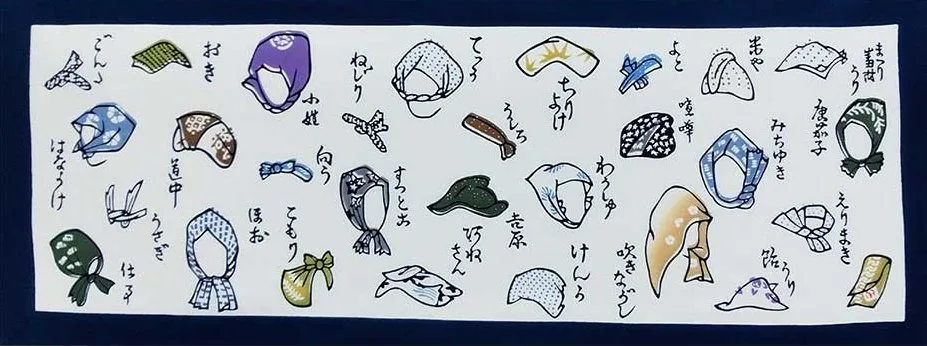
Tenugui 「手拭い」is a type of thin and lightweight cloth used in Japan. It is made of cotton and is usually about 35 centimeters wide by 90 centimeters long.
The tenugui is used in various ways in Japan, including as a cleaning cloth, a handkerchief, a head cloth, a kitchen cloth, or even as a decorative item.
Tenugui are often printed with traditional Japanese designs, such as cherry blossoms, samurai, or some type of traditional pattern and symbols.
The word “tenugui” comes from the Japanese words “te” (手, “hand”) and “nugu” (拭く, “to wipe, to dry”). They are simple cloths used for hand cleaning and others, but they have their characteristics.
The tenugui has a long history in Japan and is a traditionally Japanese item that dates back to the Edo period (1603-1868). According to legend, the tenugui was created during the Edo period as a cheaper and more practical alternative to the traditional head cloth, the hachimaki.
Farmers sometimes needed a piece of cloth that could be easily torn during an emergency or to repair straw footwear. Thus, the tenugui was created.
The tenugui was originally used mainly as a cleaning cloth or as a handkerchief, but over time, it became popular as a form of artistic and cultural expression.
During the Edo period, tenugui were often used as a form of advertising to promote products or events, and they were distributed at festivals or sold in stores.
The tenugui produced during the Nara period was decorated with images and Shinto and Buddhist deities. As we move into the Heian period, textiles became a precious commodity that only the upper class could possess.
What are Tenugui Handkerchiefs Like?
Besides being functional, the tenugui is also considered a form of art in Japan. Many people collect tenugui with different designs and display them as a form of art in their homes.
It is produced by skilled artisans who use traditional oil printing techniques to create precise and detailed designs.
It differs from other types of towels in that it does not have hems. Tenugui are usually about 35 cm x 90 cm in size. The fabric is generally a plain weave, and the edges are often fringed.
Tenugui are generally white, but can also be found in other colors. They are often given as gifts and are frequently used as wrapping cloths for gifts.
Tenugui are also commonly used in the martial arts of Kendo and Aikido, as they are considered good for absorbing sweat and protecting the head. If you are in Japan, be sure to grab a tenugui!
Japan is a country full of events, shows, conventions, and festivals. Do you want to know how to find these events in the country? In this article, we will list some events, teach you how to find your favorite event, its dates, and also how to buy the necessary tickets. Whether it’s a cultural event, a concert by a band, or an Otaku anime convention, you will find it in Japan!
In Japan, tickets for shows are made available in several stages. Generally, the earlier you can purchase the tickets, the sooner you will have access to the event venue and a greater chance of getting the best seats.
Typically, the stages are:
Fan club pre-sale 「ファンクラブ先行販売」- Exclusive sale for fan club members: These tickets are the most coveted and the first to be put on sale. To access them, it is necessary to join the official fan club of the artist or band for an annual fee. In some cases, the exclusive sale may be conducted by lottery.
Pre-sale lottery 「先行抽選」 – Pre-sale lottery for the public: In this stage, anyone can participate in the lottery to try to obtain tickets for the show.
Pre-sale 「先行先着」 – Pre-sale for the public: If the tickets have not sold out in the previous stages, it is possible to pre-order them. The pre-sale usually includes additional fees and has limited payment options.
General sale 「一般発売」- General sale: If tickets are still available, they will be put on sale to the general public. In these last stages, tickets can be purchased through ticket purchase websites, travel agencies, box offices, and other channels.
It is important to remember that, depending on the artist or band, tickets for shows can sell out quickly, especially in the early stages of sale.
If you are interested in attending a specific show, it is important to keep an eye on the sale dates and try to purchase the tickets as early as possible. Additionally, it is important to check the rules and conditions of purchase for each sales channel, as they may vary.
Tickets for shows, events, and conventions in Japan can be purchased through various channels, including:
24-hour Convenience Stores: Generally, event show tickets can be found at these locations;
Ticket purchase websites: There are several websites specialized in selling tickets for shows in Japan, such as Ticket Pia and Ticketbis. These sites usually offer a wide variety of events and generally allow you to purchase tickets online with a credit card.
Travel agencies: Some travel agencies offer travel packages that include tickets for shows and other events. This can be a convenient option if you are planning a trip to Japan.
Box offices: Many shows in Japan have box offices on-site, where it is possible to buy tickets on the day of the event or on nearby days. However, it is important to remember that tickets can sell out quickly, especially for popular events.
Through fan clubs: As mentioned earlier, some shows offer exclusive tickets for members of the artist or band’s fan clubs. To access these tickets, it is necessary to join the fan club for an annual fee.
Other channels: Some shows may offer tickets through other channels, such as department stores, supermarkets, and other establishments. It is always a good idea to check in advance the available channels for purchasing tickets for the show you want to attend.
Looking for anime events? The main anime events in Japan are:
Tokyo International Anime Fair: This event is held annually in March in Tokyo and is one of the most important anime events in the world. It includes product exhibitions, lectures, and presentations of new anime series.
AnimeJapan: This event is held annually in March in Tokyo and is one of the most important anime events in the world. It includes product exhibitions, lectures, and presentations of new anime series.
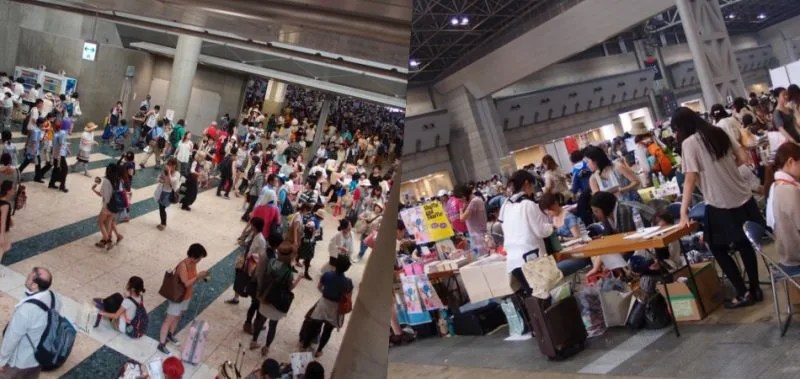
Comiket: This event is held twice a year, in August and December, in Tokyo. It is the largest event for manga and doujinshi (independent publications) in the world, attracting millions of visitors from all over the country.
Tokyo Game Show: This event is held annually in September in Tokyo and is one of the largest gaming events in the world. It includes product exhibitions, lectures, and presentations of new games.
Jump Festa: This event is held annually in December in Tokyo and is one of the most important anime and manga events in the world. It includes product exhibitions, lectures, and presentations of new anime series.
These are just a few examples of the main anime events in Japan. There are many other smaller and regional events that are also very popular among anime fans. It is always a good idea to research and check the event schedule before planning a trip to Japan.
How to find events and shows in Japan?
There are several ways to find events and shows in Japan. See below what you can do to find events and shows in Japan:
Use specialized apps for events and shows: There are many apps that offer information about events and shows throughout Japan.
Search ticket purchase websites: Many ticket purchase websites, such as Ticket Pia and Ticketbis, provide information about events and shows in Japan.
Check the websites of the cities and regions you plan to visit: Many cities and regions in Japan have websites that list events and shows happening in the area.
Search tourism websites: Many tourism websites offer information about events and shows in different cities and regions of Japan.
Follow artists and bands: If you are a fan of a specific artist or band, you can follow their profile on social media or subscribe to their newsletter to receive updates about future events and shows.
Additionally, there are many other places where you can find information about events and shows in Japan, such as in travel guides, newspapers, and magazines, and even asking other travelers or people living in Japan.
It is always a good idea to research and compare various different sources to ensure you are getting the most accurate and up-to-date information possible.
Websites and Apps to find shows and events in Japan
Generally, the websites mentioned earlier may have an app to download from the App Store or Play Store, so it might be worth checking. Other apps that may help are:
There are several apps for Android and iOS that allow you to buy tickets for shows and events in Japan and find information about these events. Some examples include:
Ticket Pia: This app is one of the most popular for purchasing tickets in Japan and offers a wide variety of events, including concerts, sports, theater, and much more. It is available for both Android and iOS.
Ticketbis: Ticketbis is another popular app for purchasing tickets in Japan, offering a wide variety of events across the country. It is also available for both Android and iOS.
Ticket.jp: Ticket.jp is an app specialized in purchasing tickets for events in Japan, including shows, sports, theater, and others. It is available for both Android and iOS.
Tokyo Calendar: Tokyo Calendar is an app that provides information about events and activities in Tokyo, including shows, exhibitions, festivals, and much more. It is available for both Android and iOS.
Japan Official Travel App: The Japan Official Travel App is an official tourism app for Japan that provides information about events and activities throughout the country, including shows, festivals, exhibitions, and much more. It is available for both Android and iOS.
Locations where shows and events are held in Japan
There are several famous venues in Japan that host sports events and musical shows. Some examples are:
Nippon Budokan: Located in Tokyo, the Nippon Budokan is one of the most famous concert venues in Japan, with a capacity of approximately 14,500 people.
Yokohama Arena: Located in Yokohama, the Yokohama Arena is one of the most important concert venues in Japan, with a capacity of approximately 17,000 people.
Osaka-jō Hall: Located in Osaka, the Osaka-jō Hall is one of the most famous concert venues in Japan, with a capacity of approximately 16,000 people.
Kyocera Dome Osaka: Located in Osaka, the Kyocera Dome Osaka is one of the largest concert venues in Japan, with a capacity of approximately 42,000 people.
Saitama Super Arena: Located in Saitama, the Saitama Super Arena is one of the most important concert venues in Japan, with a capacity of approximately 37,000 people.
These are just a few examples of the most famous concert venues in Japan. There are many other venues throughout the country that host events and shows of various types.
Omegle is a website that allows people to chat with random strangers on the internet. You can use it to practice Japanese with other people who are also learning the language or with native Japanese speakers.
Omegle can be useful not only for learning Japanese but also for learning English, Korean, any other language, and also to talk about topics of your interest such as Animes, Mangas, and Japanese culture.
Click the “Start a Chat” button to begin connecting with another random user.
Type your username and, if you wish, add interests to your profile to connect with other people who have similar interests.
Click “Start a Chat” to begin the conversation. You will see a text chat screen where you can type your messages and send them by clicking “Send”.
There is also the option to chat via video.
If you want to end the conversation, just click the “Next” button at the bottom corner of the screen. This will connect you to another random user.
Tips for Learning Japanese on Omegle
Here are some tips to make the most of your experience on Omegle while studying Japanese:
Add “Japanese” as an interest in your Omegle profile to connect with other people who are also interested in learning the language.
Use a translation app to help understand what the other user is saying. Some popular apps include Google Translate and DeepL.
Use Omegle as an opportunity to practice listening. Try to listen to what the other user is saying and respond as best as you can, even if you don’t understand everything that is being said.
Ask the other user questions to deepen your understanding of the language and Japanese culture.
If you are chatting with a native Japanese speaker, ask about pronunciation and specific uses of words or phrases.
If you are chatting with another person who is also learning Japanese, share learning tips and resources and practice together.
Use Omegle as an opportunity to practice conversation and grammar. Try to use complete sentences and structure your responses appropriately.
If you are chatting with a native Japanese speaker, ask about the culture and customs of the country. This can help you better understand the language and Japanese culture.
If you are chatting with another person who is also learning Japanese, share learning tips and resources and practice together. You can even schedule times to practice together regularly.
Take note of the words and expressions you learn during your conversations and review them regularly to reinforce them in your memory.
Ask the native speaker about the different dialects and regionalisms of the language. This can help you better understand how the language is spoken in different parts of the country.
Exchange written messages in Japanese to practice writing and reading.
Remember to be patient and not expect to master the language all at once. Learning a new language is a lengthy process and requires a lot of practice and dedication. Use Omegle as a tool to practice and gradually improve your Japanese.
Remember to be respectful and polite during your conversations on Omegle. It is also important to remember that Omegle is an open platform and the people you connect with may not be who they claim to be. Therefore, be careful when sharing personal information and use common sense when chatting with strangers online.
Obviously, Omegle is not the only site that allows you to chat with strangers; there are hundreds of apps that have the same proposal. Here are some alternatives to Omegle below:
Chatroulette: A site that allows people to exchange messages via video.
CooMeet: A video chat platform that connects individuals randomly.
Chatrandom: A conversation site that offers video or text chat options.
Tinychat: A video chat platform that allows users to create public or private rooms to chat with others.
Bazoocam: A conversation site that allows people to exchange messages via video.
Be careful with some of the mentioned sites. Many do not have control over what happens in conversations and video calls.
“Doki doki” is a Japanese expression or onomatopoeia that means “heartbeat” or “excited.” It can be used to describe a feeling of excitement or nervousness.
In Japanese pop culture, “doki doki” is widely used in anime, manga, and games, usually to describe a character’s emotion in a tense or exciting situation.
Someone might say that a game is “doki doki” if it is very fun or exciting to play. A character might say “doki doki” while in a romantic situation or while facing a challenge or danger.
On the internet, “doki doki” is a term commonly used in fandoms and online memes. It is often associated with anime or manga characters that are particularly cute and adorable.
It is also common to see images or videos showing a character’s heartbeat, usually accompanied by the expression “doki doki.”
Although many see Doki Doki as a simple onomatopoeia, the word can be an adverb or verb. Its use is quite frequent and different from the onomatopoeias used in the West.
The word Doki Doki can be translated as:
Thump-thump;
bang-bang;
pit-a-pat;
pitapat;
pitter-patter;
Beat fast;;
pulse;
beat;
throb
Doki Doki, despite being an onomatopoeia, can be used as a verb – suru「する」to say that a person became excited or thrilled, or with a racing heart.
Despite being a frequent and commonly used word, it is classified in JLPT N2. There is also a synonym for this onomatopoeia which is 「どきんどきん」Dokin Dokin.
When can someone say Doki Doki?
Asuna is a strong and determined character, but she can also be very emotional. She might say “doki doki” while facing danger or when she is in love with her partner Kirito.
Chika from Kaguya Sama is a very cute and adorable character, and it is common for her to get excited in fun moments. She might say “doki doki” while feeling happy or nervous.
Nagato Yuki is a very serious and reserved character, but she can also say “doki doki” while facing a challenge or when she is feeling nervous or anxious.
Arima Kousei is a talented young pianist, but he is also very emotional. He might say “doki doki” while feeling nervous before a concert or when he is feeling excited about someone special.
Sentences in Japanese with the word 「ドキドキ」
See below some example sentences that use the Japanese expression doki doki:
This game is very exciting, isn’t it?
「このゲーム、ドキドキするよね。」
Kono geemu, doki doki suru yo ne.
When he confessed to me, I was very excited.
「彼が私を告白したとき、私はドキドキしました。」
 Kare ga watashi o kokuhaku shita toki, watashi wa doki doki shimashita
This movie is really exciting
「この映画、本当にドキドキするよ。」
Kono eiga, hontou ni doki doki suru yo.
I always get excited when I go out with her.
「彼女とデートするのは、いつもドキドキするよ。」
Kanojo to deeto suru no wa, itsumo doki doki suru yo.
This park is always full of people, so I get very excited.
「このパーク、いつも人がいっぱいで、ドキドキするよ。」
Kono paaku, itsumo hito ga ippai de, doki doki suru yo.
I always get excited when I think about her
「彼女のことを考えると、いつもドキドキするんだ。」
Kanojo no koto o kangaeru to, itsumo doki doki suru n da.
This restaurant serves really wonderful food, so I always get excited.
「このレストラン、本当に素晴らしい料理を出すから、いつもドキドキするよ。」
Kono resutoran, hontou ni subarashii ryouri o dasu kara, itsumo doki doki suru yo.
When he proposed to me, I was really excited
「彼が私にプロポーズしたとき、私は本当にドキドキしました。」
Kare ga watashi ni puropoozu shita toki, watashi wa hontou ni doki doki shimashita.
Have you ever wondered what Mada Mada means in the Japanese language? In this article, we will see its real meaning, where we usually hear this term, and what its origin is.
“Mada mada” is a Japanese expression that means “I’m still not good enough” or “I’m still not ready.” It is commonly used to refer to skills or knowledge that still need to be developed or improved.
The expression is widely known in Japan and is used in a variety of contexts, including sports, training, and study. It is often used as motivation to keep working hard and improving skills.
We have just seen the essence of the word, but mada mada「未だ未だ」can be literally translated as “not yet,” “much more,” and “there is still a long way (to go).”
It involves the repetition of the word mada 「未だ」which is an adverb that can mean still, only, more, at least, comparatively, relatively, and also represents an adjective of unfinished and incomplete.
The expression “mada mada” can also have several other meanings, depending on the context in which it is used. Some of the most common meanings are:
“I’m still not good enough”: this is the most common interpretation of the expression. It is used to refer to skills or knowledge that still need to be developed or improved.
“I’m still not ready”: the expression can also be used to indicate that someone is not yet ready for something, whether a test, a competition, or any other task.
“I’m not satisfied with my progress”: the expression can be used to indicate dissatisfaction with the progress made in some area or activity.
“I won’t settle for my current skill level”: the expression can be used as a reminder that it is important to keep working hard and seeking constant improvements.
In general, the expression “mada mada” is used to motivate people to keep striving and seeking improvements, whether in skills, knowledge, or any other area.
Characters that say Mada Mada
Many people end up researching this word because they frequently hear anime characters saying it. This expression became popular thanks to Genji from Overwatch, who often says “mada mada” repeatedly.
Other anime characters that frequently use the expression “mada mada” are:
Toru Oikawa, a main character from “Haikyuu!!,” an anime and manga about volleyball. Oikawa is known for being a talented player but also for being very demanding of himself and others. He uses the expression “mada mada” to encourage himself and others to keep striving to be even better.
Ryoma Echizen, a main character from “The Prince of Tennis,” an anime and manga about tennis. Ryoma is a very talented young tennis player, but he is also very confident in himself and does not mind saying what he thinks. He uses the expression “mada mada” to say that there is still room for improvement and to tease other players.
Gon Freecss, a main character from “Hunter x Hunter,” an action and adventure anime and manga. Gon is a young hunter searching for his father, and he uses the expression “mada mada” to encourage himself and others to keep striving on their journey.
Sentences that use the expression 「まだまだ」
See below some sentences in Japanese that contain the expression “mada mada”:
(まだまだどうでもいい)
Mada mada dou demo ii
The above sentence means “it doesn’t matter, there is still plenty of time.” It is an expression used to say that there is still time to do something, so there is no need to rush.
まだまだくせに
Mada mada kuseni
The above sentence means “I’m still not satisfied.” It is an expression used to say that there is still more to be done or that there is still room for improvement.
まだまだ終われない
Mada mada owarenai
The above sentence means “it’s not over yet.” It is an expression used to say that something has not yet been completed.
まだまだ歩きたい
Mada mada arukitai
The above sentence means “I still want to walk more.” It is an expression used to say that one still has the energy or willingness to continue doing something.
If you watch the anime Naruto, you have probably seen the term Akatsuki mentioned quite often, but have you stopped to think about the true meaning of Akatsuki in the Japanese language? Have you heard of the train named Akatsuki? And a space probe?
The use of the term Akatsuki is rarely used today, but thanks to the Naruto Anime, this term has ended up standing out. Another anime that carries this word is Akatsuki no Youna.
Akatsuki no Youna
What is Akatsuki in Naruto?
Akatsuki is a group of characters from the famous manga and anime series “Naruto”. The group is formed by powerful ninjas with supernatural abilities who work in secret and are considered traitors by the ninja government of the country of Kirigakure.
The group is led by Pain, a ninja with resurrection abilities, and aims to capture the nine legendary demons known as “Tails”, considered the source of all ninja strength.
The members of Akatsuki are known for wearing black clothes with red hoods and red hand seals featuring the image of a lotus flower.
What does Akatsuki mean in the Japanese language?
The word Akatsuki 「暁」means dawn, sunset, or evening. Depending on the composition and combination of ideograms, Akatsuki can form words like moonless dawn or words related to brightness.
The ideogram 暁 has the sun on the left, and the right side is used phonetically to convey the idea of “becoming white”. Originally, it meant the moment when the dark eastern sky turned white, which was “dawn”.
It is believed that its reading derives from the ideograms「明」which means brightness and 「月」which means moon or month. The reading also refers to the Red Moon, derived from 「赤い」which means red.
It is important to remember that the ideogram is just one aspect of Japanese writing and that the word “akatsuki” can also be written in hiragana or katakana.
Akatsuki 「列車」 – Night Train in Japan
Akatsuki was a night train service that operated in Japan by JR West, running from Kyoto Station to Nagasaki Station round trip.
It traveled along the main lines of Tōkaido, Sanyō, Kagoshima, and Nagasaki. Starting in October 2005, the train was coupled with the Naha Sleeper between Kyoto Station and Tosu Station.
Due to the decline in the number of passengers, both the Naha service and Akatsuki were discontinued after the schedule revision on March 15, 2008.
Akatsuki「探査機」- Japanese Space Probe
Previously known as the Venus Climate Orbiter (VCO) and Planet-C, Akatsuki is an unmanned Japanese space probe designed to explore Venus.
It was launched aboard an H-IIA 202 rocket on May 20, 2010. The total launch mass of the probe, including propellant, was 517.6 kg, with 34 kg of scientific instruments.
The mission arrived at Venus on December 7, 2010 (JST), but failed to enter orbit around the planet.
There are several app options that allow you to download anime songs and OSTs (Original Soundtracks). In this article, we will look at some apps focused on this.
If you are looking for sites to download anime songs, we recommend reading the following articles below:
Where to download anime songs and find their lyrics in Japanese
There are hundreds of music download apps, the big problem is that they do not offer a large collection of Japanese songs. Even apps like Spotify or Apple Music do not have all the songs and soundtracks from anime.
The largest collection of music is YouTube, so perhaps an alternative is to download songs from YouTube, the big problem is that it does not always come with the expected sound quality.
Many sites on the internet share albums in high quality for download, but the whole process is tedious and time-consuming, filled with ads and offline links. Luckily, we will help you solve this problem.
Telegram – Downloading anime songs with bots
One option is to use Telegram bots, they allow you to download anime, music, discover the name of the anime, episode, and much more with a few digits.
We believe it is the easiest way to download without worry and headaches. Any song you request, the bot will be able to download.
There are hundreds of bots you can try. Some may not work after a while, so it is necessary to keep an eye on lists of Telegram bots.
4Shared was once a super popular file-sharing app, its main differentiator is the ability to search instead of relying on direct linking from other sites.
By downloading the app on your phone, you can search for complete albums of anime and Japanese singers, or for individual songs and download the file on your smartphone.
You can try other sites that share files, but you will have to do a deeper search using Google and its filters to help find the desired music files.
Soundcloud
SoundCloud is a music and audio platform that allows users to listen, share, and download music. Many songs are original, but you can also find original songs from anime.
Soundcloud is the favorite platform for independent artists and content creators, you will also find great remixes, lofi, and instrumentals of popular anime songs.
The mobile app may have some limitations compared to the website, but you can also use third-party apps if you can’t download the music directly from Soundcloud.
Anime Music – OST, Nightcore
The Anime Music app allows you to listen to songs from anime and anime movies for free. Additionally, you can search for your favorite songs, anime artists, or Japanese animation, create your own playlists with your favorite OSTs.
Find different songs like Vocaloid and Nightcore or songs from anime games, access the collection of openings and endings from famous anime, listen to lo-fi anime songs, 8 bits, or popular Japanese songs worldwide.
However, it is important to note that this app only streams music and does not support download service. Additionally, they use a public API for all the songs in the app and there is no copyright violation. They only stream them for entertainment and include some ads to cover server costs.
In the app stores, you will find several apps that carry the name Anime Music, so to choose the correct one, look for popularity and rating.
the best anime vr games for oculus quest
Anime Radio
Anime Radio is an app created especially for anime and music fans. It works as a large library of anime music, with tracks from almost every anime you have ever watched. Some of the main features of Anime Radio include:
More than 100 radio stations with various music genres, such as K-Pop, J-Rock, and anime openings. You can search by title or singer.
The ability to try different radio stations and add your favorites to a quick access list.
An easy-to-use interface, which makes the app intuitive right after download.
A sleep timer that gradually reduces the volume of the music as you prepare to sleep.
The app is free, but contains some ads that are not displayed very frequently. It is compatible with Russian and English languages.
There are versions for iOS and Android, but they are different apps. The app description was for iOS, but there are similarities in almost all apps with the same proposal.
Anime Music Collection – iOS
If you are an anime fan and are looking for a good collection of songs, you can download the Anime Music Collection app. Available only for iOS devices, this app is simple and intuitive. It allows you to listen to your favorite anime songs while connected to the internet, but the download option is limited.
Some of the main features of the app include:
The ability to explore various music genres, such as J-Pop, K-pop, and Nightcore, and filter your recommendations according to your tastes.
The option to create albums to organize your music wisely and simply.
The Anime Radio, which works like a typical radio station.
The ability to continue listening to music even after closing the app.
“Monogatari” (物語) is a Japanese word that means “story” or “tale.” It is a broad term that can refer to any type of narrative, including traditional tales, novels, comics, films, etc.
The term “monogatari” is very common in Japan and is used in many different contexts. For example, “monogatari” can be used to refer to stories told orally, such as fairy tales and legends, or to written stories, such as novels and adventure books.
It is also commonly used to refer to films and TV series that focus on a story or narrative, rather than on action or comedy.
Additionally, the term “monogatari” is also used in some titles of anime and manga, such as “Bakemonogatari” and “Monogatari Series.” These titles are based on fictional works that focus on a complex narrative and engaging plot.
The word “monogatari” is also used to refer to a genre of narrative in prose or in the form of a novel, which is very popular in Japan. Monogatari can also refer to a tale or an oral story passed down from generation to generation.
The monogatari genre is known for its complex narrative, which often includes multiple points of view and a mix of fantastical and real elements. Monogatari stories are often based on Japanese legends or myths, but can also be inspired by historical events or the personal experiences of the authors.
Some examples of monogatari include “The Tale of Genji” (Genji monogatari), a novel written in the 11th century by the author Murasaki Shikibu, and “The Tale of the Heike” (Heike monogatari), a series of tales about the Japanese civil war of the 12th century.
Monogatari is also a popular genre in modern Japanese literature, and many works of monogatari have been adapted for television, cinema, and other media.
Sentences with the word monogatari
Now let’s see some sentences with the word monogatari, but we will not translate the expression, as it can refer to any type of story, and only the context of the conversation will indicate whether it is a tale, legend, story, or book.
This monogatari was really moving
この物語は本当に感動的でした。
Kono monogatari wa hontou ni kandouteki deshita
The protagonist of the monogatari is very attractive
物語の主人公はとても魅力的です
Monogatari no shujinkou wa totemo miryokuteki desu
Monogatari always draws me in
物語は常に私を引き込むものです。
Monogatari wa tsune ni watashi o hikikomu mono desu
Monogatari teaches us many things
物語は私たちに多くのことを教えてくれます。
Monogatari wa watashitachi ni ooku no koto o oshiete kuremasu
Monogatari guides us to imagination
物語は私たちを想像力に導くものです。
Monogatari wa watashitachi o souzouryoku ni michibiku mono desu
Have you seen those anime characters presenting videos on YouTube? Have you ever wondered which apps the channel creators use? Today we will recommend the best apps to create VTubers and animated characters.
VTuber is short for Virtual YouTuber, which are YouTube channels of anonymous people who usually use anime-style characters to present their videos.
VTubers are popular in Japan and other parts of the world, and their videos can be found in different genres, including entertainment, games, and much more.
The term does not refer only to those channels with anime characters, but to any type of character; it can be 3D with an American style, it is still a VTuber.
The quality of a VTuber character can vary with the creator’s dedication. Some use automatic software, others model characters and movements from scratch, being more realistic. Different apps and knowledge are needed to work in this area.
When we talk about apps to make VTubers, we think of those software that create animations and characters, but usually making videos for YouTube requires much more.
We need other software that captures the face, overlays the character on some video, and things like that. Here are some useful apps that VTubers usually use:
Adobe Premiere Pro – This is a professional video editing program that can be used to edit and produce your VTuber videos.
OBS Studio – This is a free live streaming software that can be used to stream your VTuber videos live on YouTube, record, or upload to other platforms.
MotionBuilder – This is a 3D animation software that can be used to create realistic movements for your VTuber characters.
Blender – Blender is a free 3D modeling, animation, and rendering software that can be used to create characters and environments for your VTuber videos.
Daz 3D – This is a 3D modeling and animation software that offers a wide variety of characters and customization options for your VTuber videos.
iClone – iClone is a 3D animation software that allows you to create realistic characters and environments for your VTuber videos quickly and easily.
Maya – Maya is a professional 3D animation software that offers a wide variety of tools to create characters and environments for your videos.
Live3D
Live3D is one of the most popular and complete software to start VTubing. Its main software includes modules such as: vTuber Maker, vTuber Editor, vTuber Gallery, and vTuber Extension.
The software offers virtual cameras, push streams, motion tracking, behavior effects, a rich content gallery, 3D scenes, poses, avatars, dynamic arts, and much more.
The software also offers VTuber effects for Twitch that you can use during live streams to maximize Twitch Bits earnings.
VTube Studio
VTube Studio is a set of editing software for VTuber content creators that offers a wide variety of editing tools for animated characters.
Additionally, VTube Studio also has live streaming features, support for multiple audio layers, integration with other 2D character modeling apps like Live2D, and an intuitive and easy-to-use user interface.
The software is available on Steam for free for all desktop operating systems. There are paid features such as watermark removal.
VRChat
VRChat is a virtual reality application that allows users to communicate and interact in a virtual world with various characters, mainly from anime and manga.
It is popular among VTubers because it allows them to stream live and interact with other users in real time. There are even famous channels with only VRChat videos like Lanzinho and Anya’s videos.
To use VRChat, you need a VR headset, but it is also possible to play on PC without the headset, making capture and recording easier, but hindering interaction and immersion.
Wakaru is an accessible and easy-to-use VTuber software for beginners available on Steam. It allows you to become a VTuber without advanced VR equipment.
Some of its features include eye tracking, head pose capture, mouth shape capture, facial control, and real-time gesture tracking.
VRoid Studio
One of the main advantages of VRoid Studio is that the avatars created in it can be used in various different contexts. They can also be exported to other content creation apps, such as Live2D.
Another interesting feature of VRoid Studio is that it is compatible with the VRM file format. This means that it is possible to use the avatars created in VRoid Studio in other VRM-compatible applications.
VRoid Studio is a powerful and versatile application for creating 3D characters that offers a wide variety of customization and editing options. If you are looking for an app to create virtual avatars or characters for animations, VRoid Studio is an option to consider.
Animaze
Animaze is an animation app focused on talking animals (it also does anime) that is easy to use and offers a wide variety of drawing and editing tools, as well as integration with other apps and platforms.
One of the main advantages of Animaze is its ease of use. The app has an intuitive interface and drag-and-drop tools, making it easy for users to start creating animations quickly, even if they have never used an animation app before.
Additionally, Animaze allows users to import images and videos to use as elements in their animations, further expanding creative possibilities.
List of Apps for VTuber
Do you really think we will list details of 50 apps in a single article? That will take a long time and most people won’t read it. If you have already searched for other lists, maybe in the app list below you will find some software you don’t know yet:
Hatsuyume [初夢、はつゆめ] is a Japanese word that means “first dream.” 初 [hatsu] means “first” and 夢 [yume] means “dream.” It is a term used to refer to the first dream someone has after falling asleep, and more commonly, the specific dream on the first day of the year in Japan. In summary, it is the first dream of the new year, which depending on its content can bring good luck for the rest of the year.
Some people believe that this dream may have a special meaning or reveal something about the person who had it. However, there is no scientific evidence to support this thesis, although it is important to note that recording dreams and telling them to someone later can serve as therapeutic relief in many cases.
There are various interpretations of dreams, and some common symbols and images may have different meanings depending on the culture or context. For example, dreaming of a person can be interpreted as a mental representation of what the person thinks of themselves or relates to a quality or characteristic that someone is seeking. Dreaming of animals can also have different meanings, depending on the animal and the context in which they appear during sleep.
In the specific case of Japanese culture, it is believed that if you dream of the image of Mount Fuji (富士山), Eggplants, or Hawks, it means you will have good luck throughout the rest of the year. It may seem strange at first, but I will explain the reason later.
In this article, we will see details about this curious aspect of Japanese culture.
Dreams are surrounded by mysteries, but when we talk scientifically, they are a natural part of the sleep process and can be influenced by a variety of factors, such as the emotional state of the individual on that day, their afflictions, thoughts, and goals.
Mount Fuji, Hawk or Eggplant – What is Hatsuyume?
Sigmund Freud, the father of psychoanalysis, and Carl Gustav Jung, the father of analytical psychology, analyzed countless dreams and came to incredible interpretations about this phenomenon. The former believed that dreams were unconscious desires, while the latter theorized about the common ancestral symbolic images that could exist in the dreams of subjects around the world.
To this day, there is no consensus on what actually “shapes” our dreams or whether they have meaning or not.
In Japan, superstitions are taken seriously. One of the most famous concerns the New Year’s dream or the dream of the first day of the year. On January 1st (or on the first day you dream, which can also be on the 2nd or 3rd), there are three dreams that if you have them, it is considered a sign of good luck. They are:
1 – Dreaming of Mount Fuji
Mount Fuji is known worldwide for its beauty. It is considered the highest point in Japan, at 3776 meters tall. It is also a volcano. It represents in some way two characteristics of the country: beauty and the fear of natural disasters. Besides being one of the most beautiful symbols of Japan, it is also known to bring good luck.
In Kanji, Mount Fuji is written as 富士山 [Fuji-San]. The first ideogram means “abundance,” “wealth,” “fortune.” The second carries the idea of “samurai” and “a respected person.” The last symbol is 山 which is read as “san” within the word and means “mountain” or “mount.”
Some sources say that Mount Fuji tends to bring good luck because it is the highest mountain in Japan, while others report that it is due to the ideograms that make up the word.
2 – Dreaming of a Hawk
Few know, but hawks were used as weapons by samurais during the Kamakura period, in an art known as takagari. Hawk, in Japanese, is said as taka and, interestingly, has the same reading as the kanji of takai which means “high.” It is in second place in terms of luck for the New Year. If you dream of this bird on New Year’s, be happy!
3 – Dreaming of an Eggplant
The strangest case on this list is that of the Eggplant. However, there is a plausible explanation. Eggplant in Japanese is said as nasu [茄子], but nasu is also the reading of the verb nasu [成す] which among various possible meanings means “to establish,” “to reach,” “to become,” “to achieve,” and “to realize.”
The Japanese term to refer to these three dreams is: ichi fuji, ni taka, san nasubi [一富士二鷹三茄子].
This belief apparently exists since the Edo period. There are several other theories that try to explain the origin of this superstition and why Mount Fuji, Hawk, and Eggplant were the images chosen to represent it.
Some explanations say that these three entities were the favorites of Shogun Tokugawa Ieyasu, while others claim that it is a reference to “high” (divine) things, as besides Mount Fuji, there is also another huge mountain in Japan called Ashitaka [愛鷹山] that uses the kanji for Hawk!
Japanese Lucky Charms
There are several objects that are lucky charms for the Japanese. Below we list the most well-known:
Looking for ways to say happy new year in Korean? Do you know how to wish a good end of the year in the Korean language? Do you know how the New Year is celebrated in South Korea? This and other questions will be answered in this article.
In Korea, the New Year is celebrated in two different ways, depending on the calendar used. The solar Korean New Year is celebrated on January 1st, while the lunar Korean New Year is celebrated on the day of the first full moon of the year.
During the Korean New Year, people usually gather with family and friends, have special meals, exchange gifts, and participate in traditional activities. Some of these activities include:
“Seol” (설) – The Seol is the celebration of the lunar New Year, which is celebrated on the day of the first full moon of the year. During Seol, people usually have special meals like “tteokguk” (떡국), a rice cake soup with slices of glutinous rice, and “jeon” (전), a fried pancake with different fillings.
“Bok Nal” (복날) – Three-day period of the lunar New Year where people celebrate the end of winter. During Bok Nal, people usually eat special foods like “samgyetang” (삼계탕), a chicken soup with glutinous rice and ginseng, and “dongchimi” (동치미), a vegetable soup with winter fruits.
“Hogmanay” (호그마나이) – Celebration of the solar New Year in Korea where people usually have special meals, such as “dak galbi” (닭갈비), a dish of chopped chicken and vegetables cooked in a pan, and “gukbap” (국밥), a vegetable soup with rice. In addition, people also usually exchange gifts, sing New Year songs, and watch fireworks.
“Sebae” (세배) – A ritual of reverence in which people greet the elders and superiors with kneeling and deep bows. This is done as a sign of respect and gratitude.
To say “Happy New Year” in Korean, you can use the phrase “Seol-lal hae-bok mani bada-seyo” (설날 행복 많이 받으세요). This phrase means something like “Receive much happiness in the New Year” or “I wish you much happiness in the New Year.”
Another option is to use the phrase “Saehae bok mani da-seum nida” (새해 복 많이 받으세요), which means “Receive much luck in the new year” or “I wish you much luck in the new year.”
Both phrases are used to wish happiness to someone in the Korean New Year, which is celebrated on January 1st in the solar calendar or on the day of the first full moon of the year in the lunar calendar.
Other phrases in Korean for happy new year are:
“Saehae bok mani da-seum nida” (새해 복 많이 받으세요) – “I wish you much luck in the new year.”
“Saehae bok mani da-seum nida segye-ui il-eul ha-da” (새해 복 많이 받으세요 세계의 일을 하다) – “Receive much luck in the new year and do good in the world.”
“Saehae bok mani da-seum nida haeng-bok-hae” (새해 복 많이 받으세요 행복해) – “Receive much luck in the new year and be happy.”
“Saehae bok mani da-seum nida haeng-bok-hae segye-ui il-eul ha-da” (새해 복 많이 받으세요 행복해 세계의 일을 하다) – Happy New Year. I am happy. I am doing the world.
How to say good end of the year in Korean?
To wish “good end of the year” in Korean, you can use the phrase “Nyeon-mul-eun hae-bok mani da-seum nida” (년말은 행복 많이 받으세요). It can be translated as “Receive much happiness at the end of the year” or “I wish you much happiness at the end of the year.”
Another option is to use the phrase “Nyeon-mul-eun seol-lal da-seum nida” (년말은 설날 받으세요), which means “I wish you a good New Year at the end of the year.”
Both phrases are used to wish happiness to someone at the end of the year, which is a time for reflection on the past year and preparation for the new year. It is a time of celebration with family and friends and making plans for the new year.
Dogs and cats are two opposite animals, but they are common in homes all over the world. Therefore, let’s see different ways to refer to these animals in Japanese.
The article goes much further, we will learn words that are composed with the ideograms for cat and dog, as well as some curious Japanese expressions that use these animals.
Remember that we also have other articles that talk about animals in Japanese, we recommend reading the following articles:
猫 (neko) – This is the most common word to refer to “cat” in Japanese. We also have words derived from English such as: [キャット] and [カト] which come from “kitty” and “cat”.
In the past, “neko” was called “nekoma”. One theory describes “ね” as an onomatopoeia for the sound that a cat makes. And koma may refer to bear (kuma) as it is a furry four-legged animal.
Did you know? The ideogram 猫 derives from radicals of the ideograms for dog 犬? The parts of the kanji can refer mainly to small and agile animals. The radical [犭] represents a wild animal that walks through the fields [田].
Other theories involving the origin of the reading neko are:
寝子獣 (ねこま): A sleeping beast cub. Due to cats sleeping all day.
寝熊 (ねくま): Sleeping bear.
鼠神(ねこま): God of the rat or god of rats. Total relevance to the fact that dogs chase rats.
ねこ: Reference to the meow [にゃん] and [子] which represents a cute cub.
Expressions using cat in Japanese
猫舌 (nekogashi) – Cat tongue (which cannot stand hot temperatures);
猫被り (nekokaburi) – Being charged by the cat (used to describe someone who has been deceived or misled);
ウンチを埋めている猫のように (Unchi wo umeteiru neko no yō ni) – Like a cat burying poop;
Words that have the ideogram of neko
虎猫 (toraneko) – Tiger cat; Striped cat;
黒猫 (kuroneko) – Black cat;
愛猫 (aibyou) – Pet cat; beloved cat;
家猫 (ieneko) – Domestic cat;
猫 (neko) – Cat;
猫科 (nekoka) – Family of cats;
猫耳 (nekomimi) – Cat ears;
猫目 (nekome) – Cat eyes;
猫柄 (nekogara) – Cat fur;
猫毛 (nekoke) – Cat hair;
猫背 (nekose) – Cat back;
猫爪 (nekotsume) – Cat claws;
猫足 (nekoshi) – Cat paw;
猫顔 (nekogao) – Cat face;
Cat Breeds in Japanese
Here are some cat breeds originating from Japan:
Japanese Bobtail (日本ボブテイル) – a breed of cat with a short tail and long fur. Known for being affectionate and playful.
Japanese Sable (日本サーバル) – a breed of cat with short fur and a sable fur pattern. Known for being friendly and easily trainable.
Japanese Spotted Cat (日本スポットキャット) – a breed of cat with short fur and leopard spots.
Below is a list of cat breeds in the Japanese language:
Maine Coon (メインクーン)
Scottish Fold (スコティッシュフォールド)
Siamese (シャム)
Persian (ペルシャ)
Sphynx (スフィンクス)
American Shorthair (アメリカンショートヘア)
British Shorthair (ブリティッシュショートヘア)
Exotic Shorthair (エキゾチックショートヘア)
Bombay (ボンベイ)
Russian Blue (ロシアンブルー)
Nekojima – Discover 20 Cat Islands in Japan
Inu – How do you say Dog in Japanese?
犬 (inu) means dog in Japanese, the ideogram is composed of the radicals and ideograms 犭 (the old form of 犬) and 田 (ta), which mean, respectively, “dog” and “field”.
The ideogram 「犭」is considered a very ancient ideogram, being used to write the word “dog” in other Asian languages, such as Chinese.
The ideogram 田 (ta) means “field” or “cultivated land”, used to indicate that the dog is a working animal, which is used to help farmers.
Note that both ideograms that gave rise to the word dog are also present in the ideogram for cat in Japanese.
The ideogram is also used as part of the name of some Japanese dog breeds, such as Shiba Inu (柴犬) and Akita Inu (秋田犬).
In the West, dogs and cats do not get along, but in Japanese the word to refer to dogs and cats as a bad relationship actually uses dog and monkey [犬猿].
犬型 (inugata) – This word is used to refer to “dogs” of breed or pedigree in Japanese. The ideogram 型 (gata) means “model” or “form”.
犬種 (inushu) –This word is also used to refer to “dogs” of breed or pedigree in Japanese. The ideogram 種 (shu), which means “species” or “breed”.
Here are some more Japanese words that include the ideogram 犬 (inu) which means “dog”:
What is the similarity between the ideograms 猫 and 犬?
The Japanese ideograms 猫 (neko, cat) and 犬 (inu, dog) are very similar, as both are composed of the same ideogram 犭 (the old form of 犬), which means “dog”. The main difference between the two ideograms is the second element, which is used to indicate the species of the animal.
In fact, the component 「犭」of the ideogram 「猫」is a simplification of another Chinese ideogram that means beast 「豸」due to its semantic affinity.
All the radicals present in the word Neko are: 大竹廿田