
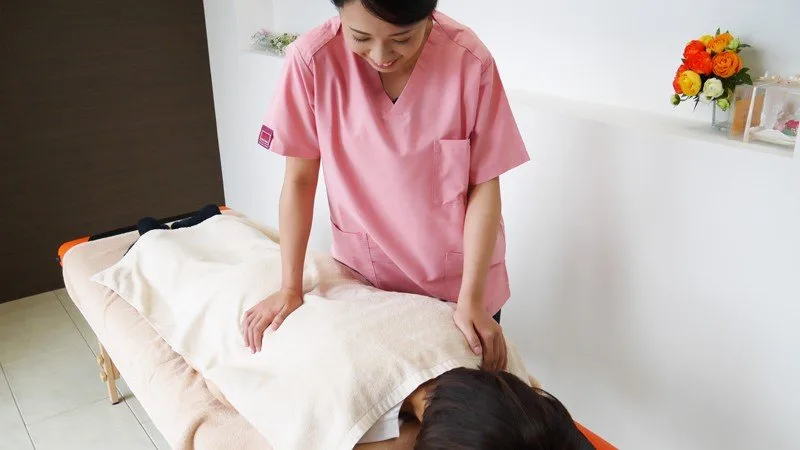
Massage in Japan covers several different businesses. A licensed shiatsu clinic, a relaxation salon in a shopping arcade and a soapland in Kabukicho may all advertise "massage", yet they follow different rules, charge different prices and expect different behavior. Knowing which one you are walking into makes the experience simpler and safer.
Contents 8
What massage means in Japan
Japanese massage has a longer formal history than most visitors expect. Anma, the older tradition, was organized as a distinct practice in 1320 and drew on Chinese medical ideas about pressure points and meridians. During the Edo period it became closely associated with blind practitioners, and edicts reserved the practice for them. The link between anma and blind masseurs remains part of the profession's identity today.
Shiatsu grew out of anma in the early twentieth century. Tamai Tempaku published a book on finger-pressure therapy in 1919, and Tokujiro Namikoshi opened a shiatsu school in the 1940s. In 1957, the Japanese Ministry of Health defined shiatsu as manipulation with thumbs, fingers and palms, without instruments, to correct internal malfunctions and maintain health. Practitioners need a national license under a 1947 law that was revised in 1964 to include shiatsu in its name.
Medical research has found no evidence that shiatsu cures disease. Some studies suggest it can help people feel more relaxed, and a session is generally considered safe, though it can be uncomfortable and there are rare reports of adverse effects. That makes shiatsu a form of relaxation and bodywork, with real limits that are worth knowing before you book. The principles behind it overlap with other Asian bodywork, which the article on oriental therapies and patient well-being explains in more detail.

The main types of massage you will see
Many salons in Japan specialize in one style, while larger chains offer several. The menu usually lists the technique, the duration and the price, so you can compare sessions without knowing every Japanese term.
- Shiatsu and anma: pressure with thumbs, palms, elbows and sometimes knees, usually through thin clothing and without oil. Sessions may include stretching and joint movement.
- Swedish, aroma and oil massage: long strokes with oil on bare skin, with the body covered by a towel or sheet except for the area being worked on.
- Thai massage: stretching and rhythmic pressure, often on a floor mat and usually with clothes on.
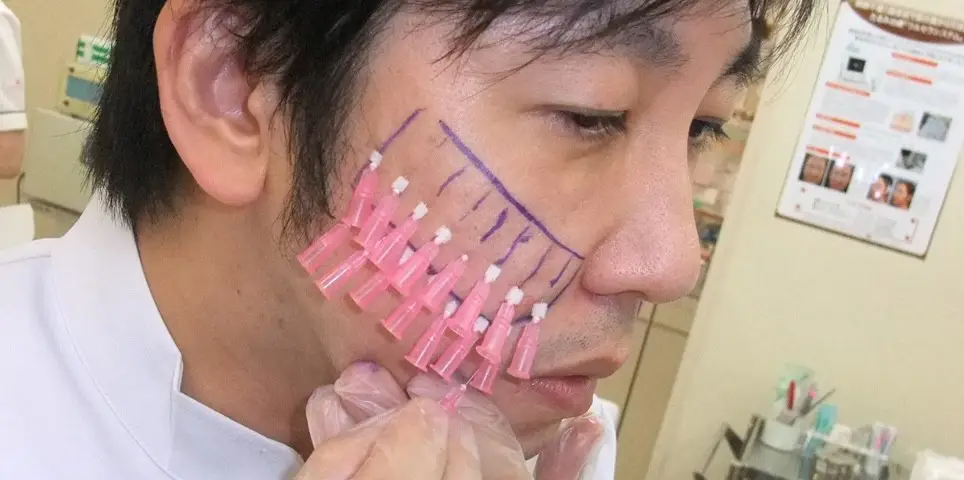
- Esthe and beauty treatments: facial and body care, including Kobido, a traditional Japanese facial massage that focuses on the face, neck and shoulders.
- Hotel spa treatments: often a mix of oil, aroma and hot stone work, with higher prices and English-speaking staff in international hotels.
When your back or shoulders are the main problem, a licensed shiatsu or anma practitioner is the safer choice. If you want a quiet hour with oil and music, a relaxation salon or hotel spa fits better. A facial treatment calls for an esthe salon with a clear menu and transparent pricing. The Kobido facial massage guide explains how that technique works.

What a massage costs in Japan
Prices depend on duration, location and the type of treatment. In Tokyo, booking sites commonly list 60-minute massage sessions between about 4,000 and 7,000 yen. Shorter sessions of 30 to 40 minutes often cost 3,000 to 5,000 yen, while 90-minute treatments tend to run 8,000 to 11,000 yen. Neighborhood clinics outside central Tokyo are usually cheaper, and hotel spas charge a premium for their location and English service.
| Type | Typical length | Typical price |
|---|---|---|
| Shiatsu or anma clinic | 40 to 60 minutes | 3,000 to 7,000 yen |
| Oil, aroma or Thai massage | 60 to 90 minutes | 5,000 to 11,000 yen |
| Hotel spa treatment | 60 to 90 minutes | 12,000 yen and up |
| Soapland (adult venue) | 60 to 120 minutes | 20,000 yen and up |
Cash is still common, especially at small clinics. Larger chains and hotel spas usually accept credit cards, but it is safer to ask before the session. Weekend appointments and popular tourist areas cost more, and some salons add a late-night fee after 10 p.m.
How to find a reputable massage salon
Google Maps is the quickest way to see what is near your hotel, with reviews, opening hours and phone numbers. For licensed clinics and relaxation salons, Hot Pepper Beauty is one of Japan's largest booking platforms. The site is in Japanese, but the search filters, price lists and customer reviews are easy to read with a translation app. Hotel concierges can also recommend places they trust, especially for same-day appointments.
A walk through a shopping arcade will turn up several signs. Look for a displayed license, a clear menu with durations and prices, and a treatment room that is separated from the street. Places that show only photos of women in white uniforms and a long list of vague "courses" usually belong to the adult industry. A licensed therapeutic clinic will display its license and a clear price menu.
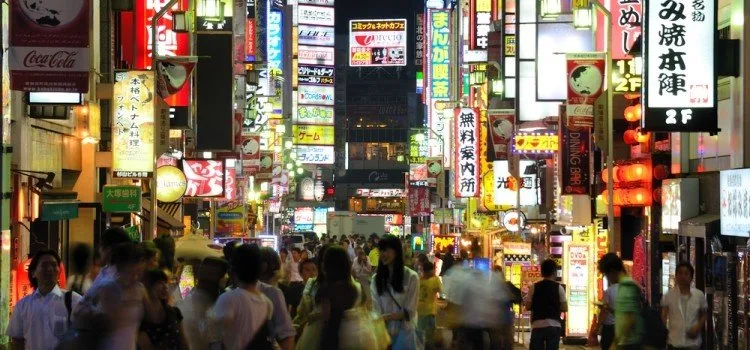
Street touts are the main thing to avoid. In Kabukicho and other nightlife districts, men on the sidewalk may offer a cheap "massage" or "sex massage". The final bill often includes fees that were never mentioned, and the venue may be far from the one advertised. Walk away and choose a place you found yourself. The same rule applies online: a very low price for a long session is usually a sign that something else is being sold.
Etiquette inside a massage salon
Most salons explain their routine at reception, but a few points are consistent across the country.
- Take off your shoes at the entrance if there is a genkan. Slippers are usually provided.
- Arrive five to ten minutes early. Sessions start on time, and a late arrival may mean a shorter treatment.
- Keep your voice low and put your phone on silent. Many clinics ask you not to take calls in the treatment area.
- You will usually undress to your underwear and be covered with a towel or sheet. Some clinics provide a gown; oil treatments may require removing more clothing, but you remain covered by draping. Tell the therapist if you want to keep more clothes on.
- Shower before an oil treatment or a bathhouse service if the salon asks. Follow the usual bath rules: wash first, keep the towel out of the water, and cover tattoos if the facility requires it. The onsen etiquette and bath types guide covers the bathing routine.
- Speak up about pressure, pain or areas you do not want touched. A good therapist adjusts without making it awkward.
- Do not touch the therapist or ask for anything outside the menu. In a therapeutic salon, the service is massage only.
- Pay at reception, not by handing money to the therapist. Tipping is not customary in Japan.
Tell the clinic if you are pregnant, injured or under medical care. Some clinics will adapt the treatment, and others will decline certain areas. That is a sign of professionalism, and the decision should be respected.
Soaplands and the adult side
A soapland is a different kind of business. It is a bathhouse where a customer pays an entry fee for the facilities and a separate fee for a service that includes sexual contact. The format grew out of the toruko-buro, or Turkish bath, businesses that multiplied after the 1956 Anti-Prostitution Law criminalized paid intercourse with an unacquainted person. In 1984, the industry adopted the name soapland after a nationwide contest.
Japanese law still prohibits prostitution as defined in the 1956 law, but soaplands operate in a gray zone. The customer pays for bathing and massage, and the sexual service is treated as something that happens between people who have become acquainted. The businesses are regulated under a 1948 law on adult entertainment, known in Japanese as fuzoku eigyo, and customers must be 18 or older.
Prices start around 20,000 yen for a short session and rise with duration, location and the provider's rank. Tokyo's Yoshiwara and Kabukicho, plus Susukino in Sapporo, are the best-known districts. Some venues cater mainly to Japanese customers, so confirm the total price, the length of the session and any extra fees before you pay. Never leave your passport, wallet or phone with staff, and do not follow a tout to a second location.
The adult side is a separate market with higher prices and different risks. The escorts and prostitution in Japan guide covers the legal and social background in more detail. The licensed clinics described above remain the better choice for a therapeutic massage.
Booking, language and what to bring
Chain clinics often accept walk-ins, but popular salons fill up on weekends. Book online through Hot Pepper Beauty or ask your hotel to call. Travelers who do not speak Japanese should choose a place with an English menu, or bring a translation app and show the staff the treatment they want. Write down the duration and price so there is no confusion at the end.
Bring cash, even if you plan to pay by card. Wear or bring socks, since you will remove your shoes. Oil treatments usually come with disposable underwear or a towel; adult venues require identification that shows you are over 18. Arrive clean and sober. A shower before the session is polite and, at some venues, required.
Japanese clinics often ask about medical conditions, allergies and recent injuries on a short form. Answer honestly. A skin condition, a fever or an open wound is a reason to reschedule. Therapists are trained to work around common problems, but they cannot treat a condition they do not know about.
Conclusion
Massage in Japan is easy to enjoy once you know which type of place you are entering. For a therapeutic or relaxation session, look for a licensed clinic, book through a reputable platform and expect to pay a few thousand yen for 40 to 60 minutes. For an adult venue, treat it as a separate industry with higher prices, age limits and legal gray areas. In both cases, the etiquette is simple: arrive on time, keep your voice low, state your limits and pay the agreed price.

Community
Comments
0 comments
There are no published comments in this language yet.
Send comment