
In this article, we will look at foxes in Japan: their popularity, the legends that surround them, and the folklore woven around them. Did you know that in Japan there is even a village where you can see foxes in the snow? Yes, foxes are of real interest in Japan, and the way they show up in culture is hard to miss.
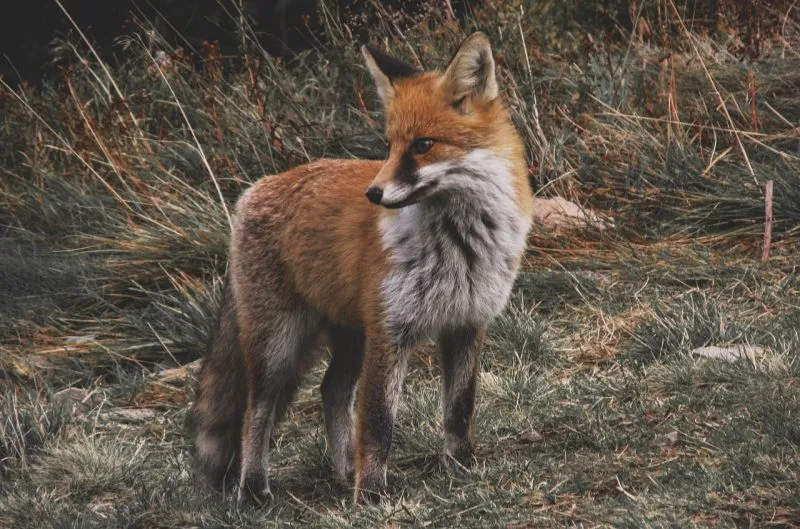
In Japan, foxes are called "Kitsune" [狐] and are known for their cunning and intelligence. Traditional Japanese stories portray them as intelligent beings with paranormal abilities.
Contents 10
The Tales of Kitsune
According to Yōkai folklore, all foxes have the ability to transform into human form. If you have ever watched Natsume Yūjinchō, the wandering Nyanko-sensei is exactly that trick — a sly, magical cat-shaped fox spirit. If you have not watched it, it is well worth a try.
In some popular tales, foxes use this ability to deceive others. In other stories, they are portrayed as loyal guardians, friends, lovers, and wives.
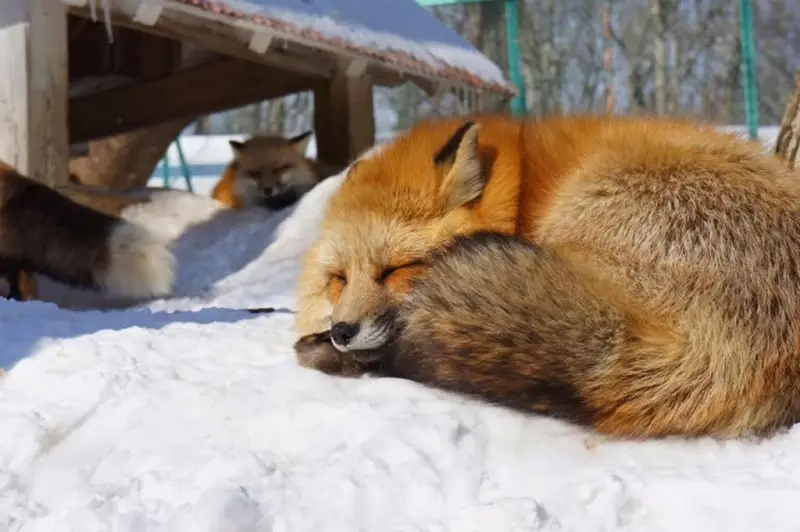
Foxes and humans lived together in ancient Japan, and that companionship gave rise to many of the legends about the creatures. Kitsune became closely associated with Inari, a Shinto kami (deity or spirit), and served as Inari's messengers.
This role reinforced the supernatural significance of the fox. The more tails a kitsune has, the older, wiser, and more powerful it is. They can have up to nine, and that nine-tailed form is the one most often seen in popular culture.
Because of their potential power and influence, some people make offerings to them as if they were deities. On the other hand, foxes were often seen as "witch animals." Especially during the superstitious Edo period, they were considered goblins that could not be trusted.
Kitsune Masks
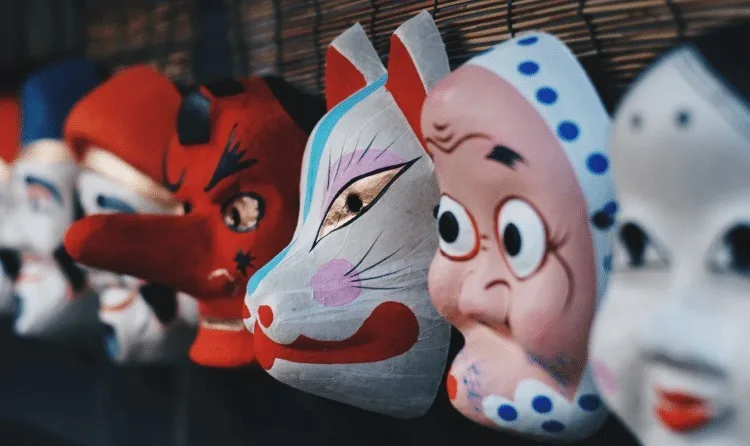
Kitsune masks have a distinctive appearance, usually made of papier-mâché or wood and hand-painted with golden or red details. The mask represents the face of a fox and is often used as part of a costume or outfit in theatrical performances or folk dances.
There are many different types of Kitsune masks, each with its own appearance and meaning. The Noh Kitsune mask is used in Noh theater performances and usually has a more realistic and detailed appearance. The Okame Kitsune mask, on the other hand, is used in folk dance performances and has a more caricatured look.
Kitsune masks are an important part of Japanese culture and are often seen at festivals and traditional ceremonies. Beyond their striking appearance and cultural symbolism, they are also an example of Japanese craftsmanship and the country's rich tradition of handicrafts.
You can find step-by-step videos that teach how to make a fox mask, or buy one on Japanese websites and from anime and cosplay shops. If you would like a deeper look at masks in general, our guide to famous Japanese masks and their meanings is a good place to start.
Types of Kitsune
And to finish the cultural overview, a rather interesting piece of information. Not all kitsune are the same — this may seem obvious — but it is still worth naming some of the types that exist in the tradition.
- Bakemono-Kitsune: an evil and ghostly fox, similar to other entities like Reiko, Kiko, and Koryo.
- Genko: a black-furred kitsune, usually considered a sign of good omen.
- Kiko: a fox spirit.
- Kitsune: the general term for "fox," which can be portrayed as good or evil.
- Kitsune-Bi: kitsune that have the power to invoke fire with their mouth, tail, and through transmutation.
- Koryo: a cursed fox.
- Kuko: foxes associated with the element Air. Kukos are extremely evil, comparable to the Tengu, a goblin from Japanese mythology.
- Kyuubi: kitsune that have reached 900 years of age and developed nine tails. They gain the ability to see and hear everything anywhere in the world, as well as obtain infinite wisdom.
- Reiko: the ghost of a fox, which is not necessarily evil, but is definitely cunning.
- Shakko: a red-furred kitsune, which can be both good and evil.
- Shouzaa: the spirit Seiryu, who oversees the foxes.
- Tenko: elite celestial kitsune, who reach 1,000 years of age. Normally, at this age, they already have nine tails and their fur changes to silver or gold.
- Yako/Yakan: literally, "evil foxes."
- Nogitsune: wild kitsune, usually used to draw the line between the good and the evil.
As we can see, there are various types, both good and evil. References to these animals show up regularly in anime — in titles like Natsume Yūjinchō, Pokémon, and No Game No Life, among others.
The Nine-Tailed Fox
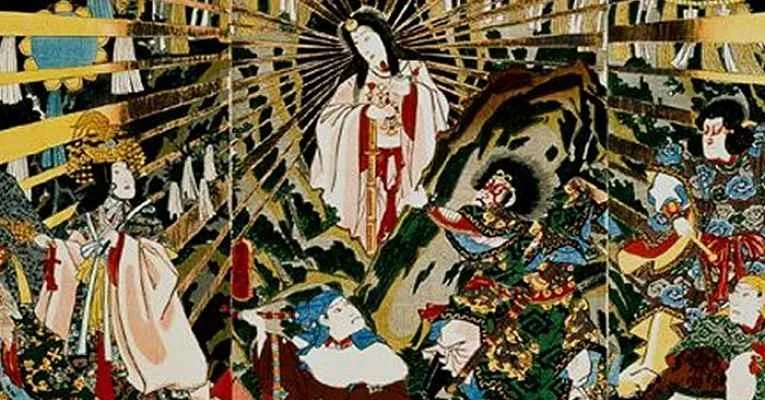
A long time ago, at the beginning of things, when there was only the Celestial Kingdom, the Creator Goddess Izanami [伊邪那美命] gave birth to twins, the God of Fire Kagutsuchi [軻遇突智] and the Goddess of the Sun Amaterasu [天照].
The Creator Goddess Izanami was severely burned by the birth of the Fire Gods, which caused her death. The twins she bore were rebellious, cruel, and vain, driven by their fire energy to desire power at any cost.
Rejecting the Celestial Kingdom of their parents, Izanagi and Izanami, the Goddess of the Sun Amaterasu and the God of Fire Kagutsuchi created the Demon Kingdom of Fire Oni No Seka, so they could rule shamelessly and separated from the celestial government.
The Goddess of the Sun Amaterasu [天照] longed for beauty and power, and she was never happy with her appearance. So she changed her form at will. She took on the form of an elegant and cunning fox, with rays of sunlight forming her nine flowing tails.
Thus she became the mother of all fallen shapeshifters. She took the name Kyukon [キュウコン], which combines kyū [九], meaning nine, and kon [恨], meaning curse — representing the nine tails, or curses, she would inflict upon humanity.
Anime with Kitsune (Foxes)
Most anime that mix in Japanese mythology usually touch on something related to foxes, especially the goddess Amaterasu as seen in the classic Naruto. What fewer people know is that there are also anime focused on Japanese foxes themselves.
You can see some of these in our articles on mythological anime and animal anime. The main goal here, though, is to highlight a few of these titles below.
Gugure Kokkuri-san
The story revolves around a girl named Kohina who summons a Kokkuri-san, a low-level ghost in Japanese folklore. The Kokkuri-san she calls turns out to be a young and handsome man with white hair.
At first, he intended to simply haunt her, but soon he becomes concerned about her terrible habit of eating a cup of ramen for every meal. He ends up staying to protect her. The anime features various mythological creatures from Japanese folklore, including foxes.

Kamisama Hajimemashita
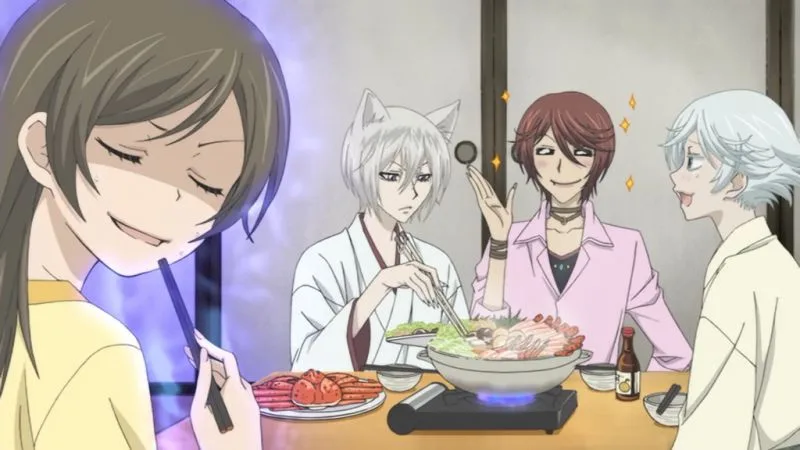
Kamisama Hajimemashita is a shōjo romance and comedy anime that features a kitsune protagonist. It tells the story of Nanami, a girl who is evicted from her home after her gambling-addicted father abandons her and runs away leaving debts behind.
While wandering the streets, Nanami meets a man who, on hearing her story, offers her his home to live in — which is actually an abandoned temple where she becomes the local deity.
Inu x Boku
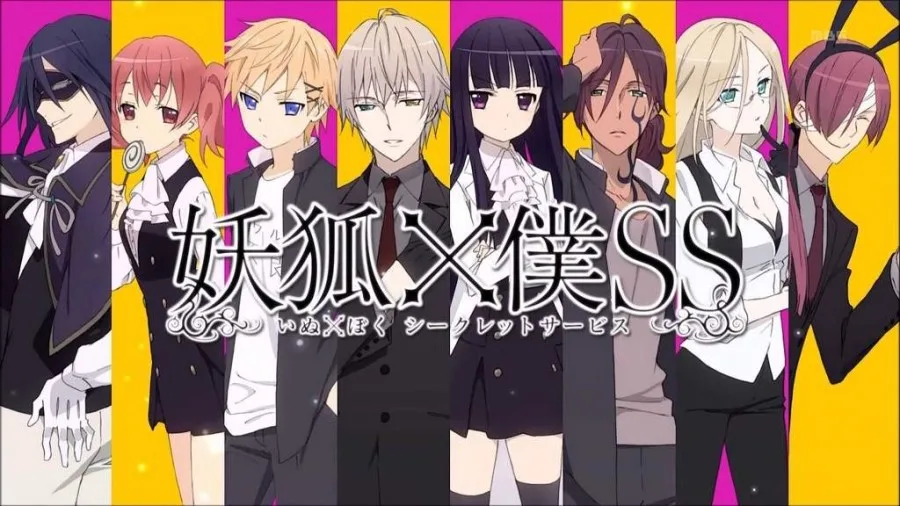
Shirakiin Ririchiyo, worn down by the flattery and mistreatment that her family's name brought her throughout her life, decides to move and live alone until she learns to interact with people without hurting them or being hurt.
Her parents only agree if she goes to live in Maison de Ayakashi, commonly known as Ayakashi House, a luxury residence where only those who are selected can live. The truth is that the house hides another secret.
Other Fox Anime
There are other anime, movies, and OVAs featuring foxes that often go unnoticed. Here is a list of them. I have not watched every title on it, so treat the order more as a starting point than a ranked verdict.
| Title | Format | Year |
|---|---|---|
| The Helpful Fox Senko-san | TV | 2019 |
| Black Fox | Movie | 2019 |
| Cheonnyeon-yeowoo Yeowoobi | Movie | 2007 |
| Gingitsune: Messenger Fox of the Gods | TV | 2013 |
| Our Home's Fox Deity | TV | 2008 |
| Genbanojou | Movie | 2017 |
| Chironup no Kitsune | Movie | 1987 |
| Kanokon | TV | 2008 |
| Voice of Fox | TV | 2018 |
| Gongitsune | Movie | 1985 |
| Namake Gitsune | Movie | 1941 |
| Kitsune no Home Run Ou | Movie | 1949 |
| Kitsune to Circus | Movie | 1948 |
| Mang Nu Yu Huli | Movie | 1982 |
| Fox Wood Monogatari | OVA | 1991 |
| Kitsune to Budou | OVA | 1998 |
| Kogitsune no Okurimono | OVA | 1993 |
| Kyuubi no Kitsune to Tobimaru (Sesshouseki) | Movie | 1968 |
Zao Kitsune Mura — Fox Village in Japan
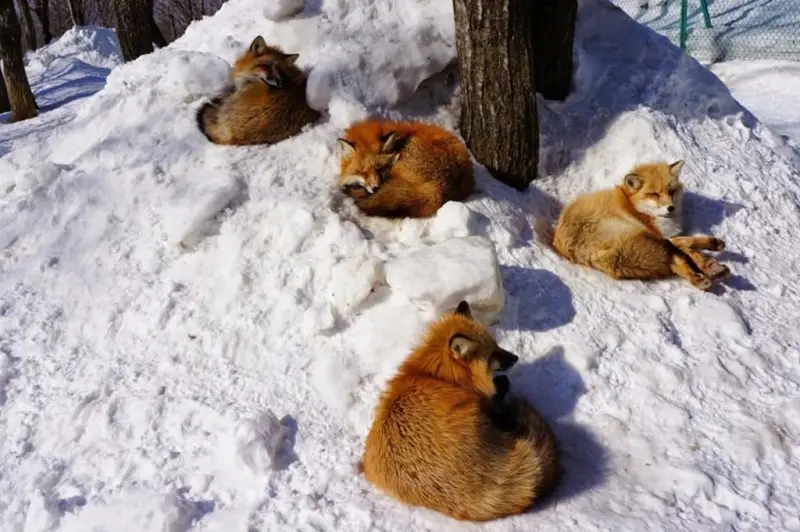
In Japan, you can find places like the Cat Island, Rabbit Island, and the city of deer. There is also a fox village — a place full of foxes walking on the snow in the mountains.
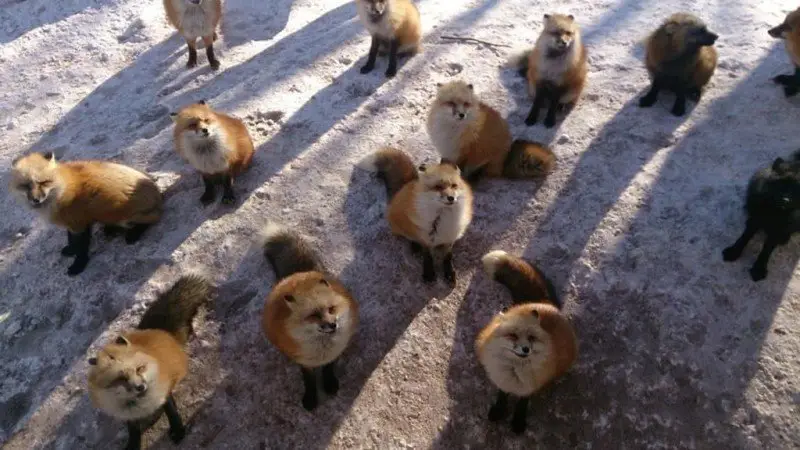
The fox village is located near Shiroishi in Miyagi Prefecture. It is called Zao Fox Village, or Zao Kitsune Mura. The foxes roam freely and visitors can interact with them, feed them, and take plenty of photos.
Foxes are popular creatures in Japanese folklore, and there is even a shrine dedicated to them, since they are said to be messengers of the deity Inari. Many people visit this village just to see the foxes wandering across the snow.
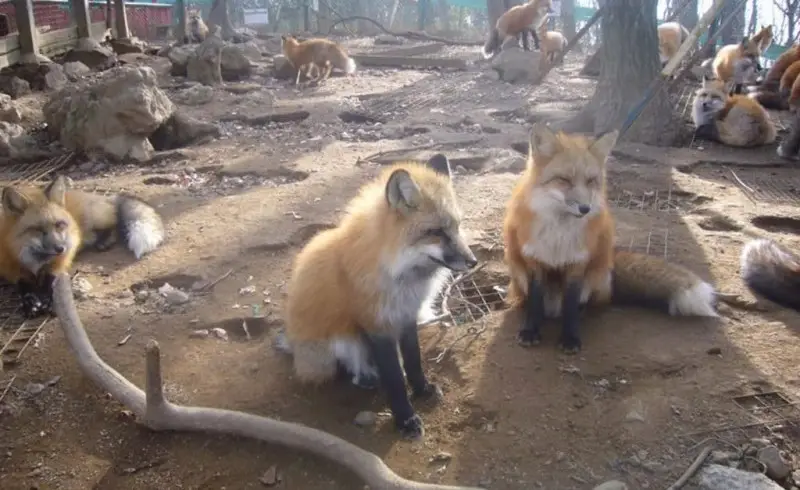
Besides the kawaii foxes, there are other animals in the village, like rabbits. Like any tourist spot, you will find restaurants and souvenir shops with plenty of fox-related products. If you are visiting Miyagi, Zao Kitsune Mura is well worth a stop.
On site, there are six different types of foxes that run around and interact with visitors. When you pay the entrance fee, you receive some food to give to the animals, but you should not feed them by hand — despite looking adorable and harmless, they are wild.
Entry to the fox village runs at roughly 1,000 yen. Be careful with the animals; they may bite if you crouch down too close. Since foxes are territorial, keep an eye on bags and backpacks, as they may try to mark them.
- Official website: Zao Kitsune Mura
- Address: 〒 989-0733 Miyagi, Shiroishi, Fukuokayatsumiya, Kawarago−11−3
- Phone: +81 224-24-8812
To close, here are two short videos so you can see the village full of foxes for yourself.
Have you ever come across a kitsune in folklore, anime, or in person at a place like Zao? Tell us in the comments which one stayed with you, and feel free to share the article with a friend who loves Japanese culture.



Community
Comments
0 comments
There are no published comments in this language yet.
Send comment