

Do you know the word omedetou? Would you like to know its real meaning? The famous Japanese word Omedetou (おめでとう) primarily means congratulations.
We will also see some curiosities, some synonyms, and alternative words you can use to congratulate someone. It is the word behind happy birthday, congratulations on a wedding, and many other set phrases.
Contents 4
What does omedetou mean in Japanese?
The word Omedetou (お目出度う) is the greeting for an auspicious occasion such as a birthday, a wedding, or a promotion. The word comes from the adjective medetai (目出度い), which means happy, auspicious, cheerful, and favorable.
おめでとう comes from おめでたく, an older adverbial form of おめでたい, after the same kind of sound change you hear in arigatou and ohayou. Spellings such as 御目出度う and 御芽出度う are ateji: 目出 and 芽出 play on something lucky coming into view. This word is usually accompanied by the famous expression gozaimasu (ございます), which makes the expression a bit more formal.
Ironically, the adjective medetai can also mean naive, innocent, or foolishly optimistic. There are Japanese sweets that are also called omedetou (御目出糖) and are made from rice and azuki beans, given at births and weddings in place of sekihan.
The etymological spelling of the adjective is 愛でたい, from the verb 愛でる, to admire. 芽出度い and 目出度い are ateji later attached to the same sound. Nowadays, the word is more often written in hiragana when it is a congratulatory expression (omedetou) and sometimes with kanji if used as an adjective.
Another celebratory word you will hear is kanpai, the Japanese toast, a different act from saying omedetou.
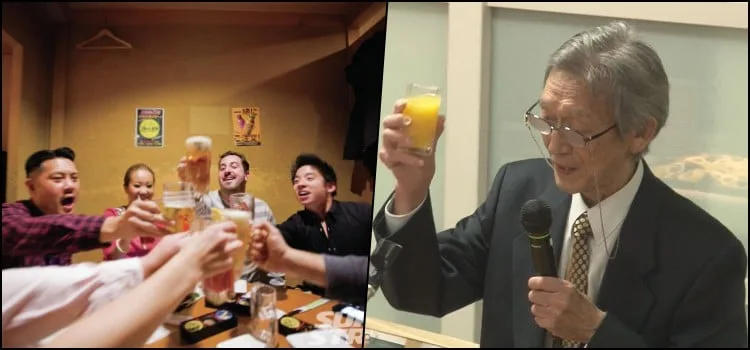
How to use omedetou in Japanese
Below we will share some example sentences that can help you understand the use of the word omedetou:
- 明けましておめでとう (Akemashite omedetou) - Happy New Year
- 誕生日おめでとう (tanjoubi omedetou) - Happy Birthday
- ご婚約おめでとうございます (Go kon'yaku omedetou gozaimasu) - Congratulations on your engagement
- クリスマスおめでとう (kurisumasu omedetou) - Merry Christmas
- 優勝おめでとう (Yuushou omedetou) - Congratulations on the victory
- 卒業おめでとう (sotsugyou omedetou) - Congratulations on your graduation
Synonyms and alternatives to omedetou
Before we start, I want to briefly mention the verb moushiageru (申し上げる) which means to express, declare, or offer and is usually used after some words that we will study below.
- 目出度し目出度し (medetashi medetashi) - And they all lived happily ever after
- お祝い(申し上げる) (oiwai (moushiageru)) - Congratulations, celebration, festival
- おめでとうさん (omedetousan) - Congratulations (Kansai dialect)
- お喜び(申し上げる) (oyorokobi (moushiageru)) - To express pleasure, happiness
- 寿 (kotobuki) - Congratulations, happiness, long life
- 祝賀 (shukuga) - Celebration, congratulations
- 慶賀 (keiga) - Formal congratulations
- コングラチュレーション (kongurachureeshon) - From the English congratulation
慶弔 (keichou) is the dictionary name for the pair of congratulatory and condolence ceremonies, a category of formal occasions rather than a spoken greeting.
Phrases using the word omedetou
Below we will see some phrases teaching how to say happy birthday, happy new year, and other similar phrases in Japanese.
Happy Birthday (formal)
お誕生日おめでとうございます。
O-tanjoubi omedetou gozaimasu.
Congratulations on your wedding!
ご結婚おめでとうございます。
Go-kekkon omedetou gozaimasu. (formal)
They congratulated the seniors on their promotion.
彼らは先輩に昇進おめでとうと言った。
Karera wa senpai ni shoushin omedetou to itta
Congratulations on graduating
ご卒業おめでとうございます。
Go-sotsugyou omedetou gozaimasu
Congratulations on passing the exam
合格おめでとう。
Goukaku omedetou
With friends and family, omedetou alone is enough. With a teacher, a boss, a customer, or someone you have just met, add gozaimasu and say おめでとうございます. New Year has its own longer greetings, collected in Japanese New Year phrases.






Community
Comments
0 comments
There are no published comments in this language yet.
Send comment