
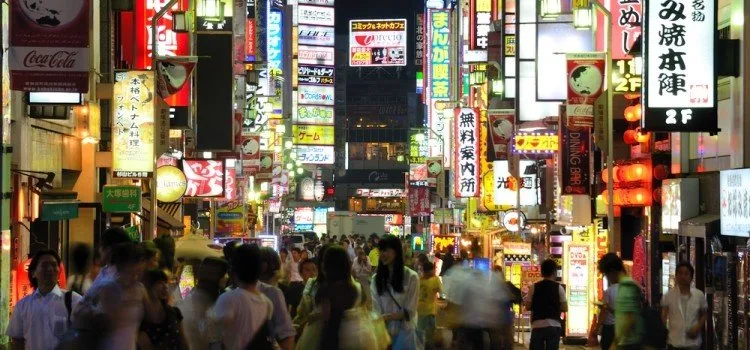
Japan banned prostitution in the 1950s, and the industry never packed up. Walk through Kabukicho at night and the signs are not hiding. They are just selling a bath, a drink, a chat, or a massage, as if the 1956 law were a riddle instead of a ban.
If you came here looking for escorts, the English word is already part of the mess. A hostess who pours whisky is not a soapland, and neither is the same thing as a street tout in Shinjuku. The curious part is how a country that still treats baishun as illegal ended up with whole neighborhoods built around everything the statute refuses to name.
Contents 5
Is prostitution illegal in Japan?
On 24 May 1956 the Diet passed the Anti-Prostitution Law (Baishun Bōshi Hō [売春防止法]). It came into force in April 1958. On paper, no person may engage in prostitution or become the customer of it. In practice, people work the gaps in that wording, and the wider sex industry is still often estimated at around 2.3 trillion yen a year.
Japan defines prostitution as sexual intercourse with an unspecified person in exchange for payment. Acts the law does not count as intercourse, and paid sex between people treated as already acquainted, sit outside that line.
To stay on the legal side of that sentence, businesses sell sexual massages, baths, and other services that do not advertise intercourse as the product. That is the opening soaplands and “health” shops walked through.
Therefore, it is common in Japan to find places where you pay to talk to a woman, pay to bathe, or pay to dance. There are bars where you pay just to grope the breasts of Japanese women, and other places offer unusual services.
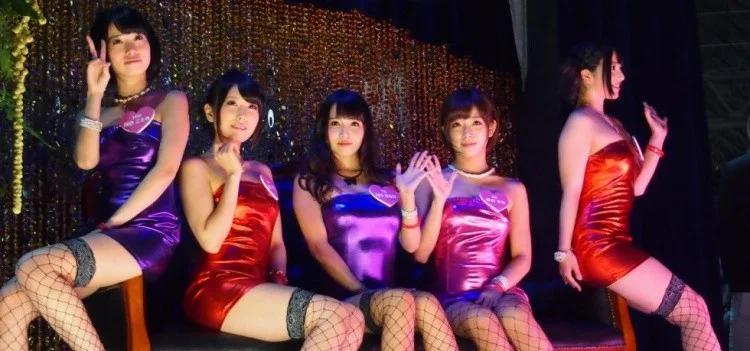
Of course, most official massage houses offer the full service in the dark. After all, there is no way to supervise this well. Hundreds of suspicious places circulate the neighborhoods of Tokyo and other cities.
The history of prostitution in Japan
The sex industry in Japanese is called fūzoku [風俗], which can be literally translated to vulgar style [風] [俗] or simply as manners, customs, and public morals. This word covers indecent services, but it is not a synonym for illegal prostitution.
Be careful, as the word fūzoku also has meanings unrelated to sex. Another word that can refer to nightlife that lives on customer whim is mizu shōbai [水商売], the “water trade.” The word that names prostitution as the law forbids it is baishun [売春]; baishunfu [売春婦] is the older word for the woman selling it.
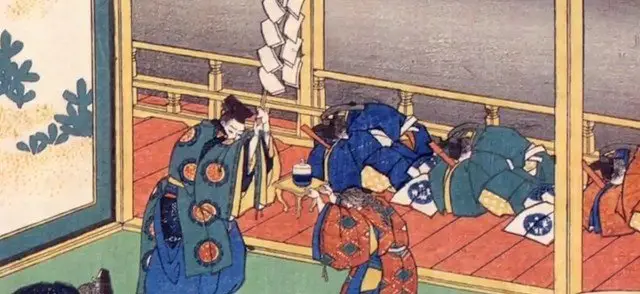
Contrary to what some think, geishas have nothing to do with prostitution. In reality, becoming a geisha was a way for women to have a dignified job and not succumb to prostitution, which was very strong at the time.
Women in the licensed quarters were often bound by debt, not free employees. Foreign demand is an old part of the story too: Chinese and Korean visitors used Japanese brothels centuries before the Edo regulations, and from the 1540s Portuguese ships and their crews bought or captured young Japanese women. That overseas traffic is real. It is not, by itself, how Yoshiwara was invented.
Right in the Edo Period, the Tokugawa Shogunate limited prostitution to areas called yūkaku [遊廓], the most famous being Yoshiwara in Tokyo, Shinmachi in Osaka, and Shimabara in Kyoto. The prostitutes were called yūjo [遊女].
The deception of prostitution in Japan
One of the biggest deceptions is that many of the prostitutes providing services in Japan are not Japanese. In 2003, it was reported that as many as 150,000 non-Japanese women were involved in prostitution in Japan.
Many businesses and massage houses hire Chinese, Korean, Filipino, and Thai women to work in these places. It turns out that many foreigners get involved with an Asian woman thinking she is Japanese.
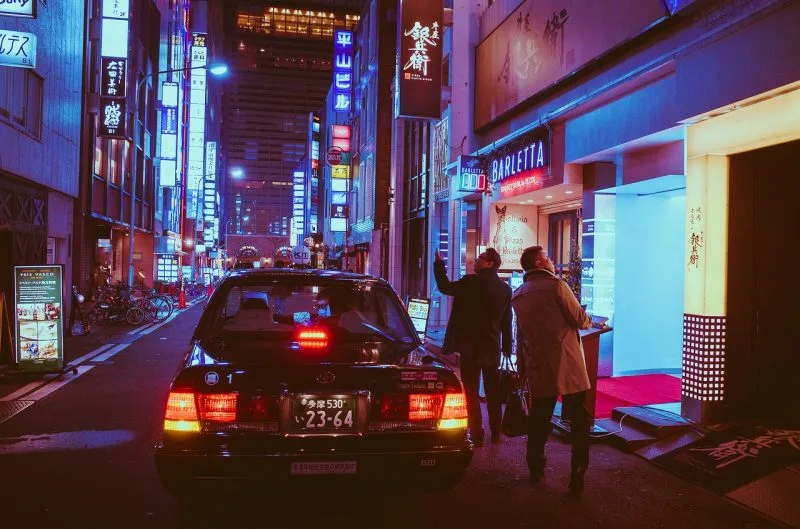
As prostitution is officially prohibited in Japan, many industries use sexual impulses to sell alternative things that do not satisfy the appetite but become addictive, such as hostess clubs where you pay to talk to girls.
Sex toys, erotic and animated videos, provocative banners, practically many things are made to compensate for the surface of prostitution in the country and the false purity that the Japanese wish to present. Some even pay simply to have their ears cleaned with a cotton swab by a beautiful young woman.
Others end up addicted to snack bars, places where young skilled waitresses use their charms to seduce customers and make them spend more and more money in the false hope of having a night with them.
Soaplands, massage houses, and the other storefronts
Massage houses are quite popular in Japan. Some Japanese work a lot and need a place to relax, whether in an onsen or in a specialized massage house. There are different massage establishments spread throughout Japan, some unisex, others exclusive to women, etc.
The format that made the loophole famous is the soapland (ソープランド). You pay to use a bath. Then comes a “massage.” During that time the worker and the customer are treated as having become acquainted, which is how the shop argues that whatever follows is no longer sex with an unspecified person. Fashion health shops, pink salons, and delivery health (deriheru) sell neighboring versions of the same idea, usually stopping short of the act the 1956 law names, at least on the menu.
Some of these massage establishments may offer the famous "sex massage," which consists of a massage that can include the genitals of both parties involved. Usually, this service is booked online at a hotel.
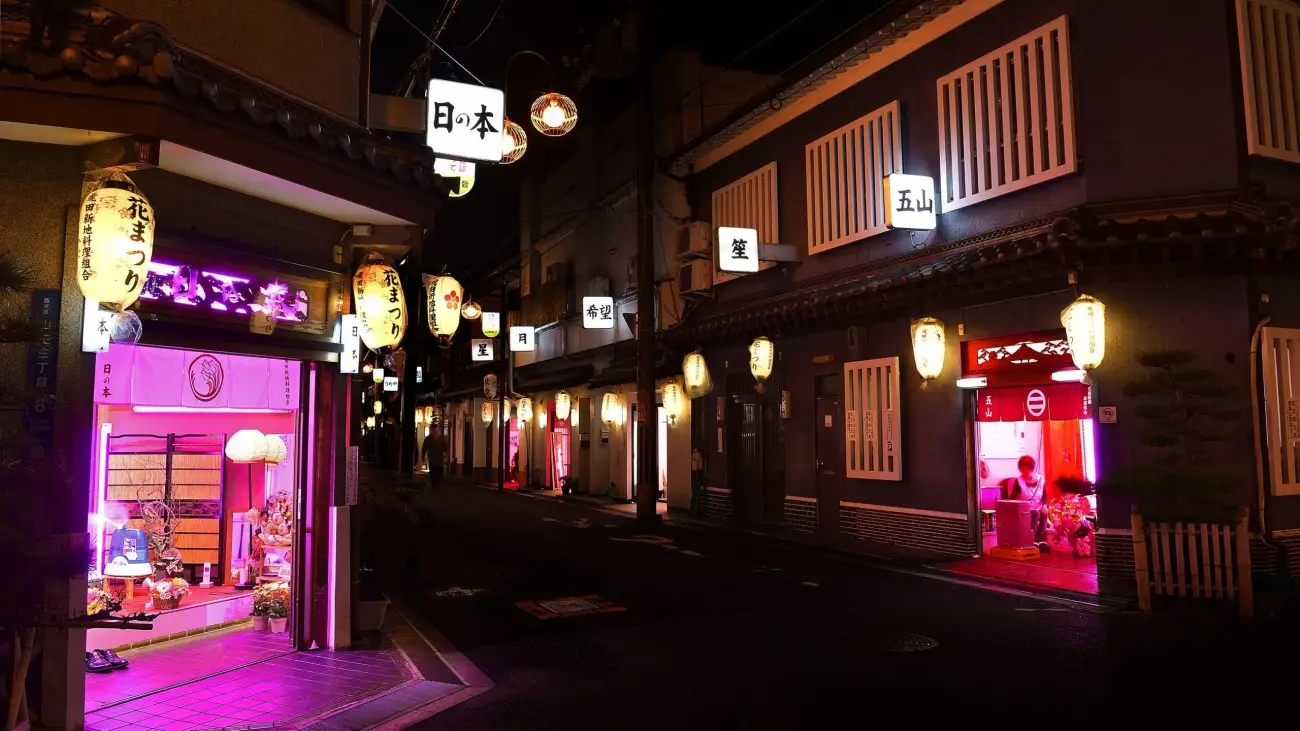
If you visit neighborhoods like Kabukicho, you may find suspicious men inviting you to these places. They usually charge around 10,000 yen for the erotic massage and probably have their own establishments.
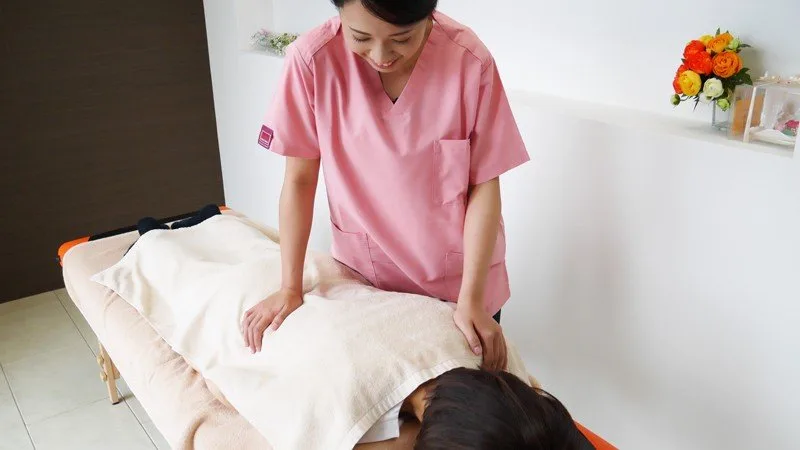
It is unlikely that a massage house will openly advertise these services, but you can notice by the price and the provocative posters. Although erotic massage is not prohibited by prostitution law, many industries use this to sell sex discreetly.
Generally, when hiring a girl for an erotic massage, she may likely agree to have sexual relations if you pay an additional fee. She may also charge specific amounts for each different thing you desire. You will probably easily spend more than 20,000 yen for these services.
Where escorts actually show up
As mentioned earlier, you can easily find encounters without sexual relations just to have someone to talk to. If you are hunting for an escort in the English sense, that usually points to red-light neighborhoods, soaplands, and massage houses, not a hostess bar.

Be careful with strangers offering these services on the street, especially in neighborhoods like Kabukicho. I will not recommend any specific place, as I hate this kind of practice; I am writing only to satisfy the curious.
Be very careful in the places you get involved in Japan. Many are run by yakuza members, or you could end up in jail (very rare).

Community
Comments
0 comments
There are no published comments in this language yet.
Send comment