
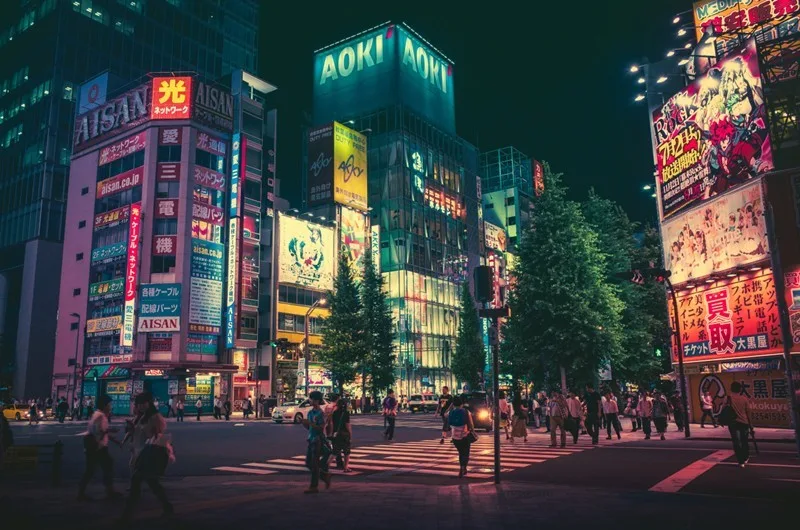
Two characters, one everyday word — and suddenly it shows up on a sushi chain, in judo dōjō, and in every newspaper. Gendai sounds simple, but it does not just mean “new.” It points to the time we are living in right now.
If you study Japanese or read about Japanese culture, you keep meeting 現代. Here is the meaning, the kanji, common compounds, the modern martial arts called gendai budō, and the Brazilian restaurant brand that carries the same name.
Contents 6
Meaning of Gendai
Gendai [現代] (hiragana: げんだい) is a noun that can also work with the particle no like an adjective. At its core it means present day, modern times, or the contemporary era — the period that is unfolding now, not a distant “modern age” in a history book.
The word is written with two kanji:
- 現 (gen) — present, existing, current;
- 代 (dai) — generation, era, period of years (related to how Japanese talks about days, months, and years).
Together they roughly mean “the present generation” or “the current era.” Dictionaries list senses such as nowadays, modern times, and present-day.
In short: Gendai = the present / contemporary times. As a modifier, 現代の (gendai no) ≈ modern, present-day, contemporary.
Gendai and Kindai — what is the difference?
Learners often mix up 現代 (gendai) and 近代 (kindai). Both can be translated as “modern,” but they do not point to the same thing:
- Gendai — today, the present, what is happening now (society, everyday life, current culture);
- Kindai — the modern era in a historical sense (often from the Meiji Restoration through much of the twentieth century), “modern history,” not “just now.”
When you talk about today’s fashion, current films, or life as it is lived now, reach for gendai. When you mean industrialization and the Meiji period as a historical phase, kindai is usually the better fit.
Words built from Gendai
- Gendaiteki [現代的] — modern, contemporary in character;
- Gendaigeki [現代劇] — contemporary drama (film, TV, or stage set in the present);
- Gendaishakai [現代社会] — modern society;
- Gendaiiryou [現代医療] — modern medicine;
- Gendainihongo [現代日本語] — modern Japanese (the language of the present);
- Gendaisen [現代戦] — modern warfare;
- Gendaigo [現代語] — modern language, living language;
- Gendaijin [現代人] — person of the present day.
In sentences you often see patterns such as 現代の音楽 (gendai no ongaku — contemporary music) or 現代社会では… (in modern society…).
Gendai Budō — modern martial arts
Gendai budō [現代武道] refers to modern Japanese martial arts that were systemized or newly founded after the Meiji Restoration (around 1868). The counterpart is kobudō or koryū — older schools that arose before that historical break.
Typical gendai budō directions include:
- Aikidō
- Jūdō
- Jūkendō
- Iaidō
- Karate-dō
- Kendō
- Kyūdō
- Naginata-dō
- Shōrinji Kempō
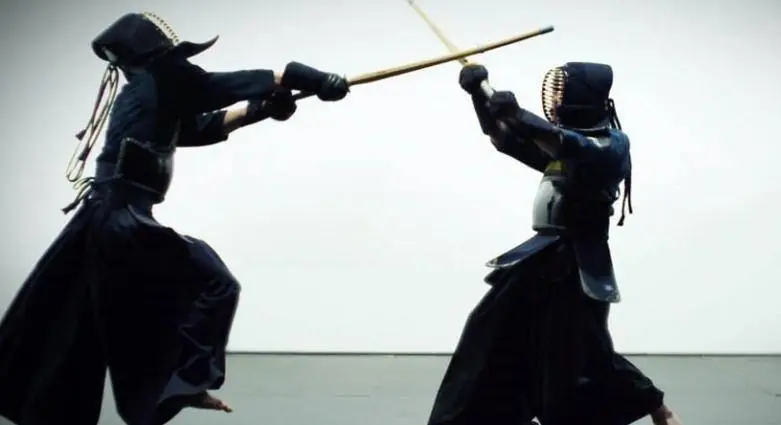
Many gendai budō styles use the kyū and dan ranking system and welcome a broader public than some classical schools with stricter entrance customs. The name itself is a reminder: these are martial ways of the present, not strictly the world of the samurai era.
History of the Gendai restaurant
Outside Japan, many people first meet the name through the Brazilian Japanese-food brand. The first Gendai opened in 1992 as a shop for Japanese products in Shopping Morumbi. It offered customers fruits and vegetables, meats, fish, and other specialties.
The brand became known for its sushi bar, with dishes prepared on the spot and ready for takeout. It was founded by Carlos Sadaki Kaidei and grew into a well-known sushi franchise. In Japanese, the name fits the idea of “modern times” — a commercial use that has nothing to do with martial arts, yet still rests on the same everyday word 現代.
In Brazilian business media the chain later appears alongside other Asian-food brands and investors; the core meaning of the Japanese word remains “present day,” whatever logo it ends up on.
When is this word worth learning?
If you read headlines, watch series set in the present, or need vocabulary for “modern / nowadays,” gendai is the standard pick. It is everyday Japanese, not exotic specialist jargon — which is exactly why the kanji and a few compounds are worth locking in.
Memory tip: Gendai points to now. When you talk about historical phases or “modernity” as a past chapter, check whether kindai fits better. And when someone says “gendai” in a dōjō, they often mean the modern budō paths — not the restaurant menu.





Community
Comments
0 comments
There are no published comments in this language yet.
Send comment