
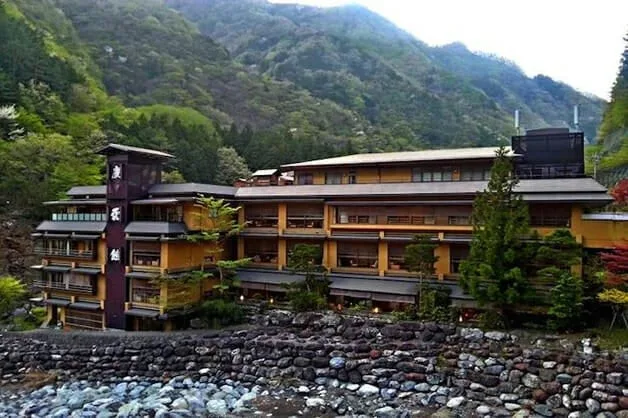
A ryokan (旅館) is a traditional Japanese inn where the stay is often part of the trip itself. Rather than treating the room as a place to sleep and leave, a ryokan usually brings together tatami flooring, futon bedding, Japanese-style baths and, in many cases, dinner and breakfast. The details vary widely, so the best way to choose one is to look beyond the label and check exactly what the property offers.
Some ryokan are small, family-run inns; others are large properties with many rooms and modern facilities. A first stay can feel unfamiliar, but it does not need to be formal or intimidating. Knowing how the room, meals and baths work makes it easier to decide whether a ryokan fits your itinerary.
Contents 8
How is a ryokan different from a hotel?
A hotel is often built around convenience: a bed, a private bathroom and a practical location. A ryokan can provide those things too, but its traditional form gives more weight to the atmosphere and daily rhythm of the stay.
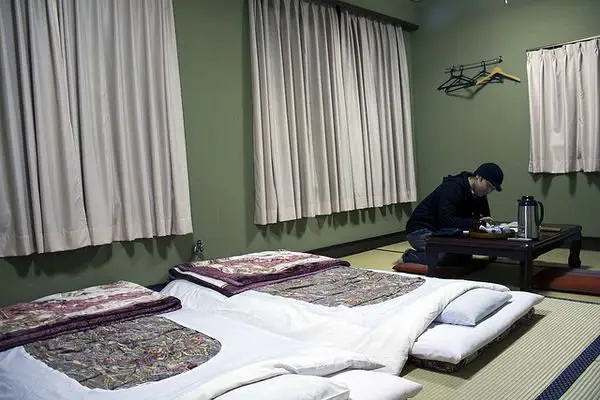
The room may have tatami mats, a low table and sliding doors. Futons are commonly prepared for sleeping, although some properties offer Western-style beds. Service also differs from place to place: a simple inn may be relaxed and self-service, while a higher-end ryokan may arrange meals and bedding around a set schedule.
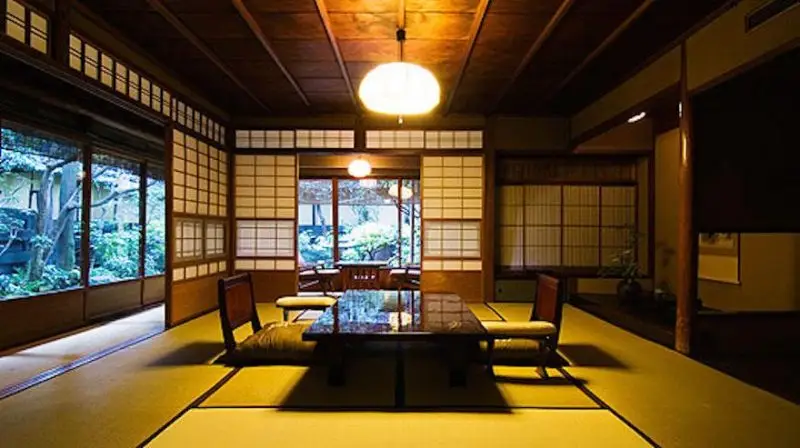
What can be included in a ryokan stay?
There is no single package that applies to every ryokan. Before booking, read the room plan instead of assuming that meals, a private bath or a particular room style are included. Common elements include:
- a Japanese-style room with tatami and futons;
- a yukata robe for use at the property;
- an evening meal and Japanese breakfast on plans that include food;
- a communal bath, a reservable private bath or an in-room bath, depending on the property;
- seasonal dishes that may use local ingredients.
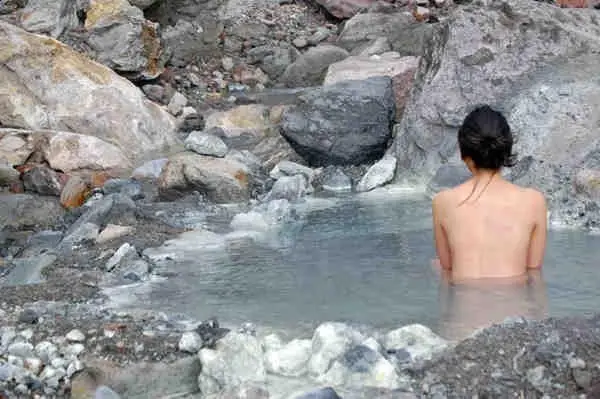
Not every ryokan sits on a natural hot spring. An inn may have a regular Japanese-style bath, while an onsen ryokan uses hot-spring water. That distinction matters if bathing is one of the main reasons for the stay.
The room: tatami, futons and a different pace
Traditional rooms are designed to change function through the day. A low table and cushions make the space a sitting room, then futons can be laid out at night. If you have never used one, it helps to know that a futon in this context is bedding placed over the tatami, not a thin mattress chosen at random.
Read our guide to the Japanese futon if you want a closer look at how it is used. For travelers who prefer a standard bed, many modern ryokan list Western-bed rooms separately; choose that room type rather than relying on photos alone.
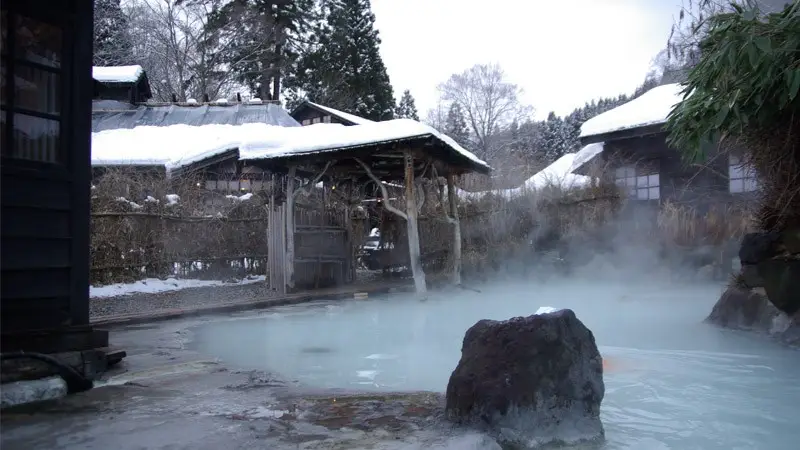
Baths: onsen, privacy and etiquette
Bathing is central to many ryokan stays, especially in hot-spring towns. Communal baths usually have separate areas by gender, but arrangements differ. Some properties also offer private baths that can be reserved, while others have rooms with their own open-air bath.
Check the bath type before reserving, particularly if you need privacy, are traveling with children or have questions about tattoos. A ryokan provides the setting, but its house rules determine how the bath is used. Our introduction to onsen in Japan explains the basics, and the guide to mixed-bathing onsen covers a less common arrangement that should never be assumed.
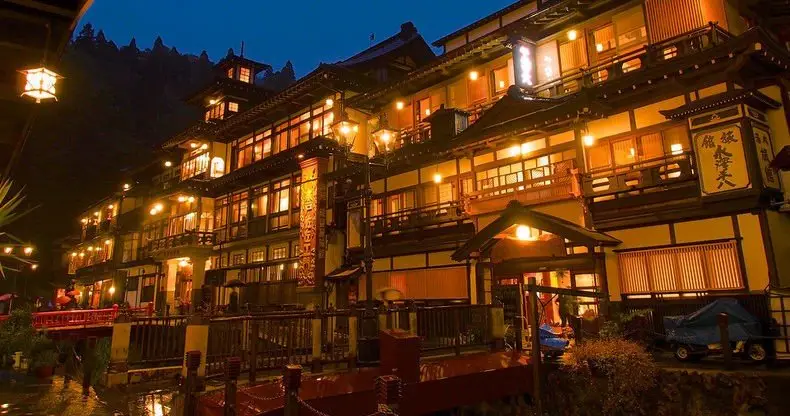
Meals and timing
Dinner and breakfast are often a major part of the experience, not a minor add-on. A dinner plan may feature a sequence of small dishes, sometimes in a kaiseki style, while breakfast can include rice, soup, fish and side dishes. The exact menu, service location and meal time are set by the property.
That is why it is worth checking dinner hours before making evening plans. If food is the reason you are booking, ask whether the rate includes both meals and whether dietary needs can be accommodated. For more context on the meal style, see kaiseki cuisine.
Where does a ryokan make the most sense?
A ryokan often feels most rewarding when the destination leaves room to slow down: an onsen town, a rural area or a quieter part of Kyoto are common examples. In a large city, a ryokan can still be an excellent choice, but compare the location, meal schedule and bath facilities with what you want to do that day.
If you mainly need a lower-cost place to sleep, a minshuku (民宿) may be a better fit. These family-run lodgings can retain a Japanese domestic feel without offering the full range of services associated with a ryokan. A guesthouse or hotel may also suit travelers who want flexible timing more than a traditional stay.
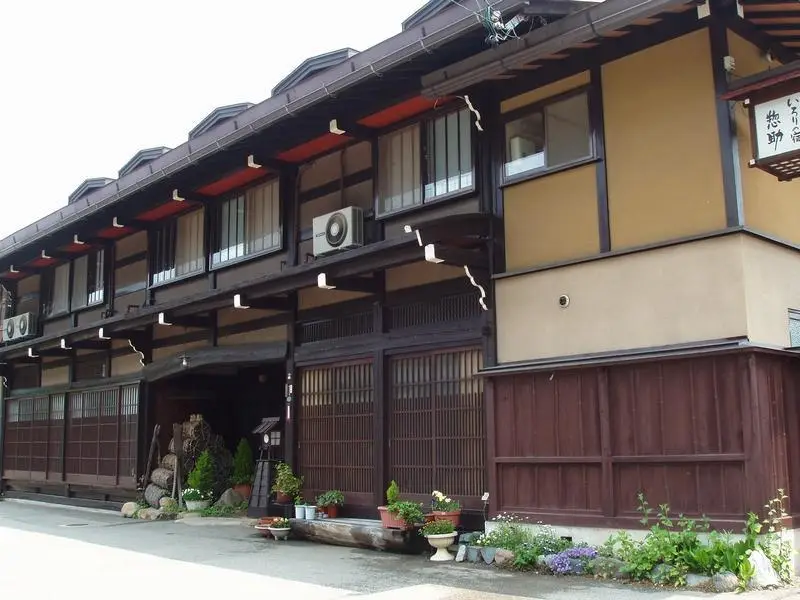
How to choose a ryokan before booking
A thoughtful comparison avoids most disappointments. Use the listing and recent guest information to answer these questions:
- Is the room Japanese-style, Western-style or a mix of both?
- Are dinner and breakfast included, and what are the serving times?
- Does the property have an onsen, a communal bath, a private bath or no bath facility?
- Is the bath shared, reservable or attached to the room?
- Does the location make sense for a quiet overnight stay or for your planned sightseeing?
- Can the property address dietary, mobility or tattoo-policy questions before arrival?
Price alone does not explain the experience. A lower rate may exclude meals, have a smaller room or offer a simpler bath setup, while a higher rate may bundle services you would otherwise pay for separately. Compare the plan details first, then decide whether the added parts are valuable for your trip.
A good first ryokan stay
For a first visit, choose a property with clear room descriptions, bath information and meal details. Arrive with enough time to settle in, follow the house guidance for shoes and bathing, and leave space in the evening for dinner if it is included. A ryokan does not need to replace every hotel night in Japan; one well-chosen stay can be enough to understand why this style of lodging remains so memorable.



Community
Comments
0 comments
There are no published comments in this language yet.
Send comment