Bayashi TV is a channel on Tiktok, YouTube, and other social networks where a Japanese person posts ASMR-style food videos showcasing the creation of various dishes, mostly involving frying.
The Tiktoker Bayashi is one of the biggest in the genre, surpassing 45 million followers on Tiktok and over 9 million on YouTube and 1.3 million on Instagram. His videos are innovative and unique.
These are not random ASMR videos where someone is just banging on food; Bayashi manages to synchronize all the sounds, creating a pleasant and perfect combination and rhythm. These are not videos for those who like ASMR, but videos for everyone.
His recipes are delicious and make the mouths of the majority water; the best part is that thanks to Bayashi, Japanese cuisine is becoming known and being spread all over the world.
The channel manages to blend ASMR, recipes, and eating in one, with a charismatic face and greasy, extremely appetizing dishes.
Below we will answer some frequently asked questions involving Bayashi:
(Just click on the question titles to display the answers)
How old is Bayashi? What is his date of birth?
Bayashi was born on September 5, 1988, making him 34 years old in 2023.
How much does Bayashi TV earn from his Tiktok and YouTube?
The earnings are uncertain, but we believe he has a net worth of 3 million dollars. The estimated earnings, according to tools, range from 125 thousand to 2 million dollars per month.
Who are the members of Bayashi’s family?
Bayashi’s father’s name is Mr. Naniwa, a businessman, and his mother’s name is Mrs. Naniwa. He has a younger sister named Yui Yui and an unknown girlfriend.
What are Bayashi’s most popular videos?
Some of his most popular videos are “ASMR Giant Cheese in Hamburger Steak”, “Mukbang Tonkatsu and Guacamole” and “ASMR Cheese Dog and Fried Chicken”.
Japan is a country known for its cutting-edge technologies, unique cuisine, and rich and diverse culture. In addition, the country is also known for its monetary policy and interest rates, which have a significant impact on the global economy. In this article, we will explore Japan’s interest rate and its impact on the economy.
The interest rate in Japan is set by the Bank of Japan (BOJ), the country’s central bank. The BOJ aims to maintain price stability and ensure the financial stability of the country. To achieve this goal, the BOJ uses various tools, including setting the interest rate.
Currently, Japan’s interest rate is 0.1%. This is one of the lowest interest rates in the world, along with Switzerland’s interest rate. This low rate has been maintained by the BOJ since December 2008, in response to the global financial crisis that hit the country at that time.
What is the effect of the low interest rate in Japan?
The low interest rate in Japan has several effects on the economy. First, it encourages consumption, as low interest rates make credit cheaper and more accessible for consumers. This can lead to an increase in investment, employment, and income.
On the other hand, the low interest rate can also lead to a depreciation of the Japanese currency, the yen. This can make Japanese exports more competitive, as Japanese products become cheaper for foreign buyers. However, it can also increase the prices of imports, which can have a negative impact on the Japanese economy.
Another effect of the low interest rate is the increase in public debt. The Japanese government has a very high public debt, which has already exceeded 200% of GDP. With the low interest rate, it is cheaper for the government to borrow and finance its activities. However, this can lead to an increase in public debt in the long term, which can have negative implications for the country’s economy.
Different interest rates in Japan
In addition to the interest rate set by the Bank of Japan, which influences the economy as a whole, there are different interest rates for different sectors of the Japanese economy. Here are some examples:
Mortgage interest rates in Japan
In Japan, banks offer mortgages with fixed or variable interest rates. Fixed rates are generally higher but guarantee stability in monthly payments. Variable rates, on the other hand, are influenced by the BOJ’s base interest rate and may increase or decrease over time.
Mortgage interest rates in Japan vary according to the type of loan and the financial institution. Fixed interest rates generally range from 0.5% to 2%, while variable interest rates can be as low as 0.25%.
Business loan interest rates in Japan
Companies in Japan can obtain loans from banks, credit unions, and other financial institutions. The interest rates on these loans vary according to the company’s credit history, repayment capacity, loan duration, and other factors.
The average interest rates for business loans for small businesses can range from 2.5% to 6%, while rates for larger companies can range from 1% to 3%.
Japanese credit card interest rates
In Japan, credit cards are widely used, but interest rates can be quite high.
Interest rates can range from 10% to 20%, with some companies offering lower rates for customers with good credit histories.
Japanese savings interest rates
Banks in Japan offer different types of savings accounts, such as regular accounts, time deposit accounts, and special savings accounts.
The average interest rates for regular savings accounts range from 0.001% to 0.02%, while interest rates for time deposit accounts can range from 0.1% to 1%.
real to yen – how much does it cost and where to exchange?
Government bond interest rates in Japan
The Japanese government issues government bonds to finance its activities. The interest rates on these bonds vary according to market demand and inflation expectations.
The interest rates for 10-year bonds currently range around 0.1%.
Car loan interest rates in Japan
Interest rates for car loans in Japan vary depending on the car model, the buyer’s credit history, and other factors. The average interest rates for car loans can range from 3% to 6%.
Student loan interest rates
Interest rates for student loans in Japan are generally low, with average rates ranging from 0.5% to 2%. However, interest rates may be higher for private student loans.
Personal loan interest rates
Interest rates for personal loans in Japan vary according to the borrower’s credit history and other factors. Average rates for personal loans can range from 3% to 10%.
Interest Rates Around the World 2022-2023
For comparison, below is a table of interest rates from various countries. The rates refer to the year 2022, but generally, the margin of error is low.
United States: 0.25% – 0.50%
European Union: -0.50% (deposit rate) to 0.25%
United Kingdom: 0.10%
Canada: 0.50%
Japan: -0.10%
China: 3.85%
Brazil: 6.75%
India: 4.00%
Russia: 6.00%
Australia: 0.25%
Mexico: 7.50%
South Korea: 1.25%
Indonesia: 5.00%
Turkey: 14.00%
South Africa: 3.50%
Argentina: 36.00%
France: -0.50% (deposit rate) to 0.25%
Germany: -0.50% (deposit rate) to 0.25%
Italy: -0.50% (deposit rate) to 0.10%
Spain: -0.50% (deposit rate) to 0.10%
Switzerland: -0.75%
Sweden: 0.00%
Norway: 1.50%
Denmark: -0.75%
Poland: 1.50%
Netherlands: -0.50% (deposit rate) to 0.25%
Belgium: -0.50% (deposit rate) to 0.25%
Austria: -0.50% (deposit rate) to 0.25%
Portugal: -0.50% (deposit rate) to 0.10%
Ireland: -0.50% (deposit rate) to 0.10%
Finland: -0.50% (deposit rate) to 0.25%
Greece: 0.10%
Czech Republic: 1.50%
Israel: 0.10%
United Arab Emirates: 2.00%
Singapore: 0.18%
Hong Kong: 0.50%
Malaysia: 1.75%
Thailand: 0.50%
Philippines: 2.25%
Egypt: 8.25%
Nigeria: 11.50%
Pakistan: 7.00%
Bangladesh: 4.50%
Vietnam: 4.25%
Peru: 1.50%
Colombia: 3.00%
Chile: 0.50%
It is important to remember that these interest rates may vary depending on the type of loan, the region, and other economic and political factors. Therefore, it is essential to always seek updated and accurate information.
Conclusion
The rates I mentioned are annual rates. In Japan, interest rates are generally expressed in terms of annual interest rate, although most financial institutions also calculate daily or monthly interest rates based on the annual rate. For example, if the annual interest rate of a loan is 5%, the daily interest rate would be approximately 0.014%.
These are just some of the many interest rates that exist in Japan. Each of them plays an important role in the country’s economy, influencing consumption, investment, savings, and other factors that affect the lives of Japanese citizens. It is important for consumers and businesses in Japan to be aware of the different interest rates available and to make informed financial decisions based on this information.
In summary, Japan’s interest rate is one of the lowest in the world and has a significant impact on the country’s economy. While the low interest rate can have positive effects, such as stimulating consumption and investment, it can also have negative effects, such as increasing public debt and depreciating the currency. It is important for the BOJ to continue carefully monitoring the interest rate and its monetary policy to ensure the financial stability of the country and the well-being of its citizens.
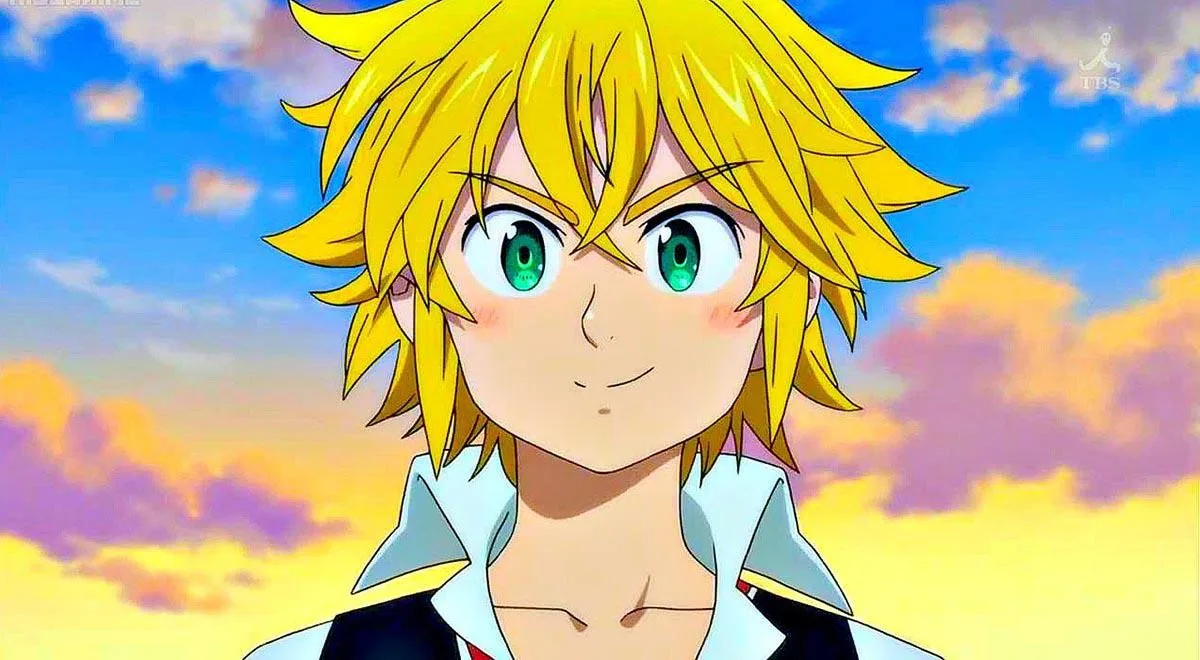
“Sate Sate Sate” is one of the famous expressions mentioned by Melodias in Nanatsu no Taizai. What would be the real meaning of the expression sate [さて] in the Japanese Language?
Sate [偖, 扨, 扠] is a conjunction or interjection (kandoushi) that conveys the idea of well, now, and then. Generally used at the beginning of a sentence, before talking about a specific subject.
Often, sate can be used at the beginning of the sentence to focus on the subject in question, without necessarily having a significant translation in the text.
If the conversation strays from the focus, or if we need to change the topic, or if it is necessary to highlight information, we can use “Sate”.
In summary, it is a conjunction to indicate a change of topic or a transition in a conversation. It is usually written in hiragana as a particle, without the use of kanji.
What does Sate Sate Sate mean?
The repetition “Sate Sate Sate” and its translation closely resembles the English expression “well, well, well” used when discovering something surprising, catching someone in the act, or accomplishing something before others imagine.
It is not common in Japanese; the more common form would be the repetition twice (さてさて) used to express feelings of surprise or being impressed by something.
It can indicate something like No, no way. My God. The repetition is often used to increase the power and emphasis of the word, in Japanese it is called Jougo [畳語].
Alternatives and Variations of Sate
Below we will list some related words derived from or dependent on sate, their meanings, and also some alternatives.
さては – and also, besides, then, in that case, if so;
さて置く – to set aside;
扨も – My, dear me, wow, indeed, truly;
さてこそ – Just as I thought; as expected;
Expressions that use さて
Here are some examples of sentences that use “さて”:
さて、それでは新しい話題に移りましょう。
Sate, soredewa atarashī wadai ni utsurimashou.
Well, now let’s move on to a new topic.
さて、あの件について考えたことはありますか?
Sate, ano kudan ni tsuite kangaeta koto wa arimasu ka?
Well, have you thought about that matter?
さて、今度の週末は何か予定がありますか?
Sate, kondo no shūmatsu wa nani ka yotei ga arimasu ka?
Well, do you have any plans for the next weekend?
さてさて、今度の週末はどこに行こうかな
Sate sate, kondo no shūmatsu wa doko ni ikou ka na
Well, well, where should we go this weekend?
さてさて、話が変わって、あなたは最近どうしてるの?
Sate sate,-banashi ga kawatte, anata wa saikin dōshiteru no?
Well, well, changing the subject, how have you been recently?
さてさて、その話はもう十分だ。次の話題に移りましょう。
Sate sate, sono-wa wa mō jūbunda. Tsugi no wadai ni utsurimashou.
Well, well, we’ve talked enough about that. Let’s move on to the next topic.
South Korea is one of the leading economies in Asia and an important center for international business. Doing business with Korean companies or working in a Korean company can offer many exciting opportunities. To succeed in business in South Korea, it is necessary to have knowledge of business vocabulary in Korean. This can help establish more effective communication and better understand the cultural nuances in the Korean business environment.
soju: history and curiosities about this Korean drink!
Business Words in Korean
Below is the list of words related to the business world in Korean. We suggest using your browser’s search function (CTRL + F) to find the words you want.
Want to know the name of that paid currency from a specific online game? Could it be gems? Crystals? Credits? Gold? In this article, we will see a complete list of games and the currencies used in them.
With the growth of the gaming industry, the use of virtual currencies in online games has become increasingly popular. These currencies can be used to purchase virtual items, resources, and upgrades in games.
In many cases, currencies can be acquired by playing and completing tasks in the game, but in other cases, they can be purchased with real money. With that in mind, we have compiled a list of over 100 popular games and the virtual currencies that can be acquired with real-life money.
There is a wide variety of online games that use virtual currencies as a form of monetization. Among the most popular games are titles like Clash of Clans, Candy Crush Saga, Fortnite, Pokémon GO, and League of Legends, which use currencies like Gems, Gold, V-Bucks, PokéCoins, and Riot Points, respectively.
The list covers different platforms, such as mobile, console, and PC, and features games from different genres, from action games to strategy games.
The list below may contain a game that does not have paid virtual currency, or it may have some outdated information. Use your browser’s search (CTRL+F) to find the desired game or currency.
It is worth noting that the list below has the name of the currency in the native language of the site, literally translated. This may result in rare errors, depending on the language and the translation adapted for that location.
Clash of Clans – Gems
Candy Crush Saga – Gold
Pokémon GO – PokéCoins
Fortnite – V-Bucks
Among Us – Coins
Call of Duty – COD Points
Grand Theft Auto V – In-game money
FIFA – FIFA Points
Rocket League – Credits
League of Legends – RP (Riot Points)
Dota 2 – Battle Coins
World of Warcraft – WoW Tokens
Hearthstone – Gold
Apex Legends – Apex Coins
Valorant – Valorant Points
Genshin Impact – Genesis Crystal
Clash Royale – Gems
Brawl Stars – Gems
Roblox – Robux
Minecraft – Minecraft Coins
Warframe – Platinum
Rainbow Six Siege – R6 Credits
Assassin’s Creed Valhalla – Helix Credits
Red Dead Online – In-game money
The Sims 4 – Simoleons
NBA 2K – VC (Virtual Currency)
Madden NFL – Madden Points
World of Tanks – Gold
Smite – Gems
Paladins – Crystals
Dead by Daylight – Auric Cells
Marvel’s Avengers – Units
Fortnite Save the World – V-Bucks
Path of Exile – Microtransaction Points
Monster Hunter World – Zenny
Destiny 2 – Silver
Tom Clancy’s The Division 2 – Premium Credits
Rainbow Six Quarantine – R6 Credits
Marvel Contest of Champions – Units
Lords Mobile – Gems
Game of War – Gold
Mobile Legends – Diamonds
Rules of Survival – Diamonds
Arena of Valor – Gems
Ragnarok M – Eternal Love – Big Cat Coins
Final Fantasy XIV – Mog Station
Dead Cells – Gold
Minecraft Dungeons – Coins
Sea of Thieves – In-game money
Rust – Loyalty Tokens
Elite Dangerous – Arx
Guild Wars 2 – Gems
Eve Online – PLEX (Pilot License Extension)
Star Wars – The Old Republic – Cartel Coins
ArcheAge – Store Credits
The Elder Scrolls Online – Crowns
Neverwinter – Zen
Tera – EMP (En Masse Points)
DC Universe Online – Daybreak Cash
Star Trek Online – Zen
Blade & Soul – NCoin
Aion – NCoin
Albion Online – Gold
War Thunder – Golden Eagles
Crossout – Gold Coins
World of Warships – Doubloons
Warface – Kredits
Heroes of the Storm – Crystals
Overwatch – Credits
Hearthstone Battlegrounds – Arena Tickets
Heroes of Newerth – Gold Coins
Legends of Runeterra – Coins
Team Fortress 2 – Keys
Rust – Rubles
Deadside – Coins
Squad – Coins
Escape from Tarkov – Rubles
PlayerUnknown’s Battlegrounds – UC (Unknown Cash)
Apex Legends – Legend Coins
For Honor – Steel
Rainbow Six Siege – Renown Credits
Tom Clancy’s Ghost Recon Breakpoint – In-game Credits
Assassin’s Creed – Helix Credits
Whether crystals, gold, credits, diamonds, coins, points, gems, tokens, bucks, virtual currencies are not lacking. I hope this article helped you find the name of your favorite game’s currency.
Prepaid credit cards are a convenient and secure option for people who want to control their spending without going into debt. In Japan, prepaid credit cards are a popular option for tourists and foreigners who want to shop without the need to open a bank account in the country. In this article, we will explore what prepaid credit cards are in Japan, how they work, and what options are available.
Prepaid credit cards in Japan can be used to make purchases anywhere that accepts credit cards, including stores, restaurants, hotels, and online shopping sites. They can also be used to withdraw cash from ATMs throughout the country.
Prepaid credit cards in Japan are credit cards that allow users to make purchases without having to pay in cash or use a traditional credit card.
They are similar to debit cards, but instead of withdrawing funds from a bank account, the user deposits a certain amount of money onto the card and uses that money to make purchases.
Prepaid credit cards in Japan work in a simple way. First, the user buys the prepaid card at a store or online. Then, they deposit a certain amount of money onto the card, which can vary depending on the card and the store where it was purchased.
After that, the user can use the card like a traditional credit card to make purchases at physical or online stores. A virtual card can also be issued or added to the wallet of their smartphone.
The Best Prepaid Cards in Japan
It is worth mentioning that traditional VISA, Mastercard, and JCB can be issued in a prepaid form by official websites, representatives, or partners. As they are card brands, we will not elaborate on these brands, but they are the most recommended.
Suica Card and Pasmo
Let’s start by talking about two cards that, although not exactly prepaid credit cards, are similar and very popular in the country. Their advantages are even greater.
Suica Card and Pasmo Card are cards used to pay for public transportation throughout Japan or in specific locations. The cards are rechargeable and can be used on trains, buses, subways, and taxis.
The initial cost of the Suica card is ¥2,000, of which ¥500 is for the card deposit and the remaining ¥1,500 is credit that can be used immediately. There is a refund fee of ¥220 for deposit refunds.
Both Pasmo and Suica are accepted in many establishments and convenience stores throughout Japan. Although it is not an official credit card, it has as many advantages and popularity as one.
Rakuten Prepaid Card is a prepaid credit card issued by Rakuten, one of the largest e-commerce companies in Japan and an internationally famous online store.
The card is rechargeable and can be used for purchases at Rakuten’s online stores and other stores that accept Rakuten cards. The issuance fee is ¥300, and a monthly fee of ¥100 is charged after the first month of use.
Seven Bank Prepaid Card and Nanaco
The prepaid credit card from Seven Bank is issued by the Japanese bank of the famous convenience store franchise Seven Eleven in Japan and globally.
The card can be purchased at Seven Eleven stores and can be used anywhere that accepts credit cards. The initial cost of the card is ¥1,000, and there is a monthly maintenance fee of ¥100.
Seven Bank ATMs are found in Seven Eleven stores, allowing you to withdraw money from any bank account from any country, whether debit or credit.
In addition to the Seven Card, the company also issues another card called Nanaco that can be used at Seven and partner stores. The card can be recharged at Seven Eleven stores or online.
ISETAN Card
The prepaid credit card from Isetan is a convenient option for customers who frequent the store and want to control their spending. The card can be used at all Isetan stores across the country, as well as at affiliated and partner stores.
The initial cost of the card is ¥1,000, and a monthly maintenance fee of ¥100 is charged after the first month of use. Users can recharge their cards at any Isetan store or online.
Isetan is known for offering a luxurious and high-quality shopping experience. The store is frequented by customers looking for high-quality brands and exclusive products.
Gift Cards and Amazon
Large online retail stores like Amazon offer prepaid cards and also the famous Gift Cards that work the same way, but can be purchased as gifts and their function is generally for online use.
There are many stores that have their own gift card and can be used both physically and online. The Gift Card is widely used in games, web services, and also as a balance to spend in specific stores.
There is not much difference between using a Gift Card and paying in cash. The advantages lie in getting some promotion with a discount or splitting the gift card payment.
Sites to create Prepaid Cards
Wondering where to create these prepaid cards online? To finish, we will leave a list of prepaid card sites in Japan, with direct links for detailed information about each card.
The anime is a type of Japanese cartoon that has recently gone viral in Portugal. Thousands of young Portuguese people are fans of various animes, such as Naruto, One Piece, Bleach, Death Note, and many others.
Your anime fan friend’s birthday is approaching and you don’t know what gift to give? Don’t worry, we have some ideas for you. Discover six personalized gifts available at wanapix.pt that anime fans will love.
A Mug With the Most Famous Quote from Their Favorite Character
There are several quotes that have marked anime fans, from the famous “Dattebayo!” from Naruto to the famous advice “If you don’t take risks, you can’t create a future!” from Monkey D. Luffy in One Piece.
If you know what your friend’s or family member’s favorite anime quote is, why not add it to a mug? Extra points if you also include an image of their favorite character.
A Personalized Bookmark
Anime lovers are also fans of manga, a type of comic book. Many animes were originally released as manga. For this reason, a personalized bookmark is a gift that makes perfect sense for an anime fan.
A Drawing of Your Friend in Anime Style
There are several artists who create portraits in a wide variety of styles, such as anime. So, what better gift than to ask one of these artists to draw your friend in anime style? You can add the final drawing to a t-shirt, sweatshirt, or just frame it.
A Personalized Sweatshirt
There is nothing better for an anime fan than watching their favorite anime while wearing a comfortable sweatshirt. So, why not combine the useful with the pleasant and give them a personalized sweatshirt with their favorite character? You can choose from predefined styles or create your own design.
A Cushion of Their Favorite Anime
And speaking of comfort – how about a cushion? This way, your friend can enjoy their anime sessions more comfortably. You can print cushions in various shapes with printed or embroidered designs.
A Personalized Mouse Pad
Usually, those who like anime also enjoy games and computers. Therefore, a personalized mouse pad is an excellent gift for anime fans who use their computer to search for new animes to watch.
Have you heard of manhwa? If you are an enthusiast of Asian comics or simply love good stories, get ready to embark on an incredible journey through the 11 best manhwas of all time!
As the title suggests, most of the works presented here have already received Japanese animations or had a Korean anime, or even a drama. If not, it is very likely that the work will receive an anime adaptation or a TV production in the future.
With its richness of plots, detailed illustrations, and captivating characters, manhwas have won fans around the world. Grab your favorite drink, get cozy, and come get to know these masterpieces that will change your life!
One of the things I like most about manhwa is that the vast majority are colorful, unlike mangas which are usually black and white or line drawings.
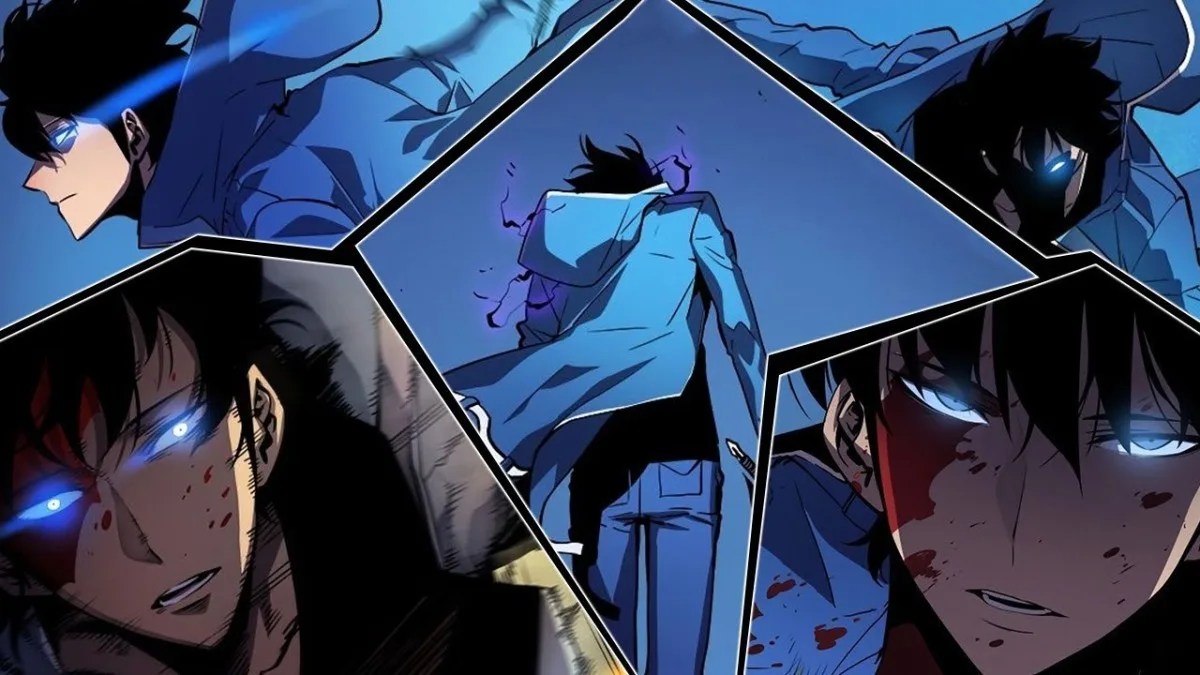
Author and brief history: Solo Leveling is a work by Chu-Gong that started as a web novel and was adapted into manhwa by Dubu (REDICE Studio) in 2018. Since then, it has won fans worldwide with its action and fantasy story.
Synopsis and why it’s amazing: The story follows Sung Jin-Woo, the weakest hunter in South Korea, who after a nearly fatal mission, awakens unique abilities that transform him into a “solo player.” We follow his evolution, his challenges, and epic battles as he becomes the most powerful hunter in the world. Solo Leveling captivates readers with its engaging narrative, well-developed characters, and breathtaking illustrations.
Impact and legacy: Solo Leveling broke barriers, expanding the reach of manhwas to audiences from different cultures. Its popularity is so great that it has generated a loyal and passionate fandom, eager for the anime adaptation.
Tower of God
Author and brief history: Tower of God is a webtoon created by SIU (Slave In Utero) in 2010. With a complex and intriguing story, it became a global phenomenon and a reference among manhwas.
Synopsis and why it’s amazing: The plot follows the journey of Twenty-Fifth Baam, a young man who enters the mysterious Tower in search of his childhood friend, Rachel. Inside the Tower, he faces challenges, meets allies and enemies, and uncovers dark secrets. Tower of God stands out for its rich and unpredictable narrative, charismatic characters, and an extensive and mysterious universe that piques readers’ curiosity.
Impact and legacy: The popularity of Tower of God is so great that it led to the production of an anime in 2020. Additionally, the work inspired many artists to create their own stories, consolidating the genre.
The God of High School
Author and brief history: The God of High School is a manhwa written and illustrated by Yongje Park. Released in 2011, it quickly gained popularity due to its thrilling plot and amazing action scenes.
Synopsis and why it’s amazing: The story follows Jin Mori, a young man with exceptional martial arts skills who is invited to participate in a tournament called “The God of High School.” Participants fight each other for the right to have a wish granted. Throughout the tournament, Jin and his friends face increasingly powerful opponents and become involved in a plot involving divine powers and secret organizations. The dynamic action, charismatic characters, and fantasy elements make this manhwa an exciting read.
Impact and legacy: The God of High School also received an anime adaptation in 2020, demonstrating its success and popularity. The manhwa helped shape the action and adventure genre in Korean comics and continues to be a reference for fans and artists.
Noblesse
Author and brief history: Noblesse is an action and supernatural manhwa created by Son Jeho (writer) and Lee Kwangsu (illustrator), also known as “Jaryuu Dokuro.” The series started in 2007 and concluded in 2019, with a total of 544 chapters.
Synopsis and why it’s amazing: Noblesse tells the story of Cadis Etrama Di Raizel, a noble vampire who awakens after 820 years of sleep. He reunites with his loyal servant Frankenstein and enrolls in a local school to learn about the modern world. The story features a mix of action, comedy, and drama as Raizel protects his friends and faces powerful enemies, including other nobles and secret organizations. With its captivating narrative and well-developed characters, Noblesse has won the hearts of manhwa fans.
Impact and legacy: Noblesse also had an anime adaptation in 2020 and received several spin-offs and prequels. The series is widely regarded as one of the pillars of the supernatural genre and has influenced many manhwas that followed.
Unordinary
Author and brief history: Unordinary is a manhwa created by Uru-chan, an American artist and writer of Korean descent. The story began publication in 2016 and quickly became a success, attracting readers from all over the world.
Synopsis and why it’s amazing: Set in a world where almost everyone has superpowers, Unordinary follows the life of John, a seemingly powerless student who attends a school for people with special abilities. As the story unfolds, we discover that John hides a dark past and unimaginable power. The series addresses themes such as discrimination, injustice, and friendship, providing an engaging and profound narrative. With its intriguing plot and complex characters, Unordinary is an exciting and reflective read.
Impact and legacy: Unordinary is one of the few manhwas that achieved global success, being especially popular among Western readers. The series is known for its innovative and mature approach to relevant themes, inspiring other creators to address social issues in their works.
Sweet Home
Author and brief history: Sweet Home is a horror and suspense manhwa created by Kim Carnby and illustrated by Hwang Young-chan. The story began publication in 2017 and quickly became popular for its engaging plot and terrifying atmosphere.
Synopsis and why it’s amazing: Sweet Home follows the story of Cha Hyun-soo, a reclusive student who moves into a new apartment after the death of his family. Shortly after his move, a mysterious apocalypse occurs, turning people into bloodthirsty monsters. Hyun-soo and the other residents of the building fight for survival while facing their own inner demons. With its intense plot, memorable characters, and frightening art, Sweet Home offers a unique and terrifying experience to readers.
Impact and legacy: Sweet Home was adapted into a successful series by Netflix in 2020, proving the popularity and potential of the work. The manhwa is a notable example of how the horror genre can be explored in Korean comics, leaving a lasting mark on the industry.
Bastard
Author and brief history: Bastard is a suspense and psychological drama manhwa created by brothers Kim Carnby and Hwang Young-chan, the same team behind Sweet Home. Published between 2014 and 2016, Bastard quickly became popular for its thrilling narrative and intriguing characters.
Synopsis and why it’s amazing: The story follows Jin Seon, a high school student who lives with his father, an apparently normal man, but who hides a disturbing secret: he is a serial killer. Jin is forced to help his father with his crimes while struggling with his own conscience and trying to protect a new friend at school. With surprising twists and an intense narrative, Bastard keeps readers glued until the end.
Impact and legacy: Bastard is often cited as one of the best suspense and psychological drama manhwas. The work is known for its unique and dark approach, influencing future stories in the genre. Additionally, the series attracted a large number of fans and was adapted into a successful series by Netflix, solidifying its position as one of the best manhwas of all time.
Killing Stalking
Author and brief history: Killing Stalking is a psychological suspense and horror manhwa created by Koogi. Published between 2016 and 2019, the story quickly caught the attention of readers for its intense plot and disturbing characters.
Synopsis and why it’s amazing: The story follows Yoon Bum, a lonely young man obsessed with Sangwoo, a college classmate. When he decides to break into Sangwoo’s house, Bum discovers that his object of desire is, in fact, a sadistic serial killer. Trapped and abused, Bum finds himself in a spiral of violence and obsession. Killing Stalking is a dark and disturbing read, with a plot that explores the limits of the human mind and the nature of love and hate.
Impact and legacy: Killing Stalking is known for its controversial plot and complex characters, and is often debated among manhwa fans. The series has won several awards and helped expand the reach of the psychological suspense and horror genre in Korean comics, inspiring other artists to explore similar themes.
I Love Yoo
Author and brief history: I Love Yoo is a romance and drama manhwa created by Quimchee. The story began publication in 2016 and quickly gained popularity among readers due to its emotional narrative and realistic characters.
Synopsis and why it’s amazing: The story follows Shin Ae Yoo, a young woman who, after a series of unfortunate events, finds herself involved in the lives of two rich and attractive brothers, Kousuke and Yeong-gi. While dealing with her own problems and insecurities, Shin Ae begins to learn more about love, friendship, and the complexities of human relationships. I Love Yoo stands out for its mature and realistic approach to the romance genre, presenting multidimensional characters and exploring themes such as personal growth and self-acceptance.
Impact and legacy: I Love Yoo is considered one of the best romance and drama manhwas, winning a large number of fans around the world. The series continues to influence new artists and writers, showing how the romance genre can be innovative and engaging.
Omniscient Reader’s Viewpoint
Author and brief history: Omniscient Reader’s Viewpoint is a fantasy and action manhwa, adapted from the web novel of the same name, written by Sing-Shong and illustrated by Sleepy-C. The story began publication in 2020 and quickly gained popularity due to its original premise and captivating characters.
Synopsis and why it’s amazing: The plot follows Kim Dokja, an obsessive reader of a web novel called “Three Ways to Survive the Apocalypse.” When the real world begins to transform into an apocalyptic scenario similar to the story, Kim Dokja discovers that he has knowledge of future events and special abilities thanks to his obsessive reading. Now, he must use this knowledge to protect himself and his friends while facing incredible enemies and challenges. Omniscient Reader’s Viewpoint stands out for its clever narrative, well-developed characters, and an engaging and thrilling plot.
Impact and legacy: Omniscient Reader’s Viewpoint quickly became a success, being praised for its originality and creativity. The series has been an inspiration for other authors and artists, showing how to combine elements from different genres and media to create innovative and interesting stories.
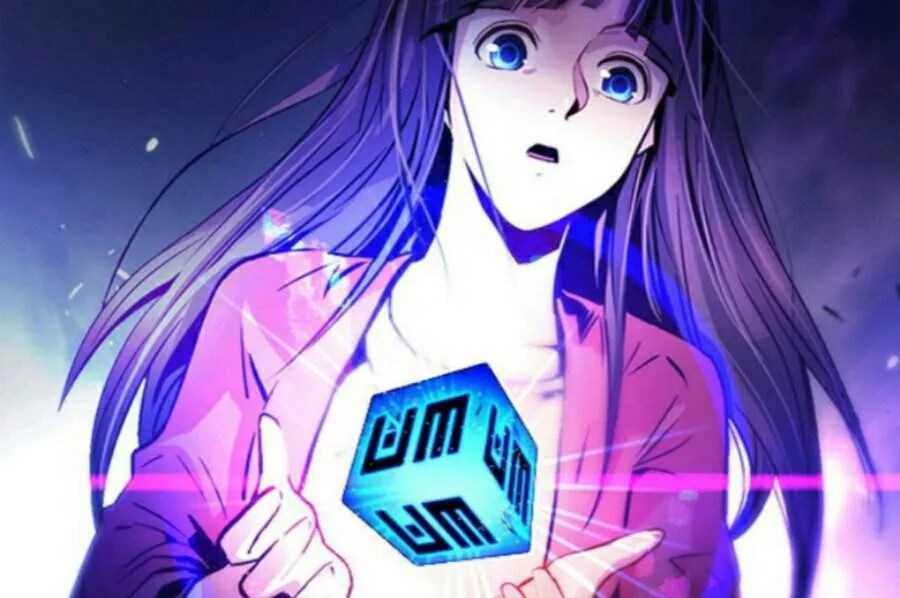
Dice – The Cube That Changes Everything
Author and brief history: Dice is a fantasy and drama manhwa written and illustrated by Yun Hyunseok. The story began publication in 2013 and gained a loyal fanbase for its intriguing premise and captivating characters.
Synopsis and why it’s amazing: Dice follows the life of Dongtae, an unpopular and unattractive student who discovers a mysterious die capable of altering his life. The dice, when rolled, grant points that can be used to improve skills or physical attributes. As more people discover the existence of the dice, things begin to spiral out of control, leading to a series of dramatic and dangerous events. Dice addresses issues such as bullying, self-image, and ethics, providing an engaging and reflective plot.
Impact and legacy: Dice is known for its creative and unique approach to fantasy storytelling, combining elements of games and reality. The series attracted a diverse audience and continues to be a reference for manhwas that explore social themes and moral issues.
With these recommendations, we hope you have an amazing experience exploring the world of manhwas. Each work presents a unique and captivating narrative, unforgettable characters, and a lasting legacy. Whether you are an avid reader or new to the universe of manhwas, these titles are guaranteed to provide an exciting and engaging read.
The Japanese language is rich in terms and expressions that represent different hierarchical levels, especially in military, school, and business contexts. In this article, we will explore words like “taichou” and “heichou” and other similar terms, highlighting their meanings, origins, and uses. Understanding these words will help deepen your knowledge of the Japanese language and culture.
In Japan, hierarchy and organizational structure play a crucial role in maintaining order and promoting a harmonious and efficient work environment. Now it’s time for you to finally understand the terms used in workplaces and beyond.
Have you noticed that the names of positions in Japanese often end with “chou”? The ideogram “長” (chou) is a common kanji used in many terms related to hierarchy and leadership positions in Japan.
The etymology of the character “長” dates back to classical Chinese writing with the meaning of “long,” “tall,” or “extensive” in terms of size, time, or quantity.
However, in terms of hierarchical positions, the meaning of “長” is more related to the idea of “chief,” “leader,” or “superior.” The idea of size entirely refers to a person’s merit.
This ideogram is often used as a suffix to denote the person responsible for leading or supervising a specific area, function, or group of people.
Shachou (社長) and Fuku-shachou (副社長)
Shachou and Fuku-shachou are Japanese terms that describe the highest positions in a business organization. They are fundamental to decision-making and overseeing the company’s activities.
Shachou – President and CEO
Shachou (社長) is the president or CEO of a company. This position is responsible for leading the organization and making important decisions that affect the company’s direction.
The term is composed of the kanji characters “sha” (社), which means “company” or “corporation,” and “chou” (長), which means “chief” or “leader.” Shachou thus represents the person who leads the company.
Fuku-Shachou – Vice President
Fuku-shachou (副社長), on the other hand, is the vice president of an organization. This position acts as the right hand of the president, assisting in management and decision-making. Fuku-shachou is responsible for leading important projects and operations, ensuring that the company achieves its goals.
The term is formed by the kanji characters “fuku” (副), which means “vice” or “assistant,” and “shachou” (社長), which means “president” or “CEO.” Fuku-shachou thus indicates the person who works directly with the president in leading the organization.
Rijichou (理事長) – Chairman of the Board
Rijichou (理事長) is a Japanese term that describes the chairman of the board of directors of an organization. This position is responsible for overseeing the board and leading the strategic direction of the company or organization.
The chairman of the board plays a significant role in corporate governance, working closely with board members and senior management.
As the leader of the board, the Rijichou is responsible for coordinating and presiding over board meetings, ensuring that board members are well-informed about important organizational issues, and facilitating efficient and effective decision-making.
The Rijichou also plays an important role in overseeing and monitoring the performance of senior management, such as the Shachou (president or CEO) and the Fuku-shachou (vice president).
In many cases, the Rijichou acts as a link between shareholders and senior management, representing the interests of shareholders and ensuring that the company operates according to the principles of good corporate governance.
Jichou (事長) – General Director
The Jichou (事長) is a Japanese term that describes the position of General Director of a specific division or department within an organization. This position is responsible for managing and supervising the operations of the department and leading the involved team.
The role of Jichou is similar to that of Bucho (部長), however, the Jichou often supervises a larger department or has a broader scope of responsibilities. In some cases, the Jichou may be responsible for a regional division or subsidiary of a company, ensuring compliance with the organization’s overall policies and strategies.
As the leader of a department or division, the Jichou must ensure the efficiency of operations and the achievement of goals set by senior management. The Jichou must be able to make informed decisions, manage resources, and solve problems that may arise during operations.
Bucho (部長) – Department Manager
Bucho is used to refer to the manager of a department in a business organization. The word is composed of the kanjis “bu” (部), which means “department,” and “chou” (長), which means “chief” or “leader.” The person in this position is responsible for supervising the activities of the department and ensuring the smooth functioning of their team.
In many Japanese companies, the bucho plays a key role in decision-making and is considered an authority figure. Additionally, it is common for employees to use the term after the surname as an honorific form of address.
An effective Bucho must be able to clearly communicate the goals and objectives of the department and ensure that the organization’s strategies and policies are correctly implemented in their department.
Kachou is a title used to describe the leader of a section within a department in a company. This position is responsible for supervising and managing a specific section and the people who work in it.
The term is formed by the kanjis “ka” (課), which means “section” or “division,” and “chou” (長), which means “chief” or “leader.” The person in this position is responsible for managing and coordinating the work of their team, as well as reporting progress to the department manager (bucho).
Section chiefs generally have more experience and knowledge in their area of expertise than the members of their team. They provide guidance and support, helping the team achieve their goals and ensuring that tasks are completed efficiently.
Taichou (隊長) – The Commander
Taichou is a Japanese word that literally translates to “commander” or “team leader.” It is commonly used in a military context, referring to the leader of a unit or team. Taichou can also be applied in non-military contexts, such as work groups or organizations where there is a clearly established leadership figure.
The term is derived from the kanji characters “tai” (隊), which means “team” or “group,” and “chou” (長), which means “chief” or “leader.” The combination of these characters indicates a person’s position as the leader of a group.
Bucho (部長) is considered a hierarchically higher position than Kachou (課長) because it represents the leadership of an entire department within an organization, while Kachou leads only a specific section within the department.
Heichou (兵長) – The Subcommander
Heichou is another Japanese term that expresses a hierarchical level, translated as “subcommander” or “sergeant.” While taichou refers to the leader of a team, heichou is a rank immediately below the leader, acting as a right-hand person or second in command.
Like taichou, heichou is composed of two kanji characters: “hei” (兵), which means “soldier,” and “chou” (長), which again means “chief” or “leader.” The combination of these two characters suggests that the person in this position is responsible for leading the soldiers or team members.
Senpai and Kouhai
In addition to the business hierarchies we just saw, there are also the famous Senpai and Kouhai, which are used in any environment, especially school, to refer to the newcomer and the veteran.
Senpai (先輩) – Senior: In school and professional contexts, the senpai is someone with more experience or seniority compared to another person, usually helping or guiding the younger ones.
Kouhai (後輩) – Junior: The kouhai is the opposite of the senpai, being a younger or less experienced member who receives guidance and support from the senpai.
There are many other hierarchical terms in Japanese that describe different positions or relationships. Some of them include:
Keiri (経理) – Financial Manager: The financial manager is responsible for managing a company’s finances, including budgets, accounting, and financial analysis.
Shunin (主任) – Supervisor: The supervisor is responsible for leading and coordinating the work of a group of employees or team.
Joushi (上司) – Superior or Boss: Joushi is a generic term used to describe someone in a position of authority or leadership in relation to another person.
Douryou (同僚) – Colleague: Douryou is used to describe people who work at the same hierarchical level or in a similar position, without a direct subordinate relationship.
Tantou (担当) – Responsible: Tantou refers to someone in charge of a specific task or area of responsibility within an organization.
Shidou (指導) – Advisor or Mentor: The advisor or mentor is someone who offers support, advice, and guidance to help others develop skills and knowledge.
Rijichou (理事長) – Chairman of the Board: Rijichou refers to the leader of the board of directors of an organization, usually responsible for overseeing and guiding the strategic direction of the company.
Torishimariyaku (取締役) – Director: The torishimariyaku is a member of a company’s board of directors, participating in strategic decisions and overseeing the management of the organization.
Jichou (事長) – General Director: Jichou is the leader of a specific division or department within an organization, responsible for managing and supervising its operations.
Kakarichou (係長) – Group Leader: The kakarichou is responsible for leading a small group of employees within a section or department.
Shuunin (主任) – Assistant Manager: Shuunin is an intermediate position between the supervisor and the department manager, responsible for supervising a team of employees and ensuring operational efficiency.
Gakuenchou (学園長) – School Director: Gakuenchou is the leader of an educational institution, such as a school or university, responsible for overseeing administration and teaching.
Kyoushi (教師) – Teacher: Kyoushi is the term used to describe a teacher or educator, responsible for teaching and guiding students.
Seito (生徒) – Student: Seito is the term used to describe a student, usually in a school context, who receives instruction and guidance from teachers and other educational staff.
In addition to these, we also have other positions:
総長 (Souchou) – President or General Director (in some organizations, such as universities or public agencies);
道場長 (Douchou) – Master or leader of a dojo (martial arts school);
店長 (Tenchou) – Store or business manager;
編集長 (Henshuuchou) – Editor-in-chief (in publishing houses or media outlets);
宗教長 (Shuukyouchou) – Religious leader or main figure of a religious organization;
音楽長 (Ongakuchou) – Conductor or music director;
議長 (Gichou) – Chairman of the assembly, such as in a legislative chamber;
監督 (Kantoku) – Director or coach of a sports team;
主査長 (Shusachou) – Chief inspector or quality supervisor;
指揮者 (Shikisha) – Conductor (as in an orchestra, although it does not use the ideogram “長,” the term has a similar hierarchical function)
教育長 (Kyouikuchou) – School superintendent or education director
資料長 (Shiryou-chou) – Head of the documentation or archive department
義務教育長 (Gimu Kyouikuchou) – Director of compulsory education
総務長 (Soumuchou) – Head of general or administrative affairs
財務長 (Zaimuchou) – Head of finance or financial director (CFO)
人事長 (Jinjichou) – Head of human resources or HR director
These are just a few examples of hierarchical terms in Japanese. The Japanese language has a wide range of words and expressions that describe different levels of authority and relationships, reflecting the importance of hierarchy in Japanese culture and society.
What is the Japanese Hierarchical Order?
The hierarchy of these titles can vary depending on the specific context, such as in military, school, or business environments. However, in general, the order of the titles mentioned in the article can be classified as follows:
“Henshin” is a Japanese word that can be translated as “transformation” or “metamorphosis.” The word is often used in animes, tokusatsu, and mangas, especially in superhero or science fiction series, to describe the act of changing form or appearance.
In many Japanese series, the hero or main character can transform into a more powerful form or alter their appearance to fight their enemies.
Henshin is usually performed with the help of a magical object, a technological device, or simply through the character’s will, where the transformation is accompanied by narration of words and a background track.
This idea of transformation is a common theme in many animes and mangas, and the word “henshin” is often used to describe it. The transformation can be physical or just in abilities, clothing, and equipment.
The word Henshin is composed of the ideograms “変” (hen), which means “change” or “transformation,” and “身” (shin), which means “body” or “form.”
The idea of transformation/henshin is common in many aspects of Japanese culture, including mythology, literature, and art. In many Japanese tales and legends, characters transform into animals, monsters, or supernatural beings to face challenges or solve problems.
The transformation/henshin genre (in Japanese, “henshin hero”) has its roots in the tokusatsu genre popular in the 1950s, which refers to audiovisual productions with real actors and special effects.
In the 70s, the tokusatsu genre began to evolve into the superhero subgenre with special powers, which included the use of transformations to become stronger and fight evil.
Characters usually possessed a special item or device that allowed them to transform, such as a bracelet, a belt, or a gauntlet.
The transformation/henshin genre also became popular in mangas and animes. The series “Sailor Moon” (1992) featured girls who transformed into heroines to fight evil, while “Dragon Ball” (1986) featured characters who transformed into more powerful beings to combat enemies.
Why is Henshin So Popular?
The idea of transformation/henshin is not only a way to add excitement and drama to stories, but it can also represent a personal journey of self-discovery and growth for the main characters.
This can be an inspiring message for viewers, encouraging them to face their own fears and insecurities to reach their true potential.
The transformation can represent a turning point in the story, when the character assumes a new level of power and ability, thus causing anxiety and excitement for the viewers.
Many animes that do not focus on the Henshin genre still have scenes that are very popular because of a transformation. A great example is Gon’s transformation in the Chimera Ant arc.
The Greatest Transformations in Animes
Here is a list of the greatest transformations/henshin in animes:
Goku – Super Saiyan (Dragon Ball)
Sailor Moon – various forms (Sailor Moon)
Naruto – Sage Mode of Six Paths (Naruto)
Ichigo – Bankai (Bleach)
Luffy – Gear Fourth (One Piece)
Yusuke – Mazoku (Yu Yu Hakusho)
Vegeta – Super Saiyan Blue (Dragon Ball)
Gon – Adult (Hunter x Hunter)
Madoka – God (Puella Magi Madoka Magica)
Yusuke Urameshi – Toguro (Yu Yu Hakusho)
Simon – Tengen Toppa Gurren Lagann (Tengen Toppa Gurren Lagann)
Inuyasha – Transformation into Half Youkai (Inuyasha)
Do you recognize or remember some of these transformations? The videos below may help you remember:
List of Animes Focused on Henshin
There are hundreds of animes that focus on transformations. They can occur frequently or as a highlight of the work. How about checking some out?
It is worth noting that Henshin is usually found in works about superheroes, robots, magical girls, and similar themes. You might want to read articles that talk about this genre; we will leave them below:
Kamehameha is the name of a powerful attack widely used by characters from Dragon Ball, such as Goku. But have you ever stopped to think about what Kamehameha really means?
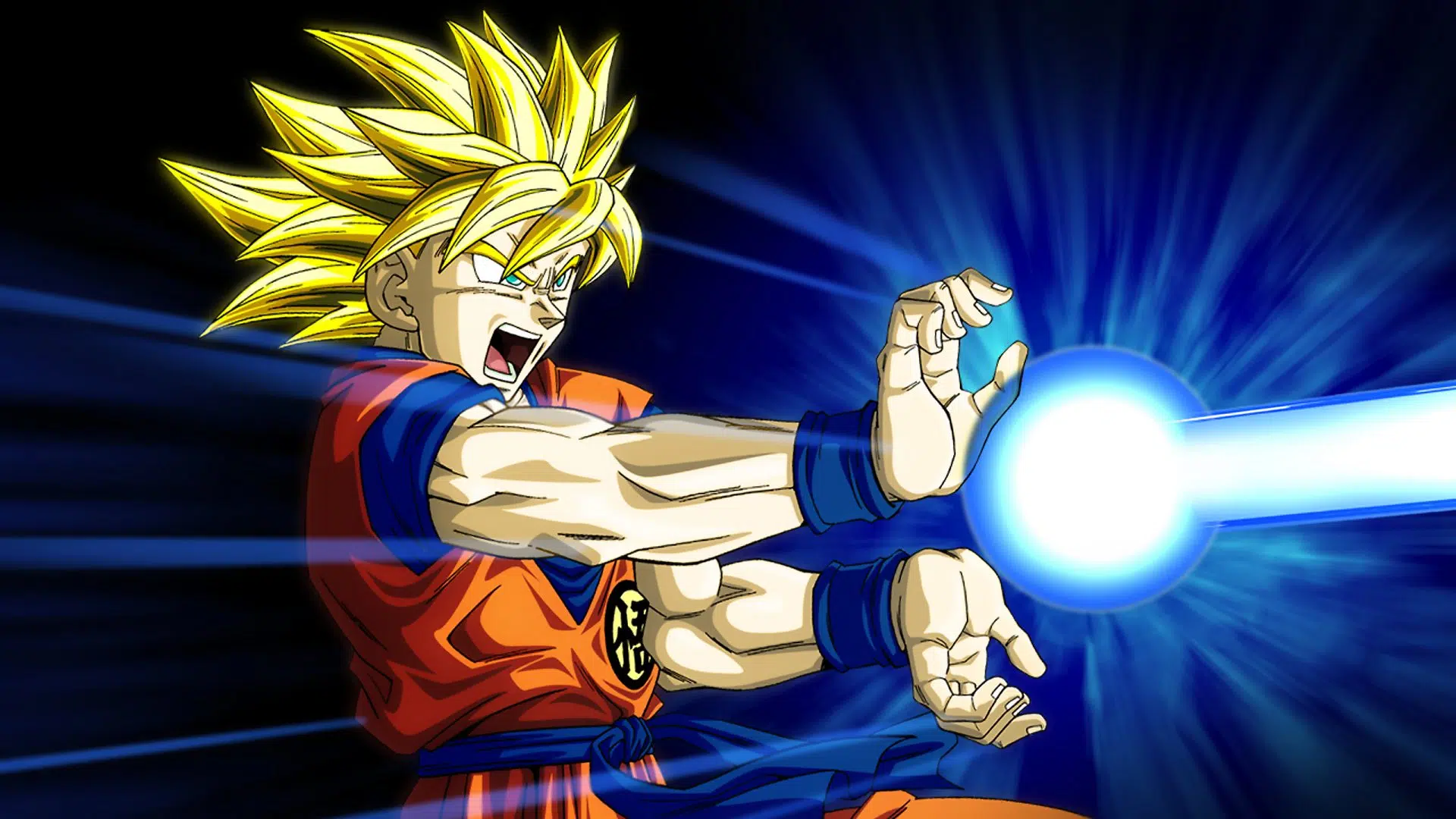
The famous Kamehameha move is an attack where the character gathers energy in their hands, with their palms facing forward, and then releases that energy in the form of a blue energy beam. The attack is usually accompanied by an intense sound and visual explosion.
The name of the attack is a combination of several references and tributes, making it an interesting example of how anime and manga creators often draw inspiration from various sources to create their works.
The name of the attack is a tribute to the Hawaiian king Kamehameha, who unified the Hawaiian Islands in the late 18th century. The creator of Dragon Ball, Akira Toriyama, visited Hawaii and was impressed by the culture and history of the state, which inspired him to name the attack.
King Kamehameha was born in 1758 and became a respected military and political leader in the islands. In 1795, he led a military campaign that unified the Hawaiian Islands under his rule, making him the first monarch of the Kingdom of Hawaii.
During his reign, he implemented many important reforms, including promoting trade with foreign countries and creating a fairer system of laws and governance.
Kamehameha died in 1819, and his son of the same name succeeded him as king of Hawaii. The family ruled Hawaii for many years, and Kamehameha’s legacy as a leader, warrior, and statesman is remembered and honored in the Hawaiian Islands to this day.
The meaning of Kamehameha
The word “Kamehameha” has an interesting etymology in Hawaiian. The word is derived from two Hawaiian words: “kame,” which means “the solitary” or “the only,” and “hameha,” which means “the strike” or “the hammer.” Together, the two words form “Kamehameha,” which can be translated as “the solitary who strikes” or “the only strike.”
It is believed that the name “Kamehameha” was originally used as a personal name before being associated with the Hawaiian king. In the Hawaiian language, personal names are often created from words or phrases that describe the characteristics or qualities of the person.
It is possible that the name “Kamehameha” was given to the king due to his abilities as a solitary and strong warrior. Notice that even the name of the attack references his strong and unique ability.
Turtle in Japanese
The term “Kamehameha” has a connection with the word “kame,” which means “turtle” in Japanese. This is because the character who created and popularized the attack, Master Kame (or Kame Sennin, in Japanese), is a martial arts master who lives on an island called Turtle Island.
In the story of Dragon Ball, Master Kame is one of Goku’s main martial arts teachers, the main character. He is an elderly and wise character who lives in a turtle-shaped house and is known for his martial arts skills and wisdom. He is also the creator of the Kamehameha attack, which he teaches to Goku and other characters in the series.
The connection between the Kamehameha attack and the word “turtle” is related to the fact that the turtle is an animal that is seen as a symbol of wisdom and longevity in Japanese culture. Additionally, the image of a turtle is often used in many forms of Japanese art, including painting, sculpture, and ceramics.
In summary, although “Kamehameha” does not have a meaning in Japanese, its connection to the word “kame” (turtle) is a reference to the character who created the attack, Master Kame, and to his home on Turtle Island.
Other references and meaning
In Japanese, the term can be found written as [かめはめ波] where the last ideogram [波] means wave. Often the move is translated into English as Great Wave of the Turtle.
Although there is no direct link, it is worth mentioning some other references and Japanese words that we find in Kamehameha. Starting with “Hame” which literally means “to fuck” in Japanese.
The Kamehameha is a strong and powerful attack that ends up f***ing the enemies. The word Hame [ハメハメ] can also be an onomatopoeia “Hamehame” [ハメハメ] and both derive from the verb “Hameru” [嵌める] which means to put, to insert, and to fit.
So, if the protagonist repeats several times “hamehamehamehame” indirectly, he is saying an inappropriate slang. It is also worth mentioning that “Hamehame” also references the king of Hawaii.
Below are other Japanese words that remind us of the attack:
破滅 – Hametsu – Destruction; ruin;
波面 – Hamen – Surface of the wave; front of the wave;
Technique and Movement
The hand movement is an important part of the attack, as it helps to concentrate the energy needed to execute the Kamehameha. The technique is often accompanied by a loud and powerful shout, which also helps to release the character’s energy.
Although there is no specific origin for the hand movement used to execute the Kamehameha, it is likely that it was inspired by other movements from Japanese martial arts or other media.
Many martial artists, such as Matsutatsu Oyama, often concentrate their energy at a single point with the aim of delivering a powerful attack. This ability resembles the technique used in the Kamehameha.
Do you know the names of fish in Japanese? Looking to expand your vocabulary with the language? I propose we explore the fascinating world of fish in Japanese?
Japan is a country surrounded by waters with a rich history and culture linked to the ocean. With a diet based on seafood, the Japanese have developed a broad and diverse vocabulary related to fish.
In this article, we will explore different ways to refer to fish in Japanese, discuss some of the most common types of fish, and finally provide a comprehensive list of fish-related words, organized by category. Dive with us into this fascinating aquatic world!
The Japanese often have different ways to refer to a single thing; see below some words that can be used to refer to fish in Japanese:
魚 (さかな, Sakana) – Fish
The most common word for “fish” in Japanese is 魚 (さかな, Sakana). This word is used both to refer to fish in general and to a specific fish, depending on the context.
The word 魚 is composed of the water radical (氵) on the left side and the right part (与) which represents a fish with its tail down. This combination suggests the meaning of “fish” as an aquatic being.
魚類 (ぎょるい, Gyorui) – Fish (plural)
When referring to fish as a group, we can use the word 魚類 (ぎょるい, Gyorui), which means “fish” in the plural sense. This word is useful when talking about a variety of species of fish or about fish in general.
Other Ways to Say Fish
海の幸 (うみのさち, Umi no sachi) – Literally means “blessings of the sea,” used to refer to seafood, including fish, shellfish, and other edible marine animals.
水生動物 (すいせいどうぶつ, Suisei dōbutsu) – Refers to aquatic animals in general, including fish, but also encompasses other living beings that inhabit water, such as amphibians, crustaceans, and mollusks.
魚介類 (ぎょかいるい, Gyokairui) – Refers to seafood in general, including fish, crustaceans, and mollusks.
海産物 (かいさんぶつ, Kaisanbutsu) – Refers to marine products, which can include fish and other seafood, as well as seaweed and other marine resources.
魚屋 (さかなや, Sakana-ya) – Means “fish market” or “fish seller,” where fish and other seafood are sold.
Fish Vocabulary in Japanese
Now let’s look at some words in Japanese related to fish:
Parts of a Fish:
魚の頭 (さかなのあたま, Sakana no atama) – Fish head
鱗 (うろこ, Uroko) – Scales
背鰭 (せびれ, Sebire) – Dorsal fin
腹鰭 (ふくびれ, Fukubire) – Pectoral fin
尾鰭 (おびれ, Obire) – Caudal fin
Fish at Different Stages of Growth:
幼魚 (ようぎょ, Yōgyo) – Young fish or fry
稚魚 (ちぎょ, Chigyo) – Immature or juvenile fish
成魚 (せいぎょ, Seigyo) – Adult fish
Specific Species of Fish:
鯖 (さば, Saba) – Mackerel
鰹 (かつお, Katsuo) – Bonito
鯵 (あじ, Aji) – Horse mackerel
鰈 (かれい, Karei) – Flounder
鰯 (いわし, Iwashi) – Sardine
Other Fish-Related Words:
水族館 (すいぞくかん, Suizokukan) – Aquarium
漁業 (ぎょぎょう, Gyogyo) – Fishing industry
漁師 (りょうし, Ryōshi) – Fisherman
魚市場 (うおいちば, Uoichiba) – Fish market
Types and Species of Fish in Japanese
Types of Fish:
骨魚類 (こつぎょるい, Kotsugyorui) – Bony fish
軟骨魚類 (なんこつぎょるい, Nankotsugyorui) – Cartilaginous fish
熱帯魚 (ねったいぎょ, Nettai-gyo) – Tropical fish
淡水魚 (たんすいぎょ, Tansui-gyo) – Freshwater fish
海水魚 (かいすいぎょ, Kaisui-gyo) – Saltwater fish
飛び魚類 (とびぎょるい, Tobigyorui) – Flying fish
深海魚 (しんかいぎょ, Shinkaigyo) – Deep-sea fish
外来魚 (がいらいぎょ, Gairaigyo) – Exotic or invasive fish
Species of Fish:
鮭 (さけ, Sake) – Salmon
鯛 (たい, Tai) – Red snapper
鰤 (ぶり, Buri) – Yellowtail
鯖 (さば, Saba) – Mackerel
鰹 (かつお, Katsuo) – Bonito
鯵 (あじ, Aji) – Horse mackerel
鰈 (かれい, Karei) – Flounder
鰯 (いわし, Iwashi) – Sardine
鰺 (あじ, Aji) – Jack mackerel
鱸 (すずき, Suzuki) – Sea bass
鮪 (まぐろ, Maguro) – Tuna
鮎 (あゆ, Ayu) – Sweetfish
鰻 (うなぎ, Unagi) – Eel
鱚 (きす, Kisu) – Whiting
鯖 (さば, Saba) – Mackerel
鰊 (にしん, Nishin) – Herring
鯔 (ぼら, Bora) – Mullet
鮫 (さめ, Same) – Shark
鱶 (ふか, Fuka) – Greenland shark
鯱 (しゃち, Shachi) – Orca
鰐 (わに, Wani) – Saltwater crocodile
鮟鱇 (あんこう, Ankou) – Anglerfish
魟 (ひらまさ, Hiramasa) – Yellowtail kingfish
鯨 (くじら, Kujira) – Whale
鰆 (さわら, Sawara) – Spanish mackerel
鯰 (なまず, Namazu) – Catfish
真鯛 (まだい, Madai) – Japanese red snapper
鰤 (ぶり, Buri) – Japanese yellowtail
鮃 (ひらめ, Hirame) – Flounder
鱚 (きす, Kisu) – Pacific whiting
鯖 (さば, Saba) – Mackerel
鮟鱇 (あんこう, Ankou) – Anglerfish
鯰 (なまず, Namazu) – Catfish
鰰 (はたはた, Hatahata) – Japanese sandfish
鯰 (なまず, Namazu) – Catfish
鰡 (ぼら, Bora) – Grey mullet
鰍 (どじょう, Dojou) – Loach
鱒 (ます, Masu) – Trout
鯉 (こい, Koi) – Carp
鰌 (どじょう, Dojou) – Loach
Other Aquatic Beings:
貝 (かい, Kai) – Mollusks
海老 (えび, Ebi) – Shrimp
蟹 (かに, Kani) – Crab
イカ (いか, Ika) – Squid
タコ (たこ, Tako) – Octopus
クラゲ (くらげ, Kurage) – Jellyfish
マンボウ (まんぼう, Manbou) – Sunfish
ネンブツダイ (ねんぶつだい, Nenbutsudai) – Parrotfish
ダツ (だつ, Datsu) – Lionfish
ナンヨウハギ (なんようはぎ, Nanyouhagi) – Surgeonfish
クリオネ (くりおね, Kurione) – Clione, also known as sea angel
Whoever watched Kaguya-Sama: Love is War probably noticed the famous expression “O’kawaii koto”. But does it only mean “cute”? Or is there something more there, a hidden subtext in Kaguya Shinomiya’s gaze?
If this term has been ringing in your head, today we will understand its real meaning and some things you probably had no idea about. Does it mean cute in Japanese or something more?
What does O’kawaii koto mean?
Right off the bat, “お可愛いこと” (o-kawaii-koto) seems simple: something like “what a lovely thing” or “how cute”. It’s one of those ways of complimenting that only the Japanese have, perfect for situations where you see a puppy stumbling or a friend making a naive comment.
In everyday life, the Japanese use it to compliment anything or anyone that evokes that nice feeling of tenderness — a gesture, a look, even an unexpected attitude. It doesn’t have to be just babies or cute animals. Sometimes it’s just that friend trying to speak Japanese for the first time, and someone instinctively lets out an “o-kawaii-koto”.
Dissecting the phrase, we arrive at the following:
O (お): This “o” at the beginning is an honorific prefix in Japanese, called “keigo”. It serves to give a more polite, respectful, or delicate tone to the accompanying word.
Kawaii (可愛い): Means “cute”, “adorable”, or “charming”. It’s an adjective used in various situations, mainly to compliment people, animals, objects, and even behaviors that evoke tenderness or sympathy.
Koto (こと): Refers to “thing” or “fact” in an abstract way, being used to refer to situations, events, or characteristics, and not to physical objects. In the expression, “koto” serves to transform “kawaii” into a more general concept, pointing to the “cuteness” of some action, situation, or context.
How is O’kawaii koto used in Kaguya-Sama?
In Kaguya-sama: Love is War, the expression “o-kawaii-koto” is used by the character Kaguya Shinomiya to express her affection and admiration for the protagonist, Miyuki Shirogane, whom she finds extremely cute.
However, unlike expected, the protagonist Shirogane does not perceive this phrase with admiration, but rather as irony. Yes, in Kaguya-sama: Love is War, the expression “o-kawaii-koto” is often used ironically or comically, especially when Kaguya is trying to hide her feelings for Shirogane.
Although she feels a strong attraction to him, she often tries to maintain a cool and controlled image to avoid revealing her true feelings. Thus, when she finds herself admiring something he does or says, she often uses the expression “o-kawaii-koto” ironically or exaggeratedly, to downplay the importance of her feelings and maintain her facade of indifference.
In this sense, the expression is used comically to create funny situations and show the romantic tension between Kaguya and Shirogane. In the anime, this phrase for Shirogane is like a disapproval.
Curious, right? In Japan, this type of irony is more subtle than we are used to in the West. When Kaguya lets out the “o-kawaii-koto”, she is disguising her own nervousness. The hand gesture on the chin, the sidelong glance, everything is choreographed to confuse not only Shirogane but also those watching.
For those who like details: Kaguya’s voice actress excels in intonation. In Japanese, the way you say something changes everything — it can be sweet, neutral, ironic, or even a slight provocation. That’s why fans end up repeating the phrase almost like an inside joke. It has become a meme, received remixes, stickers, t-shirts… and anyone who has never played at imitating her gesture is probably not that immersed in the world of anime.
The Gesture of Kaguya Shinomiya
When you notice the details of Kaguya Shinomiya’s gesture — hand on chin, head slightly tilted, eyes half-closed — you realize it is more than just a simple compliment. There is an attempt to control her own heart, almost as if she is telling herself: “Calm down, don’t let it show.”
This combination of speech + gesture creates a body language that only those who have been in that situation of wanting to seem “cool” in front of someone they like will understand. It’s subtle, but it’s real.
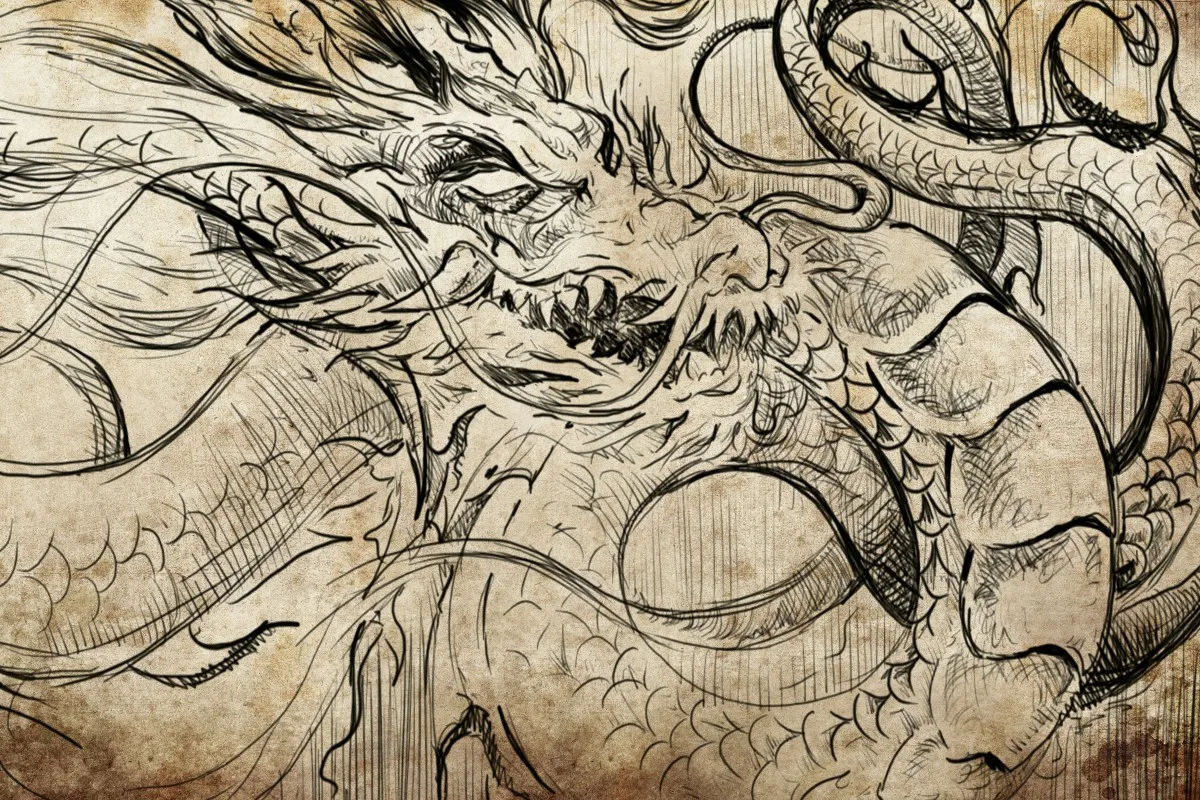
In this article, we will explore various ways to say “dragon” in the Japanese language, diving into the richness of this culture and understanding the subtleties of its vocabulary.
Dragons are mythical creatures that play an important role in the mythology and culture of many countries around the world. In Japan, these majestic beings are known for possessing a variety of supernatural abilities and representing wisdom, strength, and prosperity.
Have you noticed that in the Japanese language a single word can be written in different ways? With dragon, it’s no different; let’s see how to write dragon in Japanese and similar words.
The most common word for dragon in Japanese is 竜 (Ryū). Japanese dragons, in general, have characteristics distinct from Western dragons. This word can be used to refer to both Japanese, Chinese, or Western dragons.
ラゴン (どらごん, Doragon)
ドラゴン (Doragon) is the Japanese word derived from the English “dragon.” This way of writing and pronouncing the word dragon is mainly used in international contexts or when referring to Western dragons, which have an appearance and characteristics different from traditional Japanese dragons.
“Doragon” is often used in titles of movies, books, and games that are originated from or influenced by Western culture. A great example of usage is in the anime Dragon Ball.
龍 is another way to write the word “dragon” in Japanese and has the same sound and meaning as 竜 (Ryū). However, 龍 is more commonly used in formal or literary contexts and is considered a more sophisticated and elegant way to write “dragon.”
Both kanjis, 竜 and 龍, can be found in names of places, people, and works of art. Generally, the ideogram 龍 is used for Chinese dragons. They are often depicted as long serpents with four legs and have a more sinuous and elegant appearance.
龍神 (りゅうじん, Ryūjin)
龍神 (Ryūjin) is a word that means “Dragon God,” used to refer to dragons that are considered deities in Japanese folklore.
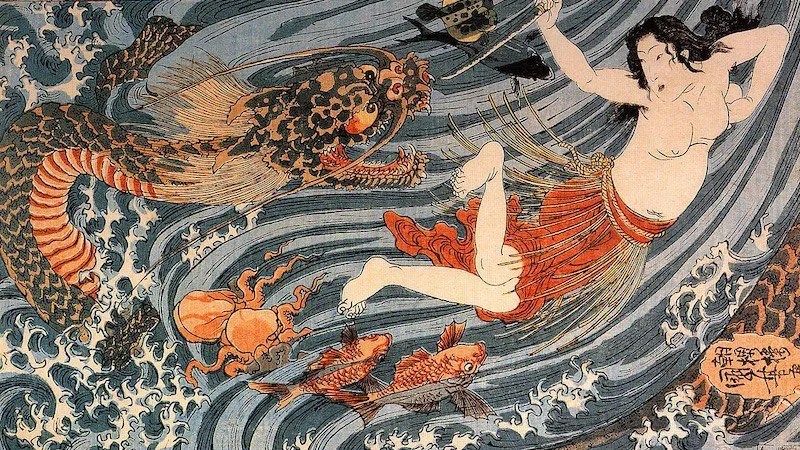
Ryūjin is the god of the sea in Japanese mythology and is known for controlling the tides and waters. He is often represented as a dragon with fish or serpent characteristics and is one of many examples of divine dragons in Japanese culture.
辰 (たつ, Tatsu)
辰 (Tatsu) is another term used to refer to dragons in the Japanese language, although it is less common than the others mentioned earlier. This term is more frequently found in the context of the Chinese zodiac, where the dragon is one of the twelve animals represented.
In the Japanese lunar calendar, “Tatsu” represents the fifth sign of the zodiac, being associated with people born in specific years, such as 2000, 2012, 2024, and so on.
Individuals born in the year of the dragon are considered ambitious, courageous, and highly motivated. Additionally, the term “Tatsu” can be found in names of people and places that have a connection to the zodiac or with the characteristics attributed to the dragon sign.
天竜 (Tenryū)
天竜 (Tenryū) means “Celestial Dragon” and is used to describe dragons associated with the sky and the universe.
These powerful creatures are seen as symbols of strength, wisdom, and protection, and often play an important role in Japanese legends and stories.
The term “Tenryū” can be found in names of temples, martial arts schools, and even in sports teams.
地竜 (ちりゅう, Chiryū)
地竜 (Chiryū) translates as “Earth Dragon,” used to describe dragons that live in the depths of the earth or have a special connection with nature and the soil.
These dragons are depicted as guardians of the earth and protectors of the natural balance, also being associated with fertility.
Draconian vocabulary in Japanese
To conclude, we will leave more words related to dragons in Japanese:
竜 (りゅう, Ryū) – Dragon
龍 (りゅう, Ryū) – Dragon (more sophisticated form)
龍神 (りゅうじん, Ryūjin) – Dragon God
天竜 (てんりゅう, Tenryū) – Celestial Dragon
地竜 (ちりゅう, Chiryū) – Earth Dragon
ドラゴン (どらごん, Doragon) – Dragon (derived from English)
辰 (たつ, Tatsu) – Chinese zodiac dragon
海竜 (かいりゅう, Kairyū) – Sea Dragon
雷竜 (らいりゅう, Rairyū) – Thunder Dragon
火竜 (かりゅう, Karyū) – Fire Dragon
氷竜 (ひょうりゅう, Hyōryū) – Ice Dragon
風竜 (ふうりゅう, Fūryū) – Wind Dragon
水竜 (すいりゅう, Suiryū) – Water Dragon
金竜 (きんりゅう, Kinryū) – Gold Dragon
銀竜 (ぎんりゅう, Ginryū) – Silver Dragon
木竜 (もくりゅう, Mokuryū) – Wood Dragon
鉄竜 (てつりゅう, Tetsuryū) – Iron Dragon
虹竜 (にじりゅう, Nijiryū) – Rainbow Dragon
白竜 (はくりゅう, Hakuryū) – White Dragon
黒竜 (こくりゅう, Kokuryū) – Black Dragon
Here are more words related to dragons in Japanese, including characteristics, actions, and elements associated with these mythical creatures:
龍の子 (りゅうのこ, Ryū no ko) – Dragon hatchling
竜宮城 (りゅうぐうじょう, Ryūgū-jō) – Dragon Palace (home of the Dragon God of the Sea, Ryūjin)
龍脈 (りゅうみゃく, Ryūmyaku) – Dragon lines (energy lines in the Earth, similar to the concept of “ley lines”)
竜舌蘭 (りゅうぜつらん, Ryūzetsuran) – Dragon lily (type of plant)
竜頭蛇尾 (りゅうとうだび, Ryūtōdabi) – Dragon’s head, serpent’s tail (a proverb describing something that starts promisingly but ends poorly)
竜の鱗 (りゅうのうろこ, Ryū no uroko) – Dragon scales
竜の牙 (りゅうのきば, Ryū no kiba) – Dragon fangs
竜の爪 (りゅうのつめ, Ryū no tsume) – Dragon claws
竜の翼 (りゅうのつばさ, Ryū no tsubasa) – Dragon wings
龍潭 (りゅうたん, Ryūtan) – Dragon Lake (a lake or pond with legendary connections to dragons)
竜を操る (りゅうをあやつる, Ryū o ayatsuru) – To control a dragon
竜と戦う (りゅうとたたかう, Ryū to tatakau) – To fight against a dragon
竜の力 (りゅうのちから, Ryū no chikara) – Power of the dragon
竜の息 (りゅうのいき, Ryū no iki) – Dragon’s breath
竜の目 (りゅうのめ, Ryū no me) – Dragon’s eyes
竜の尾 (りゅうのお, Ryū no o) – Dragon’s tail
竜の吠える (りゅうのほえる, Ryū no hoeru) – Dragon’s roar
竜の宝 (りゅうのたから, Ryū no takara) – Dragon’s treasure
Conclusion
In summary, the Japanese language has a variety of terms to refer to dragons, each with its own nuances and specific applications. These terms allow Japanese speakers to express the rich culture and symbolism associated with these mythical creatures in different and meaningful ways.
Do you know the meaning of Dojikko? Have you seen clumsy characters frequently in anime and manga? Characters who trip and knock things over? Cause a bit of confusion?
The term dojikko is often used in Japanese popular culture, especially in anime and manga, to describe characters who are prone to accidents or who are awkward.
Dojikko [ドジっ子] is a Japanese word that refers to a clumsy person, awkward or prone to accidents.
The word is formed by the combination of the terms “Doji” [ドジ] which conveys the idea of error, awkwardness, and failure. Followed by the suffix “kko” [っ子] which indicates a childish characteristic.
These characters are usually portrayed in an adorable way, with a sweet and naive personality that contrasts with their clumsiness.
Although the term is generally used to describe female characters, it is also possible for male characters to be portrayed as dojikko.
The Origin of Dojikko
The term dojikko became popular among anime and manga fans during the 1990s, when clumsy and adorable characters became popular in various genres of anime and manga.
Although the term dojikko is relatively new, the idea of adorable and clumsy characters has ancient roots in Japanese culture. For example, in kabuki theater, there is a type of character called “wakashu,” who is portrayed as a charming and naive young person.
These characters are often depicted as clumsy and prone to accidents, which may have influenced the development of dojikko as a type of character in anime and manga.
Dojikko characters generally have the following characteristics: they are clumsy and prone to accidents, have a sweet and naive personality, are often portrayed as adorable and cute, and are frequently the object of affection of other characters.
Dojikko characters are also often depicted wearing glasses, studious with many books, which they drop and become blind, needing the help of other characters.
Additionally, they often have a special skill or talent that is frequently overshadowed by their clumsiness.
Famous Dojikko Characters
Not sure if a character is considered Dojikko or not? How about recalling with a list of clumsy female characters and their animes?
Lum – “Urusei Yatsura”
Minori Kushieda – “Toradora!”
Sawako Kuronuma – “Kimi ni Todoke”
Tohru Honda – “Fruits Basket”
Yui Hirasawa – “K-On!”
Ayumu Kasuga – “Azumanga Daioh”
Ui Hirasawa – “K-On!”
Mio Akiyama – “K-On!”
Yuki Nagato – “The Melancholy of Haruhi Suzumiya”
Konata Izumi – “Lucky Star”
Miyuki Takara – “Lucky Star”
Tsumugi Kotobuki – “K-On!”
Chihiro Kosaka – “The World God Only Knows”
Ritsu Tainaka – “K-On!”
Alice Carroll – “Aria”
Makoto Kikuchi – “The iDOLM@STER”
Mihoshi Kuramitsu – “Tenchi Muyo!”
Tsukasa Hiiragi – “Lucky Star”
Rima Mashiro – “Shugo Chara!”
Yurippe – “Angel Beats!”
Mey Rin – Kuroshitsuji;
These are just some of the most popular dojikko characters among anime and manga fans. Each of them has their own unique characteristics and personalities, but they all share the trait of being clumsy and prone to accidents.
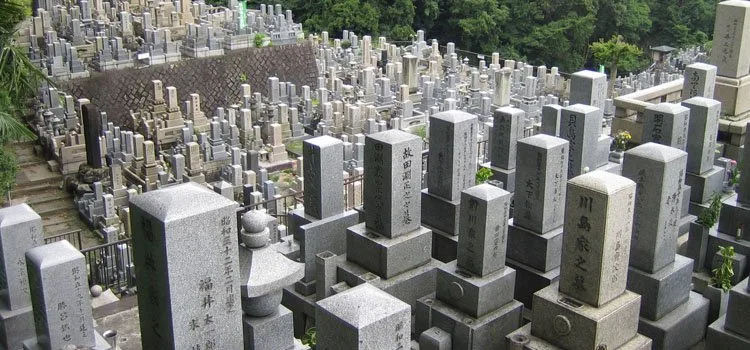
Get ready to dive into the fascinating and sometimes dark world of the Japanese language as we explore the different ways to say “death.” In this article, we will discuss the various words and expressions used to describe death and its cultural implications.
With a rich tapestry of words and expressions, Japanese offers a myriad of ways to describe and discuss death, from poetic and symbolic terms to more direct and factual descriptions. Ready to expand your Japanese vocabulary?
The most basic and direct word for “death” in Japanese is 死 (し, Shi). This simple and powerful word carries significant weight and is used in various situations, from everyday conversations to formal contexts.
“Shi” also appears in various expressions and word combinations, such as 死亡 (しぼう, Shibō) for “death” or “decease” and 死んでしまう (しんでしまう, Shinde shimau) for “to die” or “to pass away.”
The kanji 死 is a combination of the characters 歹 (がつへん, gatsuhen), which means “death,” and 匕 (ひ, hi), a pictogram representing a person leaning. Together, they convey the concept of death as a passage or transformation.
The word 逝去 (せいきょ, Seikyo) is another way to say “death” in Japanese, but with a more respectful and reverent connotation. “Seikyo” is often used when referring to the death of important or respected individuals, such as leaders and public figures, highlighting the admiration and respect that society has for them.
“Seikyo” is composed of the kanjis 逝 (せい, Sei), which means “to depart” or “to go away,” and 去 (きょ, Kyo), which means “departure” or “decease.” Together, they convey the idea that death is a respectful and honorable departure from the world of the living.
[枯れる] Kareru – Death in Nature
Another interesting word related to death in Japanese is 枯れる (かれる, Kareru), which means “to die” or “to wither” in the context of plants and trees. “Kareru” is often used in poetry and literature to describe the passage of time and the transformation of life and nature.
The kanji 枯 (かれ, Kare) is composed of the characters 木 (き, Ki), which means “tree” or “wood,” and 歹 (がつへん, gatsuhen), which, as mentioned earlier, means “death.” Together, they illustrate death in nature, such as when a tree loses its life and withers. This poetic and symbolic image evokes the passage of time and the impermanence of life.
[亡くなる] Nakunaru – The Mysterious Death
The word 亡くなる (なくなる, Nakunaru) is another way to express “death” in Japanese, usually used in more informal contexts and everyday conversations. “Nakunaru” is a softer and more indirect way of referring to death, often used to avoid the more direct and heavy word “Shi.”
The kanji 亡 (な, Na) means “to disappear” or “to lose.” Combined with なる (く, naru), which indicates a change of state, “Nakunaru” conveys the idea that someone or something has disappeared or is gone, rather than directly referring to death.
[殺す] Korosu – The act of killing
The word 殺す (ころす, Korosu) is a verb in Japanese that means “to kill” or “to murder.” Unlike the other words mentioned earlier, “Korosu” does not only refer to the concept of death, but also implies an intentional and direct action resulting in someone’s death. “Korosu” is often used in contexts such as crimes, conflicts, and fictional stories.
The kanji 殺 (ころ, Koro) is composed of two characters: 歹 (がつへん, gatsuhen), which represents “death,” and 朱 (しゅ, Shu), which means “red” or “red ink.” Together, they symbolize the idea of violent or bloody death, related to a deliberate action of taking someone’s life.
“Korosu” also appears in various expressions and word combinations, such as 自殺 (じさつ, Jisatsu) for “suicide” and 殺人 (さつじん, Satsujin) for “homicide.” These variations highlight different aspects and contexts related to the act of killing and death itself.
With the inclusion of “Korosu,” we now have an even more complete picture of the various ways to approach death in the Japanese language, from general concepts to specific and intentional actions. This illustrates the complexity of the language and its ability to express a wide range of emotions, situations, and meanings related to this universal theme.
[寿命] – Jumyō – Natural Death
寿命 (じゅみょう, Jumyō) is a Japanese word that refers to life expectancy or the natural lifespan of a person. Although it does not directly mean “death,” it implies the end of life as a result of natural causes, such as age or non-violent diseases.
[突然死] – Totsuzenshi – Sudden Death in Japanese
突然死 (とつぜんし, Totsuzenshi) is a Japanese word that means “sudden death.” This word describes death that occurs unexpectedly and without warning, usually due to natural causes, such as a heart attack or stroke.
Other words related to death in Japanese
To conclude, we will leave a list of words related to death or killing in the Japanese language:
葬儀 (そうぎ, Sōgi) – Funeral
葬式 (そうしき, Sōshiki) – Funeral ceremony
墓 (はか, Haka) – Tomb
墓地 (ぼち, Bochi) – Cemetery
遺体 (いたい, Itai) – Corpse (alternative to 死体)
遺灰 (いかい, Ikai) – Ashes (after cremation)
遺族 (いぞく, Izoku) – Mourning family
弔う (とむらう, Tomurau) – To mourn, express condolences
喪 (も, Mo) – Mourning
葬列 (そうれつ, Sōretsu) – Funeral procession
霊柩車 (れいきゅうしゃ, Reikyūsha) – Hearse
火葬 (かそう, Kasō) – Cremation
冥土 (めいど, Meido) – World of the dead, underworld
生死 (せいし, Seishi) – Life and death
死神 (しにがみ, Shinigami) – God of death, Reaper
亡骸 (ながらえ, Nagarae) – Remains
菩提 (ぼだい, Bodai) – Spiritual enlightenment, liberation from the cycle of life and death (Buddhist concept)
鎮魂 (ちんこん, Chinkon) – Rest of the souls, eternal rest
遺言 (いげん, Igen) – Will, last words
墓参り (はかまいり, Hakamairi) – Visiting someone’s grave
悼む (いたむ, Itamu) – To mourn, feel the loss of someone
輪廻 (りんね, Rinne) – Cycle of rebirth and death, reincarnation (Buddhist concept)
死を迎える (しをむかえる, Shi o mukaeru) – To meet death, to die
Kindergarten in Japan, known as “yōchien” (幼稚園), is a space for early childhood education that aims to provide a welcoming and stimulating environment for children between 3 and 6 years old.
This crucial phase of life is marked by rapid cognitive, emotional, and social development, making it essential to establish a solid foundation for learning and well-being throughout life.
In this article, we will explore the unique characteristics of Japanese kindergartens, including their holistic and integrated approach, focus on socialization, and the importance of outdoor education.
The holistic and integrated approach adopted by kindergartens in Japan is one of the main aspects that differentiate their educational system. This perspective is reflected in the emphasis on cognitive, emotional, social, and physical aspects of child development.
The first aspect of this approach is the appreciation of playful learning and creativity. In Japan, educators believe that children learn best through play, games, and hands-on activities. These activities are carefully planned to engage and stimulate children’s natural curiosity, encouraging exploration, experimentation, and problem-solving.
Another important element of this approach is the emphasis on emotional and social development. Japanese educators recognize the importance of creating a welcoming and inclusive environment where children feel safe and supported. This is achieved through practices such as “wa” (harmony), which promotes cooperation, empathy, and mutual respect among children and adults.
Finally, Japanese kindergartens also care about the physical well-being of children. They include regular physical and recreational activities in the curriculum, as well as promote healthy and balanced eating.
Focus on Socialization and Development of Interpersonal Skills
Socialization is a fundamental component of education in Japanese kindergartens. These learning spaces aim to develop interpersonal skills and promote children’s integration into society.
A common practice in Japan is “hannō no renshū” (繁忙の練習), which translates to “practice of agitation.” This activity involves performing tasks in groups, teaching children to work together, share responsibilities, and manage conflicts constructively.
Japanese kindergartens also value independence and personal responsibility. Children are encouraged to take care of their belongings, participate in daily tasks, and make decisions on their own. This helps develop self-management and self-confidence skills, preparing them to face future challenges.
Additionally, educators in Japan promote moral education and cultural values. Through stories, activities, and discussions, children learn about respect, gratitude, cooperation, and other important values for harmonious coexistence in society.
The Importance of Outdoor Education
Outdoor education plays an essential role in Japanese kindergartens. Educators recognize the benefits of contact with nature for child development and incorporate outdoor activities into their curriculum regularly.
A common practice is “shizen kankyō no gakushū” (自然環境の学習), which means “learning in the natural environment.” Children explore their surroundings, observing plants, animals, and natural phenomena, such as the cycle of the seasons. These activities stimulate curiosity, appreciation for nature, and environmental awareness.
Another popular activity is “soto asobi” (外遊び), or “outdoor play.” In addition to physical and emotional benefits, outdoor play also encourages socialization, cooperation, and problem-solving. Educators often organize games and group activities that promote communication and teamwork skills.
Finally, Japanese kindergartens also conduct excursions and visits to culturally and educationally significant places, such as parks, museums, and temples. These activities help enrich children’s educational experiences, providing opportunities to learn about history, culture, and the environment outside the classroom.
Conclusion
Kindergartens in Japan offer a unique and effective learning environment for preschool-aged children.
Their holistic and integrated approach, focus on socialization and interpersonal skills, and emphasis on outdoor education create a solid foundation for children’s cognitive, emotional, and social development.
By understanding and valuing the importance of early childhood education, Japan is investing in the future of its citizens and society as a whole.
According to Feng Shui, a spiritual home comes from creating an environment that follows the dictates of the ancient Chinese tradition and its rules, through which it is possible to rebalance the energies of the house to infuse positivity into the spirit and mind of those who live there. Here are your tips and practices for a positive, harmonious, and relaxing home.
Spiritual home: Where to start
It is essential that the environment in which we live conveys serenity and positivity. To make the house a domestic temple, it is helpful to find one’s own signs, one’s own symbols, in daily rituals that can transform small or large elements into subjects capable of receiving our intentions, capable of leading us to self-realization. Anything we feel attached to can be useful in this process, as long as we give it a precise meaning.
One of the first things to consider in bringing sacredness and positive energies to the home is how to let natural light fill the space. The language of light is the bearer of universal harmony, the revealer of the energy of life, and the inspiration for the future. The path that leads from light to darkness is also important because it is the path that will guide us from reality to dream, from earth to sky.
One of the first steps of Feng Shui philosophy is the reconnection of man with himself and with nature. The arrangement and orientation of objects are fundamental for the organization of rooms, as well as the shape and color of furniture and objects that are in harmony with the 5 elements. The space, for there to be harmony between man and nature, must be composed of natural elements such as wood, hemp, clay, straw, cork, and natural pigments.
There are also everyday elements and objects that are of great help in immersing oneself in different spiritual practices, among them we can find candles, which make our eyes connect with the vibrant energy of fire; incense, whose aroma intoxicates us stimulating our senses; crystals, which restore the energies of the body and mind, and musical instruments, their sound activates our vitality. For those who wish to rediscover beauty, silence, and inner growth, attention to nature and plants is a necessity. They not only provide us with oxygen but also make us live in green, which is the color of renewal and regeneration. Excellent for restoring physical and mental balance, it is no coincidence that it is often used in places dedicated to health.
The colors
Here are the notions to keep in mind when talking about Feng Shui and colors: first of all, black represents deep water and universal emptiness, it brings depth and strength to a room. Blue, whatever room it is used in, conveys a sense of concentration and serenity. White indicates purity and innocence. White is also the color that contains all other colors, and that is why we are all fascinated by a pure white space. Pink, like red, is often associated with love and has calming properties, as long as it is not too bright. Orange and yellow represent light, which means power and stimulates health.
Space
Also according to the principles of Feng Shui, for a house to be well built, it must be square or rectangular, without corners or missing pieces. According to the medical science of Ayurveda, when the five primordial elements of the body, earth, air, fire, water, and space, are in balance, a person is in a healthy state. Therefore, the five elements must also be in the right place to have a healthy home.
Each direction has a relationship with an aspect of life. The north is the area of career and financial well-being. It is the part of the house where you spend most of your time. In this direction, it is the element of water that brings positive vibrations, so placing an aquarium or a fountain in this corner will certainly bring good energy.
The south is the area of flames and is positively influenced by the element of fire. It is important that this area of the house is well lit to concentrate all the positive energy and favor activities, especially work. To increase energy, it is recommended to place a very bright lamp or many candles.
The east side of the house is related to health and reflects the harmony and well-being of you or your family. It is a very important corner and to obtain the greatest benefits it is advisable to place plants, a symbol of vitality.
The west corner of the house is related to creativity and the lake is the natural element. To increase positive energy and boost creativity, it is helpful to place stones and crystals in this part of the house.
The northeast corner is the part of the house related to knowledge and the reference element is earth. This corner is a must in the house of a student or someone who enjoys reading and being informed.
The northwest part is the part related to friendship. The element that can influence this corner of the house is metal. Activating the metal element is possible, for example, by hanging a brass bar or a small bell in this corner, which brings good luck.
The southeast corner of the house can positively influence everything related to wealth. The carrier of energy is the wind, which, according to Feng Shui principles, has the ability to bring new and good news. The peak of good fortune is achieved if a window is placed in this corner.
The southwest is the corner of love and marriage. To strengthen this corner so that it infuses energy, it is necessary to fill it with positive vibrations that only fire and light can offer. It will also be very positive to place all symbols of love there.
The center of the house, or of a room, also has its own characteristics, and when organizing furniture or the internal distribution of the rooms in a house, it should be left as empty as possible. The center is like the pivot of a wheel and, for it to move, producing energy, it must not be blocked or obstructed.
The tattoos of the Yakuza, known as “irezumi” (入れ墨) in Japan, are a form of body art associated with members of Japanese criminal organizations, collectively known as the Yakuza.
These complex and intricate tattoos are much more than simple adornments: they tell stories, represent loyalty, and convey messages about the position and identity of the bearer within the Yakuza hierarchy.
In this article, we will examine the meaning of Yakuza tattoos, exploring their historical origins, common symbols and themes, and the relationship between tattoo art and Japanese underworld culture.
Yakuza tattoos have deep roots in Japanese history and culture, dating back to the Edo period (1603-1868). During this time, tattoos were used as a form of punishment for criminals, marking them with symbols that indicated the nature of their crimes.
However, over time, many of these criminals embraced their marks and began to develop more elaborate and artistic tattoos to cover their scars.
The traditional Japanese tattooing method, called “tebori” (手彫り), involves the use of hand-held needles to insert ink into the skin. This meticulous and time-consuming technique requires skill and patience from both the tattoo artist and the client. The practice of tebori remains popular among Yakuza members, despite the emergence of modern tattooing methods.
In the context of the Yakuza, tattoos came to symbolize loyalty and commitment to the organization. The act of receiving a tattoo, especially one as elaborate and painful as the irezumi, demonstrates devotion and dedication to the cause.
Common Symbols and Themes in Yakuza Tattoos
Yakuza tattoos are often characterized by their distinct and complex style, incorporating a variety of symbols and themes. These elements have specific meanings and are associated with different aspects of Japanese culture, mythology, and folklore.
A common theme in Yakuza tattoos is the use of mythological and legendary figures, such as dragons, tigers, and carp. The dragon, for example, is a symbol of power, wisdom, and protection. The tiger, in turn, represents strength and courage, while the carp symbolizes perseverance and resilience.
Another common element is the presence of flowers, especially the cherry blossom (sakura) and the chrysanthemum. The sakura is an ephemeral symbol of life and mortality, while the chrysanthemum represents nobility, longevity, and loyalty.
Additionally, Yakuza tattoos may also include characters and scenes from legends and traditional Japanese stories, such as the “Suikoden” (水滸伝), a series of tales about heroes and bandits that became popular during the Edo period. These images illustrate the identification of Yakuza members with outlaws and renegade warriors from Japanese history.
Often, Yakuza tattoos cover large parts of the body, forming a kind of “second skin.” These complex and detailed tattoos, called “horimono” (彫物), can take years to complete, requiring multiple painful sessions with a specialized tattoo artist.
The Relationship Between Tattoo Art and Japanese Underworld Culture
Yakuza tattoos are closely linked to Japanese underworld culture, serving as a form of identification and a demonstration of loyalty to the organization. However, it is also important to understand the complex relationship between tattoo art and Japanese society at large.
In Japan, tattoos still carry significant stigma, partly due to their association with organized crime. Many people view tattoos as a sign of social deviance and misconduct. As a result, those with visible tattoos may face discrimination and exclusion in certain aspects of daily life, such as employment and access to public places like hot springs (onsen) and gyms.
On the other hand, tattoo art in Japan is highly respected and valued, with skilled tattoo artists being considered true masters of their craft. The complexity and beauty of Yakuza tattoos are admired by body art enthusiasts around the world, and many travel to Japan to be tattooed by renowned artists.
The relationship between tattoo art and Japanese underworld culture is, therefore, ambiguous and multifaceted. While Yakuza tattoos may be seen as an expression of loyalty and identification within the organization, they also represent the marginalization and exclusion faced by those who bear these marks in Japanese society.
Conclusion
Yakuza tattoos are a unique and impressive form of body art, with deep historical roots and a series of significant symbols and themes.
Although they are associated with organized crime and the Japanese underworld, they are also an expression of Japan’s rich culture and tradition.
Understanding the meaning of Yakuza tattoos allows us to explore the lesser-known aspects of Japanese society and appreciate the complexity and beauty of this enigmatic form of art.
The Japanese folklore is rich in mysterious and intriguing creatures known as youkai. One of these creatures is the Jorogumo, a spider the size of a cow, with unique abilities of transformation and seduction. In this article, we will explore the history, characteristics, and cultural representations of the Jorogumo in detail.
The word Jorougumo [絡新婦] is a play on words combining: “joro” (女郎), which means “woman who entangles” or “prostitute,” and the word “gumo” (蜘蛛), which means “spider.” The name suggests its dual nature as a giant spider and a seductive woman. The Jorogumo is also known as “Yamanba” or “Yama-onna” in some parts of Japan.
The Jorogumo first appeared in Japanese literature during the Edo period (1603-1868), in stories and folk tales known as “kaidan.” These stories often involved encounters between humans and youkai and were used as entertainment and moral warnings. The Jorogumo is also related to other spider-like creatures in Japanese folklore, such as the Tsuchigumo and the Ushi-oni.
Relationship with Spiders in Japan
In Japan, spiders have been associated with deities and supernatural creatures since ancient times. The Jorogumo can be seen as a personification of the fears and dangers associated with spiders and their webs, as well as a representation of the manipulation and seduction skills associated with women.
Characteristics and Abilities of the Jorogumo
The Jorogumo is known for her ability to transform into a beautiful woman to attract and seduce unsuspecting men. She uses her human appearance to approach her victims, and when they are distracted or relaxed, she reveals her true spider form and attacks them.
The Jorogumo is also often depicted as having the power to control other spiders, using them to weave webs and capture her victims. The spiders controlled by the Jorogumo are usually smaller and less threatening, but still effective in their tasks.
In addition to her transformation abilities, the Jorogumo is also known to possess magical powers, including the ability to create illusions and control natural elements, such as water and fire. In some stories, she is capable of creating storms and fires to destroy villages and kill her enemies.
How the Jorogumo Captures Her Victims?
The Jorogumo captures her victims using a combination of her transformation, seduction, and control over other spiders. Here are some typical steps in the process of capturing victims by the Jorogumo:
Transformation: The Jorogumo disguises herself as a beautiful woman, sometimes as a young lady or a damsel in distress, to attract the attention of unsuspecting men. This transformation ability allows her to approach her victims without raising suspicion.
Seduction: Once the Jorogumo has attracted the victim with her human appearance, she begins to seduce them. She may use her conversational skills, charm, and attractive appearance to engage the victim and make them let their guard down. In some stories, the Jorogumo offers shelter, food, or poisoned drink to the victim, making them more vulnerable to attack.
Attack: When the victim is distracted or relaxed, the Jorogumo reveals her true spider form and attacks. She may use her venomous fangs to paralyze the victim or ensnare them in her web, rendering them unable to move or escape. The Jorogumo can then feed on the victim on the spot or take them back to her lair to consume them later.
Control over other spiders: The Jorogumo can also use her power over other spiders to assist in capturing her victims. She may command smaller spiders to weave webs to trap the victim or distract them while she approaches for the attack. In some cases, the Jorogumo also uses her magical abilities and illusions to confuse or lure her victims into deadly traps.
These clever and seductive tactics are what make the Jorogumo such a dangerous and feared creature in Japanese folklore. Her stories serve as a warning about the dangers of lust and temptation and the importance of always being alert and wary of deceptive appearances.
Cultural Representations of the Jorogumo
The Jorogumo appears in various Japanese literary and theatrical works, including kabuki and noh plays, where her story is told and retold in various ways.
Some versions portray the Jorogumo as a tragic figure, while others describe her as a malevolent and manipulative creature.
In some cases, the Jorogumo is defeated by a brave hero, while in others, she manages to deceive and escape from her pursuers.
Visual Art and Media
The Jorogumo is also depicted in various forms of visual art, including paintings, prints, and book illustrations.
Ukiyo-e art, in particular, features many representations of the Jorogumo, showing her human and spider forms, as well as her interactions with unsuspecting men.
Some artworks highlight the beauty and mystery of the Jorogumo, while others emphasize her more sinister and threatening side.
The Jorogumo has been a source of inspiration for contemporary media, including films, television series, anime, and manga.
She is often used as a secondary character or antagonist, and her transformation and seduction abilities are explored in creative and exciting ways.
The Jorogumo can also be found in video games, where she is presented as a powerful boss or enemy for players to face.
Appearance of the Jorogumo in Animes
“InuYasha” (2000-2004): The Jorogumo appears in episode 33 of this classic anime series, titled “Kikyou’s Lonely Journey.” In this episode, the Jorogumo disguises herself as a woman and tries to seduce Miroku, one of the main characters, to feed on him.
“Nurarihyon no Mago” (2010-2011): This anime features the character Kejoro, who is a Jorogumo. Kejoro is portrayed as a loyal and protective youkai who is part of the Nura clan, helping the protagonist Rikuo Nura in his adventures.
“Mononoke” (2007): The Jorogumo appears in the “Noppera-bō” arc, which spans episodes 3 and 4 of this anime. In this story, the Jorogumo is a tragic creature seeking revenge against the men who harmed her.
“Yozakura Quartet” (2008): The character V Juri F, a Jorogumo, appears in this series as an exorcist working alongside other supernatural beings. She is portrayed as a mysterious and complex character, oscillating between alliances and goals.
Did you know about the Jorogumo?
The Jorogumo is a fascinating and complex creature from Japanese folklore, whose story and characteristics make her an intriguing figure in popular culture.
Her dual nature, magical abilities, and power of seduction continue to capture the imagination of writers, artists, and fans around the world.
By studying the Jorogumo and her representations, we can gain a deeper understanding of Japanese beliefs and traditions, as well as how stories and legends develop and evolve over time.
Have you watched Death Note? Get ready to embark on a linguistic adventure, unraveling the enigmas behind the name “Kira” and its meaning in the Japanese language.
Throughout this article, we will explore its origins, variations, and references in popular culture. Let your curiosity flow and join us on this fascinating journey!
Since most people search for Kira from Death Note, let’s start with him. In the anime, this name “Kira” was chosen as a pun with the English word “killer”.
When translating Killer to Japanese, we have the word kiraa [キラー] but the name of the protagonist of the Death Note series is written simply as Kira [キラ]. It is worth noting that to kill, derived from “kill” in English, in Japanese is kiru [キル].
In the Japanese language, the word “Kira” (キラ) can actually be translated as “shine” or “sparkle”. Its origin is related to the verb and onomatopoeia “kirakira” (キラキラ), which expresses an intense shine, like that of stars or the light reflecting on water.
The name Kira thus carries an air of mystery and charm, conveying the idea of someone or something that shines intensely and stands out. Light Yagami chose this name because besides being a killer, he also wanted to stand out and shine like the God of that world.
Kira is one of the readings of the ideogram [煌]
Kira beyond Death Note
The name Kira also stands out in Japanese popular culture, being used in various works and iconic characters.
One of the most notable examples is the character Kira Yoshikage from the manga and anime “JoJo’s Bizarre Adventure”. This villain, with his bright name, is a mysterious and charismatic figure who lives a double life.
The Kira from JoJo’s Bizarre Adventure uses [吉良] in his name. This is a common choice for a surname or a given name in Japanese. The word is composed of two kanji characters:
吉 (ki) – which means “good luck” or “auspicious”
良 (ra) – which means “good” or “excellent”
Thus, 吉良 (Kira) can be interpreted as something that brings good luck, is auspicious, or has good qualities. Here are some other characters that also have the name Kira:
Kira Sakuya – a character from the anime/manga “Angel Beats!” known for being a skilled fighter.
Kira Daidouji – a character from the fighting game “Arcana Heart” who uses magic to fight.
Kira Yamato – the protagonist of the anime “Mobile Suit Gundam SEED”, who is a pilot of giant robots.
Variations of the meaning of Kira
Although the version “Kira” is common, the name can also be written in other ways, depending on the intention or desired meaning. Some variations include:
希良 (Kira): Here, the kanji 希 (ki) represents “hope” or “desire”, while 良 (ra) retains its meaning of “good” or “excellent”. Thus, the name carries the idea of hope and kindness.
綺羅 (Kira): In this variation, the kanjis 綺 (ki) and 羅 (ra) are used to express “beautiful” and “precious” or “rarity”. The name then evokes the idea of something beautiful and rare, like a treasure.
The anime Nisekoi ends in episode 12 of the second season, which covers approximately up to chapter 106 of the manga. Here are the main events that happen after the anime in the Nisekoi manga:
After the end of the anime, the search for the truth about the necklace and the key continues to be a central theme in the story of Nisekoi. Raku, Chitoge, Onodera, and the other characters get involved in various adventures and comedic situations as they try to unravel the mystery behind the childhood promise.
In addition to the funny situations, these searches also provide moments of growth and development for the characters. They begin to better understand their own feelings and develop deeper bonds with each other.
Marika’s health problems and confrontation with her mother
Marika Tachibana, one of Raku’s love interests, faces health problems caused by her pre-existing condition.
Marika’s friends discover that her mother plans to take her back home due to these health issues and an arranged marriage.
Raku and the others decide to help Marika confront her mother and protect her freedom. This story arc shows the power of friendship and the importance of fighting for what you believe in.
Yui Kanakura Raku’s sister
Yui Kanakura, Raku’s older sister and also the clan leader, plays a more important role in the plot after the end of the anime. She also possesses one of the keys to Raku’s necklace, and her connection to the childhood promise is explored.
Yui arrives at Raku’s school as a new teacher and soon becomes the student council advisor. She also moves into Raku’s house, creating a new dynamic in his life. Her presence increases the tension between the characters, especially between Chitoge and Onodera, as Yui also shows interest in Raku.
Yui’s past is slowly revealed throughout the arc. She was Raku’s protector and childhood friend, and they shared many experiences together.
However, due to family circumstances and Yui’s position in the Kanakura clan, they were separated. Yui had the mission of protecting Raku and his necklace, and she was also present at the moment the promise was made between Raku and one of the girls.
At the end of the arc, she reconciles with Raku and decides to support him in his search for the truth about the promise and the keys. Yui also confronts her position in the Kanakura clan and seeks to find her own path in life, beyond her loyalty and duties to the clan.
Past and Childhood Promise
Raku discovers that Kosaki Onodera is the girl from the promise through various hints and events that occur throughout the manga.
One of the crucial moments happens when Raku finds an old photo album belonging to his mother. In the album, he sees a photo of himself with a little girl who looks like Onodera, suggesting that she was the girl with whom he made the promise as a child.
Additionally, Raku recovers more memories from his childhood, including moments spent with Onodera and other clues that point to her as the girl from the promise. For example, he remembers the melody of a piano he heard as a child and associates it with Onodera.
By piecing together all these hints and memories, Raku concludes that Onodera is the girl with whom he made the marriage promise ten years ago.
This revelation has a significant impact on the relationship between Raku, Chitoge, and Onodera, causing the characters to reevaluate their feelings and priorities.
Raku’s choice and his love for Chitoge
Despite the revelation about the childhood promise, Raku realizes that his feelings for Chitoge are stronger than his promise from the past. He makes the difficult decision to choose Chitoge over Onodera.
The story focuses on Raku’s emotional growth and the courage needed to follow his heart. He finally confesses his love to Chitoge, and the two become an official couple.
The characters of Nisekoi move forward with their lives after graduating from high school and face their futures with hope and determination.
Raku becomes a public servant and also takes on the responsibility as his father’s Yakuza successor. Chitoge follows her dreams and moves to the United States to become a fashion designer.
Onodera, in turn, opens her own candy store, fulfilling her childhood dream. The characters face challenges and opportunities as they try to find their place in the world.
Final – Reunion and wedding
Years pass, and Chitoge returns to Japan. She and Raku reunite, rekindling the love they shared as teenagers.
After overcoming any doubts and uncertainties that may have arisen during the time they spent apart, Raku and Chitoge decide to get married.
They celebrate their wedding surrounded by friends and family and begin a new life together as husband and wife.
The Nisekoi manga ends with the union of Raku and Chitoge, bringing a satisfying conclusion to the love and friendship story that began in school.
Kaichou wa Maid Sama is a classic comedy anime that was very successful during its release and decades later. Unfortunately, the anime did not get new seasons, but the manga continued to provide a long-awaited ending for readers. If you are curious to know the ending, what happened after the anime, this article will help you.
First for the desperate, we will summarize the events of the manga after the anime, then we will explore in detail some questions that fans would like to know the answer to.
The anime "Maid Sama!" ends approximately at chapter 32 of the manga. However, it is important to note that some parts of the manga may have been omitted or adapted differently in the anime.
Events of the Maid Sama Manga
After the end of the Maid Sama anime, the story of the manga continues to develop the relationship between Misaki Ayuzawa and Takumi Usui. Here are the main events that happen after the anime:
The Sports Festival: The Seika school holds a sports festival, in which Misaki participates in several competitions. During the festival, Usui reveals that he plans to transfer to England to study at a medical school.
Usui’s Transfer: Takumi transfers to Miyabigaoka school in England. Misaki confronts her feelings for him and confesses before he leaves. The two decide to maintain a long-distance relationship.
Life in England: Takumi deals with the challenges of living in England and learns more about his past and family. Misaki manages her life at Seika school and the challenge of maintaining a long-distance relationship with Takumi.
The Arrival of the Walker Family: The Walker family, relatives of Usui, comes to Japan to meet him. They intend to take Usui back to England, but he refuses. Misaki discovers the truth about Usui’s origins and the reason he lives in Japan.
The Yūi Competition: Tora Igarashi, president of the student council at Miyabigaoka school, challenges Misaki to compete in a contest called Yūi, which decides which school will have the right to host a cultural event. Misaki accepts the challenge and wins the competition, allowing Seika school to host the event.
Cultural Festival: Seika school successfully holds its cultural festival, and Misaki and Usui work together on various events. During the festival, they face several trials and overcome them together.
Graduation and Confession: On graduation day, Misaki becomes the official speaker of the ceremony and gives an emotional speech. After the ceremony, Usui proposes to Misaki, and she accepts. Usui reveals that he obtained permission from the Walker family to marry Misaki.
Epilogue: Misaki and Usui continue their relationship even after graduation. Misaki becomes a diplomat and works together with the Japanese government, while Usui becomes a doctor. They get married and build a life together, facing the challenges of marriage and adulthood.
The Past and Secret of Usui Takumi
The past and secret of Usui Takumi are revealed throughout the Maid Sama manga series and are briefly mentioned in the anime. Takumi Usui was born into a noble family in England. His mother, Patricia Walker, was a British heiress, and his father, Yū Hirose, a Japanese butler who worked for the Walker family.
The relationship of his parents was forbidden, as the Walker family was highly traditional and did not accept Patricia being involved with a butler. As a result, Takumi was considered illegitimate and was born in secret. His mother died shortly after giving birth, and his father, Yū, was sent back to Japan.
Takumi was raised by the Walkers as an illegitimate son, and his existence was kept a secret from the outside world. He was educated and trained to be a perfect butler, just like his father. However, Takumi was rebellious and dissatisfied with his life in England. He desired a different life, beyond the restrictions and expectations of his family.
At the age of 14, Takumi ran away to Japan and began living with his adoptive family, the Usuis. He adopted the surname “Usui” and started attending Seika school as a regular student, trying to lead a normal life, away from the complications of his past. It was there that he met Misaki Ayuzawa and fell in love with her.
Takumi’s past is one of the main themes of Maid Sama, and his story is explored in more detail in the later volumes of the manga, where his Walker family plays a significant role in the plot.
The Ending of the Maid Sama Manga
In addition to the events already mentioned earlier in this article, here are some more details about the ending of the manga, starting with one of the main pages of the ending:
Misaki and Usui get married in an intimate ceremony, surrounded by friends and family. They begin a new life together as husband and wife.
Ten years after graduation, the former students of Seika school hold a reunion. Misaki and Usui attend the event and reunite with their friends and classmates. During the reunion, they reminisce about the good times they had together and celebrate the lasting friendship they share.
The ending of the Maid Sama manga shows Misaki and Usui navigating the challenges of adulthood and marriage. They prove that love and mutual commitment can overcome adversities, and the story ends on a positive note, celebrating love and friendship.
Have you ever wondered how Btooom ends? Did you watch the anime and are still waiting for another season? Do you want to know what happens after the manga? Then, get ready because this article will help you!
The anime “Btooom!” adapts approximately the first 50 chapters of the manga, which correspond to the first 9 volumes of the series. To continue the story after the end of the anime, you should start reading from volume 10 of the manga.
After the end of the anime “Btooom!”, the manga continues the story and brings many developments and twists for the characters and the plot. Here are some of the main events that occur in the “Btooom!” manga after the end of the anime:
The most significant development is the announcement of “Phase 2” of the Btooom! game, which completely changes the rules. Now, players have the option to form teams of two members and must collect 14 BIM chips (instead of the original 8) to leave the island. This change in the game’s dynamics leads to new alliances and conflicts among the characters.
The Truth About Tyrannos Japan
Ryouta and Himiko discover more information about the organization behind the Btooom! game, Tyrannos Japan. They learn that the members of this organization are actually the main controllers of the game and are monitoring the players in real-time. Additionally, they discover that the game is streamed live over the internet to a global audience, who bet on the players and influence the game’s dynamics.
Kira’s Past
The manga explores the dark past of Kira Kosuke, one of the main antagonists of the series. His tragic story and the events that led him to become a killer are revealed, providing a deeper insight into his character and motivations.
New Characters and Confrontations
The manga introduces new characters, such as the mercenary and former Argentine soldier, Kaname Date, who has incredible combat skills and a sharp mind. Furthermore, the story reveals more about the players and their special abilities, as well as their past and motivations, creating intense and exciting confrontations.
Tougou’s Betrayal
Tougou, who was apparently helping Ryouta and Himiko, reveals himself as a traitor and allies with Date. This leads to a series of conflicts, betrayals, and twists, increasing the tension and suspense in the story.
Infiltration in the Tyrannos Japan Base
Ryouta, along with some other players, decides to attack the Tyrannos Japan base to confront the controllers of the game and expose their actions. They face a series of challenges and adversaries along the way, including a confrontation with the organization’s leader, Nobutaka Oda.
Shitty Ending lol
The Final Confrontation
In the climax of the manga, a final confrontation occurs between Ryouta, Himiko, and the remaining members of the island. During this confrontation, several characters face their past and their actions while trying to survive the growing violence and despair surrounding the game.
Additionally, Ryouta and Himiko are forced to make difficult choices to ensure each other’s safety while facing their own inner demons.
The battle culminates in a series of dramatic and decisive events that determine the fate of the characters and the Btooom! game as a whole. Tension rises as the players are confronted with choices and sacrifices that will shape the outcome of the game.
The “Btooom!” manga features two alternate endings, allowing readers to choose which conclusion they prefer for the story. These endings are known as “Btooom! Light” and “Btooom! Dark.” Both endings arise from the same critical point in the story but follow different directions, leading to distinct outcomes.
Btooom! Light
In the “Light” ending, Ryouta and Himiko manage to escape the island and return to civilization. They confront Tyrannos Japan and work together to expose the truth behind the Btooom! game and its organizers. Through their actions, Ryouta and Himiko dismantle the organization and ensure that those responsible are brought to justice.
After returning home, Ryouta and Himiko begin to rebuild their lives and adjust to society again. They face the traumas they suffered on the island and try to find a sense of normalcy. Eventually, the two get married and have a child, promising to stay together and support each other no matter what happens.
Btooom! Dark
In this ending, Ryouta makes the difficult decision to sacrifice himself to protect the other players and defeat the main villain. He becomes involved in a fierce battle and ends up suffering severe injuries that lead to his death.
Instead of focusing on defeating Tyrannos Japan, the “Dark” ending explores the corruption and evil that can arise even in people who initially seemed innocent. The Btooom! game continues to consume the characters, leading them down a dark and violent path.
With Ryouta’s death, the other surviving players manage to escape the island. However, they are traumatized and devastated by Ryouta’s loss. They struggle to cope with grief and trauma while trying to return to normal life and adjust to society.
Himiko, in particular, has difficulty moving on after Ryouta’s death. She struggles to find purpose in life and honor Ryouta’s memory, eventually becoming an activist and fighting to expose the truth behind the Btooom! game and its creators. Through her efforts, she hopes to prevent others from suffering the same fate as Ryouta and the other players.