
Japanese writing looks intimidating at first: three scripts in one sentence, thousands of characters and a stroke order that seems impossible to remember. The honest answer is that it takes time, but the task becomes manageable once you separate recognition from handwriting and learn the scripts in the right order. This guide explains how the system works, what you really need, and how to practise without wasting months.
Contents 10
Is Japanese writing difficult?
Yes, it is demanding, but it is not chaotic. Japanese uses two syllabaries and a set of Chinese-derived characters, and each has a clear role. Hiragana, katakana and kanji appear together in the same sentence, which is why beginners feel lost. The difficulty is volume rather than logic: 46 basic characters in each kana set, plus 2,136 jōyō kanji that the government lists for everyday use.
The three scripts and what each one does
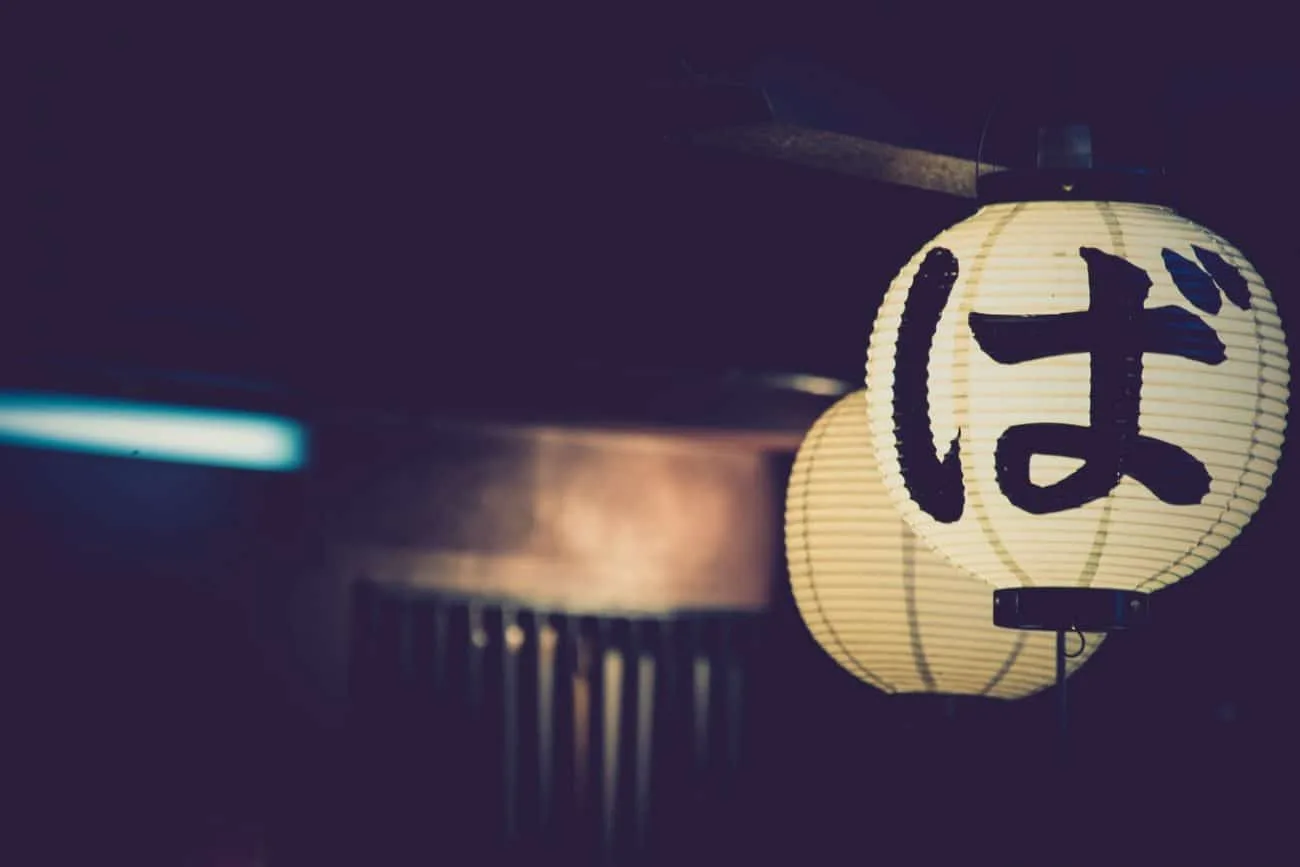
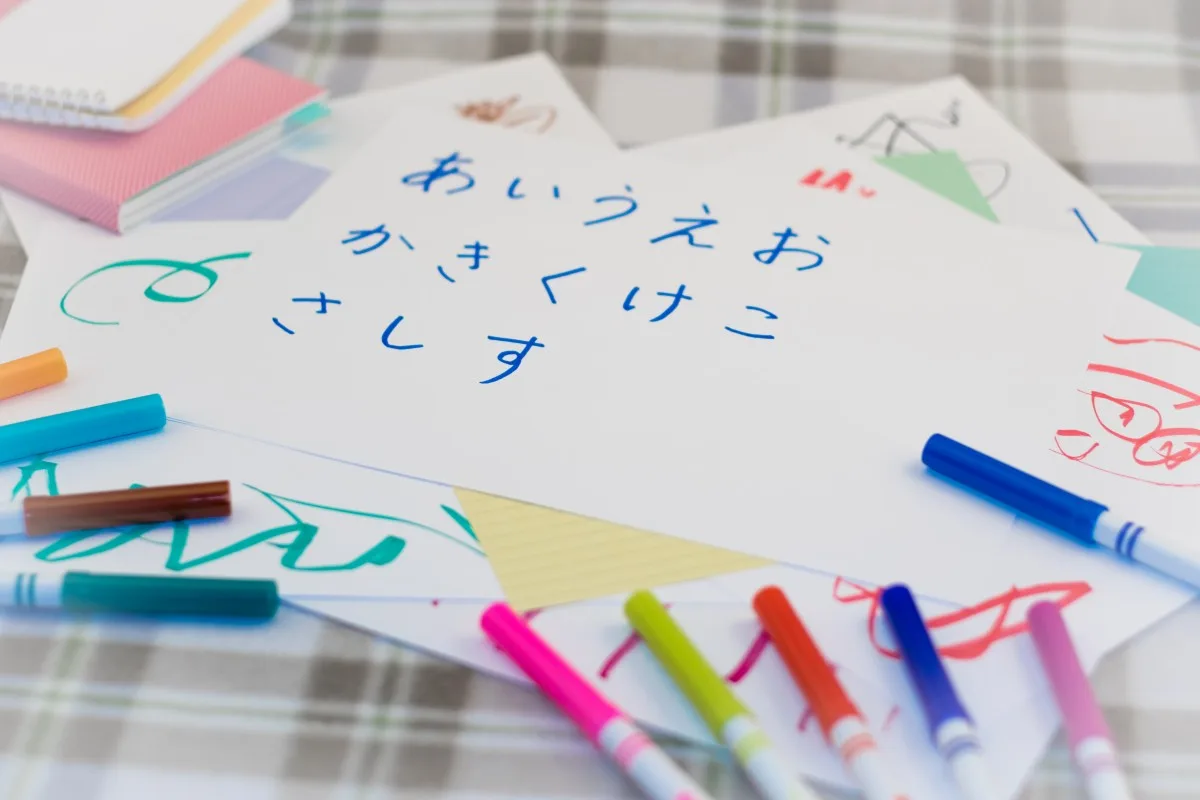
Hiragana covers grammar, particles and native words; its 46 basic signs are the first thing to learn. Katakana marks loanwords, but it also appears in onomatopoeia, emphasis and company names, so it is not limited to foreign vocabulary. Kanji carry meaning and are used for nouns, verb stems and adjectives. Adding dakuten and handakuten gives each kana set 71 signs in total, and many kana look similar, which explains the early confusion between shi and tsu or so and n.
Do you need to write to speak and read?
Speaking does not require handwriting, and typing in Japanese uses a keyboard with kana input, so an adult learner can function for a long time without producing characters by hand. Reading is a different matter: you need to recognise kana and a growing set of kanji to understand menus, signs and messages. Recognition and production are separate skills, and most learners build recognition first.
Why stroke order still matters
Stroke order is not a decorative rule. It explains the shape of a character, keeps handwriting legible and makes characters easier to remember. The general pattern is top to bottom and left to right, with horizontal strokes before vertical ones in many characters, and enclosed parts before the content inside them. There are exceptions, which is why textbooks print a numbered diagram for every new character instead of relying on a single universal rule.
Kanji: radicals and structure
Kanji are built from components, and the most useful components are radicals. The water radical 氵, for example, appears in 泳 (swim), 河 (river), 波 (wave) and 海 (sea), so recognising it gives a hint about meaning. Learning radicals in groups is far more efficient than memorising each character as a picture. Most learners aim for the 2,136 jōyō kanji over several years, and reading practice with furigana helps long before that number is reached.
Where calligraphy fits in
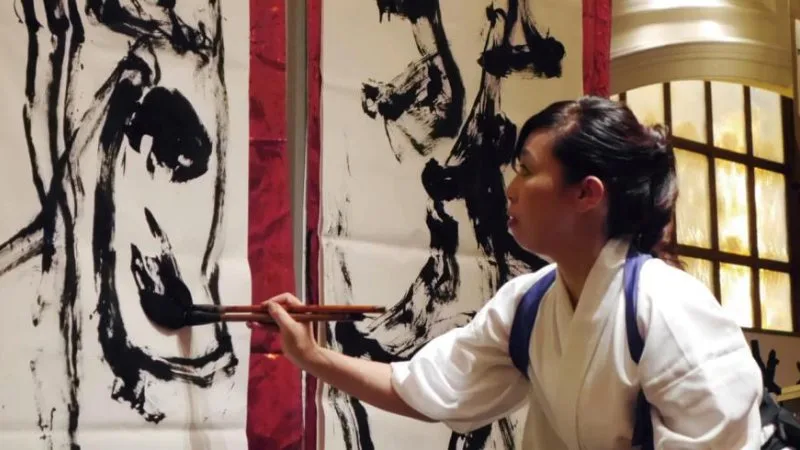
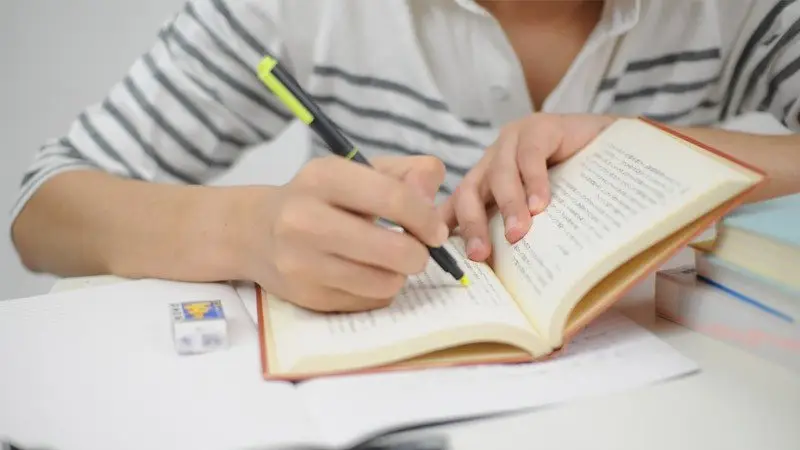
Japanese calligraphy, shodō, uses brush and ink and treats writing as an art form. You do not need it to learn the language, but a short practice session teaches stroke order, balance and proportion better than copying characters quickly on a keyboard. Many learners try a brush pen and plain paper for a few minutes a week and find that their handwriting becomes clearer.
A realistic plan for the first months
Start with hiragana and katakana, writing each character slowly and reading short words out loud. Two to four weeks of daily practice is enough to recognise both sets, and handwriting improves later. Then introduce kanji in frequency order, five to ten a week, always with a word and a sentence so the character has meaning. Keep a short handwriting block of five minutes per session, and use spaced repetition for recognition. Typing practice can run in parallel, because the keyboard converts what you type into kana and kanji. Once recognition is stable, add reading material with furigana.
When handwriting is still required
Handwriting appears in specific situations: filling in paper forms, writing addresses on envelopes, signing documents and, in some exams, writing answers by hand. Japanese adults often comment that they forget characters because they type everything, which is normal. For learners, being able to write your name in kana and kanji, and to fill a simple form, covers most practical needs.
Common myths about Japanese writing
One myth says writing is unnecessary in the digital age. Speaking and typing can work without handwriting, but reading remains essential, and recognition comes from the same characters. Another myth claims there are hundreds of thousands of kanji; large dictionaries list tens of thousands, yet everyday literacy works with about 2,136 jōyō kanji. A third myth says katakana is only for foreign words, although it is also used for sound effects and emphasis. Finally, kanji are often described as purely Chinese: many characters were created in Japan, including kokuji such as 働 and 峠.
Conclusion
Japanese writing is difficult because of volume, not because of hidden complexity. Learn hiragana and katakana first, keep stroke order correct, add kanji with their radicals and words, and separate recognition practice from handwriting practice. With a daily block of twenty minutes and the right order, the three scripts stop feeling like three alphabets and become one readable system.
More on Japanese writing: the definitive kana guide, how many kanji the Japanese need, bushu and the structure of kanji, writing the first 80 kanji, shodō and Japanese calligraphy and tips for learning the kana alphabet.


Community
Comments
0 comments
There are no published comments in this language yet.
Send comment