
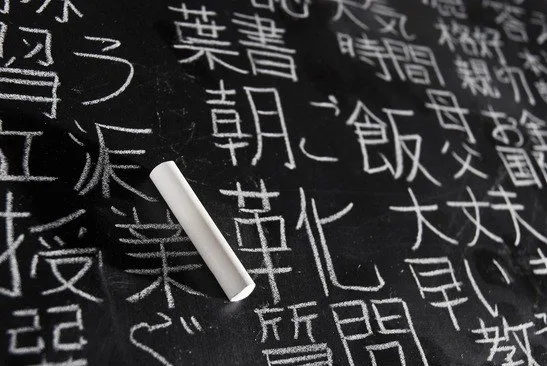
How is Japanese reading done? Is it backwards? From back to front? Vertical or horizontal? The questions pile up the first time someone opens a manga the “wrong” way or stares at a newspaper column that seems to start on the wrong side of the page.
Many people believe Japanese is written and read from back to front like Arabic. That idea comes from manga and some traditional books that open on the right — but that does not mean every line runs “backwards.” The real picture is more flexible than a single rule.
Contents 7
Is Japanese read or written backwards? From back to front?
The short answer to “Is Japanese read from back to front?” is no. Japanese is not written like Arabic, where the line itself runs right to left as a fixed rule for the script.
In everyday modern Japanese, the most common horizontal writing goes left to right, like English and most Western languages. What confuses people is book and page order: many manga, light novels, and traditional volumes are bound on the right, so you turn pages right to left. That is about how the book is assembled and how vertical columns are ordered — not about letters being drawn “in reverse.”
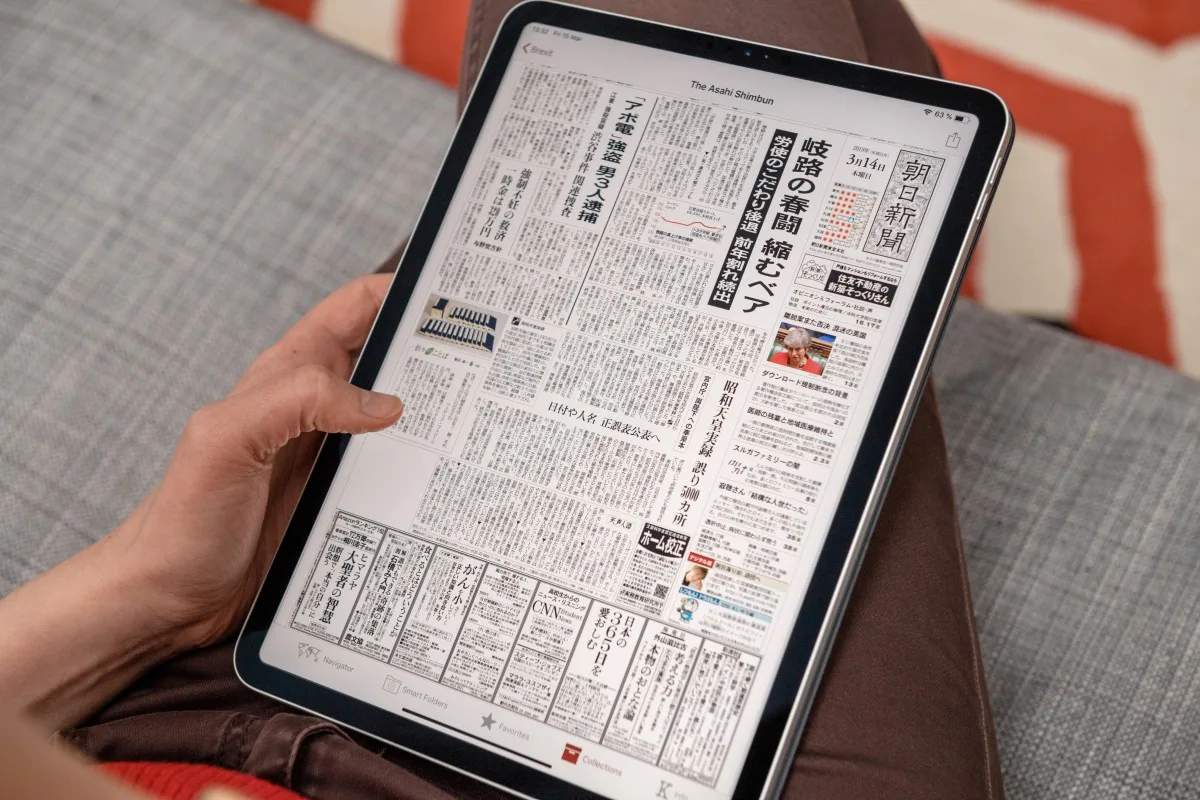
How Japanese is written: kanji, hiragana, and katakana
Before direction, it helps to know what sits on the page. Modern Japanese mixes three main scripts in the same sentence:
- Kanji — characters adopted from Chinese writing that mainly carry meaning (nouns, verb stems, names).
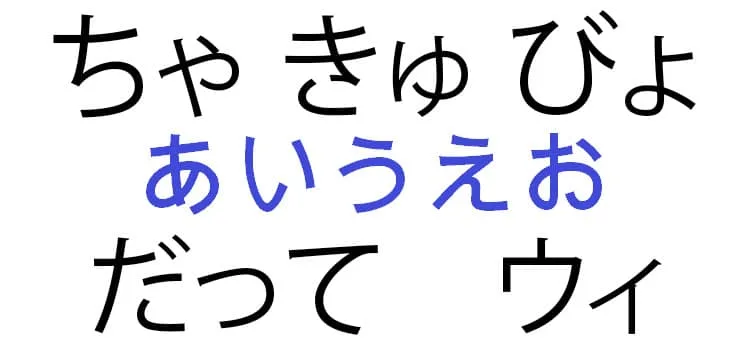
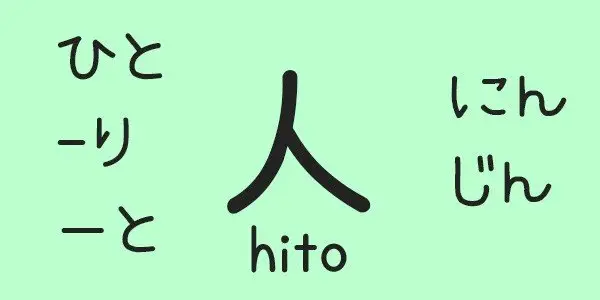
- Hiragana — a syllabary for native words, grammar endings, and particles; the soft, rounded shapes you see all over textbooks.
- Katakana — a matching set of syllables used for loanwords, foreign names, onomatopoeia, and emphasis.
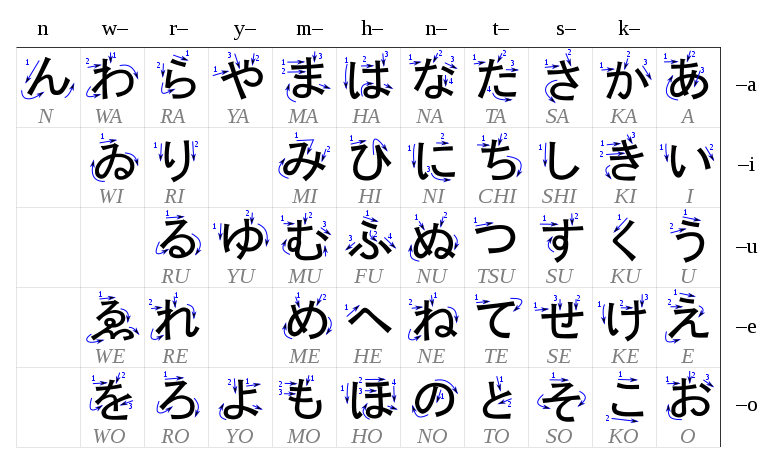
Each character usually sits in its own square space, without joining strokes the way English cursive does. That is why the same text can be laid out in columns or rows without redesigning every letter. If you want a full map of the syllabaries, see our guide to hiragana and katakana (kana) and the deeper look at whether Japanese writing is really that hard.
Tategaki — reading from right to left, vertically
The traditional layout in newspapers and many books is vertical. In that case, you do read columns from right to left, exactly as you see in manga speech bubbles and classic novels.
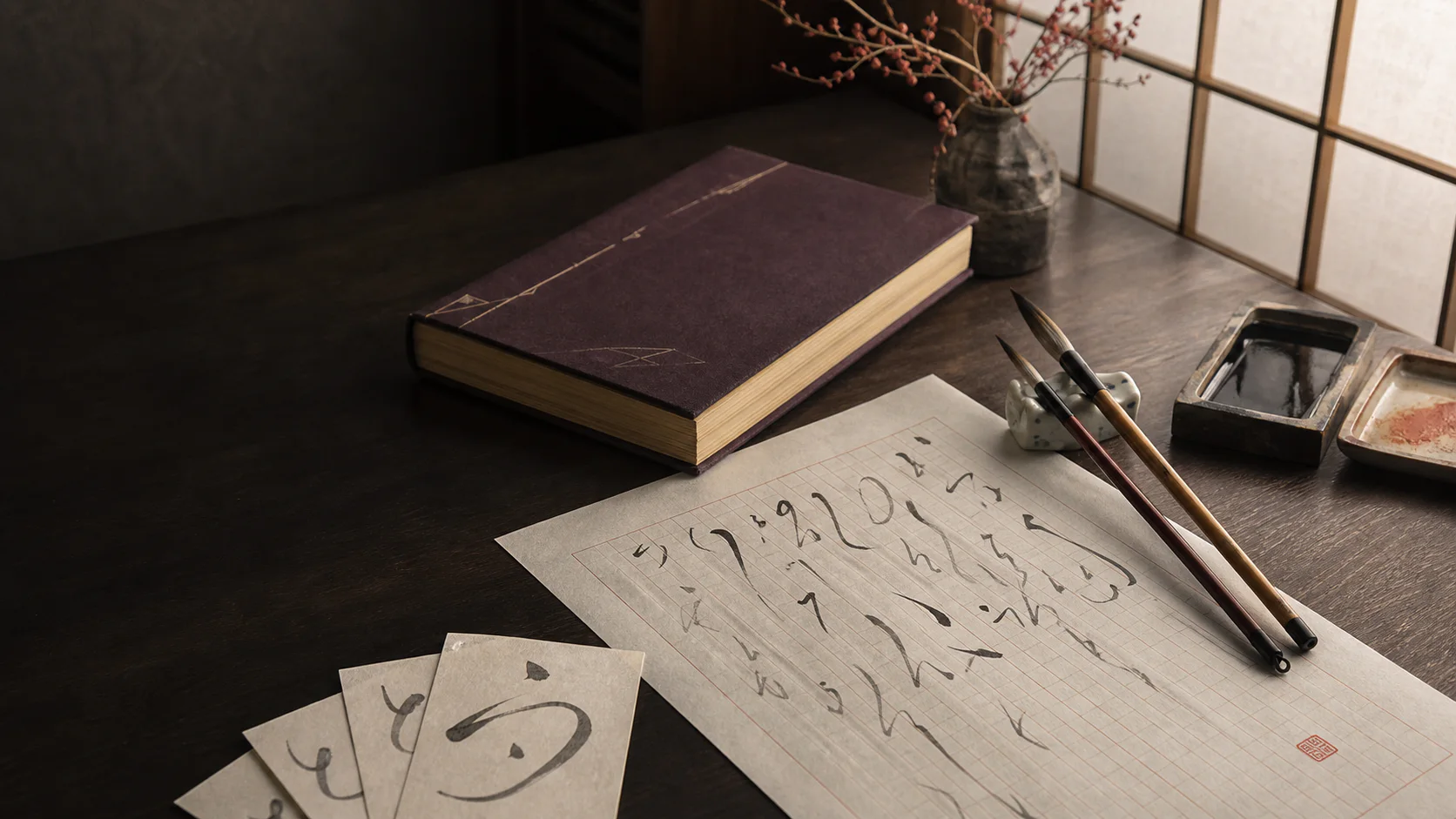
This layout became the norm when writing was done with a brush on paper that unrolled like a scroll: the right hand writes while the left keeps the sheet free.
That style is called tategaki [縦書き], literally “vertical writing.” Text runs top to bottom in a column, then the next column starts to the left of the previous one.
You will mainly find it in newspapers, manga, light novels, traditional books, pamphlets, and some advertising. Publication covers often sit on the opposite side from Western books, so the first page is where English readers expect the last page.
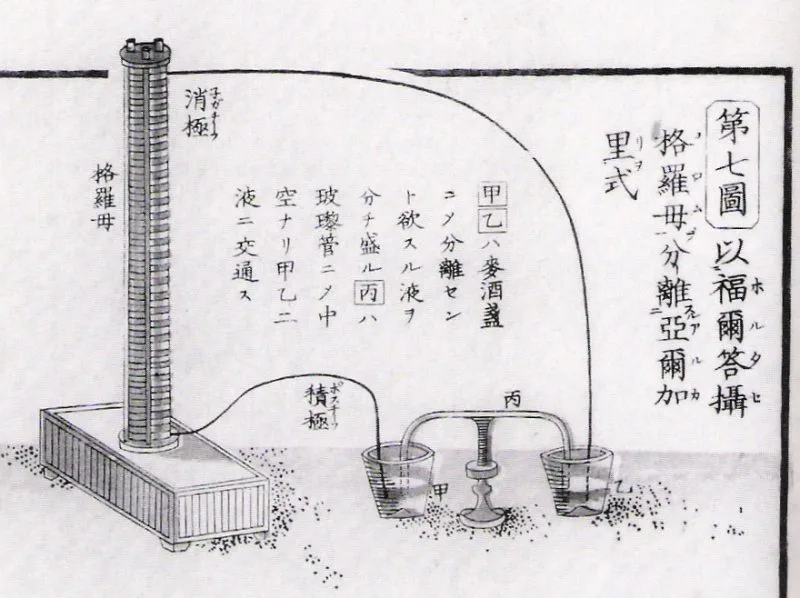
Vertical text that progresses from right to left does not mean each character was drawn “backwards.” Stroke order for an ideogram or kana still usually starts on the left side of that character’s box.
Unlike the Roman alphabet in cursive, Japanese does not connect letters when writing, which gives more flexibility when reading. It is closer to writing everything in separate block shapes.
The image below shows the hiragana chart laid out in a tategaki reading order, while each character itself is still formed with the usual left-to-right stroke habits.
Yokogaki — left to right, horizontally
Horizontal writing from left to right, as in the West, is called yokogaki [横書き], literally “horizontal writing.”
This layout spread widely after World War II, with foreign influence and Japan’s westernization. Horizontal lines already existed earlier, but they were less common in everyday print before that shift.
Today, horizontal writing is so common that students use it in schools and textbooks, and you see it on pamphlets, signs, software, and most practical documents.
Messaging apps and social networks also run horizontally. Books and publications translated into Japanese often arrive in horizontal format as well, especially when the original was laid out that way or mixes a lot of Latin text.
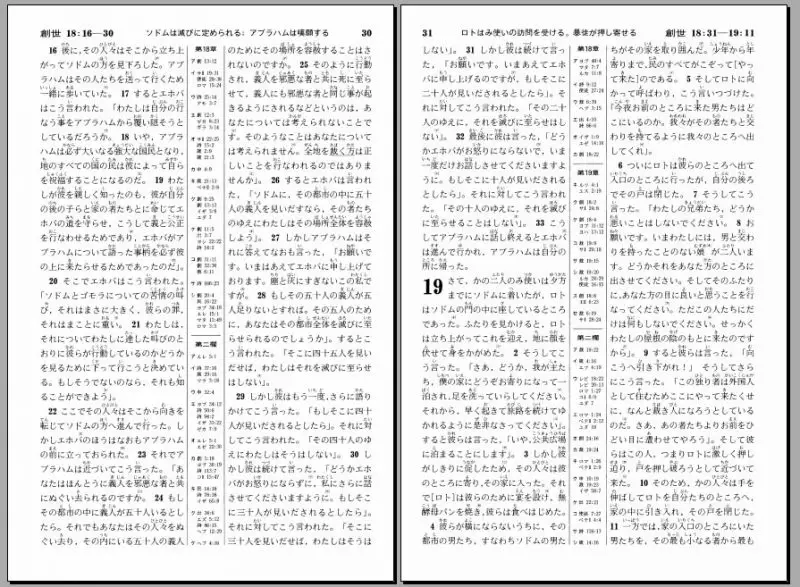
Which is more common in Japanese — vertical or horizontal?
Neither form is “better” or always more correct. Both tategaki and yokogaki are used; it depends on genre, medium, and editorial habit.
Often both appear together on the same page or object, each filling the space that suits the design — a vertical novel body with a horizontal headline, for example.
For many Japanese readers, the writing direction is less jarring than it is for beginners, because characters stay separate blocks. Some older readers still find long vertical prose easier. Novels, newspapers, and manga still lean vertical; business, science, screens, and bilingual material lean horizontal. Ancient writing surfaces tell a related story in the article on mokkan, wooden tablets of ancient Japan.
Reading from right to left horizontally
Before World War II, when vertical reading was more common, horizontal lines were often treated like a single row of a vertical column — so they also ran right to left.
Vertical writing was the default, but when space was tight or design demanded a horizontal line (shop signs, gates, short captions), reading still started on the right.
That older horizontal right-to-left style is largely outdated. You may still see it for a retro look on festival stalls, historic reconstructions, vehicle sides, or some newspaper titles, but modern horizontal Japanese is overwhelmingly left to right.
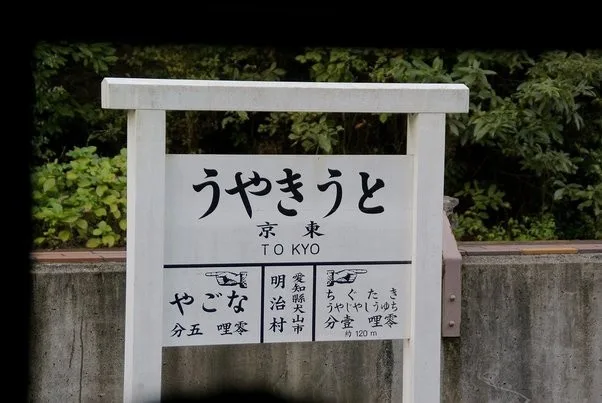
Why Japanese grammar can still feel “backwards”
Even when the page runs left to right, something else often confuses learners: Japanese is largely SOV, so the verb tends to land at the end of the sentence.
The grammar itself is regular, but that one shift can scramble how English speakers build meaning until they get used to waiting for the verb.
If you want the structure of Japanese sentences without the page-direction rabbit hole, start here: SOV structure — how to create sentences in Japanese.

Community
Comments
0 comments
There are no published comments in this language yet.
Send comment