

Concerts, stage shows, anime conventions, and traditional festivals fill Japan's calendar throughout the year, and the most popular events sell out long before the doors open. Understanding how tickets are released is the first step.
Contents 6
How are tickets sold in Japan?
In Japan, tickets for shows go on sale in several stages, and the earlier you can buy, the better your chance of getting a good seat.
Typically, the stages are:
Fan club pre-sale 「ファンクラブ先行販売」: Exclusive sale for fan club members. These tickets are the most coveted and the first to be put on sale. To access them, it is necessary to join the official fan club of the artist or band for an annual fee. In some cases, the exclusive sale may be conducted by lottery.
Pre-sale lottery 「先行抽選」: Pre-sale lottery for the public. In this stage, anyone can participate in the lottery to try to obtain tickets for the show.
Pre-sale 「先行先着」: Pre-sale for the public on a first-come, first-served basis. If the tickets have not sold out in the previous stages, it is possible to pre-order them. The pre-sale usually includes additional fees and has limited payment options.
General sale 「一般発売」: If tickets are still available, they are put on sale to the general public. In these last stages, tickets can be purchased through ticket purchase websites, travel agencies, box offices, and other channels.
Tickets for popular artists can sell out quickly, especially in the early stages of sale. If you are interested in attending a specific show, keep an eye on the sale dates and try to purchase as early as possible. Check the rules and conditions of each sales channel too, as they may vary.

Where to buy tickets in Japan?
Tickets for shows, events, and conventions in Japan can be purchased through various channels, including:
- 24-hour convenience stores: Many tickets can be paid for and printed at convenience stores such as Lawson, FamilyMart, and 7-Eleven, which stay open around the clock.
- Ticket purchase websites: Several websites specialize in selling tickets for shows in Japan, including Ticket Pia, eplus, and Lawson Ticket. These sites offer a wide variety of events and generally allow you to purchase tickets online with a credit card.
- Travel agencies: Some travel agencies offer travel packages that include tickets for shows and other events. This can be a convenient option if you are planning a trip to Japan.
- Box offices: Many shows in Japan have box offices on-site, where it is possible to buy tickets on the day of the event or on nearby days. Popular events can sell out quickly, so this works best for smaller shows and same-day tickets.
- Through fan clubs: As mentioned earlier, some shows offer exclusive tickets for members of the artist or band's fan clubs. To access these tickets, you must join the fan club for an annual fee.
- Other channels: Some shows may offer tickets through other channels, such as department stores, supermarkets, and other establishments. It is always a good idea to check in advance the available channels for purchasing tickets for the show you want to attend.
Registration rules and payment options vary by platform, and some services ask for a Japanese phone number, so check the conditions before a show goes on sale.
The Biggest Anime Events in Japan
Looking for anime events? These are the largest gatherings on the anime and gaming calendar:
- AnimeJapan: Held every March at Tokyo Big Sight, AnimeJapan is one of the most important anime events in the world and was created in 2014 from the merger of the Tokyo International Anime Fair and the Anime Contents Expo. It includes product exhibitions, stage presentations, and announcements of new anime series, and it draws around 150,000 visitors. The 2027 edition is scheduled for Intex Osaka in late March.
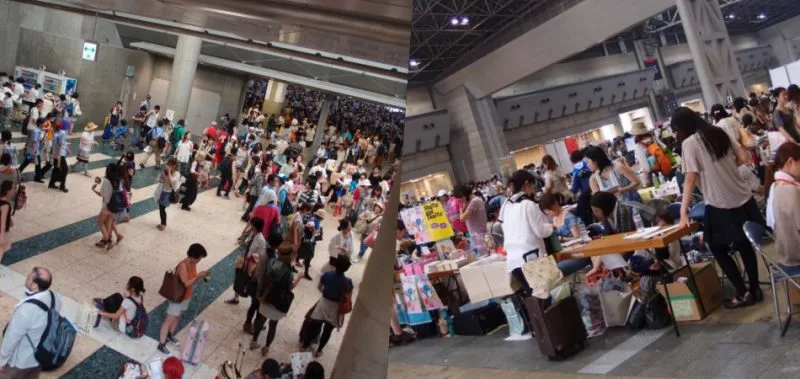
- Comiket: A twice-yearly event in August and December at Tokyo Big Sight, Comiket is the largest fan convention in the world. Around 35,000 circles sell self-published manga, art, and merchandise, and recent editions have drawn between 250,000 and 300,000 visitors. A wristband or day ticket is required for admission. Many fans combine a Comiket visit with a stop in Akihabara, the Tokyo district known for its anime and game shops.
- Tokyo Game Show: Tokyo Game Show takes place every September at Makuhari Messe in Chiba, just outside Tokyo, and the 2025 edition drew more than 260,000 visitors. The opening days are reserved for the industry, and the remaining days are open to the public.
- Jump Festa: Organized by Shueisha, the publisher of Weekly Shonen Jump, Jump Festa takes place every December at Makuhari Messe and focuses on anime and manga series from the company's magazines, with stage events, screenings, and merchandise.
These are some of the biggest events in the country, and each region also holds smaller conventions, fan meetings, and school festivals such as bunkasai that are worth checking once your travel dates are set.
How to find events and shows in Japan?
There are several ways to find out what is happening in Japan during your trip:
- Use event apps and platforms: Services such as Peatix list concerts, festivals, workshops, and community events across the country, and many listings allow you to buy tickets in English.
- Search ticket purchase websites: Ticket Pia, eplus, and Lawson Ticket publish the shows that are on sale, so their listings work as a calendar of upcoming concerts, theater, and sports.
- Check the websites of the cities and regions you plan to visit: Many cities and regions in Japan have websites that list events happening in the area. For Tokyo, the official GO TOKYO event calendar organizes what is on by date and area.
- Search tourism websites: Many tourism websites offer information about events and shows in different cities and regions of Japan. japan.travel, from the Japan National Tourism Organization, is a good starting point.
- Follow artists and bands: If you are a fan of a specific artist or band, you can follow their profile on social media or subscribe to their newsletter to receive updates about future events and shows.
Travel guides, newspapers, and magazines also carry event listings, and asking other travelers or people living in Japan can point you to local shows. Compare a few sources before you commit to a date, and check official pages for changes. Summer fireworks festivals, such as hanabi taikai, are typically announced months in advance.

Websites and Apps to find shows and events in Japan
Most of the websites mentioned above also have an app for Android and iOS, so check the App Store or Play Store before your trip. These apps are useful for buying tickets and tracking events:
- Ticket Pia: This app is one of the most popular for purchasing tickets in Japan and offers a wide variety of events, including concerts, sports, and theater. It has an English interface and apps for Android and iOS.
- eplus: eplus is another major ticketing platform in Japan, covering concerts, festivals, sports, and stage events.
- Lawson Ticket: The ticketing service of the Lawson convenience store chain sells concert, sports, and theater tickets.
- anyPASS: anyPASS is a digital ticket app used for many concerts in Japan. Tickets appear as a QR code inside the app, and the service supports official ticket transfers when you cannot attend.
- Japan Official Travel App: Published by the Japan National Tourism Organization, this app gathers events and travel information from across the country, including festivals, exhibitions, and shows.
Locations where shows and events are held in Japan
The country's best-known venues for sports events and musical shows include:
- Nippon Budokan: Located in Tokyo, the Nippon Budokan is one of the most famous concert venues in Japan, with a capacity of approximately 14,500 people.
- Yokohama Arena: Located in Yokohama, the Yokohama Arena is one of the most important concert venues in Japan, with a capacity of approximately 17,000 people.
- Osaka-jō Hall: A concert hall in Osaka with a capacity of approximately 16,000 people.
- Kyocera Dome Osaka: One of the largest domed venues in the country, it seats approximately 36,000 people for baseball and up to 55,000 for concerts.
- Saitama Super Arena: Now known as GMO Arena, it has a maximum capacity of approximately 36,500 people. It closed in January 2026 for a renovation expected to last up to a year and a half, so check the schedule before planning around it.
International acts regularly add Tokyo and Osaka dates, and Japanese bands such as ONE OK ROCK sell out these venues on their own tours. If a show is the reason for the trip, check the sale calendar first and work the rest of the itinerary around it.







Community
Comments
0 comments
There are no published comments in this language yet.
Send comment