
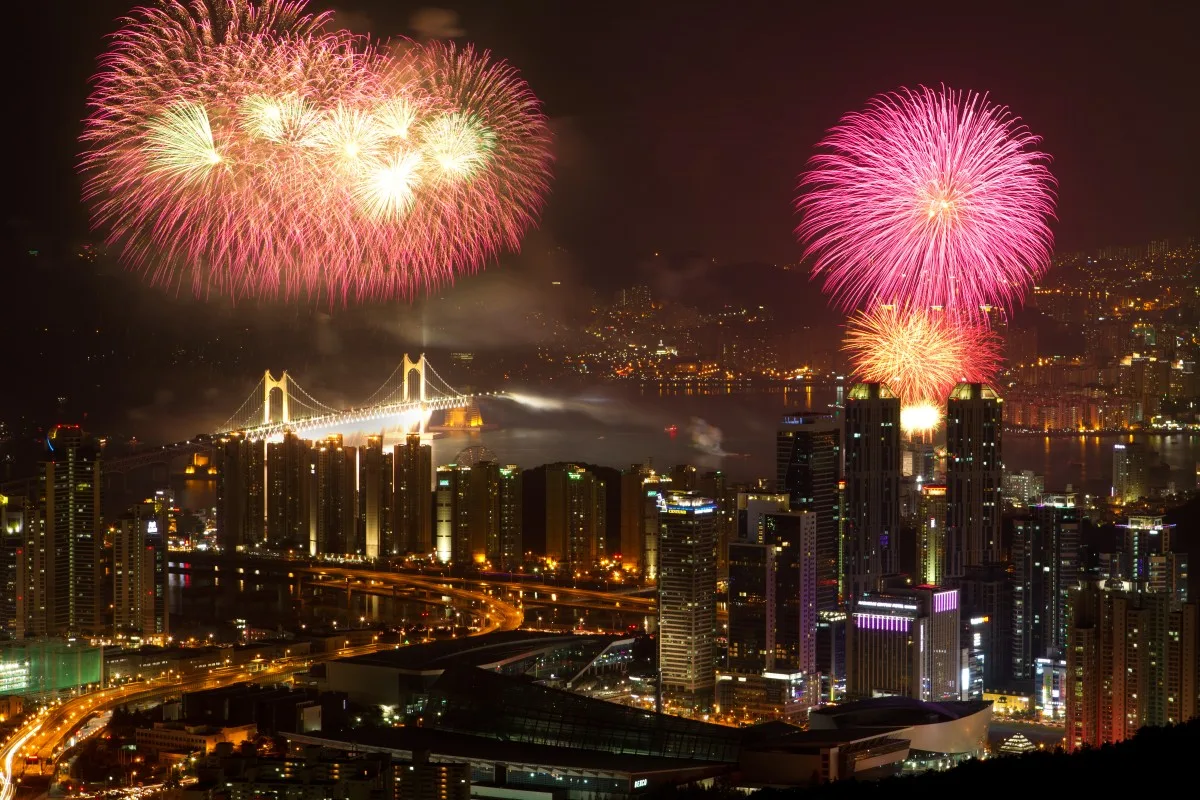
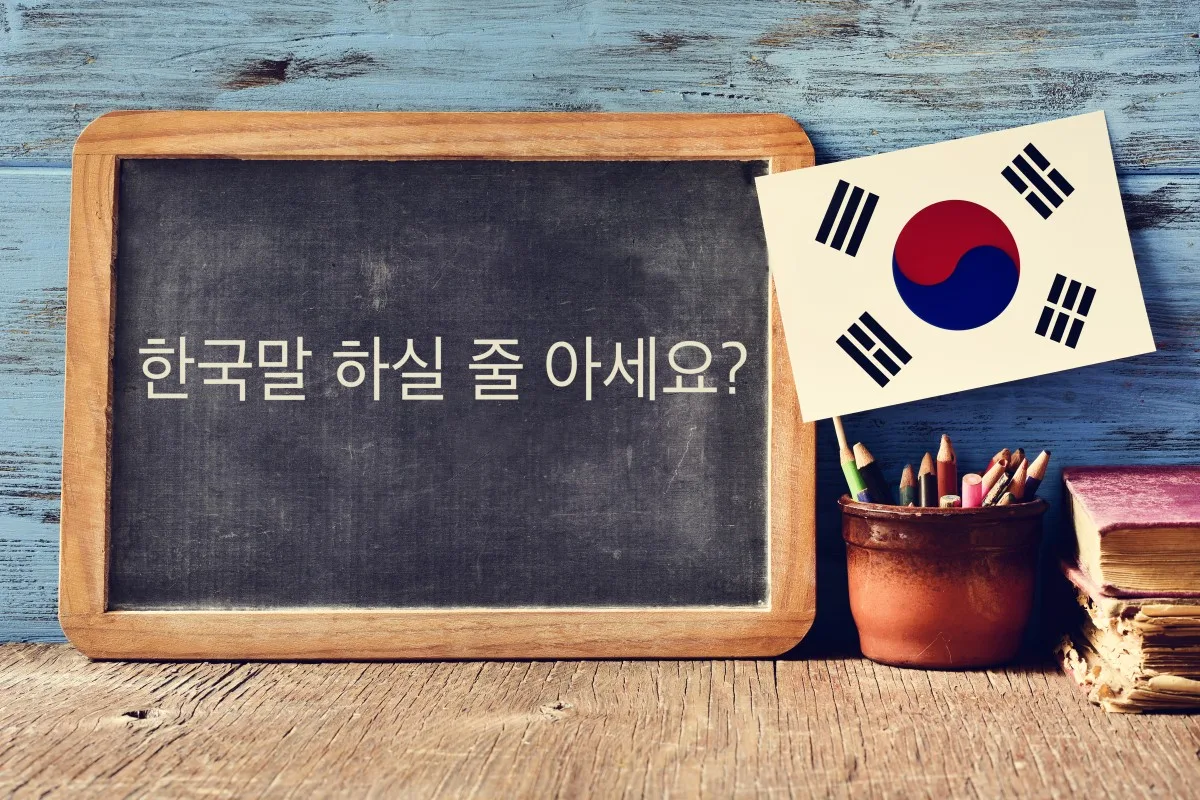
Looking for ways to say happy new year in Korean? Do you know how to wish a good end of the year in the Korean language? Do you know how the New Year is celebrated in South Korea? This and other questions will be answered in this article.
We recommend reading: The 12 days of Valentine's Day in Korea
Contents 3
How is the New Year celebrated in Korea?
In Korea, the New Year is celebrated in two different ways, depending on the calendar used. The solar Korean New Year is celebrated on January 1st, while the lunar Korean New Year is celebrated on the day of the first full moon of the year.
During the Korean New Year, people usually gather with family and friends, have special meals, exchange gifts, and participate in traditional activities. Some of these activities include:
- "Seol" (설) - The Seol is the celebration of the lunar New Year, which is celebrated on the day of the first full moon of the year. During Seol, people usually have special meals like "tteokguk" (떡국), a rice cake soup with slices of glutinous rice, and "jeon" (전), a fried pancake with different fillings.
- "Bok Nal" (복날) - Three-day period of the lunar New Year where people celebrate the end of winter. During Bok Nal, people usually eat special foods like "samgyetang" (삼계탕), a chicken soup with glutinous rice and ginseng, and "dongchimi" (동치미), a vegetable soup with winter fruits.
- "Hogmanay" (호그마나이) - Celebration of the solar New Year in Korea where people usually have special meals, such as "dak galbi" (닭갈비), a dish of chopped chicken and vegetables cooked in a pan, and "gukbap" (국밥), a vegetable soup with rice. In addition, people also usually exchange gifts, sing New Year songs, and watch fireworks.
- "Sebae" (세배) - A ritual of reverence in which people greet the elders and superiors with kneeling and deep bows. This is done as a sign of respect and gratitude.
We recommend reading: How do Koreans find their perfect match? Relationships in Korea
How to say Happy New Year in Korean?
To say "Happy New Year" in Korean, you can use the phrase "Seol-lal hae-bok mani bada-seyo" (설날 행복 많이 받으세요). This phrase means something like "Receive much happiness in the New Year" or "I wish you much happiness in the New Year."
Another option is to use the phrase "Saehae bok mani da-seum nida" (새해 복 많이 받으세요), which means "Receive much luck in the new year" or "I wish you much luck in the new year."
Both phrases are used to wish happiness to someone in the Korean New Year, which is celebrated on January 1st in the solar calendar or on the day of the first full moon of the year in the lunar calendar.
Other phrases in Korean for happy new year are:
- "Saehae bok mani da-seum nida" (새해 복 많이 받으세요) - "I wish you much luck in the new year."
- "Saehae bok mani da-seum nida segye-ui il-eul ha-da" (새해 복 많이 받으세요 세계의 일을 하다) - "Receive much luck in the new year and do good in the world."
- "Saehae bok mani da-seum nida haeng-bok-hae" (새해 복 많이 받으세요 행복해) - "Receive much luck in the new year and be happy."
- "Saehae bok mani da-seum nida haeng-bok-hae segye-ui il-eul ha-da" (새해 복 많이 받으세요 행복해 세계의 일을 하다) - Happy New Year. I am happy. I am doing the world.
How to say good end of the year in Korean?
To wish "good end of the year" in Korean, you can use the phrase "Nyeon-mul-eun hae-bok mani da-seum nida" (년말은 행복 많이 받으세요). It can be translated as "Receive much happiness at the end of the year" or "I wish you much happiness at the end of the year."
Another option is to use the phrase "Nyeon-mul-eun seol-lal da-seum nida" (년말은 설날 받으세요), which means "I wish you a good New Year at the end of the year."
Both phrases are used to wish happiness to someone at the end of the year, which is a time for reflection on the past year and preparation for the new year. It is a time of celebration with family and friends and making plans for the new year.


Community
Comments
0 comments
There are no published comments in this language yet.
Send comment