
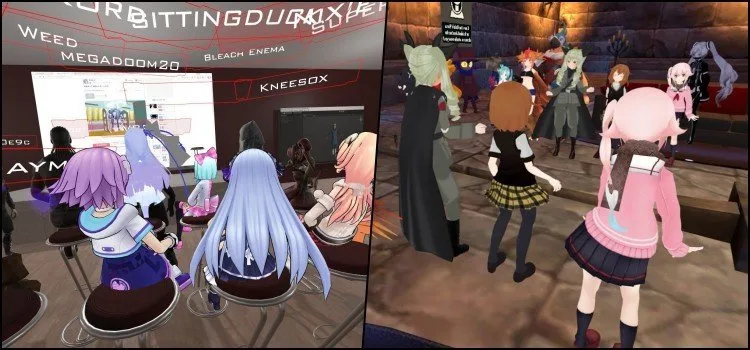
VRChat is a social platform built around virtual reality, where users walk through worlds made by other users with avatars they choose themselves and start conversations with strangers. That openness turned the platform into a meeting point for otakus and gamers.
This overview explains how VRChat works, which role avatars and worlds play, what makes the platform interesting for anime fans and where its limits are.
Contents 8
What is VRChat?
VRChat is an online platform where users meet in three-dimensional worlds. It works in a similar way to earlier social worlds such as Second Life or Habbo Hotel: you pick an avatar, enter a room and talk to other people. Worlds can be social spaces, stages or small games.
VRChat was created by Graham Gaylor and Jesse Joudrey and is operated by VRChat, Inc. The first version appeared in 2014 as a Windows application for the Oculus Rift development kit. On February 1, 2017, the platform arrived on Steam in early access.
VR, desktop and mobile devices
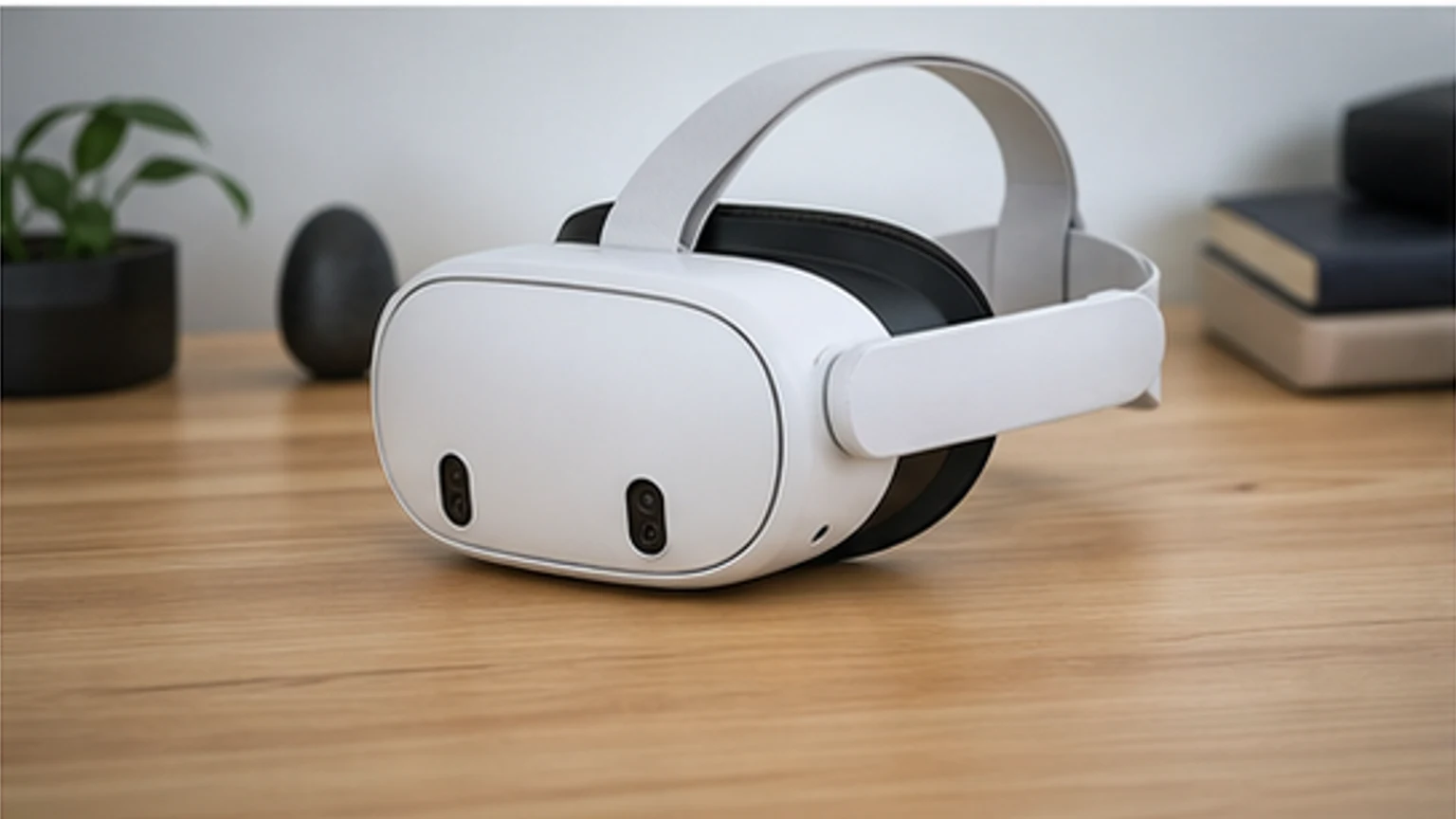
VRChat is designed for virtual reality headsets, but it can be played without a headset and controllers. In desktop mode, users control the avatar with a mouse, keyboard or gamepad. Movement is limited: arms cannot move freely and many gestures require two hands.
Besides Windows, the platform supports Android-based headsets such as Meta Quest, Pico 4 and HTC Vive XR Elite. The Quest store has carried VRChat since December 2018. An Android app followed in 2023, and full releases on the App Store and Play Store arrived in 2025.
Avatars and worlds
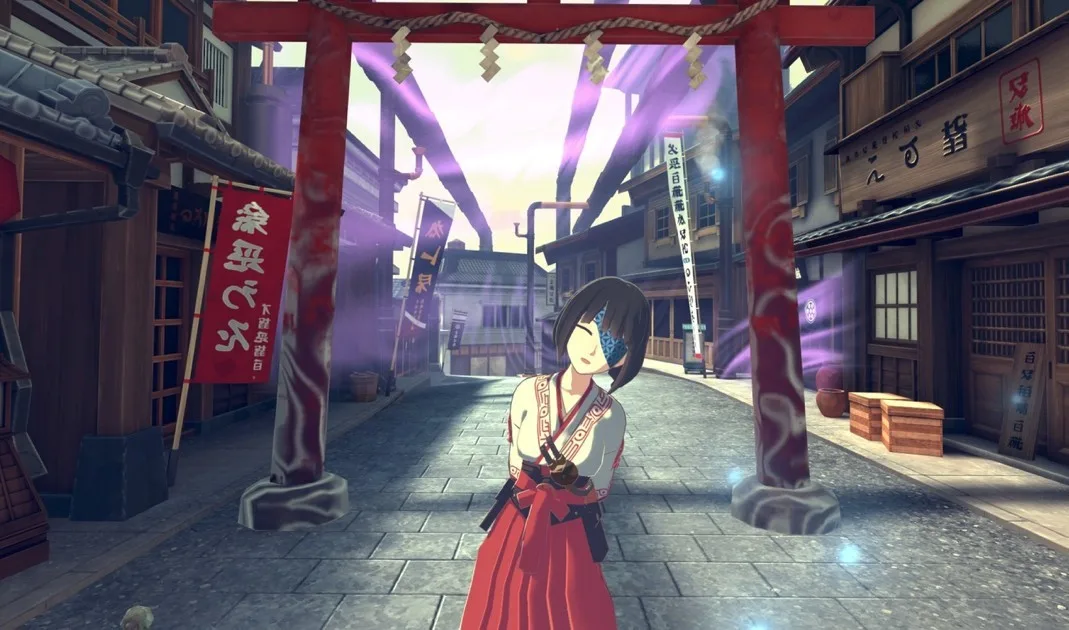
The heart of VRChat is user-created content. Avatars and worlds are built with external tools and then uploaded. Users can choose their look freely, from realistic models to characters from anime and games.
Because anyone can publish a world, the catalogue keeps growing. There are recreations of familiar places, quiz rooms, concert stages and simple games. Many worlds are built by communities and updated over time.
Communication in the virtual space
Conversation happens through voice chat, supported by text messages, gestures and emojis that add expression. People without a VR headset can still join from desktop mode, even though the avatar body cannot move freely.
A paid subscription called VRChat Plus adds features such as more slots for favourite avatars, profile pictures and a photo attached to invitations. Some of those extras have gradually become available to all users.
Why otakus like VRChat
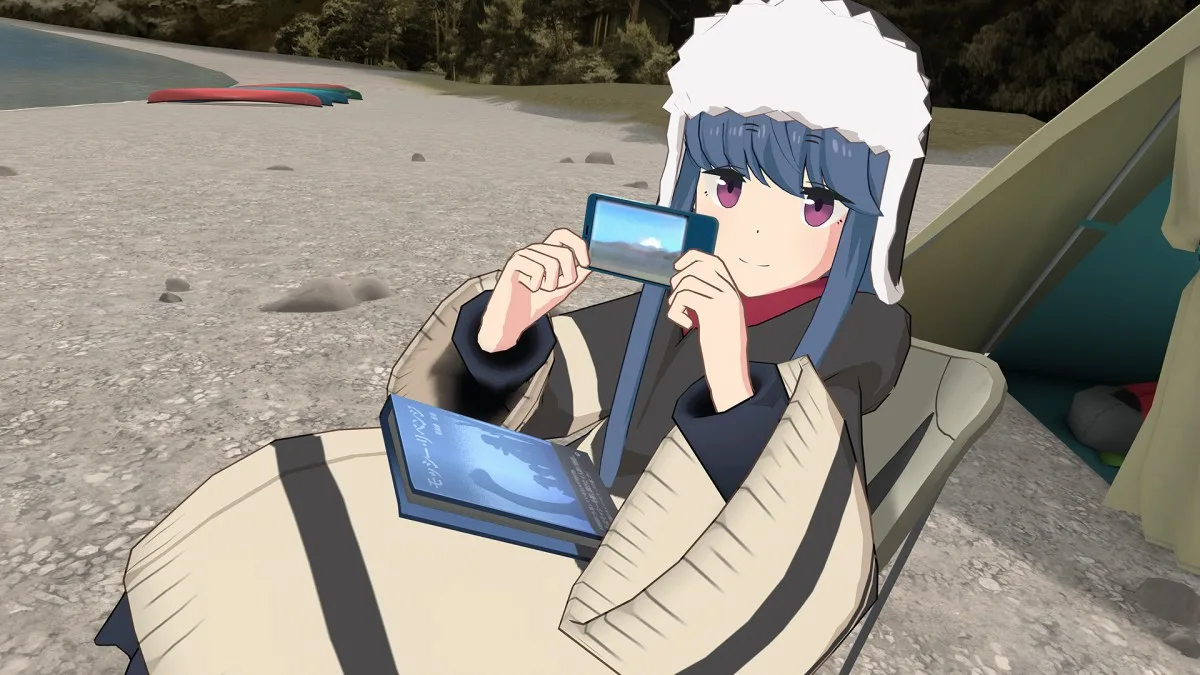
For anime fans, VRChat is attractive because characters from series and games can be worn as avatars. People meet like-minded users in themed worlds, talk about shows and join virtual gatherings. Anyone who always wanted to appear as a favourite character finds an easy way in.
Many VTubers and creators use the platform for performances or recordings. The line between game, stage and social network blurs, and that is exactly the appeal for the community.
Memes and culture
VRChat has produced a meme culture of its own. One of the best-known examples shows a group of users in odd Knuckles skins from Sonic asking, in a heavy accent, whether you know the way. Scenes like this spread through videos over the years and became part of the platform's identity.
The culture is funny but unpredictable. Anyone who spends time in public worlds will experience conversations that no planned game could offer.
Limits and moderation
Because VRChat is open and sets few rules for individual worlds, users can run into unpleasant content and harassment. The team reviews uploaded avatars but cannot control every situation. In busy worlds it helps to use privacy settings and to enter unknown spaces carefully.
The platform offers tools to mute, block or report users. Parents should know that content comes from the community and is not editorially supervised.
Conclusion
VRChat is more than a game. It is a social space where avatars, worlds and speech come together, and where anime fans have found a corner of their own.
Anyone who wants to try it can start for free on Steam and test desktop mode first. Read more: VR anime games for the Oculus Quest, apps for VTuber characters, avatar generators, social networks for otakus and anime about otaku life.



Community
Comments
0 comments
There are no published comments in this language yet.
Send comment