

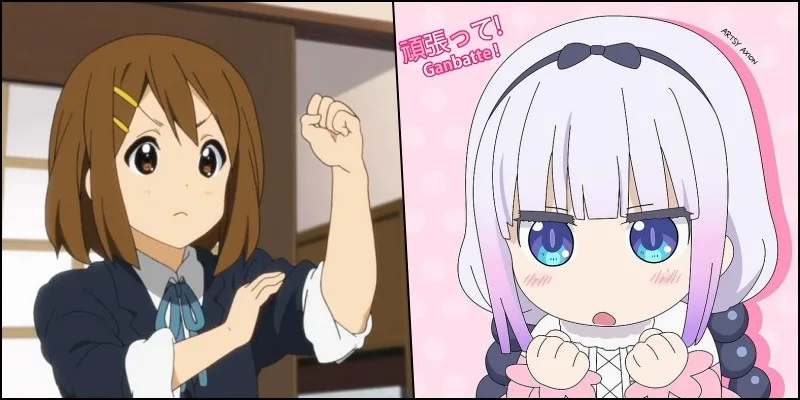
Ganbatte (頑張って) is a very popular word in the Japanese language. It is used in different ways by Japanese people to encourage others to put in effort in something.
What is the literal translation of this expression? What is its true meaning? Does Ganbatte mean Good luck? What are the variations of Ganbatte? In this article, we will study the word ganbatte in depth.
Contents 5
What does Ganbatte mean?
As mentioned in the introduction of this article, the expression Ganbatte aims to encourage a person to put in effort in something, equivalent to saying good luck in Portuguese.
Simplifying, the word ganbatte can literally mean the following expressions below:
- Do your best!
- Go ahead!
- Stay focused!
- Hang in there!
- Keep it up!
- Be tough!
- Strength!
- Fight!
- Don't give up!
This word is used to encourage people to put in effort in whatever they are doing, whether in school, work, goals, loss, illness, sports, and other things. In other words, by saying ganbatte, you will encourage or motivate someone.
The word ganbatte (頑張って) is actually a conjugation of the verb ganbaru (頑張る) and is also commonly written to mean persevere, persist, insist, and remain. Often, the expression can be formal when accompanied by kudasai.
The origin of the word Ganbatte in the Japanese language
The word is written with the ideograms of [頑] stubborn, foolish, firm, and means to stretch, spread, place. However, the true origin of the ideogram [張] in the word ganbatte comes from the verb to fix, to stick, to stretch, to place oneself, to cover, to fill, to strike, and to form.
You might be wondering where all these words came from? The Japanese language is often quite defined by the context of the conversation, one of the reasons these words and ideograms have so many translations.
Other verbs that use the ideogram [張] include haridasu (張り出す) which literally means to hang, to highlight, to stand out, and to overlap. Words like leader, originator, tension, resistance, rivalry, and scheme use the ideogram (張).
These words mentioned represent well the sense of the word ganbatte, strongly indicating its use to encourage people to win and face their goals. It is believed that this expression ganbatte has been used since the Edo period, originating from the expression to look forward, to move forward.

The different variations of ganbatte
Below we will see different conjugations of the verb ganbaru or ganbare:
- 頑張れ = Ganbare: Do your best!
- 頑張った = Ganbatta: I did my best;
- 頑張ります = Ganbarimasu: I will do my best;
- 頑張れる = Ganbareru: I can do my best;
- 頑張りたい = Ganbaritai: I want to do my best;
- 頑張れます = Ganbaremasu: I can do my best;
- 頑張ってくれ = Ganbattekure: Do your best for me;
- 頑張らなかった = Ganbaranakatta: I did not do my best;
- 頑張りなさい = Ganbarinasai: you better do your best;
- 頑張っていた = Ganbatteita: I was doing my best;
- 頑張りました = Ganbarimashita: I did my best (formal);
- 頑張っています = Ganbatteimasu: I am doing my best;
- 頑張りましょう= Ganbarimashou: Let's do our best (together);
- 頑張ってください = Ganbatte Kudasai: Please, do your best! (formal)
Other verbs and words derived from ganbaru or that convey the same idea:
- ファイト! = Faito - From English fight, becoming increasingly popular;
- 頑張り = Ganbari - tenacity, resilience;
- 踏ん張って = Funbatte - This expression means hang in there;
- けっぱれ = Keppare - Ganbatte in the Hokkaido dialect;
- きばれ = Kibare - Ganbatte in the Kagoshima dialect;
- ちばりよー = Chibariyo - Ganbatte in the Okinawa dialect;
- おきばりやす = Okibariyasu - Ganbare in the Kyoto dialect;
- 無理はしないで = Muri wa shinaide - Don't overdo it;

Does Ganbatte also mean good luck?
In Brazil and several other countries, we often use the expression "good luck" when someone is going to make an effort or face something, quite similar to the meaning of ganbatte or ganbare. Both are expressions of encouragement, but the verb ganbaru has absolutely nothing to do with luck.
Unfortunately, some translate this expression as good luck, whether in anime or Japanese books. Although the Japanese believe in superstitions and luck or misfortune, there is no equivalent word for good luck, and if you try to say this literally, the Japanese will not understand.
This is because the Japanese believe in their own ability to face challenges and difficulties. They will not blame luck or misfortune; the most they will blame is themselves for failing and not putting in enough effort.
Good luck is something quite vague, whereas saying do your best (ganbare) is much more realistic. If you want to know how to say literally good luck, the expression is more like kouun wo inoru (幸運を祈る) which literally means I pray for your good luck.
When to use the expression ganbatte?
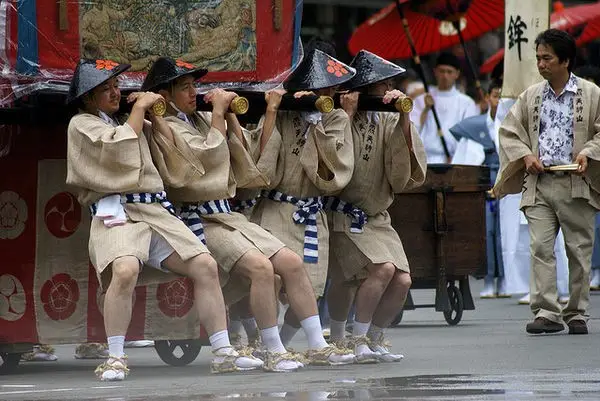
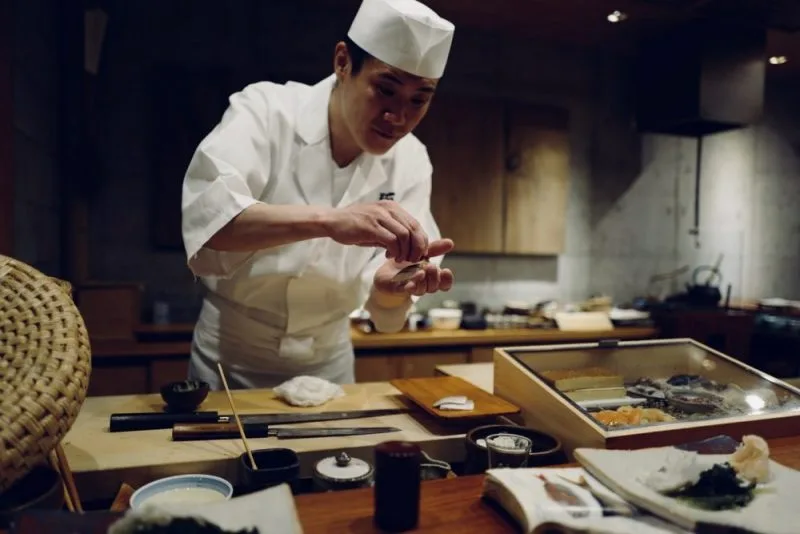
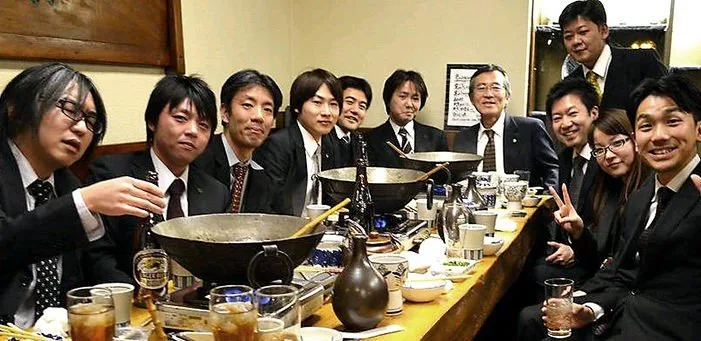
This word can be used to say that someone put in effort or worked hard at their new job, sport, or school. Similarly, it can be used to encourage someone to put in effort and work hard towards future goals.
Using this expression also conveys the idea that you hope that person achieves their goals. To conclude the article, let's leave some example sentences that can give an idea of how this expression is used in the Japanese language:
- お祭りの間 頑張ってくれましたね。
- o matsuri no aida ganbattekuremashitane;
- I really appreciate your efforts during our festival;
- 彼女は今が秋頑張って勉強している。
- Kanojo wa ima ga aki ganbatte benkyō shite iru;
- She is working (studying) hard this autumn;
- 焦らずに頑張ってね。
- aserazuni ganbattene;
- Stay calm and do your best;



Community
Comments
0 comments
There are no published comments in this language yet.
Send comment