
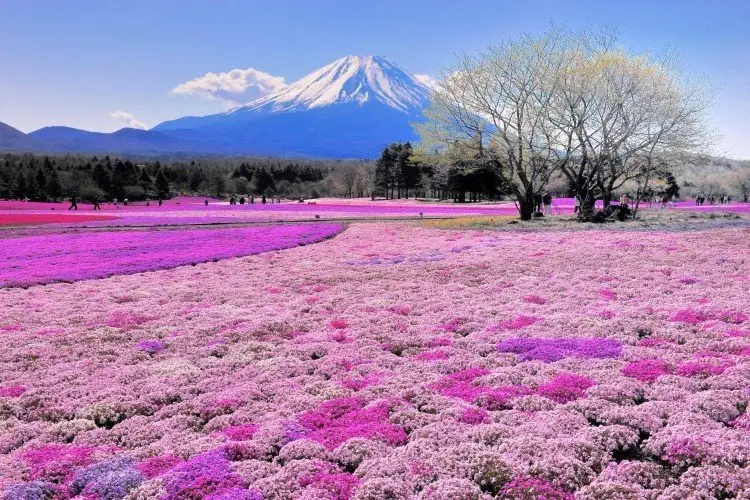
Hanakotoba (花言葉) is the Japanese language of flowers: a set of symbolic associations attached to flowers, their colours, and sometimes the occasion on which they are given. It is useful for reading details in a bouquet, a kimono pattern, an ikebana arrangement, or a scene in anime and manga.
The word combines hana (flower) and kotoba (words). Meanings are not a fixed code that every person uses in exactly the same way. They can vary by colour, flower variety, region, and context. Treat hanakotoba as cultural vocabulary—a helpful layer of meaning, not a substitute for knowing the person receiving the flowers.

Contents 6
What does hanakotoba mean?
Japan has long attached seasonal and poetic associations to plants, while hanakotoba as a named language of flowers is commonly linked to the late nineteenth century. It developed alongside ideas about flower symbolism from abroad, then took on meanings shaped by Japanese customs, religion, art, and the seasons.
That is why a flower can say more than one thing. Sakura (桜), for example, may suggest a beautiful soul, gentleness, spring, or the brief nature of a bloom. A red rose may communicate love, but the colour and number of flowers can shift the message. The safest reading starts with the specific flower and colour, then considers where it appears.
Common Japanese flower meanings
The table below gathers widely cited hanakotoba associations. They are useful starting points for learning vocabulary or choosing a motif, but they are not universal rules. Check the variety and colour when a bouquet is meant for an important occasion.
| Flower | Japanese | Romaji | Common association |
|---|---|---|---|
| Amaryllis | アマリリス | Amaririsu | Shyness |
| Azalea | 躑躅 | Tsutsuji | Patience or modesty |
| Bluebell | ブルーベル | Burūberu | Gratitude |
| Camellia | 椿 | Tsubaki | Meaning changes with colour |
| Carnation | カーネーション | Kānēshon | Love, distinction, or fascination |
| Cherry blossom | 桜 | Sakura | Gentleness and the transience of life |
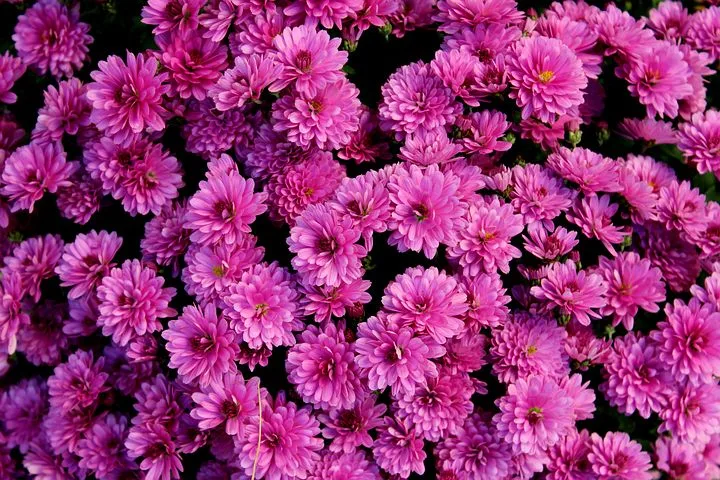
| Chrysanthemum | 菊 | Kiku | Yellow: imperial; white: truth |
| Daffodil | 水仙 | Suisen | Respect |
| Japanese primrose | 桜草 | Sakurasō | First love or purity |
| Lotus | 蓮 | Hasu | Sacredness or purity |
| Rose | 薔薇 | Bara | Love or beauty; colour matters |
| Sunflower | 向日葵 | Himawari | Admiration or devotion |
| Tulip | チューリップ | Chūrippu | Affection; colour changes the nuance |
| Wisteria | 藤 | Fuji | Kindness, welcome, or lasting affection |
Romanisation can differ between books and websites. Long vowels may appear with a macron, as in Burūberu, or in a simpler spelling. The Japanese writing is the most reliable way to identify the flower.
Flower colours change the message
Colour is often the detail that changes a hanakotoba reading. Tsubaki (camellia) is a clear example: red camellias are often associated with being in love or a graceful end, white camellias with waiting, and pink or yellow camellias with longing. Because the whole blossom drops at once, camellias may be avoided as gifts for someone who is ill.
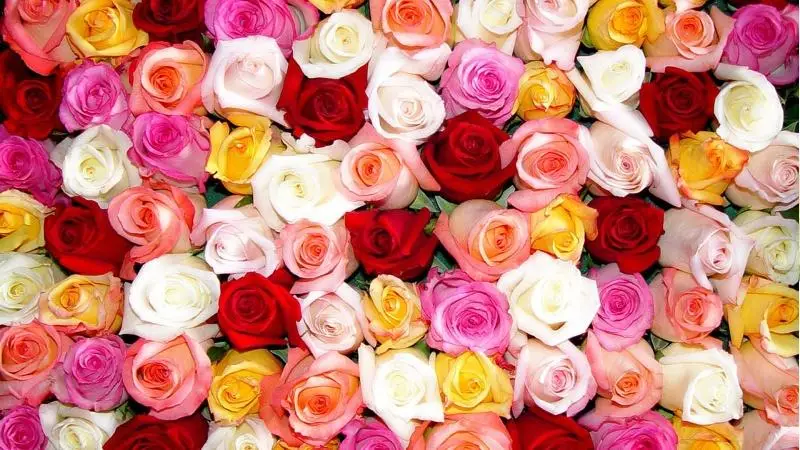
Roses and tulips work in a similar way. A red rose is the familiar choice for passion, while a yellow rose is often associated with friendship or peace in Japanese flower guides. For tulips, red is commonly tied to love and gratitude, while yellow is often connected with honesty or unrequited love. The exact wording varies, so use these meanings as an opening conversation rather than a rigid message.
Flowers in Japanese culture
Hanakotoba appears naturally in seasonal arts. In ikebana, flowers, branches, space, and the container are arranged with intention. A seasonal motif on a kimono can also suggest the time of year or an anticipated bloom. In stories, a flower may set a mood, mark a season, or add a quiet clue about a character.
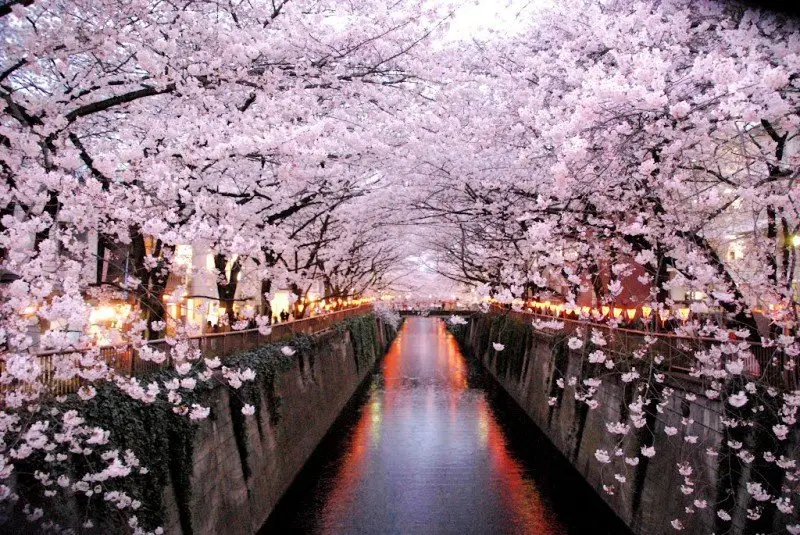
Sakura is the best-known example. The short flowering season gives the cherry blossom a strong connection with spring and fleeting beauty. During hanami, people gather beneath flowering cherry trees, so the same blossom can carry both a reflective and a celebratory feeling.
Choosing flowers with hanakotoba in mind
Use hanakotoba to add thought to a gift, not to replace the basics. First consider the recipient, the event, allergies, and whether the flowers can be displayed easily. Then choose a seasonal flower and check its colour-specific association. A small note explaining why you chose it can make the gesture clearer than expecting someone to decode a hidden message.
For formal or sensitive occasions, ask a local florist about current custom. Funeral flowers, hospital visits, and celebrations have practical and regional expectations that matter more than a list on the internet. This also avoids accidental choices such as a camellia for a person recovering from illness.
Hanakotoba in anime and manga
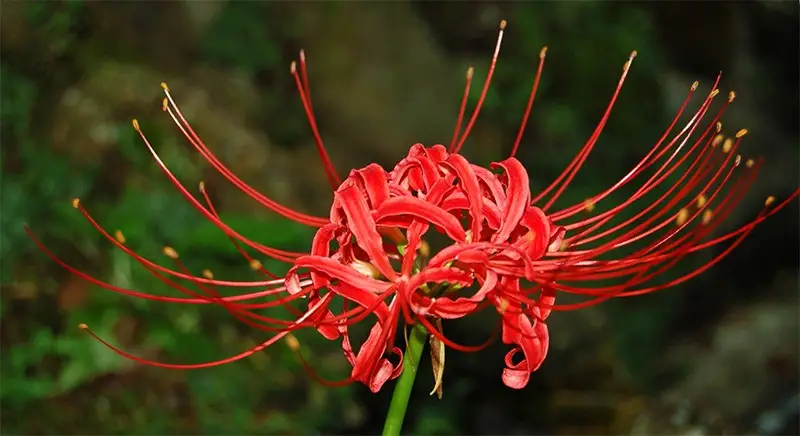
Flowers are a visual shortcut in Japanese popular culture, but context still decides the meaning. Sakura can signal a new school year; a sunflower can place a scene in summer; a red spider lily may create a more ominous atmosphere. When a flower appears repeatedly, look at its colour, season, and the character nearby before settling on one interpretation.
Learning a few names—sakura, tsubaki, himawari, hasu, and fuji—makes those details easier to notice. Hanakotoba becomes most enjoyable when it leads you back to the scene, arrangement, or season in front of you.

Community
Comments
0 comments
There are no published comments in this language yet.
Send comment