
Have you ever thought about taking your pet to Japan? It is possible, but the process is not exactly simple. Japan is strict for a reason: the rules are there to protect animals, people, and the country’s biosecurity.
If you are also planning the trip itself, it helps to understand how long a trip to Japan takes. With a pet, timing matters even more because you need to prepare documents, vaccines, and the travel box in advance.
The safest way to do this is to start early. A microchip, rabies vaccine, blood test, and waiting period can take months, so this is not the kind of thing you want to organize at the last minute.
Contents 3
How dogs and cats enter Japan
For dogs and cats, the first step is usually a microchip that follows the ISO standard. After that comes the rabies vaccine, then the blood test that checks whether the animal has enough antibodies. If everything is done in the right order, the rest of the process becomes much easier.
Japan also requires a waiting period after the vaccine and test. If you skip this part or rush it, the pet can be placed in quarantine when you arrive. That is why it pays to plan the whole route before booking the flight.
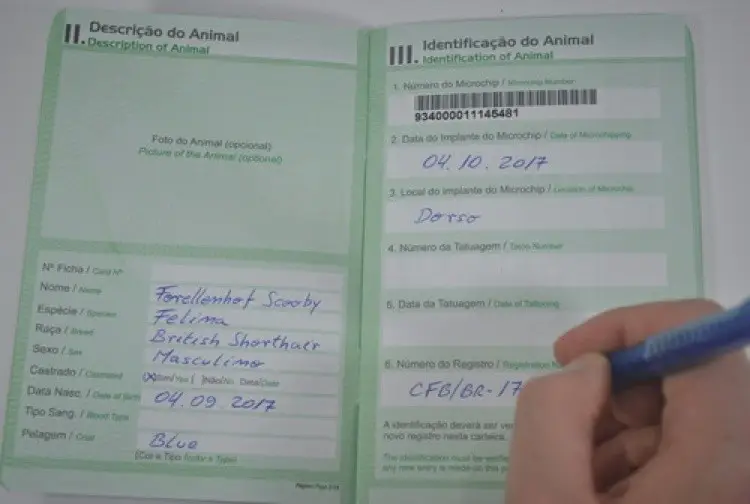
The official rules are published by Japan’s Ministry of Agriculture, Forestry and Fisheries, so it is always worth checking the source directly instead of relying only on travel forums. The official Animal Quarantine Service page explains the basic steps for dogs and cats.
Before the trip, you also need a veterinary exam and a certificate from the country of origin. That certificate usually includes:
- the animal’s birth date and age;
- the pet’s name;
- microchip identification and insertion date;
- rabies vaccine details;
- blood test information;
- final test results.

The transport box matters too. It should be strong, secure, large enough for the pet to turn around, and built so the animal cannot push any part of its body outside. Wheels are not allowed, and the bottom should be waterproof with an absorbent pad.
A familiar blanket or toy can help reduce stress during the flight. That small detail can make a big difference for the animal and for you.
Can other animals go to Japan?
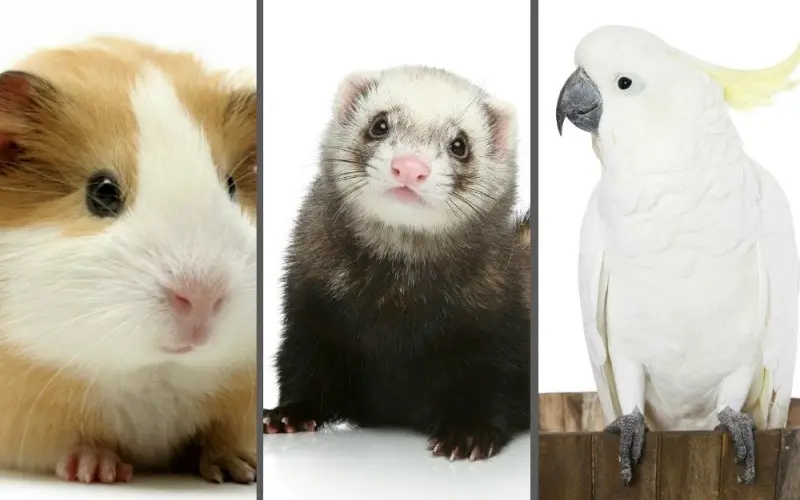
Dogs and cats are the most common cases, but they are not the only animals that can enter Japan. Birds, rabbits, reptiles, fish, and other animals may have different rules depending on the species.
That is why it is better to check the exact category of your pet before assuming the same process works for everything. If you want the most reliable information, go straight to the official Japanese guidelines.
When in doubt, confirm the rules with the quarantine authority in your own country and with the Japanese ministry. It takes a little more work, but it saves a lot of trouble later.
If you are moving to Japan
Even if the entry process goes smoothly, the next question is where you will live. Many apartments and condominiums in Japan do not allow pets, so the housing search should happen before the move is final.
If you are still building your plan, our article about apartments in Japan may help you understand that side of the move as well.
So yes, taking animals to Japan is difficult, but not impossible. The key is simple: start early, follow the order of the requirements, and make sure both the travel and the housing side are ready before you go.




Community
Comments
0 comments
There are no published comments in this language yet.
Send comment