
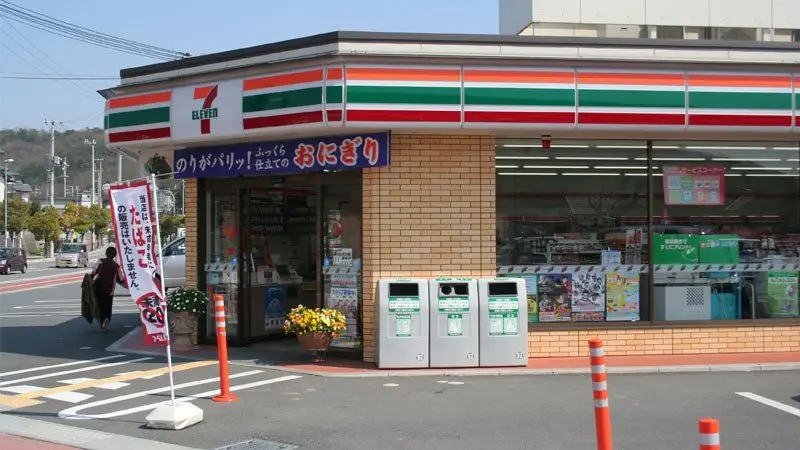
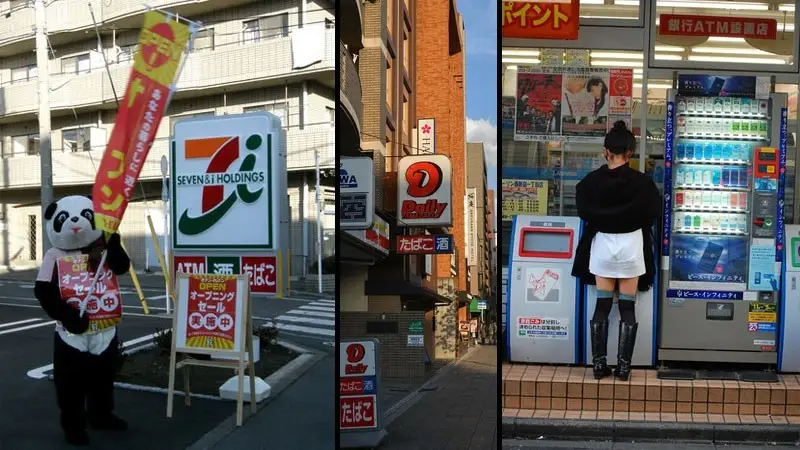
Konbini (コンビニ or konbiniensu sutoa, コンビニエンスストア) are the convenience stores you see everywhere in Japan. They are open 24 hours a day, every day, and they fit into daily life so naturally that many people only notice how useful they are when they actually need one.
Inside a konbini, you can buy snacks, obento, stationery, ATMs, medicines, event tickets, prepaid cards, bill-payment slips, and seasonal products. In practice, that means a konbini can save you when you need a quick meal, a charger, a stamp, or even a place to pay a bill.
Many people prefer konbini lunch boxes because they are affordable and easy to grab on a busy day. Meals are delivered several times a day, and many stores let you heat the box right there. Add the wide selection of hot and cold drinks, and it is easy to see why these stores are so popular.
Konbini chains
There are tens of thousands of konbini across Japan, and in some places you can find one on almost every corner. The best-known chains include Seven-Eleven, Lawson, FamilyMart, Ministop, and Daily Yamazaki. Some are nationwide brands, while others are more common in specific regions.

What makes these stores stand out is not just how many there are, but how consistent the experience is. You can walk into a konbini in one city and still understand the layout, the service style, and the basics almost immediately.
Konbini staff usually use formal, polite language, and many stores offer extra services. Some also run community events, special product campaigns, and small promotions that make them feel more like part of the neighborhood than just a place to shop.
List of products and services
Here is a sample of the many products, services, and conveniences you can find in a typical konbini. The list is not complete, but it gives a good idea of how broad their offer really is.
- Food
- Obento (lunch box)
- Onigiri
- Oden
- Different kinds of bread
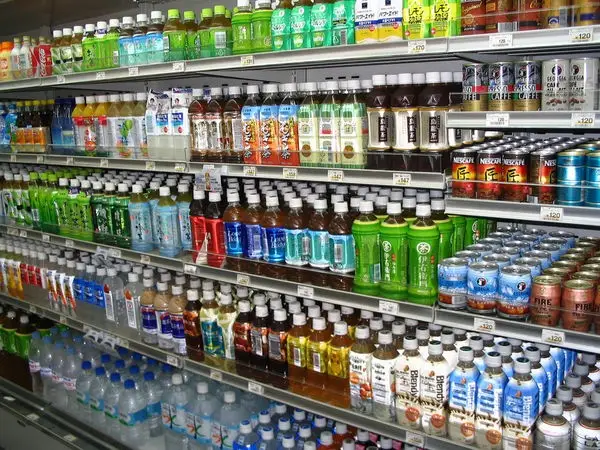
- All kinds of drinks
- Confectionery and sweets
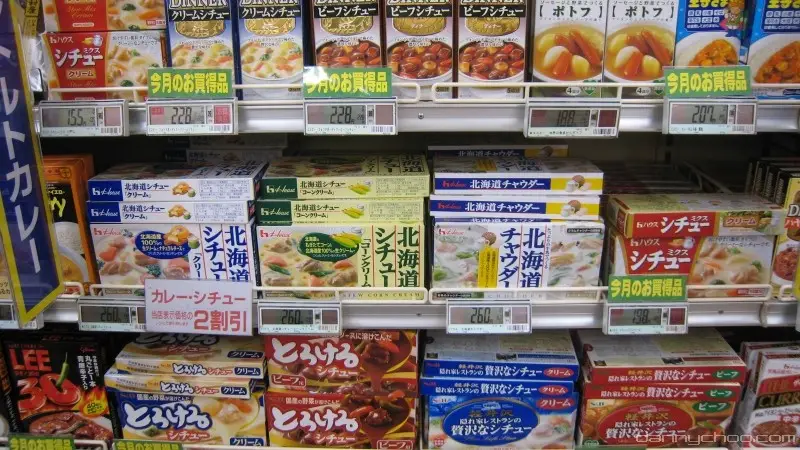
- Cup noodles and instant food
- Ice cream and popsicles
- Fresh food
- Frozen food
- Cooking products
- Meat, poultry, and fish
- Spices
- Tobacco and cigarettes
- Chinese buns
- Health and beauty
- Cosmetics
- Accessories
- Stain removers
- Soap, shampoo, and deodorants
- Sewing products
- Pet food and pet supplies
- Fabric, toilet paper, sanitary pads, condoms
- Paper bags
- Garbage bags
- Some medicines
- Energy drinks and supplements
- Contact lenses
- Office supplies
- Postcards
- Stamps and tax stamps
- New Year postcards
- Congratulation and condolence envelopes
- Stationery items
- Entertainment
- Music CDs, DVDs, and game software
- Toys
- Action figures
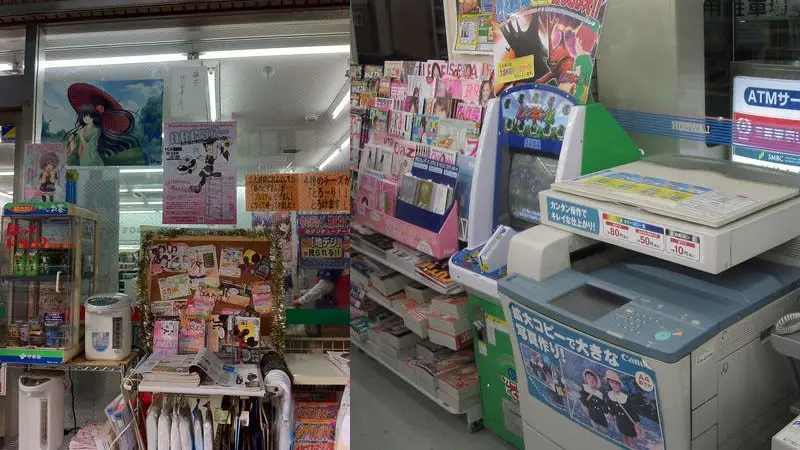
- Manga and books
- Card games
- Lottery
- Board games, mahjong, shogi, and Go
- Magazines and newspapers
- Others
- Kitchen utensils
- Umbrellas and raincoats
- Batteries
- Phone chargers, SD cards, and USB drives
- Prepaid cards
- Prepaid mobile phones
- Fireworks
- Gifts
- Fishing products
- Car products
- Services
- Cash withdrawal
- Bill payment
- Copying, printing, scanning, fax
- Public services
- Mail services
- Delivery services
- Moving services
- Event tickets
- Bus tickets and cards
- Accounting and tax filing
- NHK subscription fee
- Resident card
- Cleaning agency
- IC card payments, such as Suica or Pasmo
- Package pickup when the store offers that service
In some cases, you can stop by a konbini to use the bathroom, throw away trash, or even wait in your car in the parking lot. Others go there just to browse magazines and read without buying anything. That is part of what makes konbini so practical: they solve small everyday problems quickly.
The number of advantages a konbini offers is truly impressive!
If you want to understand daily life in Japan, konbini are one of the best places to start.





Community
Comments
0 comments
There are no published comments in this language yet.
Send comment