
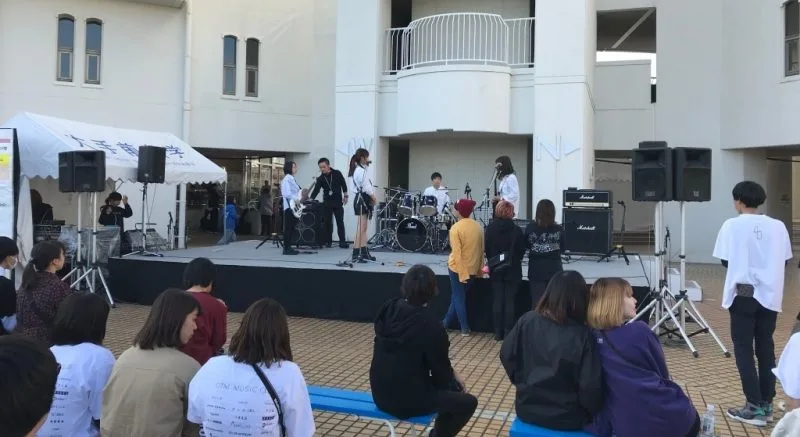
Bunkasai [文化祭] are school festivals that take place in the Fall around October and November in all schools and universities in Japan. The goal is to present the school to parents, prospective students, and local residents through various attractions organized by the students of the school itself.
The word Bunkasai combines the kanji [文化], meaning culture, and [祭], read as matsuri, meaning festival.
The Bunkasai or School Festivals are held to showcase the students' learning, as a recreational fun and also a means of social interaction. Alumni often take the opportunity to visit the schools they attended.
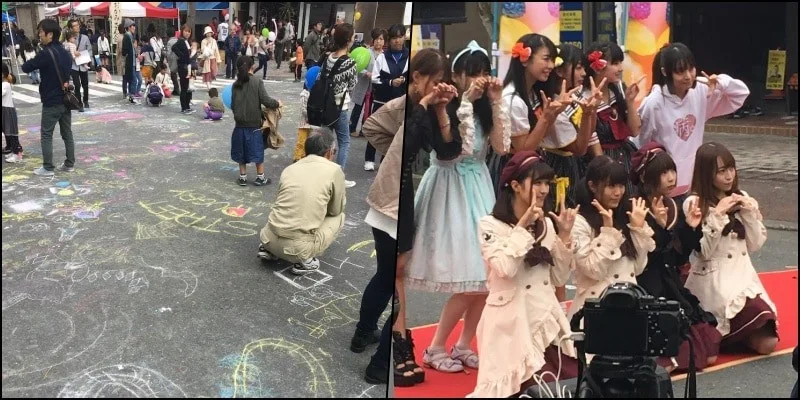
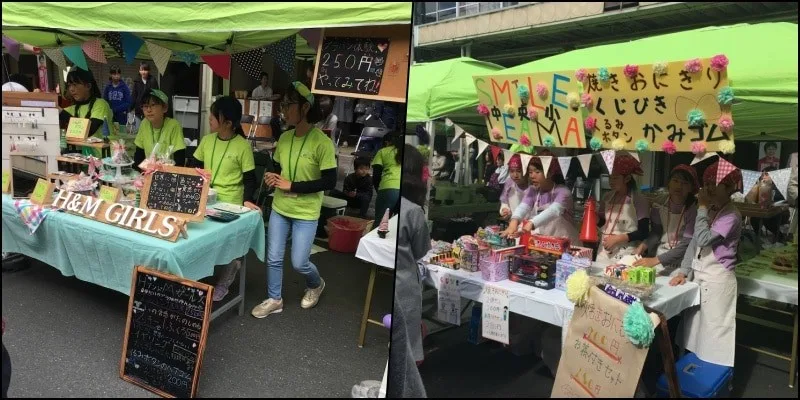
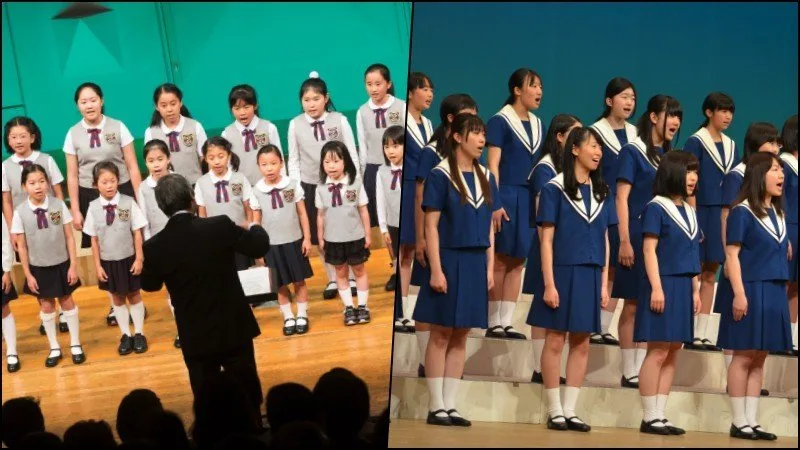
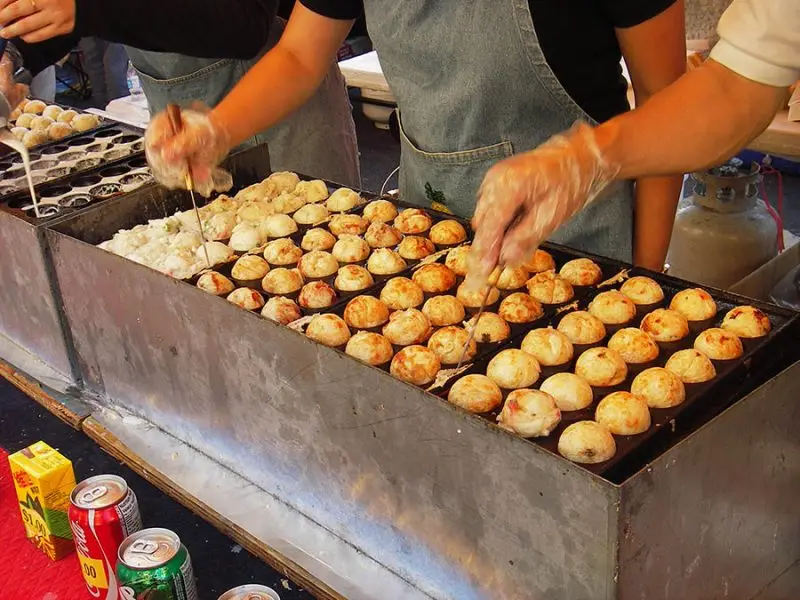
Food is served at stalls and some classrooms or gyms are transformed into temporary restaurants or cafes. Dances, music, and theatrical performances are carried out by volunteers or by school clubs.
Contents 4
How are School Festivals held?
In advance, the students of each class decide what they will present during the School Festival. Music, theater, dance, literature clubs, and sports clubs also prepare to make presentations or plan something special for the event.
Up to university, all students are required to participate in the Bunkasai; it is an event that is part of the school curriculum. Those who do not make presentations or similar things help in other ways, such as in the event preparations. Practically, it is the students who do all the work at the school.
The most impressive thing about Japanese festivals is the dedication of the students in preparation. All of this requires a high level of effort, time, and energy. It takes weeks of preparation and training for just a few hours of presentations.
School festivals are so popular that they often appear in anime and manga. It is rare to watch an anime set in a school without encountering the annual bunkasai event where we see students and clubs preparing and holding the event.
Different names for Bunkasai
In addition to the traditional and generic name Bunkasai, some schools use other names for their festival. Depending on the class or course, there are already other predefined names:
| School | Translation | Japanese |
|---|---|---|
| Nursing School | Daily Life Exhibition | Seikatsu-happyō-kai (生活 発 表 会) |
| Kindergarten | Daily Life Exhibition | Seikatsu-happyō-kai (生活発表会) |
| Elementary School | Literary Arts Exhibition | Gakugei-kai (学芸会) |
| Elementary School | Learning Exhibition | Gakushu-happyō-kai (学習発表会) |
| Junior High School | Cultural Festival | Bunka-sai (文化祭) |
| High School | Cultural Festival | Bunka-sai (文化祭) |
| University | University Festival | Daigaku-sai ( 大学祭) |
Another quite popular school festival is called Undokai, a competitive festival that is not always open to the public and involves various competitions and different sports among classes. Similarly, students are encouraged to prepare for this big day in advance.
My experience on Culture Day
Many schools hold their school festival around November 3rd, a Japanese national holiday called Bunka no Hi [文化の日] Culture Day. Festivals always take place on a Saturday or Sunday, sometimes on both days.
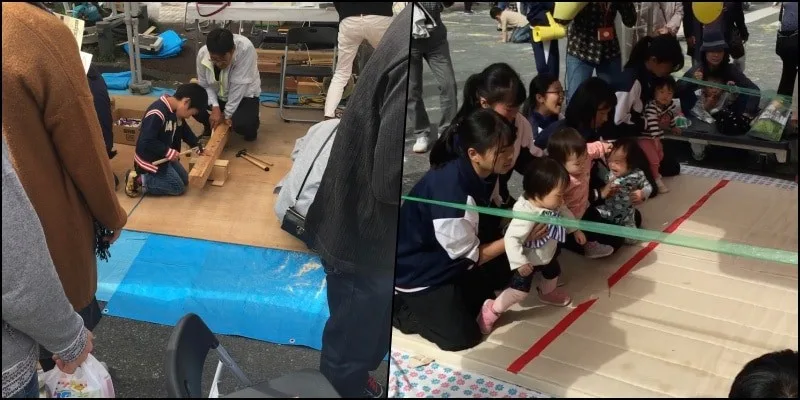
I’m not sure if it was a school festival of bunkasai, but on Culture Day in the city hall of Kakegawa, near the station, there was a big matsuri happening on the street and many stalls belonged to elementary school students and other classes.
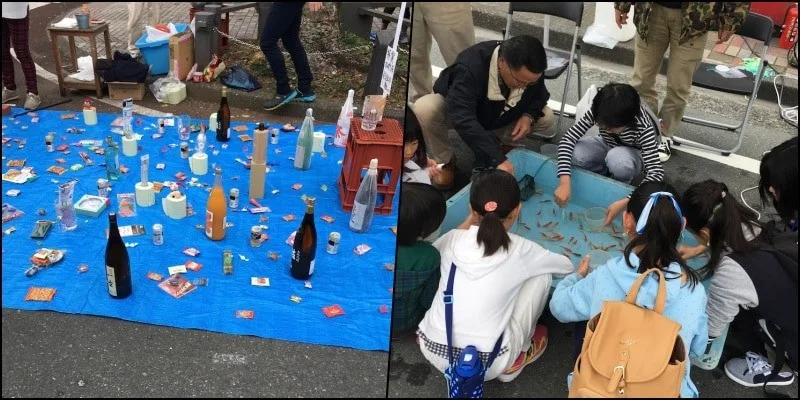
It was a very fun matsuri, at the beginning there were some Cosplay Idols singing while the festival stretched along the avenue filled with food stalls, games of chance, and workshops where children and parents made wooden crafts.
There was also a massage stall, a baby race, children drawing with chalk on the ground, and an avenue that probably belonged to an elementary school, full of uniformed children working and selling food to visitors.
My experience at a university bunkasai
I had the opportunity to visit the Bunkasai at Otemae University in the Kansai region and wanted to share my experience. At first, I was a bit disappointed that the festival was at a university, where there wouldn’t be anyone in school uniform.
The Bunkasai at universities are also called daigaku-sai [大学祭] and tend to be smaller and less fun because they are not mandatory for students, unlike elementary and junior high schools which are part of the school curriculum. Not to mention that things at universities are more serious.
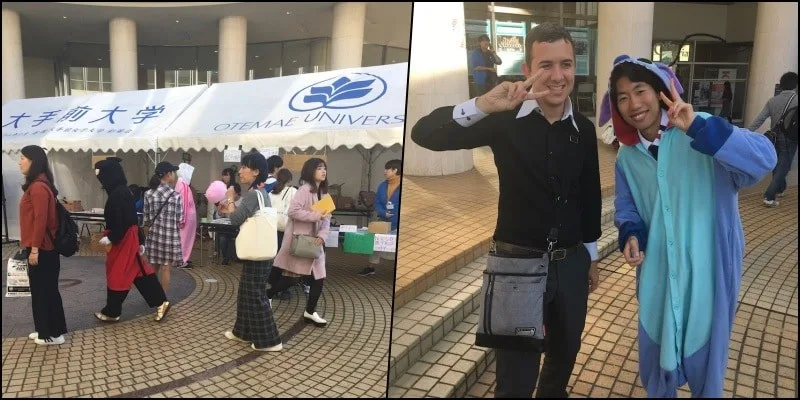
The festival itself seemed quite simple and small, with a stage outside where students sang surrounded by food stalls. Inside the classrooms, there were more exhibitions related to the courses that the university offered.
It’s not like in anime filled with themed and fun rooms, especially since it was a university and not high school. Fortunately, there was a very fun room full of cosplayers, posters, and a ton of drawings made by the room's organizers, free for us to take and draw.
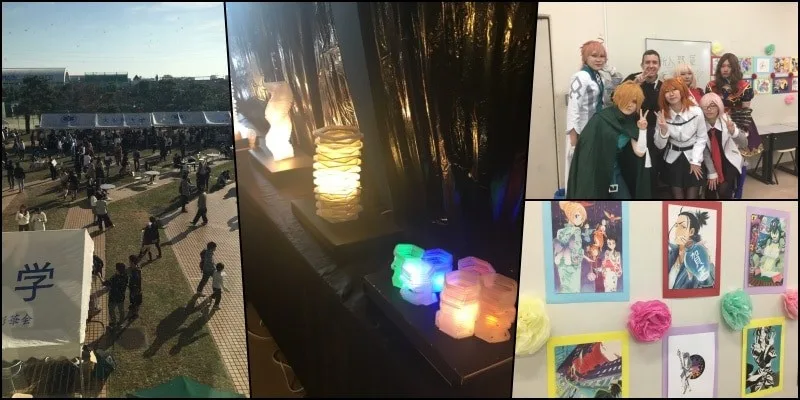
In the classrooms, we found exhibitions related to the university courses, involving architecture, manga, archaeology, international relations, psychology, and others.
I was with other friends, so I didn’t have the opportunity to enjoy everything the festival had to offer. The most fun part was the Taiko show that takes place in one of the 3 Halls of the school. It was a 30-minute performance by a group of students that you can follow a bit below:
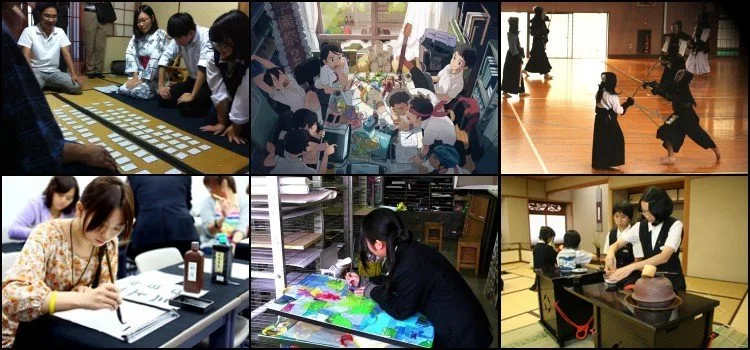
Bunkasai are really fun and you can have a unique experience at each one of them. Not everyone will be able to appreciate Japanese customs, but if you want to mingle and delve into Japanese traditions, visit a Bunkasai.
If you are in Japan during the Fall, just search on Google for bunkasai dates on weekends, and you will likely find an event nearby. I hope you enjoyed the article! If you liked it, share and leave your comments!

Community
Comments
0 comments
There are no published comments in this language yet.
Send comment