

Someone drops "weeaboo" in a comment and the room freezes. Is it a joke, a warning, or a label you are quietly afraid might fit? The word rarely points at people who simply like anime. It points at a style of fandom that treats Japan as a fantasy costume and real Japanese culture as optional flavor text.
Weeaboo (often shortened to weeb), also linked historically to wapanese, is derogatory internet slang for a non-Japanese person who fixates on Japanese culture—especially anime and manga—in a loud, uncritical, or stereotyped way. Loving Japan is not the problem. Flattening a whole country into catchphrases and superiority talk is where the insult usually lands.

Contents 4
Origin of the word Weeaboo
Long before imageboards, English already had a calmer label: Japanophile, someone with a genuine outside interest in Japanese culture, people, or history. In Japanese, a close idea is shinnichi (親日), roughly "pro-Japanese." That older vocabulary is about appreciation, not a social dig inside fandom circles.
Online, the sharper insult arrived later. In the early 2000s, wapanese—a blend of "white" or "wannabe" with "Japanese"—spread on boards such as 4chan as a put-down for Westerners judged obsessively biased toward Japanese pop culture. Around 2005, 4chan applied a word filter that replaced "wapanese" with weeaboo, a nonsense word from Nicholas Gurewitch's The Perry Bible Fellowship comic. Users kept the filter's output, and the new term inherited the old insult's job. The sound of "weeaboo" itself has no Japanese etymology; the meaning came from usage, not from a dictionary root.
Similar naming patterns show up when other cultures become fan targets. Fans of Korean pop culture sometimes hear koreaboo, while the broader cultural boom is often discussed as the Hallyu wave. The parallel article on what koreaboo means maps the same tension: enthusiasm versus stereotype.
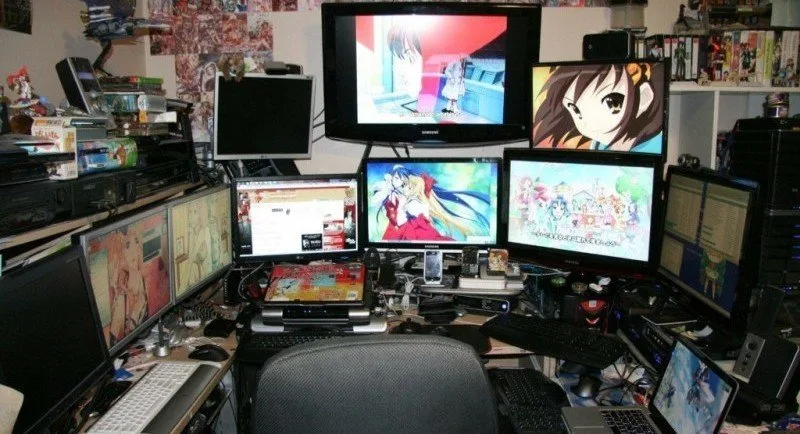
How people usually spot a "weeaboo" stereotype
Appreciating Japanese culture, studying the language, or watching anime is ordinary. The stereotype kicks in when interest becomes performative, dismissive of other cultures, or built almost entirely on pop exports. None of the habits below prove a label by themselves—context and intensity matter—but they are the patterns the slang keeps recycling.
Sprinkling Japanese without a shared context. Random drops of kawaii, sugoi, or baka in rooms where nobody studies Japanese, plus honorifics like -san or -chan on English names, read as costume speech. Learning real honorifics is different; the guide to Japanese honorifics such as san, kun, and chan is about social nuance, not peppering chat with anime leftovers. The same goes for knowing what baka actually means in Japanese instead of treating it as a cute catchphrase.
Japan-only preference with no room for comparison. Japanese food, media, apps, fashion, or brands are fine favorites. The stereotype hardens when everything else is framed as inferior by default, and when "made in Japan" becomes a moral ranking rather than a personal taste.
A postcard version of the country. Japan becomes only anime streets, perfect trains, and flawless politeness. Criticism of work culture, loneliness, or social pressure is waved away. Real curiosity looks at both the polished exports and the everyday country that produces them.
Related lifestyles get mixed into the stereotype even when they are separate topics. An otaku is not automatically a weeaboo, and a hikikomori or NEET situation is a social withdrawal pattern—not a synonym for "likes Japan too much."
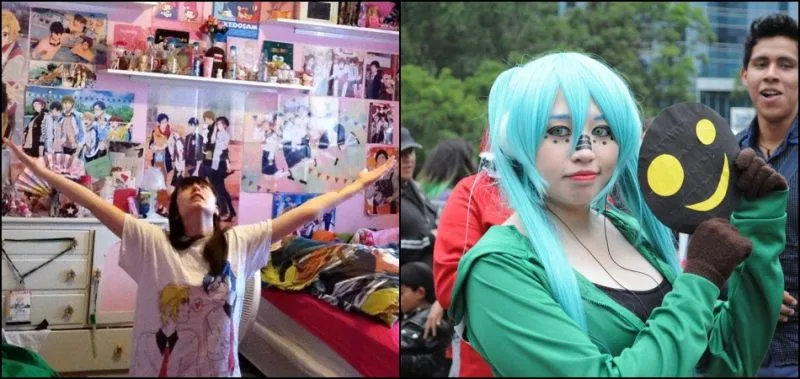
Weeaboo, weeb, otaku, and Japanophile
These words get tossed around as if they were interchangeable. They are not.
- Weeaboo / weeb — mostly Western internet slang, usually negative, aimed at obsessive or shallow Japan fandom. Some fans reclaim "weeb" with irony; the edge of the insult never fully disappears.
- Wapanese — older online insult that "weeaboo" largely replaced after the 4chan filter era.
- Otaku — Japanese (and later global) term for intense hobbyist interest. In Japan it can still sound harsh; among many overseas fans it often just means dedicated anime/manga enthusiasm. See the deeper breakdown of what otaku really means.
- Japanophile / shinnichi — older, usually non-derogatory language for interest in Japan that is not defined by anime cosplay of identity.
A useful rule of thumb from long-running fan criticism: enjoying Japanese media is not the line. The line is when fandom turns into arrogance, cultural cosplay, or willful ignorance about the real place and people behind the products. That is also why "weeb" and "otaku" can describe very different social attitudes even when the media diet looks similar.
If you want a wider map of fan vocabulary beyond this insult, the otaku vocabulary glossary and the note on waifu and husbando show how slang travels, softens, or gets reclaimed inside communities.
What Japanese people tend to notice
There is no single "Japanese opinion" of Western fans. Many people in Japan never use "weeaboo" at all—it is an English-speaking internet word. What does travel across languages is the practical reaction to behavior: curiosity is welcome; turning locals into props, forcing broken Japanese on strangers, or assuming anime equals daily life is exhausting.
If your interest is real, the boring advice is still the useful one. Learn with sources beyond anime. Keep some humility about a culture you do not live inside every day. Share the hobby without belittling your own background or treating Japan as a personal brand. That path looks far more like a Japanophile or a thoughtful fan than like the cartoon the insult was built to mock.
In short: watch the shows, study the language, visit if you can—and leave the superiority act, the costume Japanese, and the postcard fantasy at the door.






Community
Comments
0 comments
There are no published comments in this language yet.
Send comment