
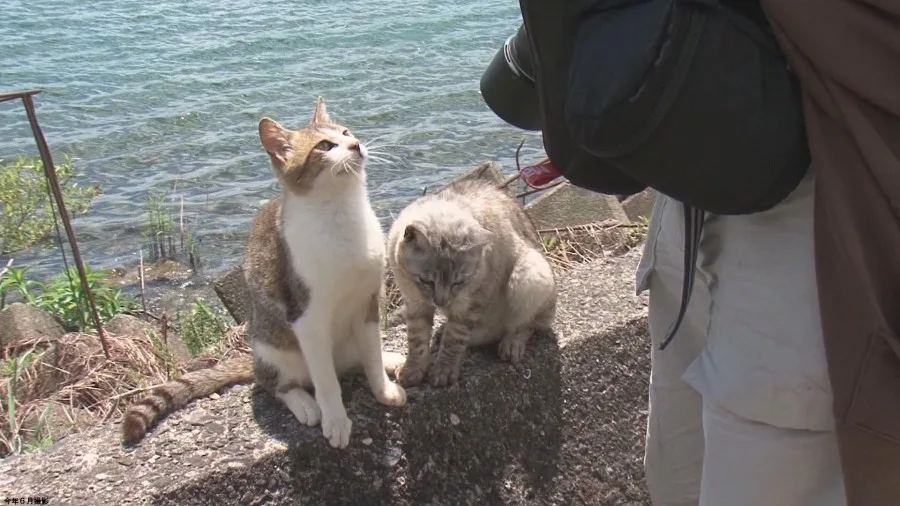
Dogs and cats are two opposite animals, but they are common in homes all over the world. Therefore, let's see different ways to refer to these animals in Japanese.
The article goes much further, we will learn words that are composed with the ideograms for cat and dog, as well as some curious Japanese expressions that use these animals.
Remember that we also have other articles that talk about animals in Japanese, we recommend reading the following articles:
- Names of Animals in Japanese – Doubutsu
- Kigurumi – Animal Costume and Japanese Pajamas
- Is it difficult to take animals to Japan?
Contents 7
Neko - How do you say Cat in Japanese?
猫 (neko) - This is the most common word to refer to "cat" in Japanese. We also have words derived from English such as: [キャット] and [カト] which come from "kitty" and "cat".
In the past, "neko" was called "nekoma". One theory describes "ね" as an onomatopoeia for the sound that a cat makes. And koma may refer to bear (kuma) as it is a furry four-legged animal.
Did you know? The ideogram 猫 derives from radicals of the ideograms for dog 犬? The parts of the kanji can refer mainly to small and agile animals. The radical [犭] represents a wild animal that walks through the fields [田].
Other theories involving the origin of the reading neko are:
- 寝子獣 (ねこま): A sleeping beast cub. Due to cats sleeping all day.
- 寝熊 (ねくま): Sleeping bear.
- 鼠神(ねこま): God of the rat or god of rats. Total relevance to the fact that dogs chase rats.
- ねこ: Reference to the meow [にゃん] and [子] which represents a cute cub.
Expressions using cat in Japanese
- 猫舌 (nekogashi) - Cat tongue (which cannot stand hot temperatures);
- 猫被り (nekokaburi) - Being charged by the cat (used to describe someone who has been deceived or misled);
- ウンチを埋めている猫のように (Unchi wo umeteiru neko no yō ni) - Like a cat burying poop;
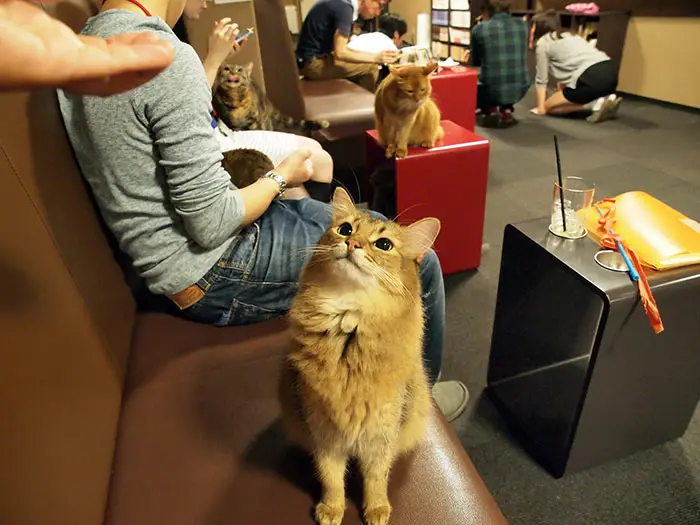
Words that have the ideogram of neko
- 虎猫 (toraneko) - Tiger cat; Striped cat;
- 黒猫 (kuroneko) - Black cat;
- 愛猫 (aibyou) - Pet cat; beloved cat;
- 家猫 (ieneko) - Domestic cat;
- 猫 (neko) - Cat;
- 猫科 (nekoka) - Family of cats;
- 猫耳 (nekomimi) - Cat ears;
- 猫目 (nekome) - Cat eyes;
- 猫柄 (nekogara) - Cat fur;
- 猫毛 (nekoke) - Cat hair;
- 猫背 (nekose) - Cat back;
- 猫爪 (nekotsume) - Cat claws;
- 猫足 (nekoshi) - Cat paw;
- 猫顔 (nekogao) - Cat face;
Cat Breeds in Japanese
Here are some cat breeds originating from Japan:
- Japanese Bobtail (日本ボブテイル) - a breed of cat with a short tail and long fur. Known for being affectionate and playful.
- Japanese Sable (日本サーバル) - a breed of cat with short fur and a sable fur pattern. Known for being friendly and easily trainable.
- Japanese Spotted Cat (日本スポットキャット) - a breed of cat with short fur and leopard spots.
Also read: Nekojima – Discover 20 Cat Islands in Japan
Below is a list of cat breeds in the Japanese language:
- Maine Coon (メインクーン)
- Scottish Fold (スコティッシュフォールド)
- Siamese (シャム)
- Persian (ペルシャ)
- Sphynx (スフィンクス)
- American Shorthair (アメリカンショートヘア)
- British Shorthair (ブリティッシュショートヘア)
- Exotic Shorthair (エキゾチックショートヘア)
- Bombay (ボンベイ)
- Russian Blue (ロシアンブルー)
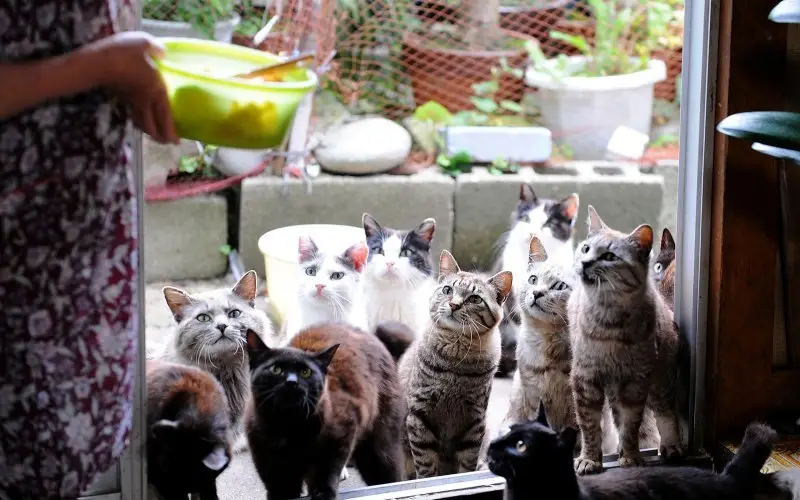
Inu - How do you say Dog in Japanese?
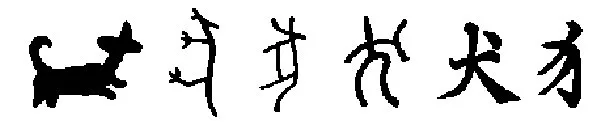
犬 (inu) means dog in Japanese, the ideogram is composed of the radicals and ideograms 犭 (the old form of 犬) and 田 (ta), which mean, respectively, "dog" and "field".
The ideogram 「犭」is considered a very ancient ideogram, being used to write the word "dog" in other Asian languages, such as Chinese.
The ideogram 田 (ta) means "field" or "cultivated land", used to indicate that the dog is a working animal, which is used to help farmers.
Note that both ideograms that gave rise to the word dog are also present in the ideogram for cat in Japanese.
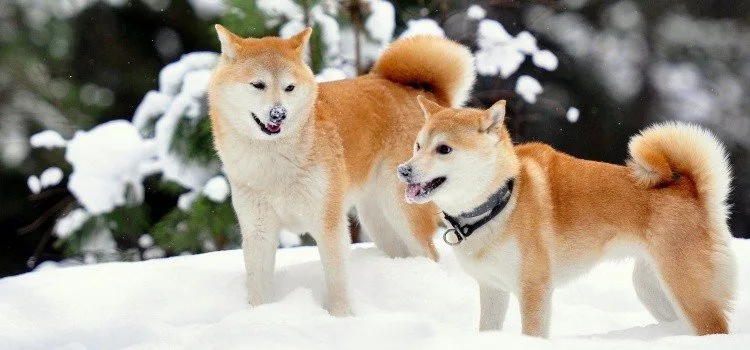
The ideogram is also used as part of the name of some Japanese dog breeds, such as Shiba Inu (柴犬) and Akita Inu (秋田犬).
In the West, dogs and cats do not get along, but in Japanese the word to refer to dogs and cats as a bad relationship actually uses dog and monkey [犬猿].
- 犬型 (inugata) - This word is used to refer to "dogs" of breed or pedigree in Japanese. The ideogram 型 (gata) means "model" or "form".
- 犬種 (inushu) -This word is also used to refer to "dogs" of breed or pedigree in Japanese. The ideogram 種 (shu), which means "species" or "breed".
Here are some more Japanese words that include the ideogram 犬 (inu) which means "dog":
- 犬小屋 (いぬごや) - doghouse;
- 犬神 (いぬがみ) - dog god (a Shinto god);
- 犬柄 (いぬがら) - dog-octopus (a Japanese dish);
- 犬小屋 (いぬごや) - kennel;
- 犬猫 (いぬねこ) - cat and dog;
- 犬種 (いぬぐすり) - dog breed;
- 犬歯 (いぬのお) - dog tooth;
- 犬舎 (いぬや) - dog house;
- 犬薬 (いぬぐすり) - medication for dogs;
- 犬山 (いぬやま) - dog mountain;
- 犬奉行 (いぬほうこう) - chief of dogs;
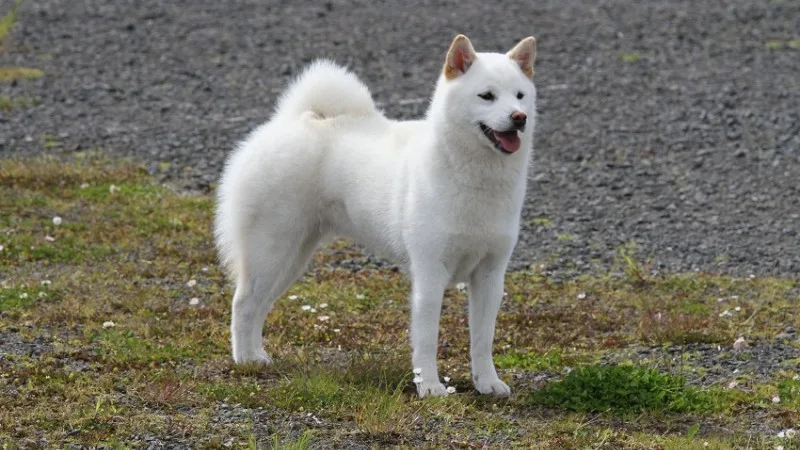
Names of dog breeds in Japanese
Here are some names of dog breeds in Japanese:
- Shiba Inu (柴犬)
- Akita Inu (秋田犬)
- Hokkaido (北海道犬)
- Kishu (紀州犬)
- Kai Ken (甲斐犬)
- Shikoku (四国犬)
- Tosa (土佐犬)
- Kumaon Mastiff (クマオンマスティフ)
- Ryukyu (琉球犬)
- Kishu (紀州犬)
We recommend reading: Akita Inu and Shiba Inu – The Japanese Dogs
What is the similarity between the ideograms 猫 and 犬?
The Japanese ideograms 猫 (neko, cat) and 犬 (inu, dog) are very similar, as both are composed of the same ideogram 犭 (the old form of 犬), which means "dog". The main difference between the two ideograms is the second element, which is used to indicate the species of the animal.
In fact, the component 「犭」of the ideogram 「猫」is a simplification of another Chinese ideogram that means beast 「豸」due to its semantic affinity.
All the radicals present in the word Neko are: 大竹廿田



Community
Comments
0 comments
There are no published comments in this language yet.
Send comment