
Animals appear early in Japanese study: on menus, in zoos, in anime and in set phrases. The general word for animal is 動物 (doubutsu), and most animal names have a fixed spelling that moves between kanji, hiragana and katakana depending on the species. This guide sorts the most useful names, explains the writing systems behind them and adds the counters, sound words and idioms that come with the topic.
Contents 10
What is animal in Japanese?
The general word is 動物 (doubutsu, どうぶつ). It combines 動 (“to move”) and 物 (“thing”) and refers to living creatures that move. In daily speech specific names are far more common: 犬 (inu) for dog, 猫 (neko) for cat, 鳥 (tori) for bird. Use 動物 when talking about animals in general, and in scientific or formal texts it also covers the biological category.
Mammals
The tables below give the usual spellings with hiragana, katakana and rōmaji. Where an animal was introduced from abroad or has no common kanji, the kanji column is left empty.
| Kanji | Hiragana | Katakana | Rōmaji | English |
|---|---|---|---|---|
| 犬 | いぬ | イヌ | inu | dog |
| 猫 | ねこ | ネコ | neko | cat |
| 馬 | うま | ウマ | uma | horse |
| 牛 | うし | ウシ | ushi | cow, cattle |
| 豚 | ぶた | ブタ | buta | pig |
| 羊 | ひつじ | ヒツジ | hitsuji | sheep |
| 山羊 | やぎ | ヤギ | yagi | goat |
| 兎 | うさぎ | ウサギ | usagi | rabbit |
| 鼠 | ねずみ | ネズミ | nezumi | mouse, rat |
| 狐 | きつね | キツネ | kitsune | fox |
| 狸 | たぬき | タヌキ | tanuki | raccoon dog |
| 狼 | おおかみ | オオカミ | ōkami | wolf |
| 熊 | くま | クマ | kuma | bear |
| 鹿 | しか | シカ | shika | deer |
| 猿 | さる | サル | saru | monkey |
| 象 | ぞう | ゾウ | zō | elephant |
| 虎 | とら | トラ | tora | tiger |
| 豹 | ひょう | ヒョウ | hyō | leopard |
| 麒麟 | きりん | キリン | kirin | giraffe |
| 河馬 | かば | カバ | kaba | hippopotamus |
| 犀 | さい | サイ | sai | rhinoceros |
| 駱駝 | らくだ | ラクダ | rakuda | camel |
| 縞馬 | しまうま | シマウマ | shimauma | zebra |
| 蝙蝠 | こうもり | コウモリ | kōmori | bat |
| 鯨 | くじら | クジラ | kujira | whale |
| 海豚 | いるか | イルカ | iruka | dolphin |
| アザラシ | - | アザラシ | azarashi | seal |
| パンダ | - | パンダ | panda | panda |
| コアラ | - | コアラ | koara | koala |
| カンガルー | - | カンガルー | kangarū | kangaroo |
| リス | - | リス | risu | squirrel |
| ハムスター | - | ハムスター | hamusutā | hamster |
| イノシシ | - | イノシシ | inoshishi | wild boar |
Birds
Bird names often keep their kanji because many species have been known in Japan for centuries. For chicks and farm birds you will also see established hiragana spellings.
| Kanji | Hiragana | Katakana | Rōmaji | English |
|---|---|---|---|---|
| 鳥 | とり | トリ | tori | bird |
| 鶏 | にわとり | ニワトリ | niwatori | chicken |
| 雛 | ひよこ | ヒヨコ | hiyoko | chick |
| 鴨 | かも | カモ | kamo | wild duck |
| 家鴨 | あひる | アヒル | ahiru | domestic duck |
| 鵞鳥 | がちょう | ガチョウ | gachō | goose |
| 鳩 | はと | ハト | hato | pigeon |
| 雀 | すずめ | スズメ | suzume | sparrow |
| 烏 | からす | カラス | karasu | crow |
| 鷹 | たか | タカ | taka | hawk |
| 梟 | ふくろう | フクロウ | fukurō | owl |
| 鶴 | つる | ツル | tsuru | crane |
| 孔雀 | くじゃく | クジャク | kujaku | peacock |
| 鸚鵡 | おうむ | オウム | ōmu | parrot |
| 駝鳥 | だちょう | ダチョウ | dachō | ostrich |
| 鷲 | わし | ワシ | washi | eagle |
| 白鳥 | はくちょう | ハクチョウ | hakuchō | swan |
Fish, reptiles and insects
Water animals and insects mix the scripts most: popular food fish keep kanji, while many insects appear in katakana in everyday writing.
| Kanji | Hiragana | Katakana | Rōmaji | English |
|---|---|---|---|---|
| 魚 | さかな | サカナ | sakana | fish |
| 鯉 | こい | コイ | koi | carp |
| 鮪 | まぐろ | マグロ | maguro | tuna |
| 章魚 | たこ | タコ | tako | octopus |
| 烏賊 | いか | イカ | ika | squid |
| 海老 | えび | エビ | ebi | shrimp |
| 蟹 | かに | カニ | kani | crab |
| 貝 | かい | カイ | kai | shellfish |
| 亀 | かめ | カメ | kame | turtle, tortoise |
| 蛇 | へび | ヘビ | hebi | snake |
| 蜥蜴 | とかげ | トカゲ | tokage | lizard |
| 鰐 | わに | ワニ | wani | crocodile |
| 蛙 | かえる | カエル | kaeru | frog |
| 虫 | むし | ムシ | mushi | insect |
| 蟻 | あり | アリ | ari | ant |
| 蜂 | はち | ハチ | hachi | bee, wasp |
| 蝶 | ちょう | チョウ | chō | butterfly |
| 蚊 | か | カ | ka | mosquito |
| 蜘蛛 | くも | クモ | kumo | spider |
| 蜻蛉 | とんぼ | トンボ | tonbo | dragonfly |
| 蝉 | せみ | セミ | semi | cicada |
| 甲虫 | かぶとむし | カブトムシ | kabutomushi | rhinoceros beetle |
Why so many animal names are in katakana
Katakana marks loanwords, sound words and names in Japanese. Many animals carry katakana names because the species arrived late or the name came from another language: パンダ, コアラ, カンガルー, ハムスター. Animals known in Japan for centuries keep kanji or hiragana: 犬, 猫, 馬, 牛. For learners the practical rule is simple: a katakana animal name usually signals an introduced or exotic species, and the spelling in textbooks is the standard one.
Counters for animals
Japanese does not count everything with one counter; the counter follows the shape and size of the animal. For small animals, insects and fish the counter is 匹 (hiki): 猫が二匹 (neko ga nihiki), “two cats”. For large animals such as horses, cows and elephants the counter is 頭 (tō): 馬が一頭 (uma ga ittō), “one horse”. Birds and rabbits take 羽 (wa): 鳥が三羽 (tori ga sanwa), “three birds”. These three counters cover almost every everyday conversation about animals.
Animal sounds in Japanese
Sound words are fixed vocabulary in Japanese and differ sharply from English animal noises. A cat says にゃー (nyā), a dog わんわん (wanwan), a cow モーモー (mōmō), a pig ブーブー (būbū), a sheep メーメー (mēmē), a rooster コケコッコー (kokekokkō). A crow calls カーカー (kākā), a sparrow チュンチュン (chunchun) and a horse ヒヒーン (hihīn). These words appear in manga and children's books and are an easy entry into Japanese onomatopoeia.
Idioms with animals
Animals turn up in many set phrases. 猫の手も借りたい (neko no te mo karitai) literally means “wanting to borrow even a cat's paw” and describes being extremely busy or short-staffed. 犬猿の仲 (ken'en no naka) means “like dogs and monkeys” and describes constant quarrelling. 鶴の一声 (tsuru no hitokoe) is “one cry of the crane”, the decisive word of an authority figure. 馬が合う (uma ga au) literally means “the horses fit” and describes getting along well with someone.
Animals in Japanese culture
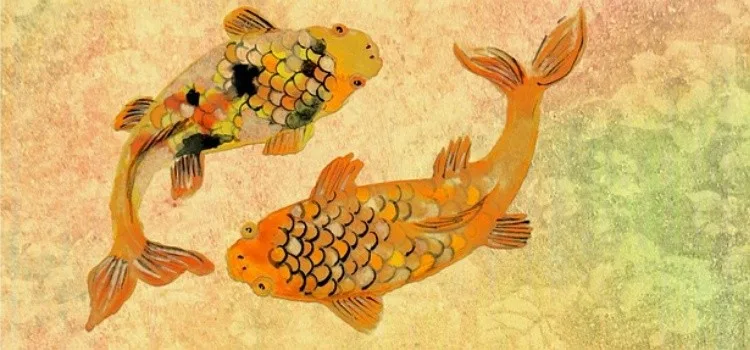
Some animals carry fixed meanings. The crane (鶴, tsuru) stands for long life, and the proverb 鶴は千年、亀は万年 (tsuru wa sennen, kame wa mannen) pairs crane and turtle for a thousand and ten thousand years. The koi (鯉, koi) represents perseverance and success, known from the story 鯉の滝登り of the carp climbing a waterfall. The fox (狐, kitsune) appears as a messenger of the rice deity Inari, and stone fox statues stand at many Inari shrines. The owl (梟, fukurō) is treated as a lucky charm, although the wordplay with fuku (“luck”) is folk etymology and not the real origin of the word.
Conclusion
Animal names in Japanese are easiest to learn in groups: mammals, birds, water animals and insects, each with kanji, kana and rōmaji. More important than a perfect spelling are the three counters 匹, 頭 and 羽, because they appear in every conversation about animals. Add a few sound words and idioms and you will understand far more in daily life than a bare vocabulary list suggests.
More Japanese vocabulary: human body parts in Japanese, taking animals to Japan, Japanese nature vocabulary, kemono and anthropomorphic animals and the Japanese and their pets.



Community
Comments
0 comments
There are no published comments in this language yet.
Send comment