
In Japan, a gift often carries more than the bow on the box. A number on the packaging, the color of a card, or the wrong motif can nudge a well-meant gesture in an awkward direction—which is why meanings and taboos are worth knowing before you hand something over.
Not everyone takes superstition equally seriously: some people shrug it off, others notice every detail. This guide gathers the essentials around omiyage and host gifts, numbers, colors, animals, and items better left on the shelf—without killing the fun of giving.
Contents 6
When do people give gifts in Japan?
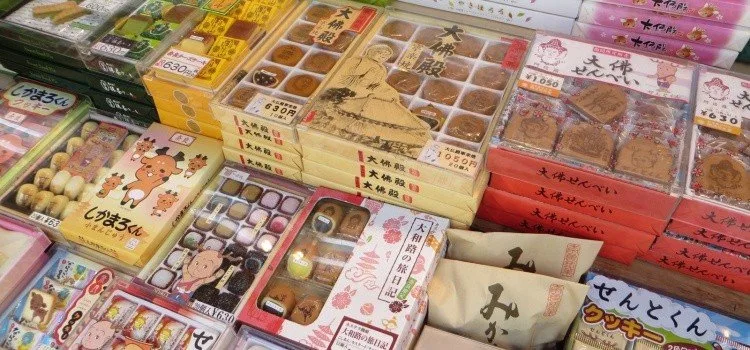
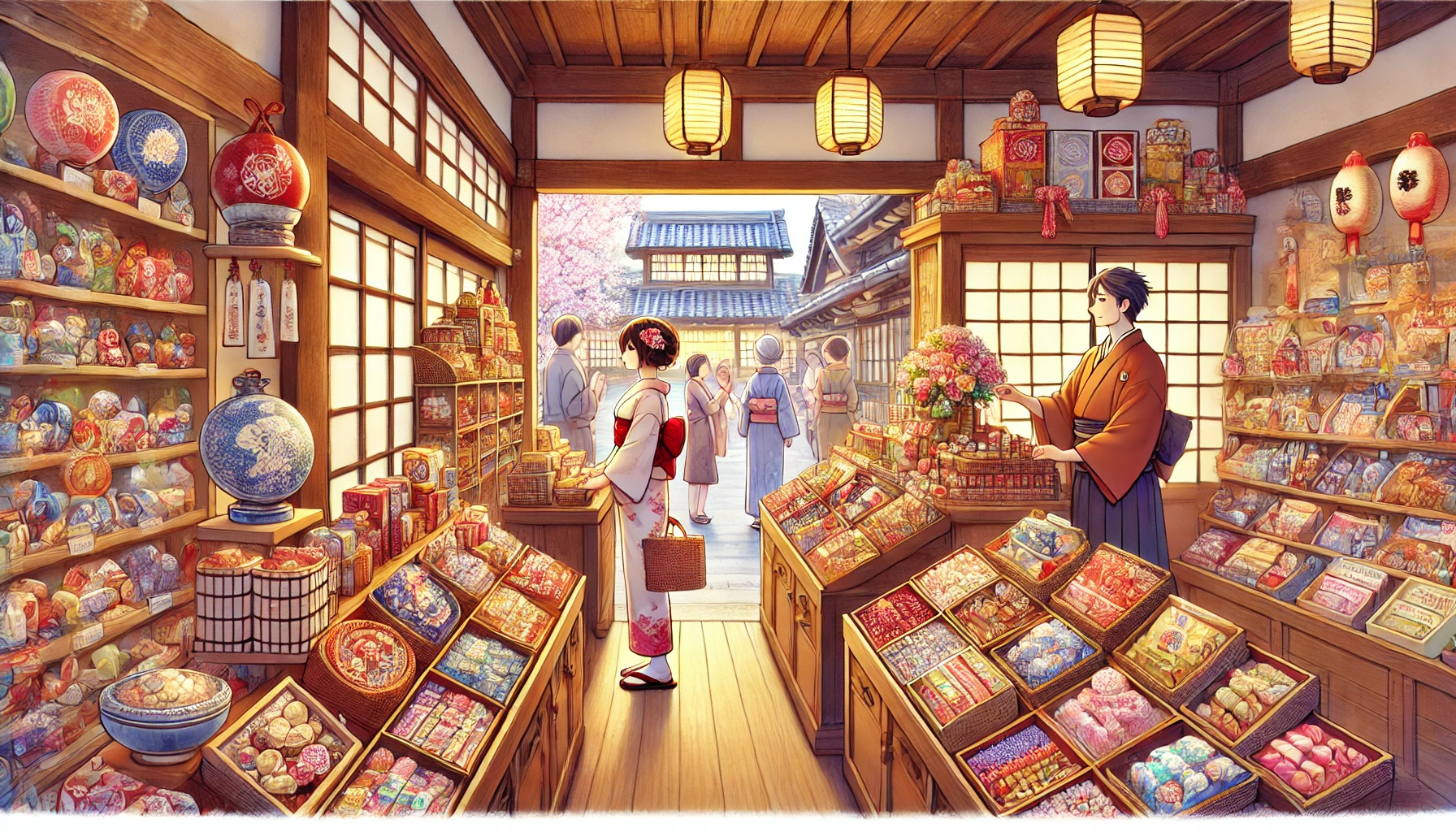
Beyond private occasions, Japanese daily life has steady patterns. Omiyage are bring-backs from a trip—often edible, regional, and portioned so you can share them at work or at home. They differ from a casual temiyage (a small host gift when you visit), even if both travel in a nice bag.
Twice a year, seasonal thanks matter too: ochūgen in midsummer and oseibo near year-end, usually for people you feel indebted to (boss, teacher, relative, long-standing client). After formal gifts such as wedding money or condolence-related exchanges, okaeshi—a return gift, often around half the value—closes the loop. Everyday souvenirs from a trip usually do not require okaeshi.
Gifts with numbers
Certain numbers still make people uneasy. Some buildings skip floors, and gift sets rarely come in unlucky counts. Prefer odd numbers for congratulatory money envelopes, and avoid gifts that lean on 4, 9, or 43. Here’s why:
- Four — 4 — 四 — The reading shi can sound like death (死), also shi;
- Nine — 9 — 九 — The reading ku can echo suffering or pain (苦);
- 43 — The sound shisan is uncomfortably close to shizan (死産, stillbirth);
Other numbers people mention include 42 (close to 死に, shini). 7 often feels lucky through Buddhist and folk traditions. Younger hosts may care less about these associations—but if the occasion is formal, skipping four- and nine-piece sets is still a safe habit.

Japanese gifts with animals
Cute motifs sell well, so animal designs show up on sweets, charms, and soft toys. Meanings are not universal law, but they shape first impressions—see also our notes on animals in Japanese:
- Butterflies can suggest joy and longevity, yet also the souls of the living and the dead;
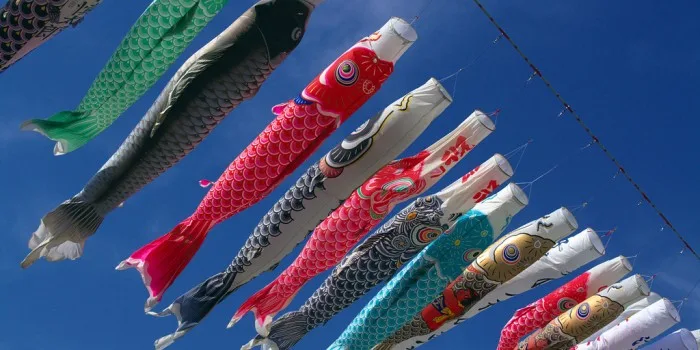
- Carp often stand for good fortune and perseverance;
- Herons suit wedding themes for longevity and good luck;
- Swallows (or a swallow’s tail motif) can read as good fortune;
- Turtles signal longevity—popular around babies and elders;
Meaning of colors in Japanese gifts
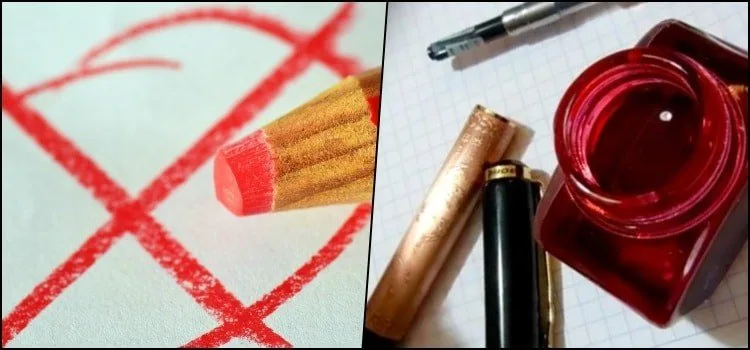
Colors speak loudly on wrapping and cards. Black can lean toward mourning or bad luck in formal contexts. Red appears in funeral-related notices and on some grave markers, so a solid-red Christmas card or red-ink signature on a gift note can feel off—even when red-and-white combinations work for celebrations and weddings.
Safer everyday choices include green (often read as vitality and good fortune), white for purity in the right setting, and purple for festive or refined occasions. Orange tends toward warmth and happiness; yellow toward brightness and refinement; blue toward calm everyday cleanliness. Context still wins: match the wrapping to the event, not a rigid color chart.
Other gifts you should avoid
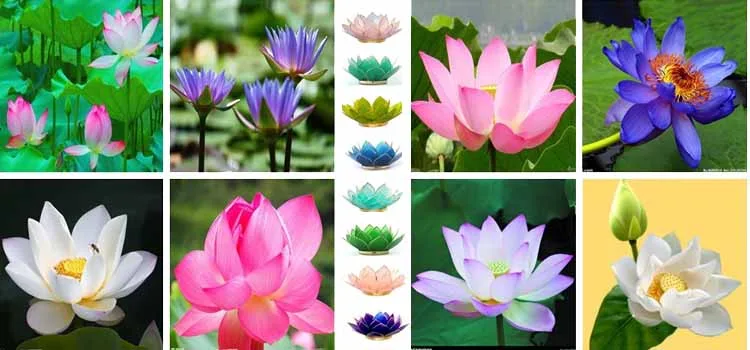
Lilies, lotus blossoms, and camellias are linked with funerals. White flowers of any kind are usually a poor pick for happy visits. Potted plants as get-well gifts make some people uneasy—the image of illness “taking root”—and they also burden a hospital room. More flower meanings here.
Skip scissors or knives when the relationship is delicate: blades can imply cutting ties (though quality kitchen knives among friends who cook are less taboo than they once were). Mirrors can suggest breakage. A comb (kushi) stacks the unlucky sounds for death and suffering. Watches and some stationery can read, toward a superior, like a nudge to work harder or a hint that time is short—choose something less loaded if hierarchy matters.
Do not give the same gift to people of clearly different rank in the same circle. Hierarchy still shapes expectations: what feels generous for a peer may feel thin—or oddly equal—for a boss.
How to hand over a gift
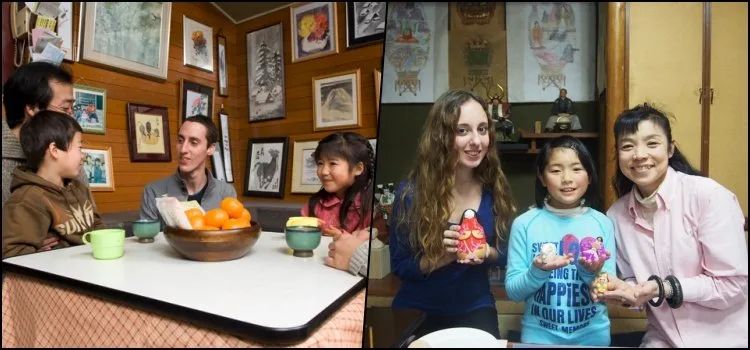
Bring something from your region or from abroad when you can—food travels especially well. Keep the present modestly out of sight at first, offer it with both hands, and aim for a quiet moment near the end of the visit. Many people open gifts later, in private, so do not expect a big reveal on the spot.
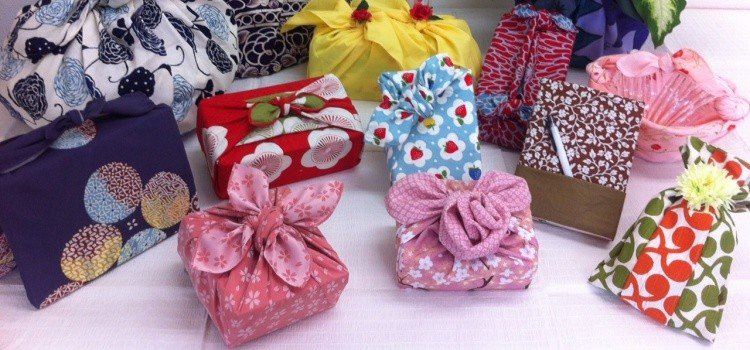
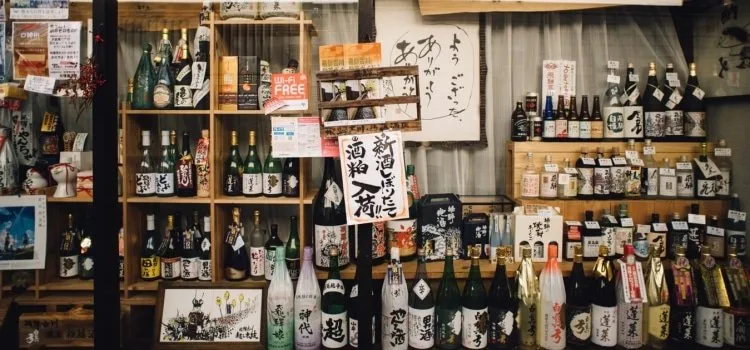
Imported sweets, good wine, cognac, or bourbon work when they match the recipient’s taste. Pairs often feel luckier than fours. Presentation counts: neat wrapping, a simple bag, or fabric such as furoshiki signals care. Soft pleats can feel festive; balanced contrast in color reads intentional; a little asymmetry is welcome in Japanese aesthetics.
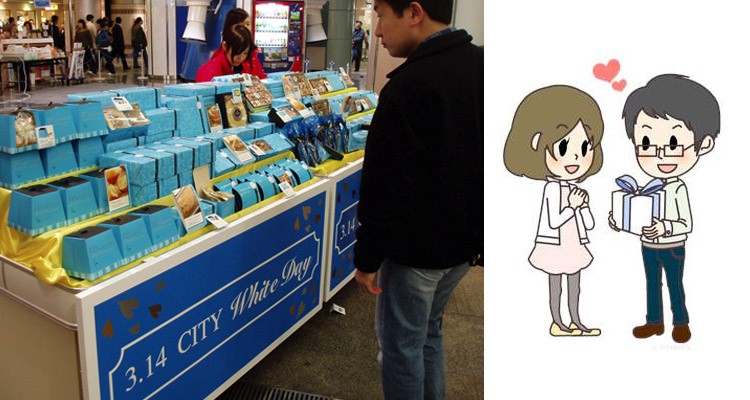
With centuries of custom layered under modern habits, the safest rule is simple: choose something the person will actually enjoy, wrap it cleanly, and avoid the few hard taboos when the occasion is formal. Research the gift when you are unsure—and when in doubt, shareable food almost never fails.

Community
Comments
0 comments
There are no published comments in this language yet.
Send comment