
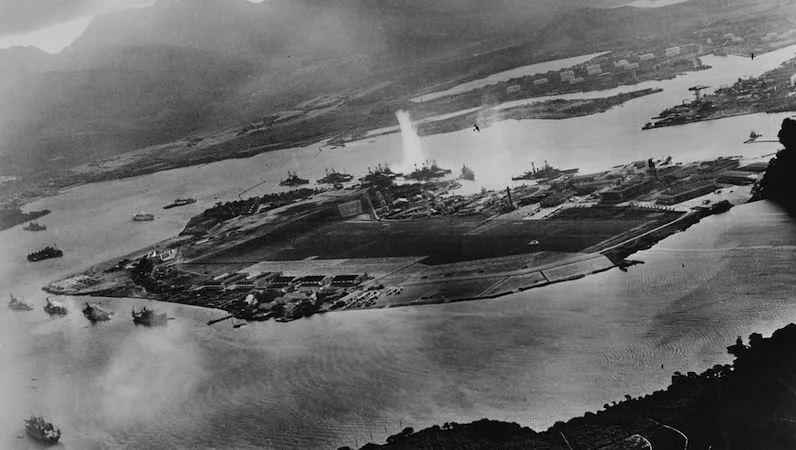
On Sunday, 7 December 1941, carrier aircraft of the Japanese navy flew from a position northwest of Oahu and attacked the US base at Pearl Harbor. The raid began at 7:48 a.m. local time and lasted about two hours. It brought the United States into the middle of the Second World War and reshaped the relationship between the two countries for decades.
Contents 6
What happened
The attack came in two waves. The first sent torpedo planes and dive bombers against the battleships at anchor, the second hit airfields and facilities. More than 2,400 Americans died and more than 1,000 were wounded.

The battleships took the heaviest losses. Arizona exploded when a hit reached her magazine and sank. Oklahoma capsized. Other battleships sank or were badly damaged. The carriers of the Pacific Fleet were not in port that morning: Enterprise and Lexington were at sea, and that fact shaped the rest of the Pacific war.

Why Japan attacked
Japan had been fighting in China since the 1930s. Oil, iron and rubber came almost entirely from abroad, so the leadership planned to seize the resource areas of Southeast Asia. The United States pushed back: restrictions on aircraft parts and steel in 1940, then, after Japanese troops moved into southern French Indochina in July 1941, a freeze on Japanese assets and an oil embargo.
With oil reserves falling, the Japanese leadership saw two paths. Negotiate and leave China, or risk war and strike south. The attack on Hawaii was the first step of the second path: knock out the Pacific Fleet so the advance south would not be threatened from the flank.
Who planned it
The plan came from Admiral Yamamoto Isoroku. He knew American industrial strength and judged a long war unwinnable, so he wanted a hard early blow to break American will. Six carriers crossed the quiet northern Pacific to a point north of Hawaii without being detected. The crews had rehearsed the attack in a bay with similar depth, and the torpedoes needed modifications because the harbour was shallow.
The result of the day
Tactically the raid was a great success; strategically it fell short. The carriers were untouched, the oil depots and workshops survived, and a third wave was cancelled. The United States declared war on Japan on 8 December, and on 11 December Germany and Italy declared war on the United States. Two regional wars became one world war.
When did the war begin
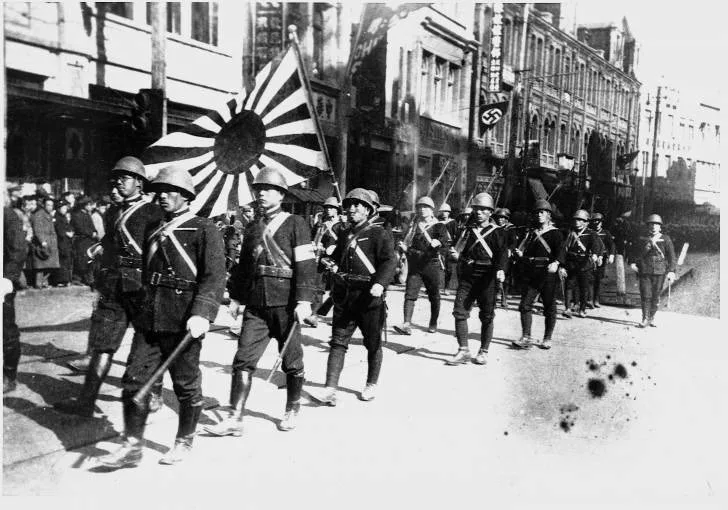
In Asia the war was already running. Japan took Manchuria after the Mukden Incident of 1931, and in 1937 it widened the attack on Shanghai and Nanjing into full war with China. In Europe the war began in 1939 with the German invasion of Poland. Pearl Harbor joined those fronts: until then Washington had supported Britain, afterwards it was a belligerent.
The relationship afterwards
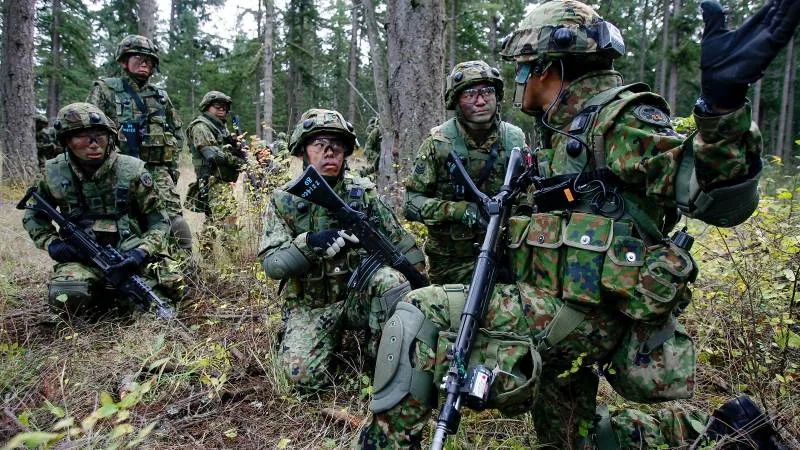
After 1945 the relationship changed completely. The San Francisco peace treaty restored Japanese sovereignty in 1951, and a security treaty the same year set the framework for American troops in the country. The revision of 1960 remains the basis of the alliance today, while Article 9 of the constitution stays at the centre of the security debate.

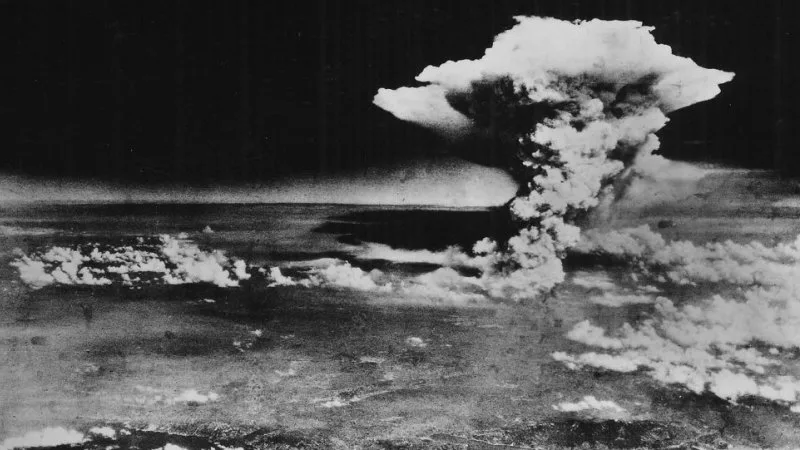
Japan today carries a strong American cultural imprint, and in places such as Okinawa Americans are a familiar presence. Arguments over noise and accidents at the bases continue. To see how the raid of 1941 and the destruction of 1945 turned into an alliance, follow the years between them: occupation, treaties and the argument about the constitution.
For background, read the pieces on imperial Japan since Meiji, the Nanjing massacre and Okinawa.

Community
Comments
0 comments
There are no published comments in this language yet.
Send comment