
Have you heard of the expression Otaku? Do you know its true meaning? How did this term come about? In this article, we look at the word Otaku and the people who have earned this nickname both in the West and in Japan. We will also look at the influence of the otaku community in Japan and the West.
The word Otaku [オタク] is a Japanese term for people who pursue a hobby with unusual intensity. Over time, this word began to be frequently used to refer to fans of anime, manga, novels, and games. Get ready to dive into the true meaning of Otaku.
What about people obsessed with Japanese or Korean culture? Those obsessed with Japan are often called Weeaboo. Those into Korea and K-pop are usually talked about as the Hallyu phenomenon.
Contents 9
The Meaning of the Word Otaku
Originally, the word otaku (お宅) was a respectful form of address (sonkeigo) used in the second person to refer to your home, house, person, or family. This word has also been used to refer to a husband and to organizations.
Example: I will visit your house tomorrow
明日お宅に伺います
Ashita otaku ni ukagaimasu
The character of the original word is Taku [宅], which literally means house. The slang form is usually written in katakana as オタク. From there came the association with people who stay at home watching anime, playing games, browsing the internet, and so on.
Otaku is one of the main Japanese alternatives to the words Geek and Nerd, and it is often more pejorative. In the dictionary, it is described as a person with a deep interest in certain hobbies who may lack knowledge and sociability in other fields.
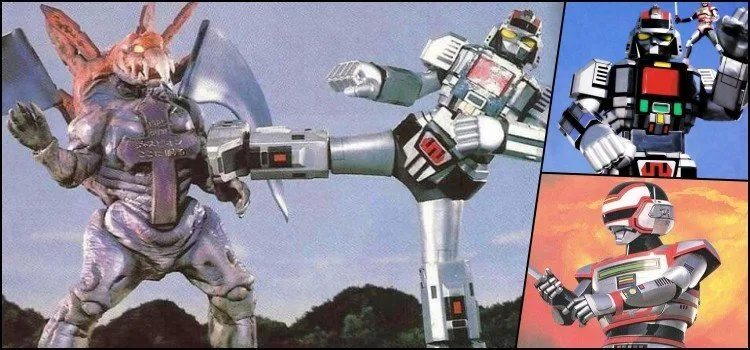
Otaku can also be used as a suffix for people who enjoy a particular hobby, for example Tetsudou-otaku [鉄道オタク], which means something like railway fan, or Mecha-otaku [メカオタク], which means a fan of giant robots.
The Origin of the Word Otaku
In the 1970s and early 1980s, anime and science-fiction fans often addressed each other with the polite otaku, including at events like Comic Market. In 1983, columnist Akio Nakamori turned that habit into a mocking label in his series "Otaku no Kenkyū" in the magazine Manga Burikko, aimed at fans who looked socially awkward and obsessive.
Over time, this word began to be used to refer to people with obsessions for something. Not only anime and manga, but anything: cars, soccer, games, computers, and so on.
Suppose someone likes soccer, has team jerseys, idolizes the team, is present at all games, puts soccer first in life. They can be called an otaku.
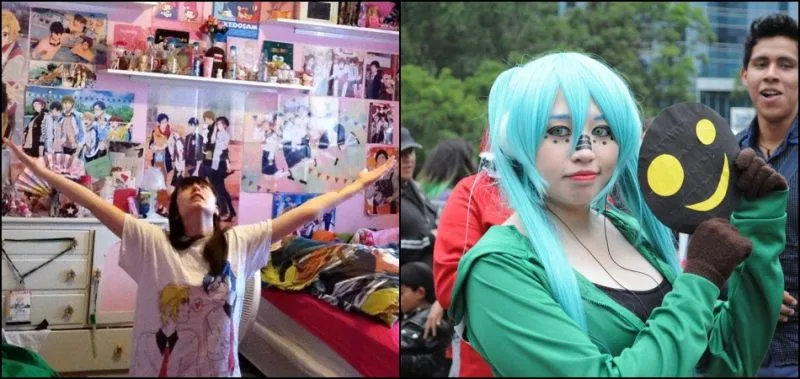
In Japan, you can find thousands of people who are considered otaku because they take anime and games seriously: they cosplay, spend money on products, and live a normal and fun life doing what they love.
Why Are Otakus Excluded from Society?
In 1989, Tsutomu Miyazaki was arrested and later nicknamed the "Otaku Murderer." Between 1988 and 1989 he killed four girls, aged four to seven, in Saitama Prefecture and Tokyo. Investigators found thousands of videotapes in his room, including anime, hentai, and horror films. The media tied the case to the word otaku and painted the picture of a dangerous shut-in.
The negative campaign was done in grand style. To this day, people judge otakus because of the media's influence in that incident. Of course, that incident is only one reason some otakus are despised both in Japan and in the West.
Some media blame otakus for Japan's declining birthrate. Japanese TV often claims that otakus do not want real relationships and are quite antisocial or Hikikomori. Otaku describes an intense hobby. Hikikomori describes a long stretch of social withdrawal.
Another criticism against otakus is the enormous consumption of erotic content in comics, games, and animations, where tentacles, loli, and others can be found. Yes, I have found several articles on Brazilian sites that talk about this subject. Japan is one of the countries that produces and consumes the most material of this type, and a large share of it is animation.
People in the West also tend to blame anime and games for various problems in Japan and in the Otaku community in the West. The trouble rarely sits in the works themselves. It shows up when a hobby crowds out the rest of a life.
A person can get hooked on movies, series, and books the same way. Otaku is even used to refer to any type of person hooked on something like cars, toys, trains, computers, and so on.
Why Is This Thinking Wrong?
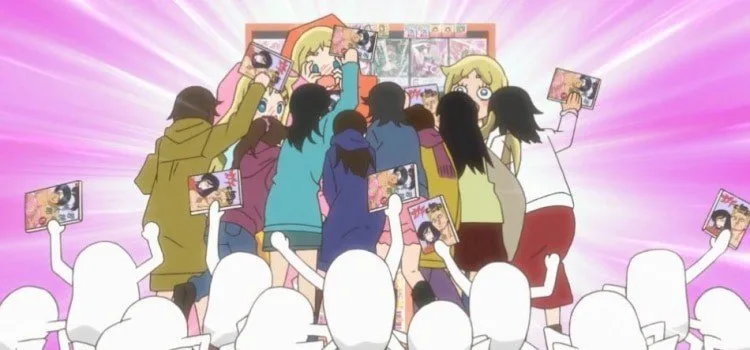
Many otakus are sociable. They keep relationships, live a normal life, work, and have other dreams. Going deep into a hobby does not have to be a problem.
In Brazil, many people get hooked on something; some live in the gym, others live drinking, many choose different priorities in their lives and have fun with what they like. The fact that a person likes something does not determine their behavior.
Japanese culture pressures society to follow rules strictly. Some people end up becoming otakus and also hikikomori or NEETs: isolated young people living trapped inside their homes. That is a different story from a fan who goes to Comiket and then goes back to work.
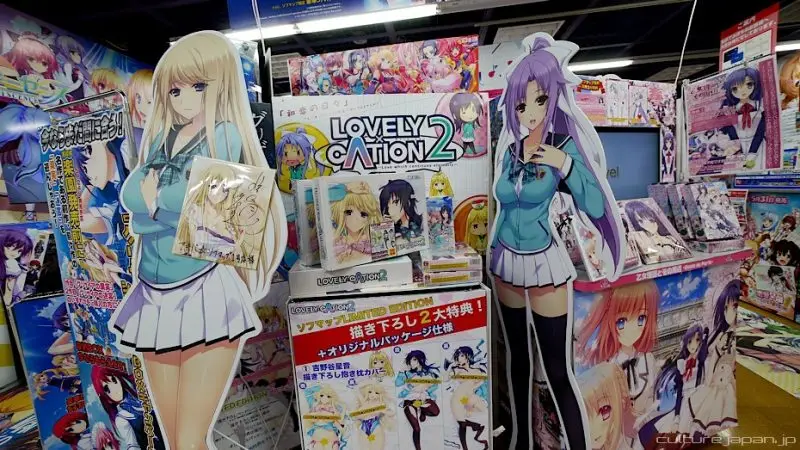
Otaku in the West
In the West, the word does not have the same connotation as in Japan. Here, it is usually used only to identify people who like anime. Otaku in Brazil also tend to use the expression Otome to refer to women who are anime fans. Otaku is unisex.
The number of otakus outside Japan is increasing significantly. Many people in the West are neither prepared nor accustomed to these types of people who call themselves otaku; they do not understand the reason for dressing up and liking this type of animation. Something understandable, since even today comic book fans are labeled as nerds and criticized for dressing up.

Otaku are criticized in the West because of the prejudice that animations are for children or are childish. They do not know the depth of a story written by Japanese people and do not realize that animation is just a style of art, just like manga.
Others think that animes are crazy, full of powers, witchcraft, porn, clichés, and so on. They forget that there are genres and that animes are created based on Japanese culture, made for Japanese people who think and lead a lifestyle different from Westerners. Otaku in the West also tend to admire and like Japanese culture.
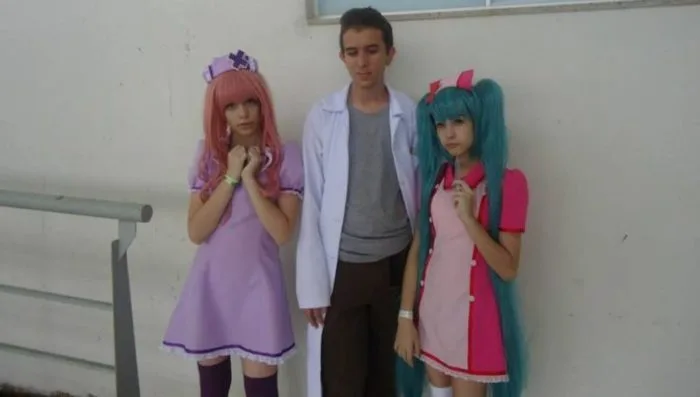
What Does It Involve to Be an Otaku?
For a person to become an Otaku, it is enough to go after something so hard that it becomes a priority in life. Of course, both in the West and in Japan, the term Otaku began to be used for people who have similar tastes. Many people who call themselves otaku will like several things from the list below:
- Animes - Japanese animations;
- Mangas - Japanese comics;
- Light Novels - illustrated Japanese novels;
- Visual Novels - story-driven games with text and choices;
- RPGs - Role-playing games;
- Cosplay - Character costumes;
- Japanese music - Mainly from anime;
- OST - Background music from anime;
- Action Figures - Action figures of characters;
- Games - All kinds of games in general;
- Japan - Foreign otaku appreciate Japanese culture;
- Series - Otaku also watch series;
- Computers - Most live on computers;
- Maid Café - Maid cafes;
- Cosplay Café - Themed cafes;
- Moe - Cute things, cuteness from anime and characters;
- Cute things - Stuffed animals, hats, character toys;
- Eroge - erotic games and visual novels;
- Hentai/Yaoi/Yuri (erotic animations);
- Doramas - Japanese dramas and series;
- Dakimakura - Body pillows with prints;
- Itasha - Cars with prints;
- Cards - Collect anime cards;
- Nico Nico - The YouTube for otaku;
- Akihabara - The center of otaku in Japan;
- Waifu - Most otakus have a waifu;
This list even shows some things considered questionable. The point we want to make is that watching anime does not make you an otaku. There are extreme otakus, and they have problems, but it is a subject that should be understood and respected.
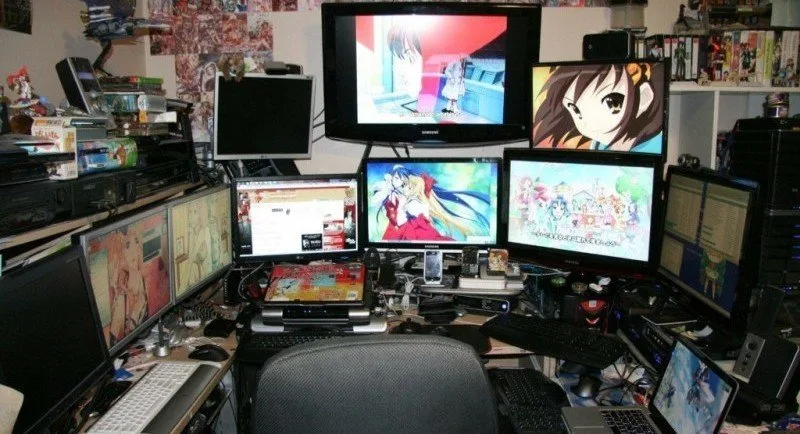
Getting to Know Otaku Life
I recommend some animations and mangas that portray the life of an otaku or something related; I will leave a list here:
- Ore no Imōto ga Konna ni Kawaii Wake ga Nai
- Shirobako
- Renai Shimasen ka? (Manga)
- Genshiken
- Seitokai no Ichizon
- Steins;Gate
- Danna ga Nani wo Itteiru ka Wakaranai Ken
- Suzumiya Haruhi no Yuutsu
By watching the animes or mangas mentioned above, you can understand a little more about the life of an otaku and how interesting it can be. Of course, there are people who lose control of a hobby. Be careful not to become one of them.
What Do I Think About Otakus?
We come to the conclusion that otaku cannot be called lazy, antisocial, or a virgin for spending time buying products, cosplaying, and watching anime. Many people do this and have their jobs, responsibilities, and social lives.
There are extremely intense otakus, but we cannot base our criticisms solely on them. Otaku is a word that refers to people who really like something. Everyone has a passion; this is normal, as long as they have control, something that Japanese people do not always have.
Personal Opinion: Well, I'm Kevin, and in a way, I don't consider myself an otaku. I like anime, have figures, manga, and go to events. I have stayed in Akihabara and have been to a Maid Café.
I appreciate some Japanese otakus, but I also question most of them; I think they go overboard. However, if I had money, my room would be full of figures, posters, video games, etc. That doesn't mean I will stop having a social life.
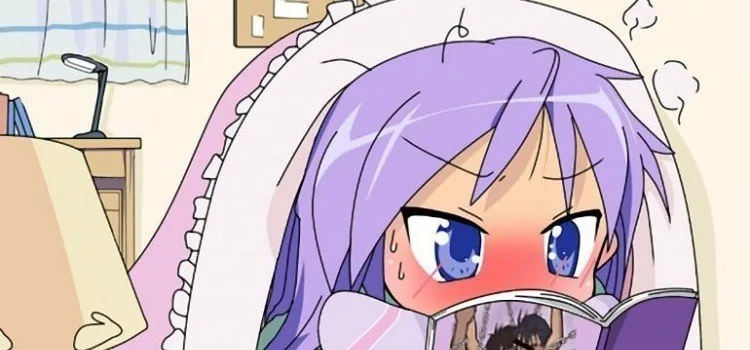
Otome - The Feminine of Otaku?
Many Otaku mistakenly associate the term Otome as a feminine version of otaku. In Japan, the word Otome [乙女] actually means "maiden," in the context of a young or unmarried girl, nothing related to the word otaku.
Some Western Otakus claim that this term originated from a street called "Otome Road" in Tokyo, where there were several stores selling products aimed at female fans. Otome Road is in Ikebukuro, west of Sunshine City, and the name appeared in 2004 in the magazine Puff.
Although Otome refers to girl anime fans in the West, in Japan the word Otaku is unisex. To understand more, read our article Otome and how the term originated.

If you want to understand otaku, you need both pieces: the polite お宅 and the history that turned it into a label in 1983 and 1989. In the West you can use the word loosely for anime fans. In Japan it often says more about intensity than about genre, and it can still sting when someone else calls you that.





Community
Comments
0 comments
There are no published comments in this language yet.
Send comment