
Tenugui 「手拭い」is a type of thin and lightweight cloth used in Japan. It is made of cotton and is usually about 35 centimeters wide by 90 centimeters long.
The tenugui is used in various ways in Japan, including as a cleaning cloth, a handkerchief, a head cloth, a kitchen cloth, or even as a decorative item.
Tenugui are often printed with traditional Japanese designs, such as cherry blossoms, samurai, or some type of traditional pattern and symbols.
The word "tenugui" comes from the Japanese words "te" (手, "hand") and "nugu" (拭く, "to wipe, to dry"). They are simple cloths used for hand cleaning and others, but they have their characteristics.
We also recommend reading:
- Furoshiki – The charming Japanese wrapping cloth
- Meaning of gifts in Japan – What can and cannot be?
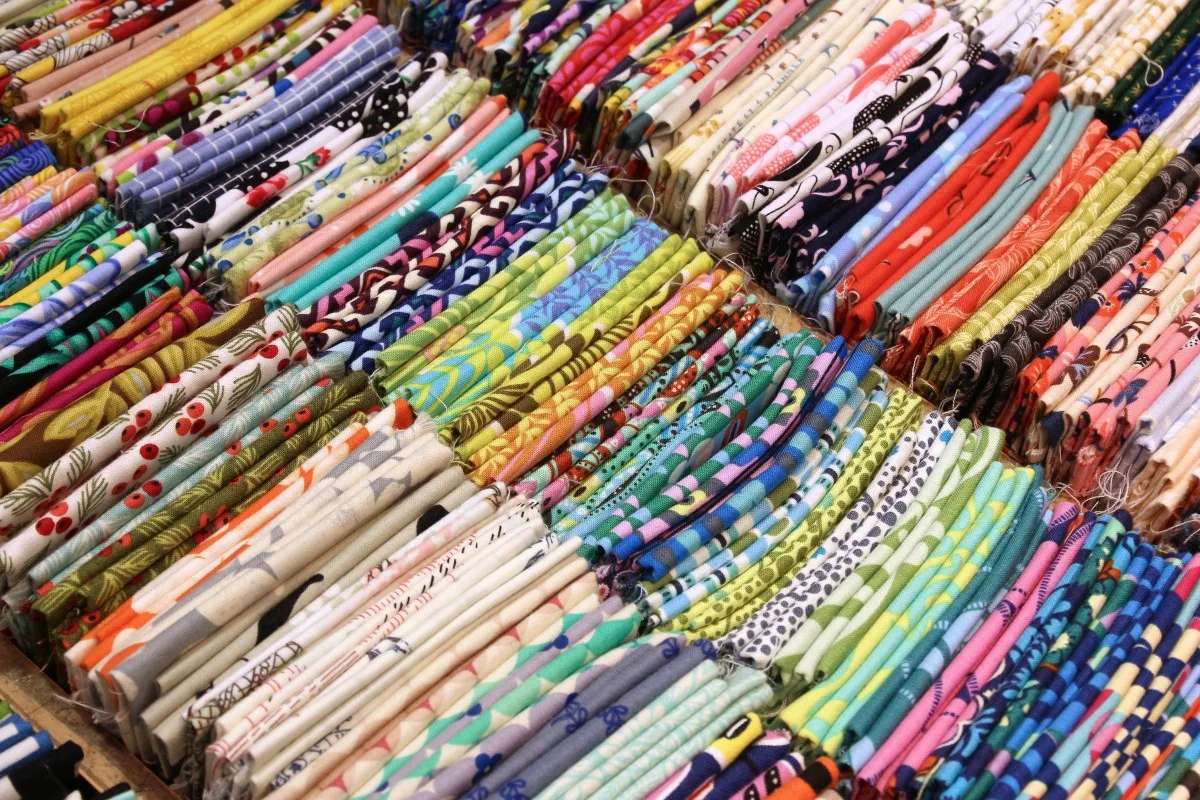
Origin and History of Tenugui
The tenugui has a long history in Japan and is a traditionally Japanese item that dates back to the Edo period (1603-1868). According to legend, the tenugui was created during the Edo period as a cheaper and more practical alternative to the traditional head cloth, the hachimaki.
Farmers sometimes needed a piece of cloth that could be easily torn during an emergency or to repair straw footwear. Thus, the tenugui was created.
The tenugui was originally used mainly as a cleaning cloth or as a handkerchief, but over time, it became popular as a form of artistic and cultural expression.
During the Edo period, tenugui were often used as a form of advertising to promote products or events, and they were distributed at festivals or sold in stores.
The tenugui produced during the Nara period was decorated with images and Shinto and Buddhist deities. As we move into the Heian period, textiles became a precious commodity that only the upper class could possess.
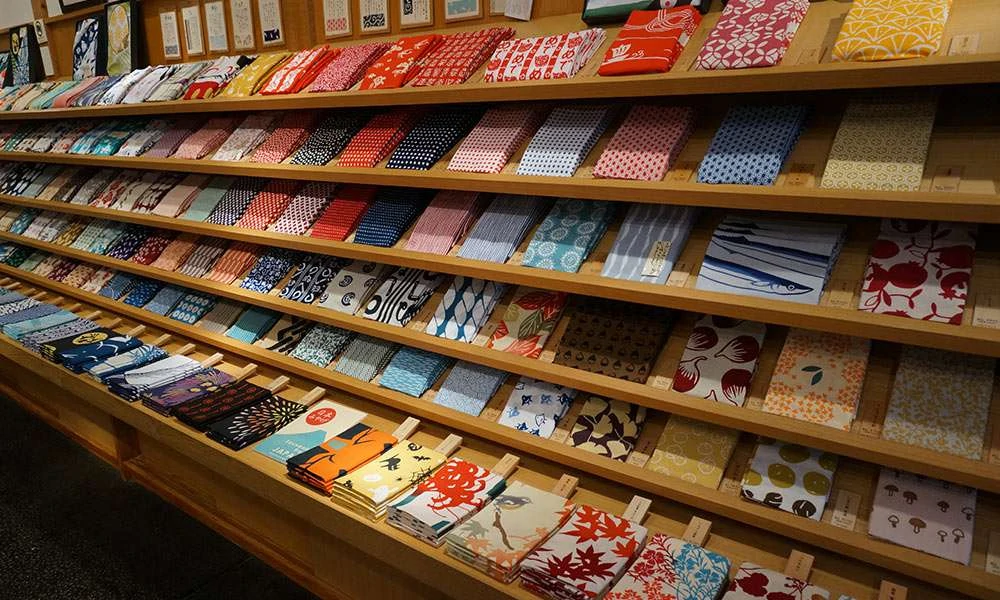
What are Tenugui Handkerchiefs Like?
Besides being functional, the tenugui is also considered a form of art in Japan. Many people collect tenugui with different designs and display them as a form of art in their homes.
It is produced by skilled artisans who use traditional oil printing techniques to create precise and detailed designs.
It differs from other types of towels in that it does not have hems. Tenugui are usually about 35 cm x 90 cm in size. The fabric is generally a plain weave, and the edges are often fringed.
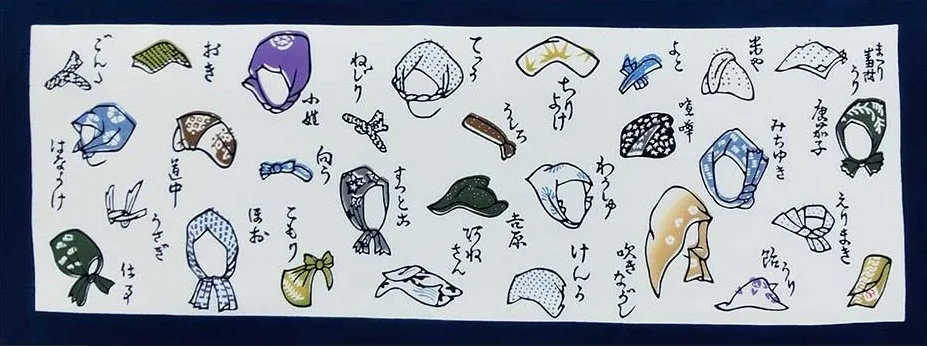
Tenugui are generally white, but can also be found in other colors. They are often given as gifts and are frequently used as wrapping cloths for gifts.
Tenugui are also commonly used in the martial arts of Kendo and Aikido, as they are considered good for absorbing sweat and protecting the head. If you are in Japan, be sure to grab a tenugui!


Community
Comments
0 comments
There are no published comments in this language yet.
Send comment