Blog

  • Japanese Women – Respected or Undervalued?

    Japanese Women – Respected or Undervalued?

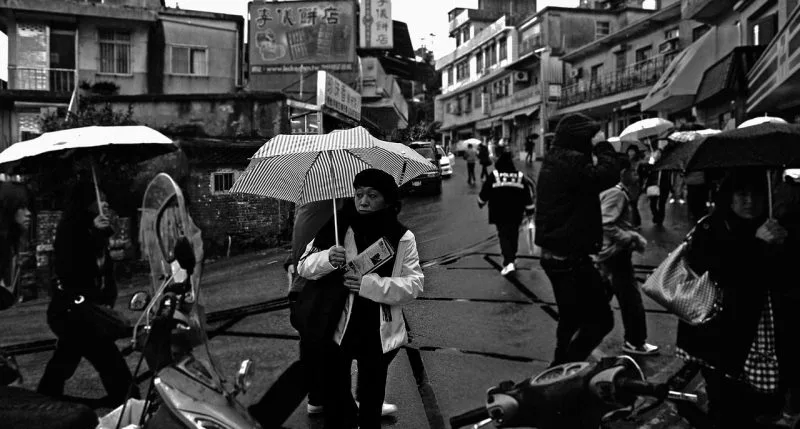
    It is undeniable that Japan is a strict, collective, and perfectionist country that presents both good and bad examples to the world. In the midst of all this, women earn less than men, which generates controversy worldwide and on social media. So are women undervalued in Japan?

    Another issue that may undermine women in Japan is the high exposure of sexual content in the media. Are Japanese women really safe in Japan? Are they victims? Are they treated as they deserve? We will discuss various topics in this article.

    Unfortunately, Japan ranks above 100 out of 144 countries in terms of gender equality (Brazil is close to 100). No developed country in the world reaches such a low level as Japan, although South Korea is in the worst position.

    Many Asian countries are in the worst positions regarding gender equality. It is clear that this ranking does not only examine salaries or opportunities, but various factors that make us think. However, we should not consider this ranking as something absolute!

    Japanese Women - Respected or Undervalued?

    Is the Salary of Japanese Women Really Lower?

    The simplest and shortest answer is yes! Women tend to earn up to 27% less than men. However, some research claims that the pay gap is not solely based on gender, but on various other factors that we will examine.

    A certain researcher said that sexism is the least of Japan’s problems; the Japanese consider hierarchy to be much more important. This hierarchy creates a large wall between women, making it difficult for them to grow in the job market.

    The same researcher states that despite the glaring salary differences between men and women, Japan, paradoxically, is a country with more salary equality than the USA. This happens because everyone in the same hierarchy receives the same salary.

    Japanese Women - Respected or Undervalued?

    From childhood, the Japanese are taught about equality among positions, performing the same tasks and receiving the same rewards, but there will always be those at a higher level with greater prominence and greater rewards.

    In the USA, we hear rumors of women in the same positions earning less than men. In Japan, this would be considered a great insult, a scandal, or something illegal. Unfortunately, this must happen secretly, especially among foreigners and factories. I have no doubt that authorities turn a blind eye to certain cases.

    The excuse for these occurrences is that women’s work is lighter, has shorter hours, or requires less effort. Perhaps a company invents this excuse in the contract to pay a lower salary, but in practice, women end up doing work at the same level as men.

    In short, in Japan, there is a gender inequality that is muffled with flimsy excuses that women’s work is different from men’s.

    Japanese Women - Respected or Undervalued?

    The Mindset that Women are Housewives

    Although many women in Japan work, what hinders promotion and high positions is the possibility of a woman having a child and quitting her job. This causes men to dominate the hierarchical system in large numbers.

    It may seem silly, but culturally, the Japanese do not usually hire maids to take care of their homes, the woman takes on the full role of housewife, with the help of her husband (if she has one). Perhaps this is a reason why women hold positions with lower salaries.

    Companies also offer jobs already specifying which gender they wish to hire. It may seem absurd, but they have no shame in specifying roles for a particular gender along with the salary in job advertisements. Especially in contracting companies!

    Japanese Women - Respected or Undervalued?

    Of course, there are those women who stand out in the office, manage to develop a good career and hold high positions. Most of the time, it is a single woman who has enormous authority in the workplace.

    Contrary to what many imagine, Japanese women are not docile and fragile. In many ways, they are strong, persistent, and more influential. Most women are educated, and about 77% of part-time jobs are held by women.

    Harassment and Sexual Abuse of Women in Japan

    Statistically speaking, Japan is among the safest countries for women. The chances of a woman being sexually abused are 27 times greater in the USA or 100 times greater in Brazil.

    Japanese Women - Respected or Undervalued?

    We should not trust statistics because most cases are not reported to the police. Especially in Japan, where reputation is important, many women end up hiding this fact.

    Many cases of groping occur in Japan, in schools, workplaces, trains, and on the street. It is not uncommon for strange men to invite random women to go to a hotel offering a lot of money. Many bizarre cases involving perverts happen in Japan, but most of the time nothing worse occurs.

    Generally, the Japanese are extremely pacifist and do not like any type of conflict, which makes it easier for predators. There is no need to be afraid, as for every bad man, there are thousands of decent men. Japanese women are aware of this and have developed their own techniques to ward off perverts.

    The Japanese are aware of these problems, especially those that occur on trains. You may even find posters warning women about these perverts who grope, strongly encouraging them to shout Chikan if this happens. Fortunately, there are women-only cars.

    Japanese Women - Respected or Undervalued?

    Women in Japan Have Earned Their Place

    Throughout history, Japanese women have been treated in different ways. Like in any war-torn country, women were abused and treated as objects. Unfortunately, Japan spent much of its history in constant wars, which caused women to suffer throughout history, making them stronger.

    The participation of women in Japanese society has varied greatly over time and depended heavily on hierarchy and social class. Prostitution was a common business, and over time, women gained prominence by creating art instead of selling themselves, becoming geishas.

    During the Heian period, women became emperors, could own property, and receive an education. Still, arranged marriages without mutual love were common. Things only got better for women after World War II.

    Japanese Women - Respected or Undervalued?

    Some women stood out, such as the famous author Ichiyo Higuchi, whose face appeared on the 5000 yen note. Asako Hirooka was a businesswoman, banker, and even founded a college.

    Over time, Japanese women gained fame worldwide for adhering to standards of modesty, neatness, courtesy, conformity, and self-confidence.

    There are many other points to highlight about women in Japan. They play an important role in Japanese history and society. Although Japan has undervalued women in the past, today they hold the power in their hands.

    Japanese Women - Respected or Undervalued?

    Unfortunately, gender inequality occurs all over the world, just like racial problems and those of different social classes. Japanese women rise above and fight for their goals instead of lamenting their situations.

    Complaining is not part of Japanese culture, one of the main reasons for success is to act instead of complain. What do you think about this issue? Complement the article with your comments and share it with friends.

  • Ougi, sensu and uchiwa – The Japanese Fans

    Ougi, sensu and uchiwa – The Japanese Fans

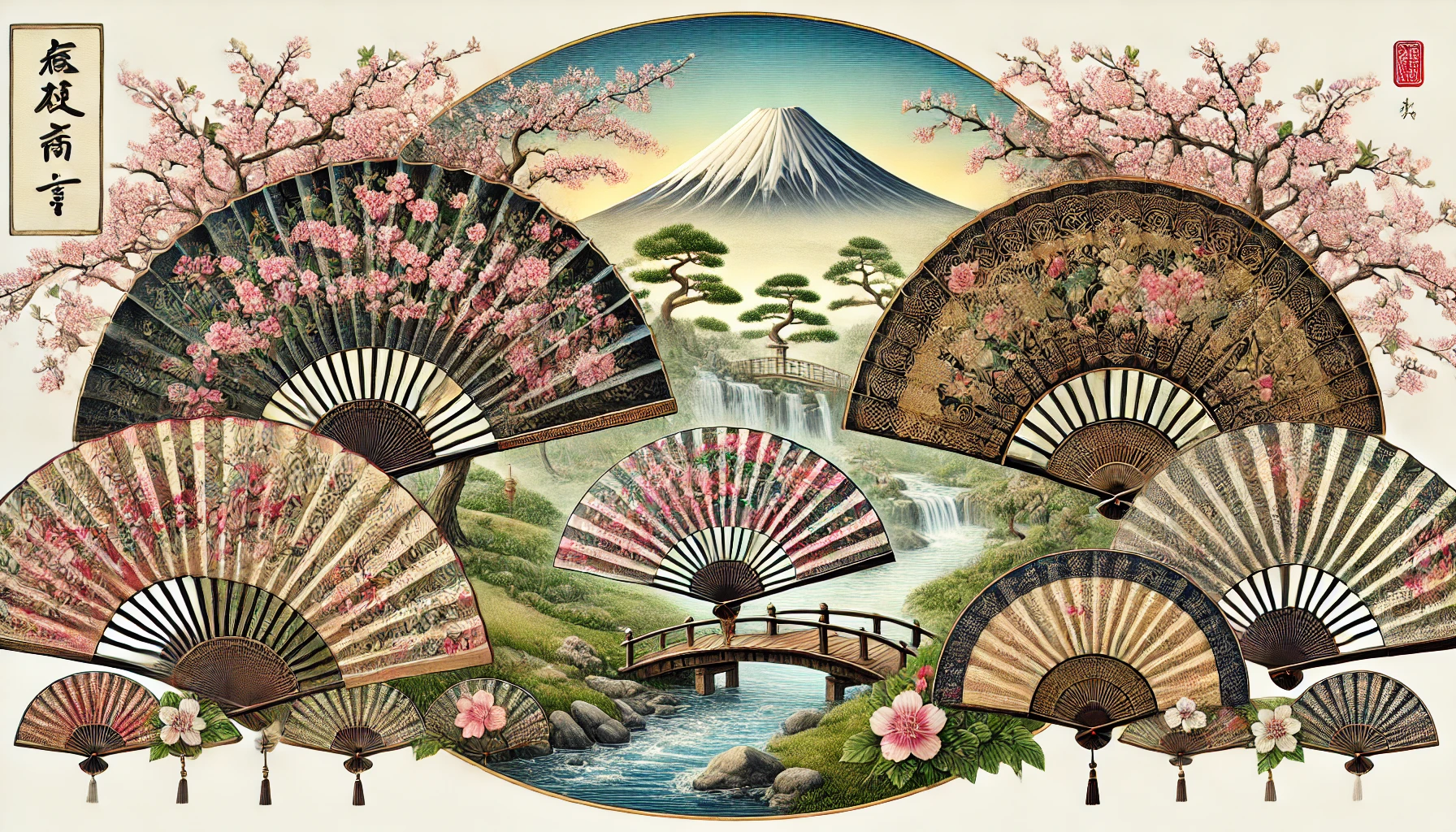
    Japanese fans are cultural symbols rich in history and meaning, playing essential roles in ceremonies, dances, and daily life in Japan. There are various types of fans, each with unique characteristics that reflect the diversity and depth of Japanese culture. In this article, we will look at some Japanese fans such as Uchiwa, Ougi, and Sensu.

    Ougi, sensu e Uchiwa - Japanese Fans

    The history of Japanese fans

    Fans were introduced to Japan over a thousand years ago, between the 6th and 9th centuries, inspired by Chinese prototypes. However, it was in Japan that these items gained unique forms, such as the folding fans (sensu or ougi), which did not exist in other cultures.

    The evolution of fans throughout historical periods

    • Heian Period (794–1185): It was during this time that folding fans became popular among the aristocracy. Used as a status symbol, fans were often decorated with elaborate patterns that reflected high society. The Hiogi, made from thin strips of cypress, was exclusive to the imperial court.
    • Kamakura Period (1185–1333): Fans began to have practical applications beyond their beauty. Fans such as the Gunsen emerged, used by samurai for communication in battles.
    • Edo Period (1603–1868): The artisanal production of fans reached its peak. With advanced techniques, Japan surpassed China in the production and export of fans. They became popular not only in Japan but also in Europe.

    Historical curiosities

    Fans were often exchanged as gifts between countries. For example, in 1543, when the first Portuguese arrived in Japan, they brought folding fans, which became popular in Europe. These Japanese fans inspired Western variations but always maintained their cultural roots in the East.

    Ougi or Sensu (扇)

    The Ougi, also called Sensu, is the most well-known traditional folding fan. Made of wooden or bamboo slats joined by washi paper or silk, it is lightweight and portable.

    Uses and symbolism

    Widely used in traditional dances, such as kabuki and noh, the ougi is also a symbol of prosperity and growth. The movement of opening and closing the fan is associated with the expansion of wealth.

    Common designs

    Common motifs include cherry blossoms, mountains, carp, and dragons. Some feature calligraphed messages or elaborate paintings.

    Sizes and variations

    Smaller sensu (20 cm) are popular among women, while larger ones (23 cm or more) are preferred by men.

    Ougi, sensu e Uchiwa - Japanese Fans

    Uchiwa (団扇)

    The Uchiwa is a rigid, non-foldable fan, with a flat, circular structure. Its manufacturing includes bamboo strips covered with decorative paper or fabric.

    Practical function

    Widely used in summer, the uchiwa is a popular item at festivals and seasonal events. Companies often distribute them for free with advertisements, increasing their accessibility.

    Appearance

    Typically, it has a simple design, but there are sophisticated versions that are decorated with gold paint or traditional images.

    Culturally significant

    Despite its practicality, the uchiwa also has a symbolic role. It is widely associated with Japanese hospitality, being used to gift tourists at festivals.

    Ougi, sensu e Uchiwa - Japanese Fans

    Gunsen (軍扇)

    The Gunsen is a military fan created to serve as a communication tool on the battlefield. Made from durable materials like metal and wood, it combines utility and symbolism.

    Historical use of the Gunsen

    Generals used the gunsen to signal orders during battles. Additionally, it could serve as an improvised weapon.

    Design of the Gunsen

    Many gunsen feature gold and silver patterns, reinforcing the authority and importance of the bearer.

    Ougi, sensu e Uchiwa - Japanese Fans

    Hiogi (檜扇)

    The Hiogi is a fan exclusive to Japanese royalty and nobility. Made from cypress strips, it is decorated with delicate paintings and often complemented with silk and gold details.

    Ceremonial uses of the Hiogi

    The hiogi is used in formal events, such as weddings and imperial ceremonies, symbolizing purity and high status.

    Art and meaning of the Hiogi

    Its complex construction and refined aesthetics make it a true work of art, preserving the traditions of the Heian era.

    Ougi, sensu e Uchiwa - Japanese Fans

    Symbolism and traditions associated with fans

    Japanese fans are rich in symbolism, often conveying messages of good luck, longevity, and prosperity. These meanings can vary according to:

    • Designs:
      • Plum blossoms: new beginning.
      • Cherry blossoms: love for the country and fortune.
      • Carp: luck and perseverance.
      • Dragons and lions: strength and protection.
    • Colors:
      • Red and white: happiness and celebration.
      • Gold: wealth and prosperity.

    Fans as gifts

    Giving a fan as a gift is considered a gesture of goodwill and a wish for success. It is common to offer them at weddings and birthdays, symbolizing protection and good wishes.

    Ougi, sensu e Uchiwa - Japanese Fans

    Conclusion

    Japanese fans are more than functional objects; they represent the soul of a rich and diverse culture. Each type of fan – from the practical uchiwa to the sophisticated hiogi – carries stories and symbolisms that transcend generations. Whether for decoration, gifting, or everyday use, these fans continue to enchant people around the world, keeping the essence of Japan alive.


  • Ganbatte – Understand the true Meaning

    Ganbatte – Understand the true Meaning

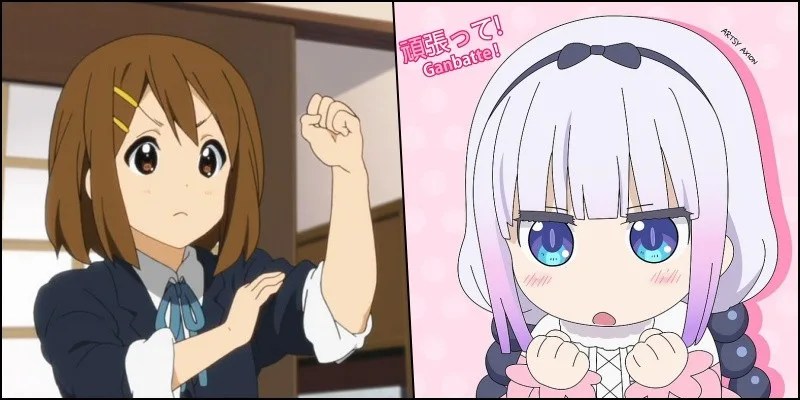
    Ganbatte (頑張って) is a very popular word in the Japanese language. It is used in different ways by Japanese people to encourage others to put in effort in something.

    What is the literal translation of this expression? What is its true meaning? Does Ganbatte mean Good luck? What are the variations of Ganbatte? In this article, we will study the word ganbatte in depth.

    What does Ganbatte mean?

    As mentioned in the introduction of this article, the expression Ganbatte aims to encourage a person to put in effort in something, equivalent to saying good luck in Portuguese.

    Simplifying, the word ganbatte can literally mean the following expressions below:

    • Do your best!
    • Go ahead!
    • Stay focused!
    • Hang in there!
    • Keep it up!
    • Be tough!
    • Strength!
    • Fight!
    • Don’t give up!

    This word is used to encourage people to put in effort in whatever they are doing, whether in school, work, goals, loss, illness, sports, and other things. In other words, by saying ganbatte, you will encourage or motivate someone.

    The word ganbatte (頑張って) is actually a conjugation of the verb ganbaru (頑張る) and is also commonly written to mean persevere, persist, insist, and remain. Often, the expression can be formal when accompanied by kudasai.

    What is the true meaning of Ganbatte?

    The origin of the word Ganbatte in the Japanese language

    The word is written with the ideograms of [頑] stubborn, foolish, firm, and means to stretch, spread, place. However, the true origin of the ideogram [張] in the word ganbatte comes from the verb to fix, to stick, to stretch, to place oneself, to cover, to fill, to strike, and to form.

    You might be wondering where all these words came from? The Japanese language is often quite defined by the context of the conversation, one of the reasons these words and ideograms have so many translations.

    Other verbs that use the ideogram [張] include haridasu (張り出す) which literally means to hang, to highlight, to stand out, and to overlap. Words like leader, originator, tension, resistance, rivalry, and scheme use the ideogram (張).

    These words mentioned represent well the sense of the word ganbatte, strongly indicating its use to encourage people to win and face their goals. It is believed that this expression ganbatte has been used since the Edo period, originating from the expression to look forward, to move forward.

    What is the true meaning of Ganbatte?

    The different variations of ganbatte

    Below we will see different conjugations of the verb ganbaru or ganbare:

    • 頑張れ = Ganbare: Do your best!
    • 頑張った = Ganbatta: I did my best;
    • 頑張ります = Ganbarimasu: I will do my best;
    • 頑張れる = Ganbareru: I can do my best;
    • 頑張りたい = Ganbaritai: I want to do my best;
    • 頑張れます = Ganbaremasu: I can do my best;
    • 頑張ってくれ = Ganbattekure: Do your best for me;
    • 頑張らなかった = Ganbaranakatta: I did not do my best;
    • 頑張りなさい = Ganbarinasai: you better do your best;
    • 頑張っていた = Ganbatteita: I was doing my best;
    • 頑張りました = Ganbarimashita: I did my best (formal);
    • 頑張っています = Ganbatteimasu: I am doing my best;
    • 頑張りましょう= Ganbarimashou: Let’s do our best (together);
    • 頑張ってください = Ganbatte Kudasai: Please, do your best! (formal)

    Other verbs and words derived from ganbaru or that convey the same idea:

    • ファイト! = Faito – From English fight, becoming increasingly popular;
    • 頑張り = Ganbari – tenacity, resilience;
    • 踏ん張って = Funbatte – This expression means hang in there;
    • けっぱれ = Keppare – Ganbatte in the Hokkaido dialect;
    • きばれ = Kibare – Ganbatte in the Kagoshima dialect;
    • ちばりよー = Chibariyo – Ganbatte in the Okinawa dialect;
    • おきばりやす = Okibariyasu – Ganbare in the Kyoto dialect;
    • 無理はしないで = Muri wa shinaide – Don’t overdo it;
    What is the true meaning of Ganbatte?

    Does Ganbatte also mean good luck?

    In Brazil and several other countries, we often use the expression “good luck” when someone is going to make an effort or face something, quite similar to the meaning of ganbatte or ganbare. Both are expressions of encouragement, but the verb ganbaru has absolutely nothing to do with luck.

    Unfortunately, some translate this expression as good luck, whether in anime or Japanese books. Although the Japanese believe in superstitions and luck or misfortune, there is no equivalent word for good luck, and if you try to say this literally, the Japanese will not understand.

    This is because the Japanese believe in their own ability to face challenges and difficulties. They will not blame luck or misfortune; the most they will blame is themselves for failing and not putting in enough effort.

    Good luck is something quite vague, whereas saying do your best (ganbare) is much more realistic. If you want to know how to say literally good luck, the expression is more like kouun wo inoru (幸運を祈る) which literally means I pray for your good luck.

    What is the true meaning of Ganbatte?

    When to use the expression ganbatte?

    This word can be used to say that someone put in effort or worked hard at their new job, sport, or school. Similarly, it can be used to encourage someone to put in effort and work hard towards future goals.

    Using this expression also conveys the idea that you hope that person achieves their goals. To conclude the article, let’s leave some example sentences that can give an idea of how this expression is used in the Japanese language:

    • お祭りの間 頑張ってくれましたね。
    • o matsuri no aida ganbattekuremashitane;
    • I really appreciate your efforts during our festival;

    • 彼女は今が秋頑張って勉強している。
    • Kanojo wa ima ga aki ganbatte benkyō shite iru;
    • She is working (studying) hard this autumn;

    • 焦らずに頑張ってね。
    • aserazuni ganbattene;
    • Stay calm and do your best;
  • Anime characters running with a bread in their mouth

    Anime characters running with a bread in their mouth

    Have you ever seen an anime character running with a toast or bread in their mouth? Do you know how this meme originated? What was the first anime where this happened? In this article, we will investigate the origin of the famous bread in the mouth! Damn! I’m late for school.

    A common anime episode opening consists of a character being late for school. They run out of the house with a slice of toast in their mouth, while trying to put on their jacket and bumping into people (usually the senpai) and getting their clothes dirty with jelly.

    This cliché is quite popular in romantic comedy anime, breaking the perfect character mold, giving a sense of awkwardness. In Japan, as in many countries, there is a stigma against eating in public.

    Anime characters running with bread in their mouth

    How did this toast-in-mouth cliché originate?

    The first work where this scene appeared was a Shoujo from the 70s, and soon this scene became quite popular across all genres, until it became such a cliché that nowadays it is used only for comic relief or teasing.

    Some claim that it all started in a manga called Tsuraize! Boku Chan written by Takahashi Ryouko in 1975. However, at that time, bread was not even popular in Japan; someone claimed to have searched for the manga in the Kyoto museum and did not find a bread in the mouth.

    Another person claims it originated in a manga written by Motomura Miyoko about Patty’s first love from 1968. In this scene, she does not literally run with a toast but rather with a roll of bread in her mouth.

    Some believe that this cliché originated from American soap operas in the 1950s where this same scene occurred.

    The name of the first anime is also unknown; some say it is Project A-ko from 1986, while others say it is the first episode of Mobile Suit Gundam where Amuro Ray is chewing a sandwich.

    Anime characters running with bread in their mouth

    The origin of a meme: Damn! I’m late for school

    Because of this famous toast-in-mouth cliché, some Japanese people and other internet jokers started recording and taking pictures of exaggerated scenes and runs while carrying objects in their mouths.

    It all started in 2011 when a thread was created in an anime forum named Fuck Yeah Animu Toast with the intent of sharing fan art of anime characters with toast in their mouths running to school.

    During this period, photos began to emerge of people carrying objects in their mouths on the famous site Tumblr. Soon this spread in such a way that it became the famous meme Damn! I’m late for school.

    Anime characters running with bread in their mouth

    Animes where characters run with toast in their mouth

    The list of animes where characters run with bread in their mouths is extensive; let’s try to list some below:

    • Seitokai Yakuindomo;
    • Cardcaptor Sakura;
    • Pokemon;
    • Evangelion;
    • Hajiotsu; Shoujo Mangaka;
    • Black Butler; Code Geass;
    • Nisekoi; Maid-Sama;

    To conclude, let’s leave some images; see if you recognize them:

    I hope you enjoyed the article! We appreciate the comments and shares! We recommend reading the following articles with a bread in your mouth:

    Sources of inspiration: tvtropesknowyourmeme

  • Animes that failed in the ratings

    Animes that failed in the ratings

    The anime and manga industry is something unpredictable. No matter how well an anime is received by media critics, it doesn’t mean it won’t be a failure in terms of viewership. Check out the following animes that were critically acclaimed but went unnoticed by the otakus.

    1. Shin Sekai Yori

    Animes that failed in viewership

    Shin Sekai Yori is hailed as a modern masterpiece. The dystopian tale brings an intriguing mystery and social commentary, but it failed to reach an audience.

    A-1 Pictures chose a hybrid of 2D and cel-shading for the art, which may have scared off fans looking for something beautiful to watch. Others blamed the homosexual theme, which is not something found in mainstream anime.

    Shin Sekai Yori has a cult following in the international community, but even so, few people watched the anime.

    2. Watamote

    Animes that failed in viewership

    Watamote is always a topic of debate. Is it a study on social anxiety and depression? Is it a mocking comedy? Does the series belittle mental illnesses? Is the series very relatable for some fans? Like most controversial works, most critics applaud Watamote for at least sparking a debate about social anxiety.

    In any case, Watamote was a major failure with Japanese fans, but it was a success among American fans. The mangaka even stated that the manga continues due to its popularity outside Japan.

    3. Serial Experiments Lain

    Animes that failed in viewership

    Serial Experiments Lain is in the underground within the international community, but it was a failure in Japan. The tale of a girl being dragged into a world full of conspiracies was, according to producer Yasuki Ueda, created as part of a “cultural war against American culture and the American values we adopted after World War II.”

    Its goal was to criticize American imperialism and its global influence. The irony is that the series is more popular in the United States than in Japan.

    4. Ghost Stories

    Animes that failed in viewership

    An article has already been made specifically about this anime in question (which you can read here). Ghost Stories is an underground anime, even in Brazil, despite having premiered on the Toonami block.

    The anime became popular in the United States due to the American dubbing that satirized the anime and took away the more serious vibe of the Japanese dubbing. However, the anime flopped in Japan as it had no commercial appeal and failed to reach an audience.

    5. Any moe anime these days

    Animes that failed in viewership

    Let’s be honest, the anime and manga market is already SATURATED with moe style animes/mangas. After the success of K-On, what was most commonly seen in trending animes was moe after moe.

    Fortunately, this trend is currently declining, and otakus are somewhat fed up with only finding moe animes/mangas.

  • Aruitemo Aruitemo – Movie Recommendation

    Aruitemo Aruitemo – Movie Recommendation

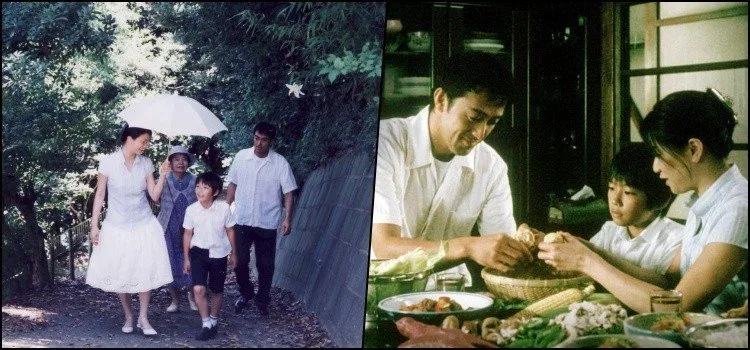
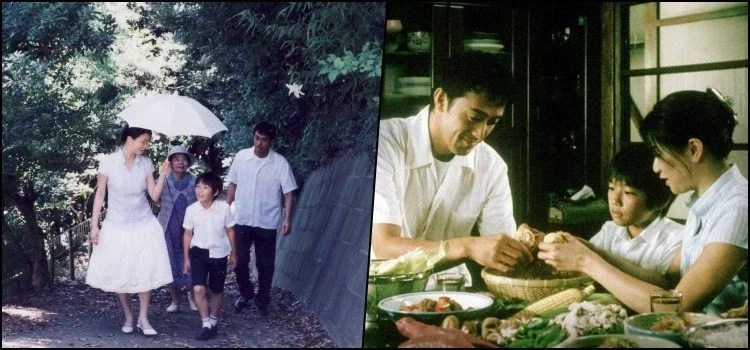
    Imagine being able to spend an entire day with a Japanese family. And even better, they don’t even notice you’re there and act naturally being who they really are.

    Now you can! If you don’t understand what I’m talking about, take a look at the video I prepared for you.

    (I hope you liked the video. Subscribe to the channel because in two weeks I will release the movie to complete this series here on the Suki Desu website. The most emotional movie of all.)
    Synopsis and technical aspects of the movie

    What I learned from the movie Aruitemo Aruitemo?

    Without giving spoilers, I can tell you that this movie taught me a lot about Japanese customs, from respect for the elderly to how to serve beer at a dinner table. It’s all there, it’s not an anime, it’s not fiction. It’s really realistic.

    Aruitemo Aruitemo - Movie Recommendation

    The director of the movie confessed in an interview that he made this film out of remorse for not having spent enough time with his father and mother before they died. You can really feel that in the movie. Sometimes I caught myself thinking: “you will regret saying that…” not because he said something bad, but because those are comments we sometimes make to our parents and regret.

    So, I learned the importance of accepting my parents as they are, enjoying the moments I spend with them, because there will come a time when I will have to “move on” and I don’t want to move on with remorse. But rather with a feeling that I enjoyed every moment as much as I could, even if it was a weekend at a family gathering, with nothing special to tell.

    See you next time, everyone. Tanoshimi shite ne (look forward to it)

    • Lost in Translation – The movie you need to see!
    • Koe no katachi – Movie recommendation
  • Kakeibo – Japanese method of saving money

    Kakeibo – Japanese method of saving money

    Let’s agree that making money is not easy for the vast majority of people. Even more so for us Brazilians who live in a country in crisis. Moreover, it is the country that charges the most taxes in the world. Not to mention the low salaries and high prices of products. So it becomes almost impossible to save a little money at the end of the month. But, that doesn’t mean we should stop trying.

    To manage to reach the end of the month with a positive balance requires a lot of effort and organization. Keeping a strict record of expenses can be useful. Many do not like to note their regular spending. Therefore, there are many apps and products that provide this service. However, the Japanese use a much simpler and more effective method. This Japanese system is called kakeibo, and it is quite popular.

    Kakeibo - Japanese method of saving money

    Kakeibo, the art of saving

    This method was created in 1904 by a journalist, promising to save up to 35% of the salary with simple actions. Basically, kakeibo consists of noting everything so that you can easily see what comes in, what goes out, and how much we want to save.

    The secret of this method is to keep everything noted instead of just keeping it in your head. At the beginning of the month, you write down all your earnings and fixed expenses on paper. By doing this, you know what is left to spend or save. To know how to use the money, it is necessary to divide the expenses into basically four different groups. These groups are survival, optional, culture, and extras.

    The first group listed as survival consists of food, transportation, water, electricity, internet, rent, and children if applicable. The second group is optional, dining out and small discretionary purchases. The cultural group takes into account expenses with books, movies, cinemas, shows, among others. And the fourth and last group is extra, expenses with gifts, general maintenance of furniture and cars, among others.

    Kakeibo - Japanese method of saving money

    Doing this somewhat forces a person to know where the money is going, allowing for changes and adjustments. It also highlights all expenses that can get out of control without being noticed. It is important to keep in mind four questions:

    1. How much money do I have?
    2. How much would I like to save?
    3. How much am I spending?
    4. How can I reduce my expenses?

    It is essential to be as honest as possible with our financial reality. This way we will be able to achieve the Kakeibo goal more quickly.

    Main points and tips for Kakeibo

    Maintain organization, perhaps through notes and a notebook, making it easier to understand. This way, you can focus and analyze your personal savings more easily. Using the four groups mentioned, you can set a fixed amount to spend on optional, cultural, and extra items.

    Kakeibo - Japanese method of saving money

    You also have to keep in mind that what you earn in a month has to last the whole month. One tip is to start saving around 30 to 35% of your salary. Another is that if you forget to note something, if possible, make immediate notes without leaving it for later. This will help your notes to be continuous and organized. If you focus at the beginning of the month on setting realistic goals, it will be a good way to maintain focus and control of the planning.

    A method that can be used is the envelope tactic. In Japan, this method consists of withdrawing cash for the week or the month and placing it in paper envelopes. Defining amounts for each of the 4 areas, and whatever is left should be saved. Each envelope should have the area and the stipulated amount written on it. If the amount for the survival group runs out, money should be taken from the other three groups, not from the saved amount.

    To save and apply kakeibo requires discipline, organization, and effort. But, if you really want to save money, this method is a great help if applied correctly. What do you think of this method? Do you think you could keep track of all your finances? Let us know in the comments what you think and share with friends.

  • Rarely used characters in Japanese

    Rarely used characters in Japanese

    Characters that are rarely seen in Japanese and that, probably, even the Japanese themselves have never heard of or do not know how to read such characters. It is known that the Japanese must know more than 2000 kanjis. However, some of them are very difficult to find. They are so rare that some of them do not even have an exact translation. It is likely that some of these are characters that the Japanese no longer use. So, check out the kanjis rarely seen in the Japanese language:

    1. Character 并

    The meaning of this character would be “consolidation,” who knows in what sense this is used. It has a total of 6 strokes. It is similar to the kanji “井,” which means “well.”

    2. Character 并

    This character is simply a variation of the previous character. This one has 8 strokes.

    3. Character 帕

    The character means “veil” or “mantle.” But, instead of this kanji, the Japanese use “ベール,” which comes from the English “veil.” The character has 8 strokes.

    4. Character 帇

    Apparently, there is no way to find a translation for this character. It is likely to be an obsolete kanji. The character has 6 strokes.

    5. Character 帟

    It means “tent.” But, instead of this kanji, the Japanese use “テント,” which comes from the English “tent.” The character has 9 strokes.

    Rarely used characters in Japanese

    6. Character 弙

    This is also another character for which it is not possible to find an exact translation. The character has 6 strokes.

    7. Character 弩

    The character means “arrow” and has 8 strokes. But, instead of this kanji, the Japanese use “矢” for “arrow.”

    8. Character 冝

    The character means “appropriate” and has 7 strokes. But, instead of this kanji, the Japanese use “適当” for “appropriate.”

    9. Character 冢

    The character means “hill” and has 10 strokes. But, instead of this kanji, the Japanese use “丘” for “hill.” It is similar to the kanji “家,” which means “house.”

    10. Character 龠

    The character means “flute” and has 17 strokes. But, instead of this kanji, the Japanese use “フルート,” which comes from the English “flute.”

  • Donna [どんな] – Asking about the type in Japanese

    Donna [どんな] – Asking about the type in Japanese

    In Japanese, the word どんな (donna) is widely used as an interrogative pronoun to ask what type or kind of something is. Its function in the language is essential for expressing curiosity about the nature, quality, or characteristics of something or someone. Let’s explore in detail how this term is used, its origins, and different contexts.

    Origin and meaning of どんな

    The word どんな is composed of two elements:

    • ど (do): An interrogative prefix used in various words to indicate questions, such as どこ (doko, “where”) and どう (dou, “how”).
    • な (na): A particle often used to connect an interrogative pronoun with nouns or adjectives.

    Together, どんな is used to ask about the nature or category of something. Its common translation in Portuguese would be “what kind of” or “which type of”.

    Example of use in practice:

    どんな本が好きですか?
    (Donna hon ga suki desu ka?)

    Translation: “What kind of books do you like?”

    This pronoun is particularly useful for obtaining more detailed information in a conversation, making it an essential part of the vocabulary for those learning Japanese.

    How to study Japanese alone

    Grammatical use of どんな

    The どんな always accompanies a noun, as its function is to qualify or detail the type of that noun. It is commonly used in questions, but can also appear in affirmative or negative sentences, depending on the context.

    1. Direct questions with どんな

    The most common use is in questions to request information about categories, as in the example above. Here are a few more examples:

    どんな音楽が好きですか?
    (Donna ongaku ga suki desu ka?)

    Translation: “What kind of music do you like?”

    どんな食べ物がありますか?
    (Donna tabemono ga arimasu ka?)

    Translation: “What kind of food is there?”

    2. Affirmative or descriptive responses

    Although primarily used in questions, どんな can also appear in affirmative sentences to describe a situation. Example:

    どんな人でも成功できます。
    (Donna hito demo seikou dekimasu.)

    Translation: “Any kind of person can succeed.”

    3. Negative expressions with どんな

    It can also be used to indicate that no type of something is acceptable or available.
    Example:

    どんな理由でも許されません。
    (Donna riyuu demo yurusa remasen.)

    Translation: “No type of reason will be accepted.”

    Differences between どんな, なに and どう

    Although どんな, なに (nani) and どう (dou) are all interrogative pronouns, each has a specific use.

    Comparison:

    • どんな: Asks “what kind of”. Example: What kind of movie do you like?
    • なに: Asks “what”. Example: What are you going to do?
    • どう: Asks “how”. Example: What do you think?

    Cultural curiosities about どんな

    The use of どんな can be interpreted as polite and open in Japan, especially when it comes to starting conversations. Asking questions with どんな shows genuine interest in the likes and opinions of the other person. For example, when meeting someone for the first time, asking something like どんなスポーツが好きですか? (“What kind of sports do you like?”) is a friendly way to engage.

    Moreover, learning to use this pronoun correctly can help foreigners avoid misunderstandings in everyday situations, such as shopping or restaurants, where it is important to specify preferences.

    Sentences in Japanese with Donna

    面白ければどんな本でも結構です。
    omoshirokereba donna hon demo kekkou desu

    As long as it’s interesting, any book will do

    アメリカでは、どんな仕事をするのですか?
    amerika dewa, donna shigoto o suru no desu ka?

    What is your job in America?

    どんなことがあっても彼女を許せない。
    donna koto ga atte mo kanojo o yurusenai

    I can’t forgive her under any circumstances

    皆さんはどんなプログラミング言語が好きですか?
    minna san wa donna puroguramingu gengo ga suki desu ka?

    What programming language do you all like?

    他にどんな選択肢があるの?
    hoka ni donna sentakushi ga aru no?

    What other options do I have?

    僕の人生がどんなものか、君は分かっているのか?
    boku no jinsei ga donna mono ka, kimi wa wakatte iru no ka?

    Do you have any idea what my life is like?

    例えどんなことがあってもあきらめません。
    tatoe donna koto ga atte mo akiramemasen

    No matter what happens, I will not give up.

    来年どんな事が起こるのかわかるらない。
    rainen donna koto ga okoru noka wakaranai

    There’s no way to know what will happen next year.

    友達を見ることによってどんな人かわかる。
    tomodachi o miru kotoniyatte donna hito ka wakaru

    You can tell what kind of person someone is by observing their friends.

    誰がどんな趣味だろうと君の知ったことか?
    dare ga donna juumi darou kimi no shitta koto ka?

    Is someone’s hobby of your concern?

    余暇をどんな風に楽しまれていますか?
    yoka o donna kaze ni tanoshimarete imasuka?

    What is your favorite pastime?

    友達がいないと言うことがどんなことかは、子供でさえ知っている。
    tomodachi ga inai to iu koto ga donna koto ka wa, kodomo desae shitteiru

    Even a child knows what it means to have no friends.

    目的さえよければどんな手段をとってもよいわけではない。
    mokudeki sae yokereba donna juudan o tottemo yoi wakadewanai

    The ends do not always justify the means.

  • Korean influences on Japanese culture

    Korean influences on Japanese culture

    Perhaps few know this, but within Japanese culture and society, there are influences from Korea. All the architecture, clothing, language, Buddhism, and Chinese characters are the result of a cultural import from the Korean peninsula.

    From the mid-5th century to the 7th century, Koreans introduced metallurgy, stone ceramics, legislation, and Buddhism to Japan. To this day, it is believed that the introduction of all this was done directly by the Chinese. However, these cultural influences only reached Japan through Korea.

    Korean influences on Japanese culture

    Many Korean influences in Japan originated in China but were adapted and modified in Korea before reaching Japan. The role of the ancient Korean states in the transmission of continental civilization has long been overlooked. Often, Japanese nationalist ideologies complicate the interpretation of these influences.

    Korean Influences in Ancient Japan

    The Korean influence in Japan dates back to the migration of Koreans to Japan. In the early 9th century, a survey of important Japanese clans shows that, out of 1,182 noble families, 247 were from Korean kingdoms and 176 were from China.

    Much of the knowledge that Koreans passed to Japan originally came from China. However, if the Japanese relied solely on Chinese sources for external influence and stimulus, the extent of Chinese influence would have been much smaller than it is.

    Korean influences on Japanese culture

    The sea routes to China were much longer and more dangerous than those to Korea. For centuries, direct contact with China was impossible due to Japan’s political weakness. Contact with Korea was uninterrupted, so Chinese influence, filtered and modified by Korea, continued.

    Denial of Korean Influences in Japanese Society

    Korean influences on Japanese culture
    Emperor Akihito

    Since the declaration of Emperor Akihito about the Korean ancestry present in the blood of the Imperial Family, nationalist movements in Japan have lost strength. These same movements were based on a myth that Japanese culture and society are what they are because of their own development, not because of external relations. Although, these movements never denied the influences that Japan had from China.

    Until then, it was considered taboo to talk about Korean influences in Japanese culture. And this taboo was reinforced by the political relations between Korea and Japan. However, since the declaration of the emperor himself, this taboo has been broken.

  • Japanese Bobtail – Mi-ke – Lucky cat

    Japanese Bobtail – Mi-ke – Lucky cat

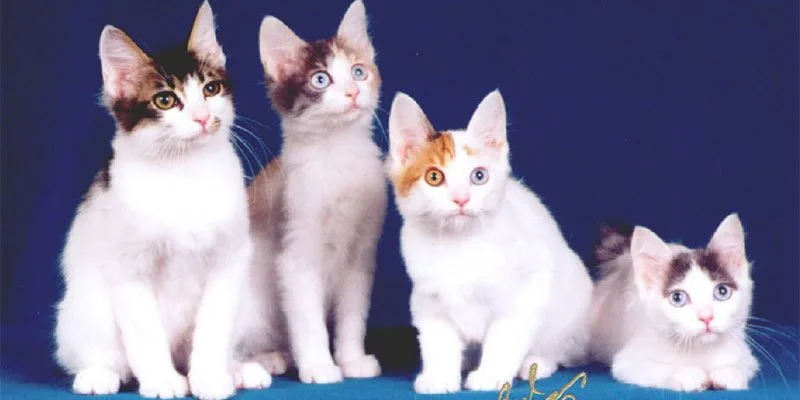
    The Japanese Bobtail or mi-ke [三毛] is a breed of cat originating from Japan. Like all animals and their respective breeds, the mi-ke has its unique characteristics and behaviors.

    It is believed that the Japanese Bobtail mi-ke brings luck, happiness, and prosperity, having its greatest representation in Japanese temples and establishments, often used to welcome guests.

    History of the Japanese Bobtail

    The Bobtail appeared in Japan in the 7th century. This breed variety likely came through China, as China has been sending its cats to Japan for over 1000 years.

    Despite the breed existing for years, Japan only became interested in popularizing the Mi-ke from the late 1960s, where the United States had a significant influence on the culture and popularization of the breed.

    The name mi-ke [三毛] highlights one of its characteristics. The number 3 [三] represents the number of colors the cat has. Meanwhile, [毛] represents its fur. Thus, mi-ke literally means fur of 3 colors.

    Japanese Bobtail - Mi-ke - Lucky Cat

    Characteristics of the Mi-ke breed

    The most notable characteristic of the Mi-ke is its small tail, which measures between eight and 10 centimeters when stretched. The cat keeps it curved, making it resemble a rabbit’s tail.

    The fur is medium and silky, with varied and distinct colors, the most appreciated being black, white, and red, whether in bicolor or tricolor varieties, or as a single color.

    • Head: The head should form an equilateral triangle (excluding the ears);
    • Ears: large, erect, well-separated, but at a right angle to the head and looking alert;
    • Muzzle: Quite broad, not abrupt;
    • Eyes: large, round, oval-shaped;
    • Body: medium-sized, males larger than females. Long, slender, and elegant torso, showing well-developed muscular strength. Balance is also very important;
    • Neck: Not too long and not too short, in proportion to the body length;
    • Legs: long, thin, and tall. The hind legs longer than the front;
    • Paws: oval;
    • Toes: five in front and four in back;
    • Tail: The tail should be clearly visible and is composed of one or more curved joints;

    A Japanese Bobtail can have heterochromia, one eye a different color from the other. It is common for one eye to be blue (meaning silver) and the other yellow (gold).

    Japanese Bobtail - Mi-ke - Lucky Cat

    Temperament of a Japanese Bobtail

    Calm, loyal, friendly, curious, affectionate, and sociable, it easily adapts to various circumstances. They have a melodic meow and enjoy “talking” with their owner, so much so that Eastern legends say that the cat of this breed would be a man transformed into an animal who converses with people.

    Most of the time, cats of this breed are active, quite intelligent, with a nature oriented toward understanding humans. They are much easier to train to perform tricks than most breeds.

    Japanese Bobtails are more willing to enjoy learning to perform human activities. Their soft voices can practically offer a full range of tones, which has led to a popular belief that they can sing.

    Bobtail cats are ideal for both houses and apartments. They are family-friendly, get along very well with children, and even with other animals. To conclude, let’s leave some details below:

    Original NameJapanese Bobtail or mi-ke [三毛]
    Size Medium
    Physical CharacteristicsBody: slender and thin. Head: equilateral triangle shape. Ears: large. Eyes: oval shape.
    Average WeightMale – 6 kg • Female – 6 kg
    Life Expectancy9 to 18 years
    Coat ColorBicolor and tricolor. (Black, white, and red)
    Coat TypeSemi-long
    Temperament Loyal, friendly, curious, sociable, and affectionate.

  • Japan Driver’s License – Tips and Procedures

    Japan Driver’s License – Tips and Procedures

    In today’s article, we will talk about the driver’s license in Japan, what processes are necessary to obtain it, how it works, the cost, time, traffic lessons, and the fine system in Japan.

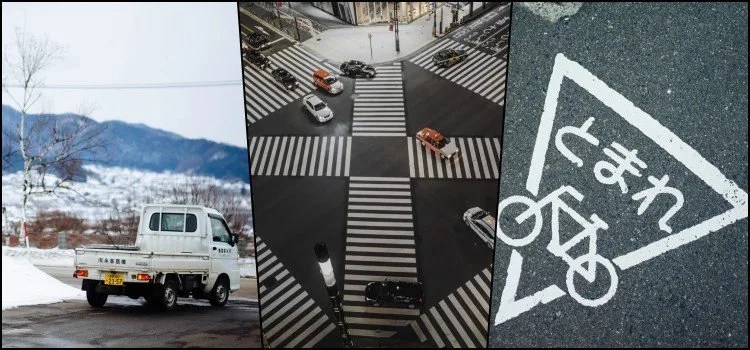
    The Japanese driver’s license is called unten menkyosho [運転免許証]. To obtain your driver’s license in Japan, you need to go through some procedures. To maintain this license, it is essential to respect traffic laws; if you commit infractions that reach 15 points, you may lose your license.

    Getting a Driver’s License in Japan

    A resident of Japan who wants to obtain their license for the first time needs to take lessons (obviously) and complete 4 exams. The first exam consists of a written test with 50 questions. The second exam is a practical test, conducted at the Traffic Center.

    After passing the first 2 exams, they receive a provisional license called karimenkyo (仮免許). Then, another practical test is conducted, followed by a theoretical test of 100 questions, and finally, one last practical test. In addition, applicants must undergo vision and hearing tests, knowledge of the Japanese traffic system, and driving skills assessments.

    In total, there are 2 processes: the Karimen, the process to obtain the provisional license, and the Honmen, the final process. Once you pass these two exams, you will receive your definitive driver’s license. With this license, you can drive vehicles and transport up to 10 people, ride motorcycles up to 50cc, and drive small trucks weighing up to 3000 kg.

    If a person wants to transfer their license from another country to Japan, they just need to take a small test with a few questions and a practical test.

    Driver's License in Japan

    How Much Does a Driver’s License Cost in Japan?

    Obtaining a Japanese license may seem expensive for Brazilians. Driving schools usually charge between 30,000 to 200,000 yen (1,000 to 8,000 reais) for lessons. Additionally, it is necessary to pay for the exams.

    A driver’s license in Japan can cost between 4,000 to 10,000 reais; it all depends on the location and speed of the process. Be careful, as you need to get more than 90% of the questions correct to pass the exams.

    There is a very popular method among Japanese people called “Gasshuku,” where a person stays until the end of the procedure to obtain the license with the aim of mentally improving themselves by isolating from daily life. This procedure tends to be more expensive, but it is truly worth it and avoids a lot of stress (the video at the end of the article will explain this).

    Driver's License in Japan

    Gold Driver’s License in Japan

    In Japan, there is a special driver’s license that offers discounts of approximately 12% on renewal, and it only needs to be renewed every 5 years (the normal is 3).

    This gold license is awarded to drivers who have not had any infractions in the last five years. Its distinguishing feature is a gold stripe instead of the blue stripe found on regular licenses.

    Be careful! If you commit minor infractions, you can easily have your license suspended or even lose your license. I hope this short article has helped you clarify your doubts about the Japanese driver’s license.

    Below, we will leave an interview with our friend Caipira in Japan with Manoel Santos, who works at a driving school in Japan focused on helping foreigners obtain their licenses.

    Manoel is the executive director of Strada Driving School and provides valuable tips on the best procedures for someone to obtain the long-desired Japanese license.

    Course to Obtain a Driver’s License in Japan

    If you already have a driver’s license in Brazil, you may just want to retake the tests and obtain your license without the need to go through long and tedious lessons or processes. Perhaps this article has not been sufficient to guide you; for that, there are online courses with this objective.

    The Course Carta Japão has all the information you need to obtain your driver’s license in Japan. Find out if you can hire an interpreter, service provider, friend, or if you can complete the entire process on your own.

    What documents are necessary and how to obtain them. Interview: what it is like, how to proceed, what information you need to know, and other tips. Theoretical test: simulated texts, signs, general signaling, and other tips.

    Practical test: video lessons explaining all the maneuvers on the circuit, giving tips on how to execute each one. Psychological support: assistance for psychological preparation before the tests to increase the chance of success.

    These are the topics covered in the online course to obtain a driver’s license in Japan taught by Kirizawa. If you want to know more details about this online course, just click the button below:

  • Establishments that prohibit entry to foreigners

    Establishments that prohibit entry to foreigners

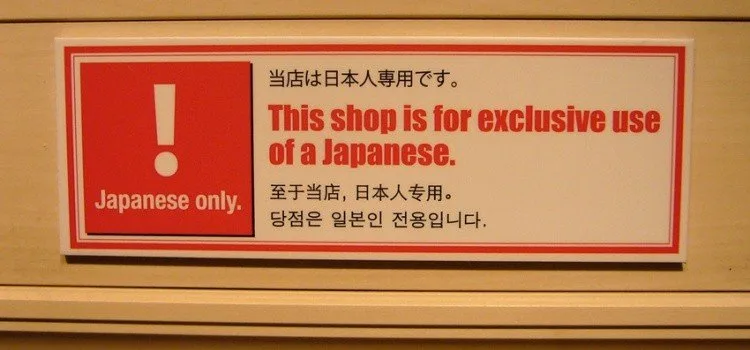
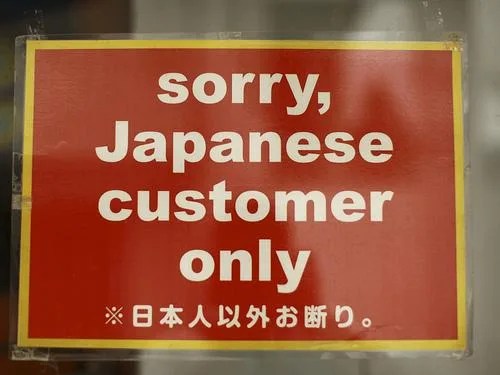
    There are establishments in Japan where you will probably come across a sign that says: “Japanese Only” or something like that. Don’t worry, it’s something very, very rare, but if someone has seen it, it has already made its way onto the internet.

    The intention of these signs is to prohibit the entry of foreigners and keep them away from the establishment. Why does this happen? There are various pretexts that you hear about, but all of this can be summarized with prejudice.

    It is worth clarifying that Japan is not the only place in the world with these signs. There is at least one such establishment in most countries. I have encountered establishments with truly racist signs allowing entry only for whites in countries like the USA.

    Don’t go judging Japan or the Japanese because of 1 establishment among millions. Calling the Japanese prejudiced because of a sign from a random place only makes you prejudiced.

    Establishments that prohibit entry of foreigners

    Why prohibit the entry of foreigners in establishments?

    There are several factors; it may be that the store employees are not skilled enough to serve foreign customers in another language. Perhaps the service offered by the place is exclusive, or it could even be some shady business controlled by the yakuza.

    The few places that tend to have these signs are accompanied by the +18 sign, which indicates that it may be some place of prostitution. Many places of prostitution do not accept foreigners. Probably Japanese women do not want to have an experience with the “size” of foreigners.

    I think it is unlikely that the owner of the place will put up this sign for a reason like “aah I don’t like gaijin“, because that would ruin their own profit and sales. We have entered very Japanese places like some PUBs where the owners had never encountered a foreigner, did not speak any other language, and were very happy to meet us.

    There are places that also prohibit entry of people with tattoos. These places are common, especially onsen and pools.

    A friend of mine who lives in Japan also researched a similar topic and made a video that you can watch below:

    Is there prejudice in these signs?

    There is no denying that there is an anti-foreign mentality in Japan, but this is not without reason. Foreigners do not always maintain a good reputation. Although it is something done by a handful of fools, we all know that the collective pays for what some individuals do.

    Since foreigners stand out so much in Japan, a poorly behaved foreigner can make all foreigners look bad. From time to time, a story like this appears in the Japanese media. Furthermore, there is still a certain tension between the older generation who fought in World War II and anyone who is not Japanese.

    Sign of an establishment written in Japanese, English, Chinese, and Korean. The sign warns that the store is for the exclusive use of Japanese.
    Sign of an establishment written in Japanese, English, Chinese, and Korean. The sign warns that the store is for the exclusive use of Japanese.

    However, times have changed, and honestly, no one deserves to go through scorn or repression just because you, coincidentally, belong to the same group as those who harm others. If you are a good person, why suffer discrimination for being a foreigner? Why pay the price for what other people have done?

    What to do in these cases?

    Although it is difficult to find these types of establishments that prohibit the entry of non-Japanese, it is something that can be dealt with in a simple way. Go to another place. After all, you are not the one losing anything. In this case, they are the ones losing customers.

    And generally, these places that have these signs do not have a very good reputation. They are places that even the Japanese themselves tend to avoid. Most of the time, the service of these types of businesses is not of good quality.

    So, if you go to a restaurant, bar, or something like that and come across a sign prohibiting the entry of foreigners, simply head to another place. You will not be losing anything.

    If you think that this business has offended you in some way, think carefully before trying to waste time reporting or lamenting about it on the internet. Such places are not exclusive to Japan; there are establishments like this in countries like Russia and South Korea.

  • Blacks in Japan – Are they treated differently? Fear? Prejudice?

    Blacks in Japan – Are they treated differently? Fear? Prejudice?

    We have already written several articles addressing the topics of prejudice and racism in Japan, where most of the time I try to make it clear that this is very relative and should not be an obstacle for a person to live in Japan. In this article, we will specifically talk about black people in Japan.

    If you research accounts from brown and black people traveling around the world, you will see that Japan was the least problematic country in this regard. Japan, being the most homogeneous country in the world, it is not surprising that Japanese people stare at a foreigner, just as everyone looks due to the simple fact that it is something different. Will you disagree that a brown person in the middle of a crowd of light-skinned, slanted-eyed people will stand out?

    Paula Augot travels the world and comments that few places are as racist as Brazil. She said that in Europe people used to stare at her with some insistence, but in Japan, the gazes were shy and rarely made her uncomfortable. She even stated that her skin color was much less noticed than in Brazil.

    How are black people treated in Japan?

    The color will not make a difference in the treatment that hospitable and polite Japanese people have towards others. Just as it will not change the way of thinking of racist and prejudiced Japanese people that exist, not against black people but against foreigners in general or even against Japanese people who deviate from the cultural standard defined by that person.

    Japanese people like the different, which is why many black people claim to be loved in Japan, and believe that their worst home was their former life in the USA. I personally believe that a black person can be treated better than any other foreigner, as they stand out among the others, and good Japanese people try to make a good impression on them.

    Blacks in Japan - Are they treated differently? Fear? Prejudice?

    There are many black people who have been successful in Japan, including a Brazilian named Roberto Casa Nova who was elected the best karaoke singer in all of Japan among 85,000 people. Another example of a successful black person in Japan is the Brazilian polyglot Júlio.

    There is indeed some discrimination against black people in Japan

    Not all Japanese people will welcome with open arms things they consider different. If it were that perfect, there wouldn’t be people complaining about prejudice and discrimination in Japan and on social media. It is worth remembering that more than half of the Japanese population is elderly, living in the last century and not accustomed to foreigners in their lands.

    A Japanese person himself stated that he had been racist in an internet video. He even taught foreigners and noticed that some black people complained about discrimination in Japan. Some claim that Japanese people are afraid just to look at them. This made Professor Nobita think that some Japanese people subconsciously or unconsciously discriminate against black people in Japan.

    Blacks in Japan - Are they treated differently? Fear? Prejudice?

    Nobita talked to Japanese friends and really stated that some are afraid, finding black people strange and rude. Unfortunately, it is a common mistake; most people tend to judge things by appearances or by examples of others. Aren’t Brazilians the ones who keep labeling Japanese people as strange and racist?

    Don’t think that being black in Japan will be a different and totally happy life away from prejudice and embarrassing situations. Japanese people have a completely different way of acting and doing things, which can leave many uncomfortable and lead to hasty conclusions. The world does not revolve around you, so do not be bothered by any random thing confused with prejudice.

    There is a website called locoinyokohama that specifically talks about the life of black people in Japan. There you will find different positive and negative accounts, tips, and advice on how to fit into Japanese society and respect its cultural aspects, making a good impression. The following video in English also shows accounts from black people living in Japan:

    How to react to the stares of Japanese people?

    Many times I see Brazilians complaining about discrimination and prejudice in Japan, but I end up considering their attitude as racism itself. Many do not make any effort to understand how the Japanese mind works, or do not even learn the Japanese language or respect their customs. People who make an effort in these aspects rarely complain about this issue.

    I spent my entire life in Brazil suffering from prejudice, went through a lot of bad things, and I consider these prejudgments from Japanese stares on trains a big fuss (I refer to the pre-judgment). I myself, if I encounter a Japanese person in Brazil, will keep an eye on them, trying to talk to the person, but having a certain fear because of my shyness.

    A certain person commented that once there was a Japanese person staring at him on a train, and he simply smiled at the Japanese person, which completely changed the Japanese person’s reaction. Sometimes a simple smile can completely change a person’s expression!

    Have you ever tried smiling when someone looks at you or saying good morning? Every now and then you will be ignored and feel uncomfortable, but this always happens in Brazil, and I still do not stop saying good morning or smiling.

    Japan has done and still does many bad things in history; we will indeed face difficulties in life, especially if you work with Japanese people in a factory, where most are stressed. I believe that the best way to face these situations is with a positive mindset and a smile on your face; lamenting and complaining will not change anything at all!

  • Sakura – Everything about cherry blossoms in Japan

    Sakura – Everything about cherry blossoms in Japan

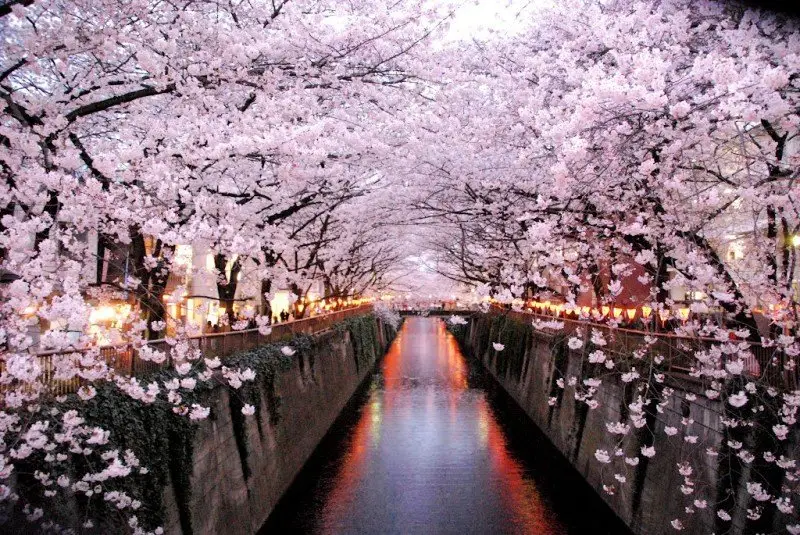
    Sakura (桜) literally means cherry tree and is one of the main symbols of Japanese culture. In this article, we will delve into curiosities, meanings, and symbolism of cherry trees in Japan. We will also discuss types, fruits, flowers, and names related to cherry trees.

    Cherry tree is the name given to several species of fruit-bearing, decorative, or hardwood trees. The cherry trees of Japan are usually the somei-yoshino, prunus yedoensis, and yamazakura. There are over 600 types of Sakura spread throughout Japan, with pink, white, yellowish flowers and different shapes. Japanese cherries are often called sakuranbo (桜んぼ).

    I used to think that cherry trees had absolutely nothing to do with the cherries we consume, but they are indeed from the same family. In Brazil, we usually differentiate cherry trees with cherry trees that bear the fruit. The decorative cherry trees in Japan tend to develop small types of fruits, but they are usually not edible and are not harvested. About 40% of the cherries consumed in Japan are imported.

    Sakura - All about cherry trees in Japan

    Japanese cherry trees and spring

    Cherry trees in Japan usually gain total prominence during spring in Hanami (flower festival) where people often camp, have picnics, and visit parks where the Sakuras and other flowers tend to bloom. For the Japanese, the beginning of the year happens in spring. In fact, the academic and financial year starts on April first.

    In 1992, the Sakura association in Japan (日本さくらの会 – Nihon Sakura no Kai) created the famous “Sakura Day” which marks exactly the beginning of flowering on March 27. During the beginning of spring, all of Japan follows the blooming of Sakura through calendars and TV programs that indicate the exact date for each region.

    Sakura - All about cherry trees in Japan

    Stages of sakura blooming

    The entire blooming process of cherry trees and other flowers usually lasts a maximum of 10 days. During these days, cherry trees go through several stages:

    Responsive Table: Scroll the table sideways with your finger >>
    PortugueseJapaneseRomaji
    Buttonつぼみtsubomi
    Blooming of buds咲き始め(る)sakihajime(ru)
    50% bloomed5分咲きgobuzaki
    70% bloomed7分咲きshichibuzaki
    100% – Reaches full bloom満開mankai
    Petals begin to fall散り始めchirihajime
    Green leaves after blooming葉桜hazakura
    Petal rain桜吹雪Sakurafubuki
    Sakura - All about cherry trees in Japan

    Different types of cherry trees in Japan

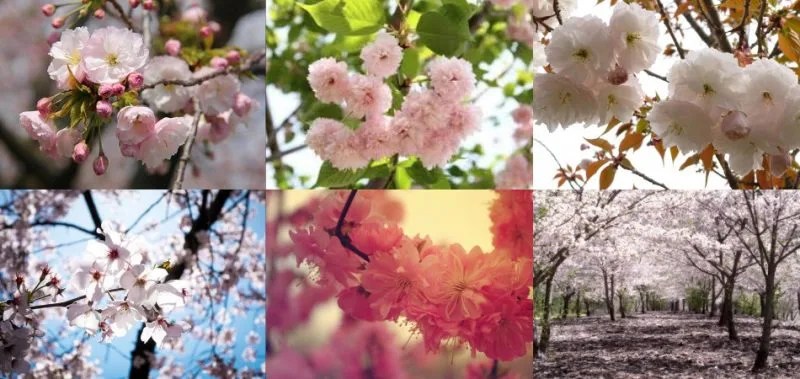
    Somei Yoshino (染井吉野) is the most popular variety of sakura in Japan. It has five petals and is usually white with a pink hue. The leaves only appear after the cherry tree finishes blooming, fully highlighting the flowers. It was widely cultivated during the Edo Period in Tokyo, becoming the most numerous in Japan.

    Yamazakura (山桜) literally means mountain cherry tree. This type of cherry tree is common and usually grows in the wild, its flowers are slightly pink and small. The leaves usually develop along with the blooming.

    Kawazu-zakura (河津桜) is a modern variety that tends to bloom earlier and has a much longer blooming period than other species. Even in February, it is possible to find these trees with pink flowers. It got its name because it was originally cultivated in the city of Kawazu in Izu.

    Sakura - All about cherry trees in Japan

    Shidarezakura (枝垂れ桜) is a weeping variety, with drooping branches and long-lived, where the colors vary from pink to white. There is another variation with more than 5 petals called Yaeshidarezakura (八重枝垂桜).

    Kanhizakura (寒緋桜) is a bell-shaped sakura with a darker pink color, native to Okinawa and Taiwan, blooming in January and February. Kanzakura (寒桜) is another type of cherry tree that blooms earlier than usual, standing out in small parks because of this early blooming.

    Sakura - All about cherry trees in Japan

    Cherry trees with many petals that take time to bloom

    Ichiyo is a type of sakura that has 20 light pink petals with fresh green leaves. Ukon has between 10 to 20 petals with a yellow color. Kazan has about 30 to 50 petals with a pink hue and coppery brown leaves. These three cherry trees tend to bloom later than the others.

    Kikuzakura (Chrysanthemum Cherry) can have up to 100 petals and is white with shades of pink. Shogetsu has about 30 petals with white flowers and blooms with green leaves. Fugenzo has about 30 to 40 petals with white flowers that turn pink as they open. These three cherry trees also tend to bloom later than the others.

    Did you know that there is a cherry tree that blooms in autumn? Jugatsuzakura (十月桜) literally means October sakura, a variety that blooms in autumn and winter with small and sparse flowers that combine the colors of autumn with snow.

    Sakura - All about cherry trees in Japan

    Curiosities involving Sakura in Japan

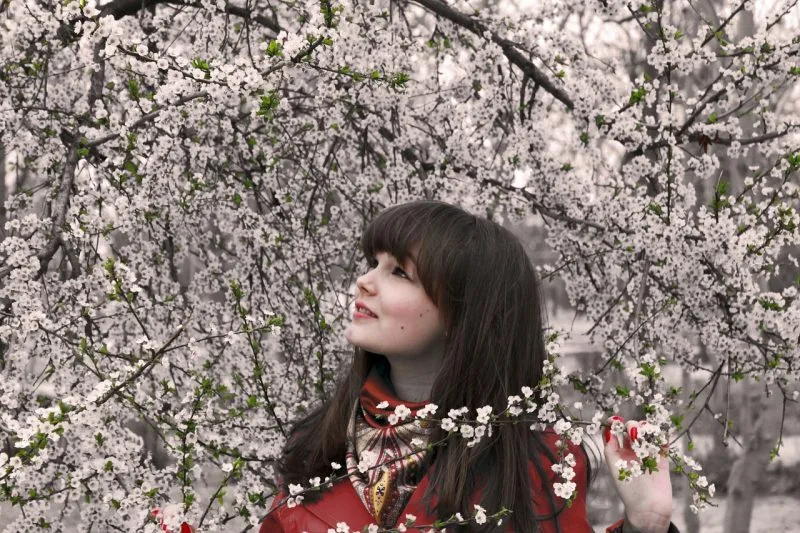
    Samurais were often associated with cherry trees because their blooming is short, representing the short life of many samurais on the battlefields. Sakura was also a symbol of love, where women adorned their hair with branches of cherry trees to show they were looking for a partner.

    A cherry blossom usually has 5 petals, but there are types of Japanese cherry trees that have 10, 20, and even 100 petals. These flowers are called yaezakura (八重桜). Cherry trees can be named according to the number of petals as: 一重 hitoe (0-5) | 半八重 hanyae (5-10) | 八重 yae (10+).

    There is a Sakura that is over 2000 years old called Jindai Zakura (神代桜) with more than 10 meters in height and 13 in circumference at the root. Legends say it was planted by Emperor Takeru no Mikoto.

    There are various products made from cherry blossoms, even soft drinks and beverages are often launched during spring in prominent places like McDonald’s. Sweets like Wagashi, edible flowers, and various other dishes. The flower is represented in all types of consumer goods in Japan, including kimonos, stationery, and dishware. Furniture has also been made from the tree’s wood since the 16th century.

    Sakura - All about cherry trees in Japan

    The symbolism of Sakura in Japan

    In Japan, cherry trees symbolize clouds due to their natural mass blooming, and also serve as a metaphor for the ephemeral nature of life associated with Buddhism. The cherry blossom signifies feminine beauty and symbolizes love, happiness, renewal, and hope. The transience of the flowers, their extreme beauty, and rapid death have often been associated with mortality.

    During World War II, cherry trees were used to motivate the Japanese people, ignite nationalism, and also militarism. They were used in propaganda to inspire the “Japanese spirit,” mainly because of their relation to the Samurais. In Imperial Japan, cherry trees were planted as a “claim of occupied territory as Japanese space.”

    The fruit of the cherry tree, the cherry, is considered the greatest symbol of sensuality, eroticism, and sexuality, mainly because of its intense red color. Cherry trees are also a prevalent symbol in Irezumi, the traditional art of Japanese tattoos. Sakura is even considered a color in Japan, a variation of white and pink.

    Sakura - All about cherry trees in Japan

    Japanese names related to Sakura

    The name Sakura is one of the most popular among girls in Japan (5th place). We know that Japanese names are often written with ideograms that have various meanings, so we will finish by sharing a list of Japanese names that usually have ideograms related to cherry trees in Japan.

    – The ideogram of Sakura can refer to the flower, fruit, or cherry tree. Different names can be written using just this ideogram, such as: Sakura, Saku, Ou, Sakurasaki, Sara, and Chieri. All these names are feminine!

    The name Sakura can be written with more than one ideogram such as: [幸久来]; [紅桜桃]; [佐鞍] (family, surname); [佐久羅] and [佐久良]. All these names are usually feminine, we recommend looking up the meaning of each ideogram at jisho.org

    Tsubomi refers to the bud of the cherry tree and can be written in different ways, the most common is 花咲実 which has the ideograms for flower, bloom, and truth;

    Responsive Table: Scroll the table sideways with your finger >>
    桜々Sasa, Sakura (female)
    桜々子, 桜子, 櫻子Sakurako (female)
    桜一郎Ouichirou (male)
    桜下Sakurashita (female)
    桜与美Sayomi (female)
    桜久夜Sakuya (female)
    桜之宮Sakuranomiya (family or surname)
    桜乙Oto
    桜乙愛Ruina
    桜也果Sayaka
    桜井Sakurai (family, surname)

    Videos related to Sakura and Hanami

    I hope you enjoyed this article, it took a lot of work to research all this content. I want to give credit to the site Japan Guide which was a great help in writing the article. If you liked it, don’t forget to share and comment.

  • Different ways to say “you’re welcome” in Japanese

    Different ways to say “you’re welcome” in Japanese

    We know that in the Japanese language there are several ways to say thank you like arigatou. But have you thought about how to respond to a thank you in Japanese? In this article, we will see different ways to say “you’re welcome” in the Japanese language.

    When hearing a arigatou [ありがとう], the most common, polite, and formal response is to say douitashimashite [どう致しまして], which is the closest we have to the Portuguese “you’re welcome”. What are the other ways to respond to a thank you in Japanese?

    Origin of the Word Douitashimashite

    The word douitashimashite literally means “I really didn’t do anything anyway, so don’t worry about it.” The origin of the word douitashimashite can be explained as follows:

    • Dou [どう] comes from the expression donoyouni [どの様に] which means anyway;
    • Itashimashite [致しまして] comes from the verb itasu [致す] which is the keigo and polite form of the verb suru [する] which means to do;
    Different ways to say "you're welcome" in Japanese

    The expression douitashimashite also conveys the idea of “At any time,” “Of course,” “Don’t worry,” “No problem,” “It was nothing,” “It was a pleasure,” “I’m happy to help.” Some people in certain situations simply drop the dou and say only itashimashite [いたしまして].

    Other ways to say “you’re welcome” in Japanese

    Although douitashimashite is the most formal and polite way to say “you’re welcome” in Japanese, there are several other informal or casual expressions to use with friends and even acquaintances. Let’s see a small list below:

    PortugueseJapaneseRomaji
    Thank you (formal with colleagues)こちらこそKochirakoso
    No, no/no problem, it’s fine (informal/colleagues)いえいえie ie
    Nothing, just say anythingううん、いつでも声かけてuun, itsudemokoekakete
    Don’t be so formal with me遠慮しないでenryoshinaide
    I’m happy to help (among friends)助けになれて 良かったtasukeninarete yokatta
    It’s my duty (when responding to a boss)恐縮ですkyoushukudesu
    No problem, don’t worry大丈夫daijoubu
    It was nothing, totally no problem全然zenzen
    It was nothing [special] (somewhat informal and rude)別にbetsuni
    It was nothing (among friends, can be rude)いいよiiyo

    See below a video showing these different ways to say you’re welcome in Japanese:

    other situations of thanks

    If you are among close friends, you can just say yes using ha-i (はーい) or un (うん) and sometimes you can make jokes like kore takaiyo (これ高いよ) which means it will cost a lot!

    We recommend carefully analyzing the situation before thanking in any way, as depending on the situation or the person you are saying “you’re welcome” to, you may come across as rude depending on the expression used. You can make combinations like iie, kochirakoso (no, I thank you).

    Different ways to say "you're welcome" in Japanese

    You can also say you’re welcome by saying thank you (arigatou) depending on the situation, like when shopping in a store where both people thank each other. Sometimes you also don’t need to respond at all, just bow and leave the place.

    Always remember to wear a smile to make your words sound friendlier. I hope you enjoyed the tips in this article! If you liked it, share it with your friends and leave your comments! どういたしまして!

  • Monono (ものの) particle in Japanese

    Monono (ものの) particle in Japanese

    In the Japanese language, particles play a crucial role in sentence construction, connecting ideas and defining relationships between words and concepts. Among these particles, “monono” (ものの) stands out for its specificity and three-phoneme structure, which is quite uncommon. This article explores the meaning, origin, and practical uses of this interesting particle.

    Origin and Structure of the Particle Monono

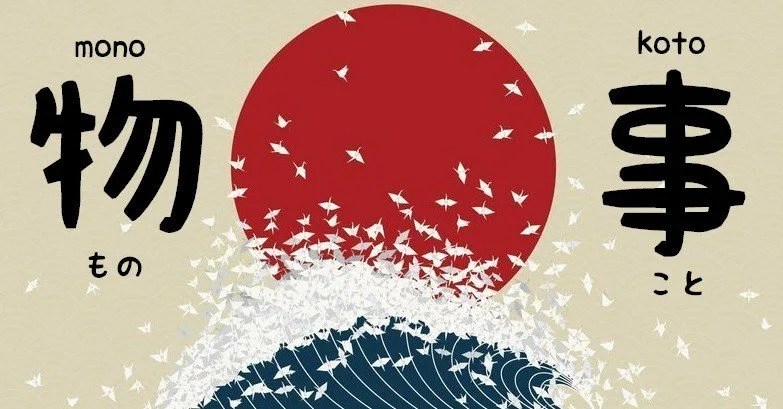
    The particle “monono” combines two fundamental parts: mono (もの), which means “thing” or “reason,” and no (の), which in this case plays a more sophisticated grammatical role. Unlike the modern use of “no” to indicate possession, here it carries a historical sense associated with classical Japanese grammar (kobun).

    During the Heian period, the particle “no” could establish a relationship between two nouns, where the second complemented or explained the first. This shaped “monono” as we know it today: a contrastive conjunction that connects two disagreeing ideas, expressing an unmet expectation.

    For example, in modern sentences, “monono” is used to introduce a second clause that contrasts with the initial idea, something that “breaks” or “diminishes” the strength of what was previously stated.

    Thing in Japanese - Meaning of Koto and Mono

    When to Use Monono?

    Although other particles like kedo (けど) and ga (が) also convey contrast or opposition, “monono” is employed in more specific situations. Its use is ideal when there is an initial expectation established, but the outcome or reality does not match it. This sophisticated contrast makes “monono” more formal and expressive, typically found in literary texts or more elaborate discussions.

    Practical Examples:

    パーティーに行くことにしたものの気がはずまない。
    (Pātī ni iku koto ni shita monono ki ga hazumanai)

    Although I decided to go to the party, I am not looking forward to it.

    The decision to go to the party suggests excitement, but the second clause reveals a contrary feeling.

    いろいろな説はあるものの、恐竜がなぜ突然絶滅してしまったのかはまだ謎のままである。
    (Iroirona setsu wa aru monono, kyōryū ga naze totsuzen zetsumetsu shite shimatta no ka wa mada nazo no mamadearu)

    There are many theories about the sudden extinction of the dinosaurs, but the true cause remains a mystery.

    This example connects two contrasting ideas: the number of existing theories and the lack of a definitive answer.

    高校時代からつきあっている彼氏はいるものの、つきあいが惰性になっていると感じ、不満をつのらせている。
    (Kōkō jidai kara tsukiatte iru kareshi wa iru monono, tsukiai ga dasei ni natte iru to kanji, fuman o tsunora sete iru)

    She has a boyfriend since high school, but feels that the relationship has become routine.

    Here, “monono” shows how the relationship does not meet the character’s emotional expectations.

    Differences Between Monono and Other Particles

    It is important to note that “monono” is not a casual particle like “kedo” or “ga.” Its use is more refined, making it ideal in formal or literary contexts. Additionally:

    • Kedo (けど): Used in everyday conversations, more informal and direct.
    • Ga (が): Has a more neutral tone, being common in moderately formal situations.
    • Monono (ものの): Implies a deeper tension between expectation and reality, often in written texts.

    Ready to Use ものの?

    The particle “monono” is a fascinating example of the complexity and richness of the Japanese language. Its historical origin, specific grammatical function, and formal use make it a powerful tool for expressing nuances of contrast and expectation. For those studying the language, understanding and applying “monono” not only enriches vocabulary but also deepens the understanding of the subtleties of Japanese. Explore more through sentences and texts to master this unique element of the language.

  • List of professions in Japanese

    List of professions in Japanese

    In this article, we will share a complete list of professions in Japanese, hope you like it! First, let’s leave some articles related to this word list below.

    If any profession is missing and you want to complement it by commenting. We also appreciate the shares!

    List of professions in Japanese

    Professions in Japanese – Vocabulary List

    Below is the list of professions in Japanese, remembering that if you are on a mobile device, you should swipe the table to the side using your finger to see the other columns.

    PortugueseJapaneseRomaji
    administrator管理者kanrisha
    lawyer弁護士bengoshi
    flight attendantスチュワーデスsuchuwadesu
    funeral agent葬儀屋sougiya
    real estate agent不動産業者fudousan gyousha
    farmer農民noumin
    student生徒seito
    architect建築家kenchikuka
    artisan職人shokunin
    artist芸術家geijutsuka
    astronaut宇宙飛行士uchuuhikoushi
    athlete選手senshu
    actor / actress / interpreter役者yakusha
    actor / interpreter俳優haiyuu
    actor男優dan’yuu
    actress女優joyuu
    author / writer作家sakka
    author著者chosha
    banker銀行員ginkouin
    barber床屋tokoya
    barber理髪師rihatsushi
    firefighter消防士shouboushi
    hairdresser / beauty artist美容師biyoushi
    singer歌手kashu
    ship captain船長senchou
    carpenter大工daiku
    fortune teller占い師uranaishi
    fortune teller星占い師hoshiuranaishi
    cartoonist漫画家mangaka
    hunter猟師ryoushi
    chef / master chef料理長ryourichou
    chefシェフshefu
    chef料理人ryourinin
    chef調理師chourishi
    scientist科学者kagakusha
    surgeon外科医gekai
    comedianコメディアンkomedian
    merchant / trader商人shounin
    composer作曲者sakkyokusha
    driver運転手untenshu
    lecturer講師koushi
    accountant会計士kaikeishi
    cook料理人ryourinin
    cookコックkokku
    dancer踊り子odoriko
    dentist歯医者/歯科医haisha/shikai
    coast guard沿岸警備退院engankeibitaiin
    unemployed無職者mushokusha
    designerデザイナーdezainaa
    detective刑事keiji
    detective探偵tantei
    director / company president社長shachou
    film director監督kantoku
    housewife主婦shufu
    emcee司会者shikaisha
    entrepreneur企業家kigyouka
    nurse看護師kangoshi
    nurse看護婦kangofu
    childcare worker養育係youikugakari
    engineer / technologist技師gishi
    engineerエンジニアenjinia
    engineer技術者gijutsusha
    mail carrier郵便配達人yuubinhaitatsunin
    escort護衛goei
    clerk店員ten’in
    college student大学生daigakusei
    blacksmith鍛冶屋kajiya
    photographer写真家shashinka
    company employee会社員kaishain
    company employee社員shain
    public servant / government公務員koumuin
    manager支配人shihainin
    guide案内人annainin
    salarymanサラリーマンsarariiman
    businessmanビジネスマンbijinesuman
    instructor講師koushi
    researcher研究者kenkyuusha
    gardener庭師niwashi
    baseball player野球選手yakyuu senshu
    soccer playerサッカー選手sakkaa senshu
    journalistジャーナリストjaanarisuto
    judge裁判官saibankan
    logger木こりkikori
    sailor船乗りfunanori
    mechanic自動車整備士jidousha seibishi
    minister大臣daijin
    modelモデルmoderu
    driver運転手untenshu
    doctor医者isha
    performing musician演奏家ensouka
    musicianミュウジシャンmyuujishan
    occupation職業shokugyou
    office lady / girl who works in an officeオーエルooeru
    ophthalmologist眼科医gankai
    orator演説家enzetsuka
    clownピエロpiero
    midwife助産婦josanpu
    pastor / clergyman牧師bokushi
    fisherman漁師ryoushi
    researcher研究員kenkyuuin
    person in charge責任者sekininsha
    pianistピアニストpianisuto
    pilot / captain機長kichou
    pilotパイロットpairotto
    painter / artist画家gaka
    woman police officer婦人警官fujinkeikan
    police officer (friendly term)お巡りさんomawarisan
    police officer警察官keisatsukan
    police警官keikan
    politician政治家seijika
    president大統領daitouryou
    prime minister首相shushou
    producer / director演出家enshutsuka
    teacher (academic)教師kyoushi
    teacher (master)先生sensei
    kindergarten teacher保母hobo
    professor教授kyouju
    prosecutor検事kenji
    psychologist心理学者shinrigakusha
    newspaper reporter新聞記者shinbunkisha
    reporterれポターrepotaa
    reporter記者kisha
    novelist小説家shousetsuka
    secretary秘書hisho
    security警備keibi
    security警備員keibiin
    servant召使meshitsukai
    sociologist社会学者shakaigakusha
    soldier兵士heishi
    soldier兵隊heitai
    supervisor / superintendent監督kantoku
    treasurer会計kaikei
    worker / laborer労働者roudousha
    part-time workerフリーターfuriitaa
    temporary worker派遣社員hakenshain
    construction workers建築業者kenchikugyousha
    translator訳者yakusha
    trainer監督kantoku
    technician技師gishi
    salesperson店員tenin
    veterinarian獣医juui
    janitor用務員youmuin

    You can read our article on another external site, there you will find some example sentences to add to Anki.

  • Ao no exorcist? – Information – New Season – Media

    Ao no exorcist? – Information – New Season – Media

    Have you seen the anime Blue Exorcist? Did you finish it? In this article, we will look at some curiosities, information, images, and videos of Blue Exorcist. The likelihood of a new season or continuation. Besides the manga, novels and other original and extra materials.

    Will there be a continuation of the anime Blue Exorcist? Many people want to know if this will happen?

    Information about Blue Exorcist

    Synopsis of Blue Exorcist: – The world in Blue Exorcist consists of two dimensions, adjacent to each other like a mirror and its reflection. One is the world where humans live, Assiah. The other is the world of demons, Gehenna. Originally, a journey between the worlds, or even contact between them, is impossible.

    Information about Blue Exorcist: – The anime was made by A-1 Pictures studio in 2011 with a total of 25 episodes and 1 movie. The series originates from a manga from 2009 written by Kazue Kato. The anime received a second season in January 2017.

    Where to Watch the anime Blue Exorcist:https://www.crunchyroll.com/blue-exorcist

    New season of Blue Exorcist

    Our site Suki Desu searched the internet for the continuation of the anime series Blue Exorcist and behold what we discovered.

    The chances of a new season of the anime Blue Exorcist are:

    For those who watched the 2 seasons of the anime, you know that there are still many arcs that should receive adaptation such as:

    • Terror of the Kraken;
    • True Cross Academy Festival;
    • Illuminati;
    • Exorcist;
    • Aomori;
    • Blue Night Investigation;

    If you want to read the manga from where the anime stopped, you should start at chapter 35. It is believed that a new season of the anime could be released in 2018 or 2019 with 12 more episodes.

    There is enough material for more than 4 seasons of the anime, and its popularity is above average. A-1 Pictures studios usually release continuations of their works, even if it takes 3 or more years. So we believe you can wait positively until the end of the year.

    Original material of the anime Blue Exorcist

    You can read the continuation or extra information of Blue Exorcist by reading its original material.

    Image gallery of the anime Blue Exorcist


    Videos of the anime Blue Exorcist

  • What to do when you arrive late in Japan?

    What to do when you arrive late in Japan?

    Punctuality is one of the main characteristics of the Japanese, and unfortunately, Brazilians fail brutally when it comes to being punctual (I say this from experience). You need to make every effort to never arrive late to a place, so always try to arrive early.

    If even train stations apologize for delays of 20 seconds, arriving late in Japan is a source of immense shame. Eventually, a delay will happen, so you should be prepared to apologize the right way. Remember to be as formal as possible and bow if you arrive late at work.

    Being punctual in Japan is an obligation that determines whether you are a trustworthy person or not. If you are already aware that you will be late, it is good to inform in advance. Don’t even think about arriving right on time; if you always arrive about 5 or 10 minutes early, you will leave an impression of being responsible and punctual.

    Apologizing for being late in Japan

    Most words related to being late come from the ideogram  which means slow, delayed, and late. Below are some example phrases on how to apologize for being late:

    遅れてすみませんでした 
    Okurete sumimasen deshita

    I apologize for my delay

    すみません、遅くなりました。
    Sumimasen, osoku narimashita

    Sorry for being late

    お待たせしてすみませんでした。
    O matase shite sumimasen deshita

    I’m sorry for keeping you waiting

    遅れてゴメン(ね)
    Okurete gomen (ne)

    Sorry for the delay (light, informal among friends)

    遅くなってごめん(ね)
    Osoku natte gomen (ne)

    Sorry for being late (informal)

    お待たせしました!
    Omatase shimashita!

    Thank you for waiting!

    遅れて申し訳ありません
    Okurete mōshiwake arimasen

    I’m sorry, I’m late (very formal)

    失礼します
    Shitsureishimasu

    Excuse me (not late, but almost)

    電車が遅れていて、遅れてすみません
    Densha ga okurete ite, okurete sumimasen

    Sorry for the delay, the train was late

    Pay close attention to the phrases presented in this article so you don’t get confused. If you haven’t arrived late, but everyone is already present at the location, you can enter by asking for permission with the expression shitsureishimasu. Always use the phrases to inform that you will be late or that you might be late.

    What to do when you arrive late in Japan?

    Other Japanese phrases involving delays

    See other phrases related to delays in the Japanese language:

    やばい、授業遅刻だ!
    Yabai, jugyou chikokuda!

    Shit, I’m late for class

    遅れてすみません、寝過ごしました。
    Okuretesumimasen, nesugoshimashita

    Sorry for the delay, I lost track of time (overslept).

    おそいです
    Osoidesu

    You are late!

    すみません、10分ほど遅れるかもしれません。
    Sumimasen, juubun hodo okureru kamo shiremasen.

    Sorry, I might be 10 minutes late

    すみません、遅れそうです。
    Sumimasen, okuresou desu.

    Sorry, it seems like I’m going to be late

    すみません、5分遅れます。
    Sumimasen, gobun okuremasu.

    Sorry, I will be 5 minutes late

    You can use the expression kamoshiremasen (かもしれません) to create a sentence saying that you probably (maybe) will be late. I hope these example phrases help you apologize for being late in Japan. Remember! The best thing is not to arrive late!

  • From the Edo Period to the end of the Shogunate – History of Japan

    From the Edo Period to the end of the Shogunate – History of Japan

    In this article, we will analyze one of the most famous eras of Japan, the renowned Edo Period governed by the Tokugawa. In this article, we will thoroughly examine this period and how it affected Japan and the world throughout its long history.

    What do we need to know about the Edo Period?

    It was during the Edo period that Japan entered an era of peace and national isolation. It was in this period that merchants were restricted, Christianity was suppressed, social hierarchy dominated and stabilized the country. The Edo period is famous for the Samurais, for commercial and agricultural growth, for the art of kabuki and bunraku theater, for education, and urban population.

    The Edo period, also known as the Tokugawa period, is a period of Japanese history that was governed by the shoguns of the Tokugawa family, from March 24, 1603, until May 3, 1868. This period marks the rule of the Tokugawa Shogunate (or Edo Shogunate) which was officially established on March 24, 1603, by the first shogun Tokugawa Ieyasu.

    To clarify, the term Shogun (shōgun – 将軍) literally means Commander of the army. This was a title and military distinction during that time in Japan. It was granted by the Emperor himself. The Shogunate was a feudal regime up to modern times, similar to feudalism. Besides being a landowner, the shogun was a military chief who was only below the Emperor.

    The Japanese name Bakufu (幕府) literally means “tent of government” (a military control), originally it is the house of a shogun, but it ended up being used in Japanese to describe the military dictatorship exercised by the shoguns.

    Now that we have clarified these terms, we can return to the main topic. The period ended with the Meiji Restoration on May 3, 1868, the restoration of the government of the tenno (emperor) by the fifteenth and last shogun, Tokugawa Yoshinobu. The Edo period is also known for marking the beginning of Japan’s modern period.

    From the Edo Period to the End of the Shogunate - History of Japan

    Oda Nobunaga and the Reunification of Japan

    During the Sengoku period (from the 15th to the 17th century), Japan suffered from tremendous political instability. Civil wars over land and power among the daimyos caused bloody waves. These wars contributed to the weakening of the central power of the Muromachi Shogunate, leaving each one to fend for themselves, completely hindering the unification of the country.

    The reunification of Japan began to take shape with Oda Nobunaga’s campaign. He dominated the province of Owari in 1559, then marched on the capital of Kyoto in 1568, restoring the power of the royal court (symbolically).

    By dominating Kyoto, Nobunaga continued eliminating his adversaries, even a Buddhist sect called Ikko-ikki, destroying a monastery in 1575. With the introduction of firearms into the country, Nobunaga was able to defeat enemy peoples such as the Takeda clan.

    From the Edo Period to the End of the Shogunate - History of Japan

    The Death of Oda Nobunaga

    In 1582, Nobunaga was killed by one of his friends, Akechi Mitsuhide, who took advantage and usurped his master’s place. Until General Toyotomi Hideyoshi, who fought alongside Nobunaga, quickly destroyed this rebellion, Mitsuhide’s forces were eliminated and power was regained.

    With the support of Nobunaga’s loyalists, and the union of several daimyos, Hideyoshi continued the reunification campaign, conquered the provinces of Kyushu and Shikoku, and finally defeated the last resistance, the Hojo family, which controlled Kanto. As a result, the military unification of Japan was completed.

    Edo Period – Tokugawa Ieyasu

    Tokugawa Ieyasu was instrumental in the rise of the new bakufu and the main beneficiary of the conquests of Oda Nobunaga and Toyotomi Hideyoshi. Always powerful, Ieyasu profited from his transfer to the rich Kanto area. He maintained 2.5 million koku of land and a new headquarters in Edo (future Tokyo), a strategically located castle city, and gained another two million koku of land and thirty-eight vassals under his control.

    By destroying the forces that supported Hideyori at the Battle of Sekigahara, Tokugawa, without rivals of equal stature, managed to expand his domain throughout Japan, receiving from the Emperor, in 1603, the title of shogun, thus establishing the Tokugawa Shogunate.

    From the Edo Period to the End of the Shogunate - History of Japan

    Edo Period – What is a koku?

    The koku (石) is a unit of volume in Japan. 3.6 koku is equivalent to one cubic meter. The koku is historically described as an amount of rice sufficient to feed one person for an entire year. (The measure equivalent to one person per day is masu). In 1891, one koku was altered and equated to 240100/1331 liters, which is equivalent to 180.39 liters.

    After Hideyoshi’s death, power was once again contested among the feudal lords. Ieyasu quickly moved to gain control of Japan and the Toyotomi family. He used his military and political power.

    Edo Period – Tokugawa Shogunate

    The Edo period, also called Tokugawa, brought 200 years of stability to Japan. The system was called bakuhan, a combination of the terms bakufu and han (domains or fiefs). In the bakuhan, the daimyos had regional authority and the shogun national authority; this new system was very bureaucratic and complex.

    The Tokugawa also had unprecedented power over the emperor and all others below him. The Tokugawa helped the imperial family regain its past glories by rebuilding their palaces and donating lands to them. As a guarantee of a bond between the imperial clan and the Tokugawa family, Ieyasu’s granddaughter became an imperial consort in 1619.

    From the Edo Period to the End of the Shogunate - History of Japan

    Political Reforms in the Edo Period

    A code of laws was established to regulate the houses of the daimyos. The code encompassed private conduct, marriage, clothing, types of weapons, and number of troops allowed; mandatory rotating residence between Edo and the han (fief) from year to year (the Sankin kotai system); prohibited the construction of ships capable of navigating in open sea; banned Christianity; and stipulated that the regulations of the bakufu were the national law.

    Although the daimyos were not officially taxed with taxes, they were regularly taxed with contributions for logistical and military support and for public works such as castles, roads, bridges, and palaces. The various regulations and taxes not only strengthened the Tokugawa but also drained the wealth of the daimyos, consequently weakening them as a threat to the central administration.

    Trade with the Outside World during the Edo Period

    Ieyasu encouraged foreign trade but did not trust foreigners. He wanted to make Edo a great port city, favoring its ports, but as soon as he observed that Europeans favored ports in Kyushu and that China had rejected his plans to establish official trade, he acted to take control of the existing trade and allowed only certain ports to handle specific types of goods.

    The Christian problem was, consequently, a problem of controlling both the Christian daimyos in Kyushu and their trade with Europeans. In 1612, the servants and residents of the shogun in the lands of the Tokugawa were ordered to renounce Christianity.

    More restrictions came in 1616 (the restriction of trade with foreigners could only be conducted in Nagasaki and Hirado, an island northwest of Kyushu), 1622 (the execution of 120 missionaries and converts), 1624 (the expulsion of the Spaniards), and 1629 (the execution of thousands of Christians).

    Finally, in 1635, a decree prohibited any Japanese from traveling outside Japan or, if someone left, from returning someday. In 1636, the Dutch were restricted to Dejima, a small artificial island – not officially Japanese soil – in the bay of Nagasaki.

    From the Edo Period to the End of the Shogunate - History of Japan

    Edo Period – Shogunate vs. Christianity

    The shogunate considered Christianity a major destabilizer, resulting in the persecution of Catholicism. Between 1637-1638, the Shimabara Rebellion occurred, in which samurais and Catholic villagers rebelled against the bakufu. Until Edo called for help from Dutch ships and bombarded the rebel fortress, thus marking the end of the Christian movement.

    By 1650, Christianity was almost completely eradicated, and any external influence on Japan’s politics, religiosity, and economy ended. Only China and the Dutch East India Company had the right to visit Japan during this period, solely for commercial purposes, and they could only go to the port of Dejima in Nagasaki; otherwise, it was death.

    After this incident, the Portuguese were expelled, members of the Portuguese diplomatic mission were executed, all subjects were ordered to register in Buddhist or Shinto temples, and the Dutch and Chinese were restricted to a specific piece of Nagasaki.

    From the Edo Period to the End of the Shogunate - History of Japan

    Development of the Edo Period

    The economic development during the Edo period included a massive increase in urbanization, in the shipment of goods, and in the expansion of domestic, industrial, and artisanal trade. The construction trade grew, alongside banking businesses and merchant associations. The authorities of the hans managed agricultural production and rural craftsmanship as it grew.

    By the 18th century, Edo already had a population exceeding one million inhabitants, while Osaka and Kyoto had about 400,000 inhabitants. Many other castle towns also grew. Osaka and Kyoto became centers of craftsmanship production and trade, while Edo was the center of supplies and urban goods.

    During the Edo Period, Japan studied Western sciences and techniques (an act called rangaku or Dutch studies) through the books and information that Dutch merchants brought to Dejima. Geography, natural sciences, medicine, astronomy, languages, arts, physical sciences, electricity, and mechanical sciences were studied by the Japanese for development in various areas.

    Neo-Confucianism was the main development of the Tokugawa period. Confucian studies were kept active among Buddhist clergy but expanded into a secular view of man and society. Ethical humanism, rationalism, and the neo-Confucian doctrine were appealing to government officials. In the 17th century, neo-Confucianism was the dominant philosophy in Japan and contributed to the development of the kokugaku school (of thought).

    bushido

    Consequences of rangaku for the population

    Studies of mathematics, astronomy, cartography, engineering, and medicine were also encouraged. An emphasis was placed on the quality of manual work, especially in art. For the first time, urban populations had the means and free time to support a new mass culture.

    The pursuit of entertainment became known as ukiyo-e (“the floating world”), an ideal world of fashion and popular entertainment. Professional female artists (geishas), music, popular stories, Kabuki and bunraku (“puppet theater”), poetry, and a rich literature and art, exemplified by woodblock printing (known as ukiyo-e), were all part of this flourishing culture. Literature also flourished with notable examples from playwright Chikamatsu Monzaemon (1653-1724) and poet, essayist, and travel writer Matsuo Basho (1644-1694).

    Ukiyo-e prints began to be produced in the late 17th century, but in 1764 Harunobu produced the first polychrome print. Print designers of the next generation, including Torii Kiyonaga and Utamaro, created elegant and sometimes discerning representations of courtesans.

    In the 19th century, the dominant figure was Hiroshige, a creator of romantic and somewhat sentimental landscape prints. The strange angles and shapes through which Hiroshige often represented landscapes, and the works of Kiyonaga and Utamaro, with their emphasis on flat surfaces and strong linear contours, later had a profound impact on Western artists like Edgar Degas and Vincent van Gogh.

    Religion of the Edo Period

    Buddhism and Shintoism were very important in Tokugawa Japan. Buddhism, combined with neo-Confucianism, provided the standards for social behavior. Although not as politically powerful as it had been in the past, Buddhism was supported by the upper classes. Prohibitions against Christianity benefited Buddhism in 1640 when the bakufu ordered everyone to register at a temple.

    The rigid separation of society in the Tokugawa government into hans, villages, garrisons, and family homes helped reaffirm local Shinto connections. Shinto provided the spiritual support for political order and was an important bond between individuals and the community. Shinto also helped preserve a sense of national identity.

    From the Edo Period to the End of the Shogunate - History of Japan

    End of the Shogunate – Main Reason

    The end of this Edo period is called the late Tokugawa Shogunate. The end of the period and its cause is controversial, but it is believed that it was the westernization and the opening of the ports to the US Navy that initiated the end. Matthew Calbraith Perry’s fleet, known as the black ships by the Japanese, fired several shots with their weapons in Tokyo Bay.

    Artificial islands were created to block the reach of weapons, becoming today what we know as Odaiba. The foreign intrusion helped precipitate a complex political struggle between the bakufu and its critics, resulting from the Tokugawa’s mismanagement. The anti-bakufu movement in the mid-19th century brought an end to the Tokugawa.

    End of the Shogunate – Merits of the Shogunate

    From the beginning, the Tokugawa tried to restrict the accumulation of wealth among the families of Japan and endorsed a “back to the land” policy, in which the farmer, the ideal producer, was the “ideal citizen” to be achieved in society. Despite efforts to restrict wealth, and partly due to the extraordinary period of peace, the standard of living for both urban and rural inhabitants grew significantly during the Tokugawa period.

    Improvements in means of crop production, transportation, housing, food, and entertainment were available, as well as more leisure time, at least for the urban population.

    The literacy rate was high for a pre-industrial society, and cultural values were redefined and widely disseminated through the samurai and chonin classes. Despite the reappearance of guilds, economic activities went far beyond the restrictive nature of the guilds, and trade spread and the money economy developed.

    From the Edo Period to the End of the Shogunate - History of Japan

    End of the Shogunate – Failure

    A dispute arose in the face of the political limitations that the shogun imposed on the entrepreneurial classes. The governmental ideal of an agrarian society failed to fit with the reality of commercial distribution.

    The great governmental bureaucracy had evolved and had stagnated due to its discrepancies with a new social order that was constantly transforming. Combined with the situation, the population had significantly increased during the first half of the Tokugawa period.

    Although the rate and magnitude of growth are uncertain, there were at least 26 million citizens and approximately 4 million members of samurai families and their servants when the first census was taken in 1721. Droughts, followed by crop failures and famine, resulted in 20 major periods of famine between 1675 and 1837.

    End of the Shogunate – Crisis

    The dissatisfaction of the people grew, and by the end of the 18th century, protests over taxes and lack of food had become frequent. Families that lost their lands became tenant farming families (working on lands owned by others), while poor rural inhabitants who had nowhere to live moved to the cities.

    As the fortunes of working families declined, others acted quickly to accumulate land, and a new and wealthier class of farmers emerged. Those who benefited were able to diversify their production and hire labor to sustain themselves, while others were left in discontent.

    End of the Shogunate – Invasions

    Although Japan managed to acquire and perfect a wide variety of scientific knowledge, the rapid industrialization of the West during the 18th century created for the first time a material gap in terms of technology and armament between Japan and the West (which did not really exist at the beginning of the Edo period), forcing the government to abandon its policy of seclusion, which contributed to the end of the Tokugawa regime.

    Western intrusions were increasing in the early 19th century. Russian war and trade ships invaded Karafuto (called Sakhalin under Russian and Soviet control) and the Kuril Islands, the southernmost part of what is considered by the Japanese as the northern islands of Hokkaido.

    Despite the Japanese making small concessions and allowing some landings, they still vehemently tried to keep foreigners out, sometimes using force. Rangaku became crucial not only to understand the “barbarian” foreigners but also to use the knowledge acquired from the West to expel them.

    From the Edo Period to the End of the Shogunate - History of Japan

    End of the Shogunate – Despair

    In 1830, a crisis occurred due to widespread famine and several natural disasters that shook the population. They were dissatisfied and rebelled against government officials and Osaka merchants in 1837. The revolt lasted only one day, but the consequences were visible.

    Many sought to reform morality instead of focusing on the institutional problems of the country. The shogun’s advisors called for martial spirituality, commercial restrictions with the West, censorship in literature, and the elimination of “luxury” in the samurai class.

    Others wanted to depose the Tokugawa and support the sonno joi policy (honor the emperor, expel the barbarians). Despite this, the bakufu managed to remain firm despite the opposition and the growing commercialization with Westerners after the First Opium War of 1839-1842.

    End of the Shogunate – Final Moments of Seclusion

    In 1853, the United States arrived in Edo Bay demanding the opening of Japanese ports. In 1854, the Treaty of Kanagawa (Peace and Friendship) was signed, granting the opening of 2 ports to American ships. They had the right to supplies, support for shipwrecked sailors, and a consular residence in Shimoda in the southwest of Edo.

    Five years later, other ports were opened to the US due to treaties, indicating the beginning of the decline of the shogunate’s power. This process caused huge damage to the bakufu. Debates about the shogunate first arose among the population, resulting in major criticisms of the government.

    End of the Shogunate – Instability and Discontent

    To contain political instability, Abe tried to gain new allies to his cause by consulting the shinpan and tozama clans, to the surprise of the fudai (clans closest to the Tokugawa), a situation that further destabilized the already weakened Bakufu.

    Pro-imperialist ideals grew mainly through the spread of educational schools, such as the Mito School — based on neo-Confucian and Shinto teachings — which aimed at restoring the imperial institution, removing Westerners from Japan, and creating a world empire under the divine Yamato dynasty.

    Amidst these political and ideological conflicts, Tokugawa Nariaki was put in charge of national defense in 1854. Nariaki had long embraced anti-foreign ideals and a military loyalty to the Emperor, thus becoming one of the main leaders of the faction opposed to the shogunate and later playing an important role in the Meiji Restoration.

    History of Japan - What was the Shogunate?

    End of the Shogunate – End of Seclusion

    In the final years of the shogunate, foreign relations increased and more concessions were made. A new treaty with the United States in 1859 allowed more ports to be opened for diplomatic representatives. In the same year, unmonitored trade was allowed in 4 more ports and the construction of foreign residences in Osaka and Edo. By the same treaty, the concept of extraterritoriality was incorporated (foreigners were subject to the laws of their respective countries, not Japanese law).

    When shogun Iesada died without leaving heirs, Nariaki appealed to the court for support of his son, Tokugawa Yoshinobu (or Keiki), for shogun, who was favored by the daimyos of the shinpan and tozama clans.

    However, the fudai won the power struggle, instituting Tokugawa Yoshintomi in the position of shogun, imprisoning Nariaki and Keiki, and executing Yoshida Shoin (1830 – 1859, an important sonnō jōi intellectual who had been against the American treaty and had plotted a revolution against the bakufu), and signed treaties with the United States and five other nations, thus ending more than 200 years of seclusion.

    End of the Shogunate – Militarization

    During the last years of the bakufu, extreme measures were taken in order to regain its political dominance, although its involvement with modernization and foreign powers made it a target of anti-Western sentiments throughout the country.

    The army and navy were modernized. A naval training school was built in Nagasaki in 1855. Naval students were sent to study in Western schools for several years, thus initiating a tradition of sending future leaders to study in the West, like Admiral Enomoto. French naval engineers were hired to build a naval arsenal, such as the arsenals in Yokosuka and Nagasaki.

    From the Edo Period to the End of the Shogunate - History of Japan

    Late Tokugawa Shogunate

    The late Tokugawa Shogunate or Last Shogun was the period between 1853 and 1867 during which Japan ended its foreign isolationist policy, called sakoku, and modernized from a feudal shogunate to the Meiji Government. This period is situated at the end of the Edo Era, preceding the Meiji Era.

    The main ideological/political factions during the period divided into pro-imperialist Ishin Shishi (nationalist patriots) and the forces of the shogunate, including the elite Shinsengumi (a recently selected army corps) of swordsmen. Although the two groups were the most visibly powerful, many other factions tried to use the chaos of the Bakufu in an attempt to gain personal power.

    Extremists Against the West

    Extremists who venerated the emperor incited death and violence against the authorities of the bakufu, the hans (fiefs), and Western foreigners. In the Anglo-Satsuma War, a naval retaliation occurred that led to the creation of another concessionary trade treaty in 1865, but it was not fulfilled. Soon after, a bakufu army was eliminated in an attempt to crush the rebel groups in the hans of Satsuma and Choshu (1866). In 1867, the emperor passed away and was succeeded by his son Mutsuhito.

    Keiki (Tokugawa Yoshinobu), despite being reluctant, became leader and shogun of the Tokugawa house. He tried to mend the government under the influence of the Emperor and preserve the political power of the shogun. Fearing the power of the Satsuma and Choshu clans, other daimyos supported the return of shogunal powers to the Emperor and to a Tokugawa council.

    From the Edo Period to the End of the Shogunate - History of Japan

    Boshin War

    The Boshin War (“War of the Year of the Dragon”) was a civil war in Japan, fought from 1868 to 1869 between the forces of the Tokugawa shogunate and those favoring the restoration of Emperor Meiji. The war finds its origins in the emperor’s declaration of the abolition of the shogunate of over 200 years and the imposition of direct command from the imperial court.

    Military movements of imperial forces and acts of violence supporting the empire in Edo led Tokugawa Yoshinobu, the shogun, to launch a military campaign to control the imperial court in Kyoto. The military tide quickly changed in favor of the imperial faction, which was small but relatively modernized, and after a series of battles culminating in the surrender of Edo, Yoshinobu personally surrendered.

    Following the Boshin War, the bakufu was abolished, and Keiki was reduced to the level of a daimyō. Resistance movements from the shogunate continued in the north following the year 1868, and the naval forces of the bakufu, under the command of Admiral Enomoto, resisted for more than 6 months in Hokkaido, where they founded the Republic of Ezo, which had a short existence.

    Keiki accepted the plan at the end of 1867 and abdicated, announcing an “Imperial Restoration.” But on January 3, 1868, leaders of the Satsuma, Choshu, among others, took the Imperial Palace and announced their own restoration. Political and military powers were restored to the emperor, thus ending more than 200 years of Tokugawa rule over Japan.

    From the Edo Period to the End of the Shogunate - History of Japan

    Conclusion and My Opinion

    If you ask me what the consequences of this period were for the history of Japan, I would certainly say it was one of the most important in history, followed by the Meiji revolution, the Edo period brought to Japan an incredible development both in the industrial part and in the philosophical part.

    It is ironic to make this statement, but this period of isolation helped a lot with some aspects of Japan. For example, the great sense of patriotism and cooperation they possess. After all, Japan is famous for its helpful and attentive people, as well as its motivated and extremely disciplined workforce.

    However, I believe it left serious scars, such as the seclusion of people and distrust towards Westerners. I do not think we can judge them, as we have the example of World War II, which even we Brazilians are morally and culturally affected by it. Of course, its effects have diminished over time, but if we were to research with our older relatives, I believe that almost all or the majority have bad impressions of it, even if they were not directly affected by it.

    If we compare these 200 years with World War II, I believe we can draw from this comparison a basis to understand the effect they had on this country. However, we know that nothing lasts forever, and for this reason, the effects of these two events have diminished. Anyway, I believe it does not affect as much as it did some time ago, but some of its effects are long-lasting or at least more persistent.

    That’s all for today, folks. It was a great article, but we must take into account that we studied a period of great importance for the history of the Japanese, so I could not spare words. OK, thank you, my dear reader, for reading this far. And any questions, suggestions, or criticisms, just comment, we will always be reading the comments. Don’t forget to vote.

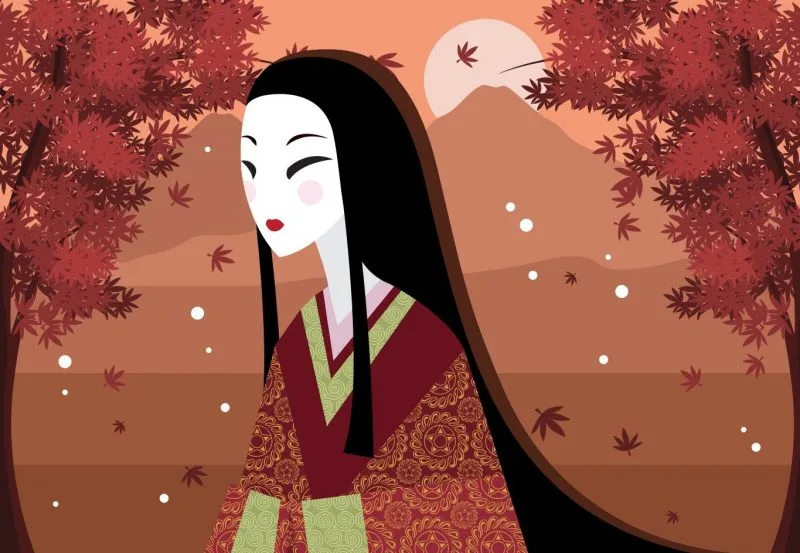
  • How to win over and date a Japanese woman – Tips and curiosities

    How to win over and date a Japanese woman – Tips and curiosities

    Met a Japanese girl and have no idea how to win her over? No idea how dating works in Japan? In this article, we will see all the details on how you can win over and date a Japanese girl.

    The tips contained in this article will help not only men to win over Japanese girls but can also help women understand how the mind of a Japanese person works. Girls just need to do a reverse engineering of this article and apply some of the advice written here. Girls can read our article on how to win over Japanese men.

    Have you ever wondered why Japanese women don’t shave their pubic hair? Click here to also read our article: Why Japanese women usually don’t shave.

    The ultimate guide to winning over and dating a Japanese girl

    This is not a flirting guide

    I want to make it clear that no human being is the same as another, we do not want you to create expectations and stereotypes with this article. Many end up getting upset with this type of article and guide, not understanding the true intention of the article.

    The goal of this article is to specify how dating works in Japan and how you can immerse yourself in Japanese customs and do things in the most correct and appropriate way possible. We use the term win over a Japanese girl to attract more readers, but it is not our intention to support this type of flirting content.

    Keep in mind that many Japanese women or descendants living in Brazil do not have knowledge of Japanese culture or language. Do not imagine that we are creating a foolproof guide or saying that all girls are the same.

    Sometimes you will need to use standard methods to win over a girl who probably has no interest in Japan, much less in anime and manga.

    I do not want you to think that I am stereotyping Japanese women; there is no rulebook or guide to win over specific girls. Still, I need to use the term win over a Japanese girl; otherwise, readers won’t find the article.

    Although there are specific cultures, the tips may or may not apply to any girl, regardless of nationality. On the contrary, this guide is about scientific and cultural studies of common behaviors, not generalizations or machismo.

    What do you need to know before winning over a Japanese girl?

    The first thing you need to know is that many Japanese people are extremely shy. This is the main factor that prevents many relationships from happening. Things happen as slowly as possible in Japanese relationships; perhaps your Brazilian socializing skills can either make you stand out or drive the girl away at once.

    If you are only interested in hooking up with a Japanese girl, you better be aware that most Japanese women are delicate and tend to have a good moral. In this guide, you will understand that winning over a Japanese girl requires effort and true love, not just desires.

    The ultimate guide to winning over and dating a Japanese girl

    Japanese culture tends to be extremely shy when it comes to public affection. Things like kissing, hugging, and even holding hands can be a difficulty at the beginning of the relationship due to the couple’s shyness.

    Of course, you will find outgoing and shameless Japanese women, just as you will find Japanese women who only have sex after marriage, even though there is no religious law. Let it be clear in your mind that no woman is the same, do not stereotype women just because they are Japanese or because certain cultural customs exist in Japan.

    It is impossible to write a guide on winning over Japanese women because even if they follow a cultural pattern, there are still subcultures like moekei, tsundere, burikko, kigatsuyoi, gyaru, and many others. Not to mention descendants and the regional cultural differences of the country. A girl from Osaka is completely different from a girl from Tokyo or Okinawa.

    The best and main tip is: Get to know the girl, show interest in her, and be her friend. Only by getting to know each girl individually will you be able to win her over! Still, I hope the tips in this article help you get an idea of what to do when trying to win over a Japanese girl.

    Main myths in Japanese relationships

    Many people think that Japanese women are cold people, one of the biggest myths of humanity. This certain coldness that some Brazilians believe exists is one of the results of extreme shyness and Japanese customs. The great truth is that Japanese people are taught from an early age to put others before themselves.

    It is rare for a Japanese girlfriend to explode and express her feelings and anger. You need to be very observant to know what the girl is thinking about you. When you are in a relationship with a Japanese girl, you will understand that even if she is very angry about something, she will hardly express it. Since this is just a stereotype, you might have the chance to win over a Japanese girl who says everything she thinks.

    The ultimate guide to winning over and dating a Japanese girl

    Another mistake is thinking that you have no chance with a Japanese girl because you are not Japanese. This old tradition of Japanese dating Japanese no longer exists. On the contrary, Japanese women often prefer foreigners precisely because they are not so shy.

    Is it true that Japanese parents do not approve of relationships with foreigners? It is true that many parents are conservative, but most of the time, parents look to see if the suitor is properly prepared for a relationship. They usually look at your job, financial condition, customs, and culture. Just be respectful like a Japanese person!

    Despite the custom of not showing affection in public, it does not mean that you won’t find it on the streets. It is much rarer than in Brazil, but you will indeed find public affection on the streets like kisses and hugs. This is yet another stereotype that people create about Japan; there is no law prohibiting affection in public.

    How to win over and date a Japanese girl – Tips and curiosities

    Tips on how to win over a Japanese girl

    You should pay attention to traditional tips for winning over a girl regardless of her nationality. Girls have similar characteristics, such as playing with their hair and directing their legs towards you when they are interested. You should always be an observer and try to pick up on these signals in a conversation.

    You should consider the famous cliché tips like being elegant, a gentleman, and sociable. You need to put your shyness aside, create opportunities, and make the girl laugh (this is the key). Do not try too hard to the point of scaring the girl; know how to converse and take at least 30 seconds before viewing and responding to a message.

    Some Japanese girls like to be treated like a princess, in a sweet and gentle way. Of course, you should not do this in a scary way; do not be mushy and do not overdo it, just do simple things and gentlemanly gestures like opening the door, carrying something heavy, or sending a message asking how her day was. After all, being a gentleman is the duty of every respectable man.

    There are things that can make a Japanese girl’s heart race (doki-doki) like rolling up the sleeves of your shirt, taking something from a high shelf for her, and even giving her a pat on the head. Of course, to make these gestures, it is good to have a certain intimacy and do it at the right moment. These are simple gestures you can do to impress any girl.

    The ultimate guide to winning over and dating a Japanese girl

    Getting to know and talking to a Japanese girl

    First, be yourself! No one likes someone who pretends to be someone else. Then try to find out what the Japanese girl likes. Try to look at her social media like Instagram to find common aspects and try to apply them in a conversation. Having a basic knowledge of Japanese culture and the Japanese language is essential if you want to win over a native Japanese girl who follows cultural customs.

    One of the great difficulties in winning over a Japanese girl is that she will almost never show interest first. Unless she is a Japanese woman in her 30s, where culturally it is the age when some become desperate in search of a husband (I’m not saying this, just watch a dorama), I say from personal experience.

    Never try anything in front of other people; some Japanese women simply hate feeling pressured. For example, trying something in front of her friends is one of the worst things you can do. No woman likes to be suffocated or feel uncomfortable, so wait until she is alone to try certain moves.

    The ultimate guide to winning over and dating a Japanese girl

    When talking to a Japanese girl alone, it can be much easier for her to open up and talk about the things she likes or certain subjects that she would hardly talk about in public. Always remember to take it slow; shy women do not appreciate certain gestures or attitudes that are too direct. Trying to rush things is digging your own grave and scaring the girl.

    Telling her you like her and inviting her out

    You need to exude more confidence, show that you are a decisive man and a friend. Japanese women prefer people close like a friend; perhaps the friend zone is not as dangerous a place as it seems. After you have a friendship, many common conversations, and hints that she is interested, you can try to confess your feelings or invite her out on a date.
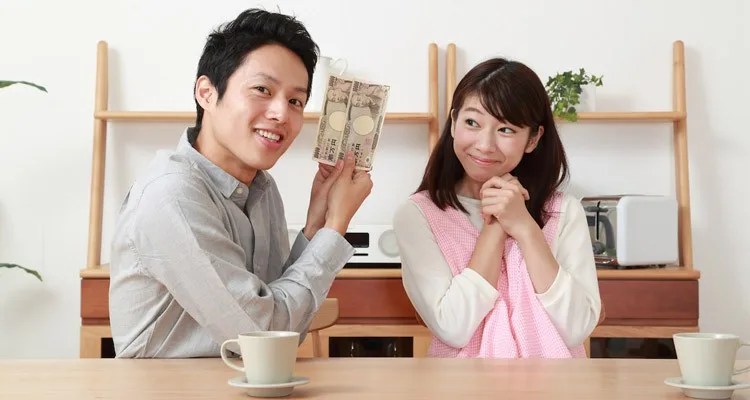
    Japanese people usually confess their love (kokuhaku) before they start dating or even going out. Of course, to do this, you need to be absolutely sure that you want to express your feelings and find the right moment for it. If you win her over, she may end up confessing her love for you. Make sure to spend a good amount of time with her.

    The ultimate guide to winning over and dating a Japanese girl

    Culturally, Japanese women are extremely polite and may easily accept your invitation for a date. This does not mean that she is interested in you; she may just not want to say no. Others may refuse to go out, but that does not mean she does not like you; she may just be scared and shy.
    Some Japanese women wait for the right date to enter into a relationship or have a date. The end of the school year, Valentine’s Day, and Christmas are the main dates for having romantic dates. Just be careful not to invite the girl out without understanding how these dates work culturally.

    Other tips about Japanese relationships

    Do not think about inviting her to live with you unless you want to get married. If you live together without being married, the parents are probably already preparing for the wedding ceremony, and the girl is likely thinking about baby names. This is a joke, but it’s good to make sure or clarify your intentions in the relationship.

    How to win over and date a Japanese girl – Tips and curiosities

    In Japan, girls give gifts on Valentine’s Day on February 14. On March 14, boys must return this gift on a holiday called White Day. The real Valentine’s Day, like in the West, happens on Christmas Eve. Remember to spend it with your girl and not with family.

    Of course, things don’t stop there; there are several articles on our site that delve deeper into the subject of relationships with Japanese people. Below we will leave a list of articles that you can read later.

    The ultimate guide to winning over and dating a Japanese girl

    Points for success in a Japanese relationship

    I want to conclude this article by making a checklist of points we covered. This way, you can quickly summarize the main points you should keep in mind when winning over and dating a Japanese girl or any other girl regardless of nationality.

    • Be yourself;
    • Have common sense, be moderate;
    • No girl(boy) is the same, adapt;
    • Japanese women are shy, bashful, and fearful;
    • Parents are not a difficulty;
    • Japanese women usually do not express their feelings;
    • You need to understand and respect Japanese culture;
    • You need to learn the basics of the Japanese language;
    • You need to know what she likes;
    • You need to be patient and take it slow;
    • Treat the girl like a princess, do small gestures;
    • Confess your feelings the Japanese way (kokuhaku);
    • Spend a lot of time with the girl, become a friend;
    • Do not pressure the girl;
    • Do not forget important dates;
    • Do not try too hard to the point of scaring the girl;

    To finish the article, I will leave a cool video of a foreigner interviewing Japanese people about relationships and marriages with foreigners. Just turn on the YouTube subtitles to understand what they are saying in Portuguese:

  • Itsuo Okada – The last samurai of Japan

    Itsuo Okada – The last samurai of Japan

    Itsuo Okada, better known as “Joe Okada”, is the only living samurai left from the Showa era (preceding the current era). Yes, the last samurai is not that foreigner from the Tom Cruise movie. Now, jokes aside, we all know that real samurais have not existed for 150 years, since the Meiji Restoration. In fact, Okada only became a “samurai” after he started practicing the art of handling the katana.

    This is because, unlike an authentic samurai, Okada was not born into a clan that was part of that caste. Itsuo Okada, 88, has been working as a tour guide for over 50 years in Kyoto province. He not only works as a tour guide but also as an English interpreter and entertains tourists with his performances using his katana.

    Get to know the life journey of this “last samurai”:

    Itsuo Okada - The last samurai of Japan

    Youth and early career of Okada

    As mentioned before, Okada did not come from a samurai clan, as he was born at a time when that caste was already extinct. He first worked at a fire station when he was 20 years old; however, he always wanted to become a tour guide. To become one, he would have to learn English. Thus, he went to the United States for 8 months. Not to study in a school, but to work as a driver and learn English in his daily life. It was there that he adopted the nickname “Joe.”

    In 1962, with his English skills and tour knowledge, Joe passed a certification exam. Thus, he became a licensed guide. He first worked with a travel agency but ended up becoming self-employed in 1968, and it was at that time that “Samurai Okada” was born.

    The emergence of a samurai

    Apparently, many of his clients thought that samurais still existed and really wanted to meet one. Samurais disappeared a long time ago, of course. But still, Joe wanted to give his guests at least a glimpse of the tradition. That’s why he started practicing the art of katana and became the last samurai.

    Since he became a “samurai,” he performs many tricks with the sword. His show really entertains many people. Moreover, Joe Okada can teach katana skills in about five hours, according to the rules of Guinness.

    Itsuo Okada - The last samurai of Japan

    Another program he offers if you join his tour is the 5-hour walking tour in Kyoto. You will visit and explore some famous places in Kyoto. Places like the Kyoto Imperial Palace Forest, Buddhist temples, Shinto shrines, and the Shuseuitei garden.

    The last samurai Okada says he intends to continue as a guide until he is 90 years old. So don’t miss the opportunity to meet him when visiting Japan. To conclude the article, let’s leave a video of Samurai Okada:

  • Yu Yu Hakusho? – Media – Information – New Season

    Yu Yu Hakusho? – Media – Information – New Season

    Have you seen the anime yu yu hakusho? Did it finish? In this article, we will see some curiosities, information, images, and videos of yu yu hakusho. The possibility of a continuation or new season. Besides the manga, novels, and other extra and original materials.

    Will there be a continuation of the anime yu yu hakusho? Many people want to know when it will happen?

    Information about yu yu hakusho

    Synopsis of yu yu hakusho:Yu Yu Hakusho follows the story of Yusuke Urameshi, a delinquent who, in an uncharacteristic act of altruism, is hit by a car and killed while trying to save a boy by pushing him out of the way… Yusuke succeeds with the help of his friends Keiko Yukimura and Kazuma Kuwabara.

    Details about yu yu hakusho: – Yu yu hakusho is a classic written by the famous and procrastinator king of Hiatus Yoshiro Togashi. Its manga was released in 1990 and ended in 1994 with a total of 19 volumes. It had an anime by Pierrot studios with a total of 112 episodes from 1992 to 1994. The anime was even dubbed in Brazilian Portuguese.

    New season of yu yu hakusho

    Our site Suki Desu did an internet search about the new season of the anime yu yu hakusho and see what we found.

    The chances of a new season of the anime yu yu hakusho are:

    Possibly zero, since the manga has finished and it is unlikely that Togashi will continue as he hasn’t even finished 1. There have been various rumors that the anime could return with a special, movie, or remake, but so far none of them have materialized.

    For those who are unaware, there are OVAs made by the original artists, screenwriters, and voice actors with the aim of showing both events before and after the end in OVAs. These original OVAs are titled Eizou Hakusho and can be considered the continuation of the anime.

    On the 25th anniversary in 2018 of the series, Yu Yu Hakusho received a special OVA titled Two Shots.

    Read the original work of the anime yu yu hakusho

    You can have the continuation or extra information of yu yu hakusho by reading its original material.

    Images of the anime yu yu hakusho


    Videos of the anime yu yu hakusho