Karoshi (過労死) or death from overwork is not uncommon in Japan. This happens due to its work culture and various other factors. We have already written several articles discussing work in Japan, but today we will specifically talk about karoshi.
The main medical causes of deaths from karoshi are heart attacks and strokes due to stress. Malnutrition also shows up in some cases, and so does suicide when work is one of the main triggers. Japan was the first country to treat overwork death as its own workers' compensation category. Karoshi has been part of public consciousness since the 1980s.
What causes Karoshi?
The main factor behind karoshi is overtime. Although the government or some companies set a limit on overtime hours, many people still exceed it even when they are not being paid for those extra hours. Some people in the corporate world even keep working once they get home, just to finish what was left on the desk.
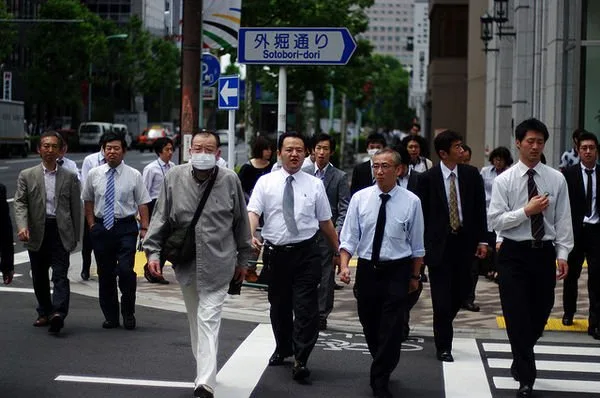
The culture of overworking emerged after World War II, when people were encouraged to work 12 hours a day for up to 7 days a week to boost the country's economy. Nowadays this is no longer necessary, but approved overwork cases still cluster around 80 to 120 hours of overtime in a month.
Work-related suicide sits in the same official picture. In fiscal 2024, Japan's Ministry of Health, Labour and Welfare recognized 1,056 cases of work-related mental disorders, including 88 suicides or attempted suicides. It is worth noting that Japan currently has more job openings than applicants, but simply losing a position can still lead a Japanese person to wish to give up on life.
There are several cultural factors that make a person work more than they should. Things like pride, honor, shame, and the desire to do their best end up causing Japanese people to work more than they should without even realizing it. The official karoshi line for brain and heart disease in workers' compensation is about 80 hours of overtime a month on average, or about 100 hours in the month before onset. Even those Japanese who do not work that much end up neglecting their health. They simply leave work and go drink or stay up all night on the computer, leaving no time to rest.
When will Karoshi end?
It is sad to say, but karoshi will not disappear anytime soon. The government has imposed fines and set limits, but unfortunately the problem is the Japanese desire to work. Some companies have tried to combat the phenomenon with various programs, but the change must start at a cultural level, which can take decades. As long as the Japanese continue doing excessive overtime voluntarily, cases of Karoshi will continue to happen. And you? What do you think about this subject? We await your comment.
Kevin Henrique has written about the Japanese language, culture, anime, games, and travel since founding Suki Desu in 2014. He first visited Japan in 2016.
Community
Comments
0 comments
There are no published comments in this language yet.


 The culture of overworking emerged after World War II, when people were encouraged to work 12 hours a day for up to 7 days a week to boost the country's economy. Nowadays this is no longer necessary, but approved overwork cases still cluster around 80 to 120 hours of overtime in a month.
Work-related suicide sits in the same official picture. In fiscal 2024, Japan's Ministry of Health, Labour and Welfare recognized 1,056 cases of work-related mental disorders, including 88 suicides or attempted suicides. It is worth noting that Japan currently has more job openings than applicants, but simply losing a position can still lead a Japanese person to wish to give up on life.
There are several cultural factors that make a person work more than they should. Things like pride, honor, shame, and the desire to do their best end up causing Japanese people to work more than they should without even realizing it. The official karoshi line for brain and heart disease in workers' compensation is about 80 hours of overtime a month on average, or about 100 hours in the month before onset. Even those Japanese who do not work that much end up neglecting their health. They simply leave work and go drink or stay up all night on the computer, leaving no time to rest.
The culture of overworking emerged after World War II, when people were encouraged to work 12 hours a day for up to 7 days a week to boost the country's economy. Nowadays this is no longer necessary, but approved overwork cases still cluster around 80 to 120 hours of overtime in a month.
Work-related suicide sits in the same official picture. In fiscal 2024, Japan's Ministry of Health, Labour and Welfare recognized 1,056 cases of work-related mental disorders, including 88 suicides or attempted suicides. It is worth noting that Japan currently has more job openings than applicants, but simply losing a position can still lead a Japanese person to wish to give up on life.
There are several cultural factors that make a person work more than they should. Things like pride, honor, shame, and the desire to do their best end up causing Japanese people to work more than they should without even realizing it. The official karoshi line for brain and heart disease in workers' compensation is about 80 hours of overtime a month on average, or about 100 hours in the month before onset. Even those Japanese who do not work that much end up neglecting their health. They simply leave work and go drink or stay up all night on the computer, leaving no time to rest.






Community
Comments
0 comments
There are no published comments in this language yet.
Send comment