
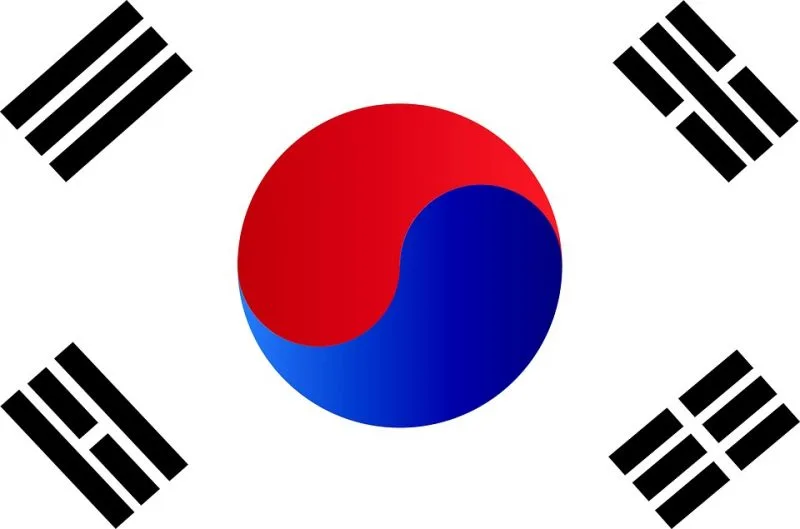
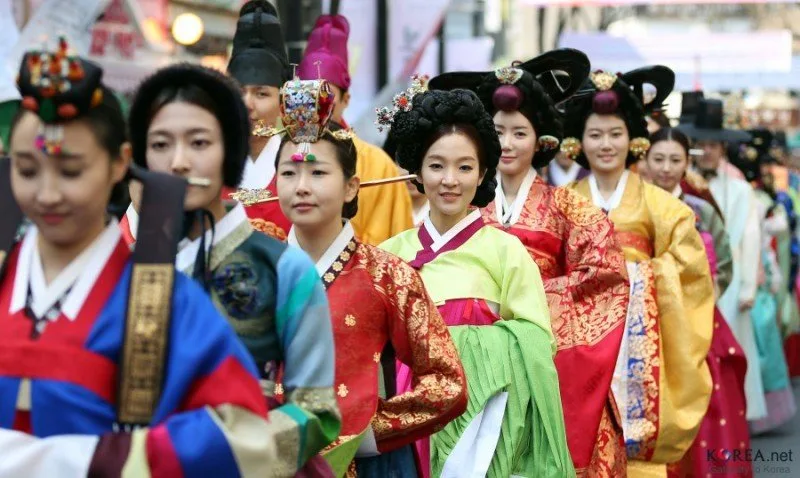
Few people know this, but Japanese culture and society have been influenced by Korea. Architecture, clothing, language, Buddhism, and Chinese characters are all part of a cultural transfer that came through the Korean peninsula.
From the mid-5th century to the 7th century, Koreans introduced metallurgy, stone ceramics, legislation, and Buddhism to Japan. To this day, many people believe that all of this came directly from China. In reality, these cultural influences reached Japan through Korea.
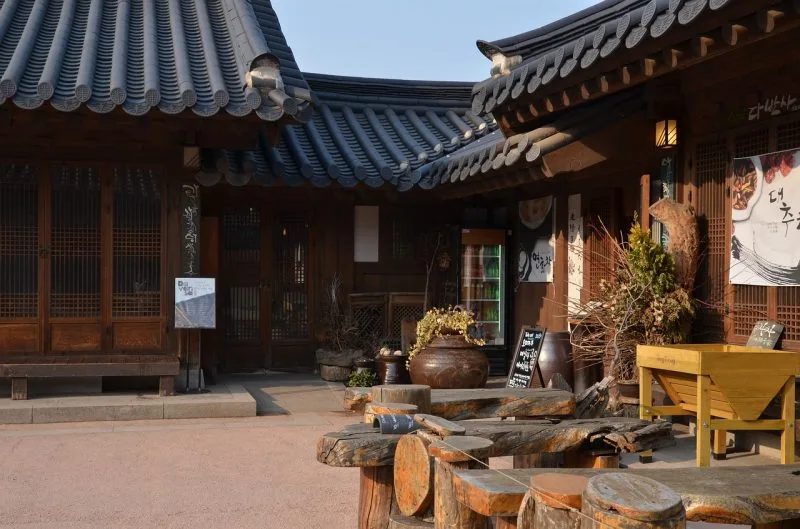
Many Korean influences in Japan originated in China, but they were adapted and modified in Korea before reaching Japan. The role of the ancient Korean states in transmitting continental civilization has long been overlooked, and nationalist interpretations in Japan often make the subject even harder to discuss.
Korean Influences in Ancient Japan
The Korean influence in Japan goes back to the migration of Koreans to Japan. In the early 9th century, a survey of important Japanese clans showed that out of 1,182 noble families, 247 came from Korean kingdoms and 176 came from China.
Much of the knowledge that Koreans passed on to Japan originally came from China. But if the Japanese had relied only on Chinese sources for outside influence and inspiration, the scale of Chinese influence would have looked much smaller than it does today.
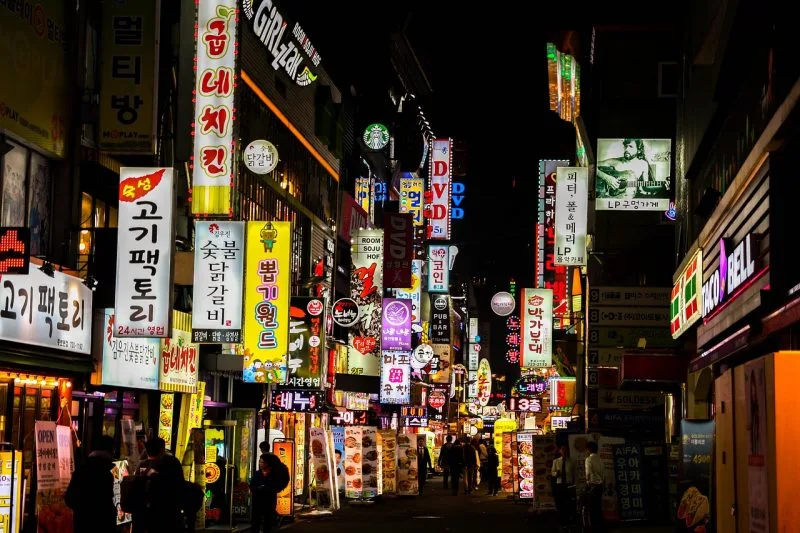
The sea routes to China were much longer and more dangerous than those to Korea. For centuries, direct contact with China was difficult because of Japan's political weakness. Contact with Korea, however, never stopped. As a result, Chinese influence continued to arrive in Japan filtered and reshaped by Korea.
Denial of Korean Influences in Japanese Society
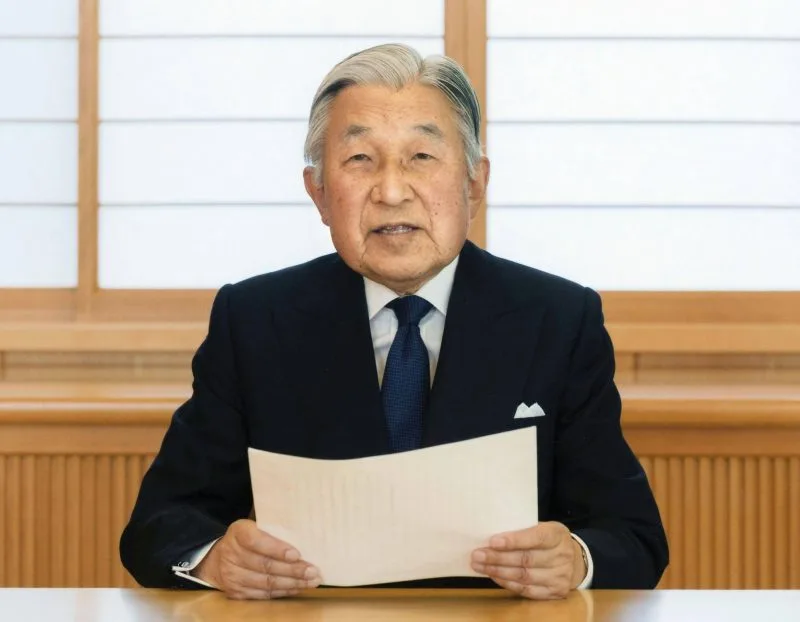
Since Emperor Akihito made a declaration about Korean ancestry in the bloodline of the Imperial Family, nationalist movements in Japan have lost strength. These movements were based on the idea that Japanese culture and society were shaped only by internal development, not by outside relations. Even so, they never fully denied the influence Japan received from China.
Until then, it was considered taboo to talk about Korean influences in Japanese culture. That taboo was reinforced by political tensions between Korea and Japan. However, since the emperor's own statement, the topic has become much easier to discuss openly.
If you want to go deeper into the broader historical context, you can also read about Japan's relations with the outside world and Buddhism in Japan. These connections help explain how Japan absorbed and transformed outside influences over time.





Community
Comments
0 comments
There are no published comments in this language yet.
Send comment