

A slice of toast in the mouth, a jacket half pulled on, a collision around the corner: few anime scenes have been parodied as often as the character who is late for school. The «toast in mouth» trope is a fixture of school and romantic comedy anime and has long become a meme of its own. This article explains why the scene works, where it comes from, what bread means in Japan and which series use it.
Contents 8
What exactly is the cliché?
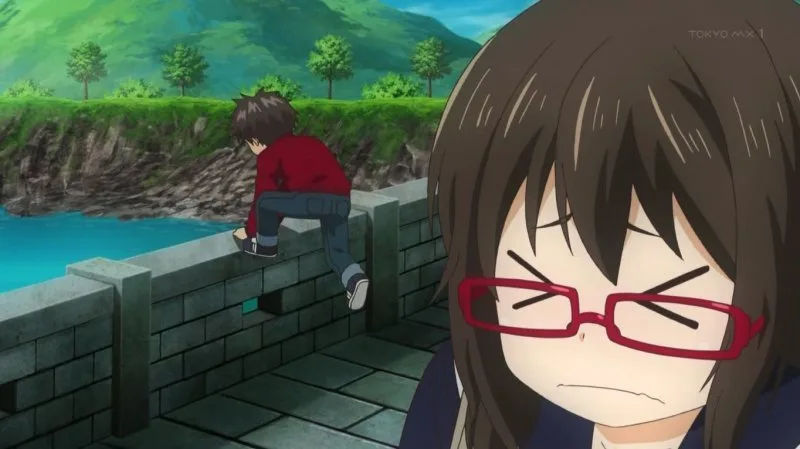
The scene almost always follows the same pattern: a character oversleeps, runs out of the house with a slice of toast or a roll in their mouth and tries to put on a jacket at the same time. Around the next corner they bump into someone, often the crush or the senpai, and lose crumbs, jam or papers. The entrance works as a quick introduction: the character is unpunctual, a little clumsy and still likeable.
The scene is typical of romantic comedy and slice-of-life anime. It breaks the mould of the perfect character and delivers a dose of comedy in seconds without much explanation.
Why the scene appears so often
As storytelling, the scene is extremely efficient. In a few images it shows that someone overslept, is in a hurry and is heading to school, and it brings two characters together who might otherwise never meet. For series with large casts, that is practical exposition: the viewer learns about traits and relationships while something is happening.
There is also the eating factor. In Japan, eating while walking is considered impolite, so a character running down the street with bread in their mouth deliberately breaks a rule. That small violation makes the character relatable and ridiculous at the same time.
Why bread in Japan?

Bread is not part of traditional Japanese cuisine. It spread widely only after the Second World War and became popular as school lunch and breakfast; the soft Japanese milk bread known as shokupan is still common in bakeries. For a quick morning meal, toast is ideal, and for a scene in which someone has no time it is both realistic and instantly readable.
The mix of Western bread and Japanese school life also makes the scene a small symbol of postwar modernity: an everyday world in which rice and bread exist side by side.
Where the cliché comes from
The exact origin is not settled, and the best-known explanations are traces rather than proof. A common claim points to the manga Tsuraize! Boku-chan by Takahashi Ryouko from 1975, but bread was still uncommon in Japan at the time, and fans who searched archives for the scene did not find it. Others point to a manga by Motomura Miyoko from 1968 in which a character really does run with a loaf of bread in her mouth.
Some see the roots in American youth novels of the 1950s, which contain similar scenes. For early anime, fans often name the parody film Project A-ko from 1986 or the first episode of Mobile Suit Gundam, in which Amuro Ray chews a sandwich. None of these beginnings can be proven with certainty, and that is exactly what keeps the question interesting.
From cliché to meme

From the 2010s the scene became a joke in its own right. Tumblr and forum projects collected screenshots of anime characters with toast in their mouths, and photo trends followed in which real people ran around with objects in their mouths. The English line «Shit, I'm late for school!» became the standard caption for such images. Today the motif appears in advertising, fan art and parodies, a sign that the scene has lost its innocence and is now quoted on purpose.
Examples from anime
The list of series that use the motif is long. Commonly mentioned are:
- Cardcaptor Sakura: the magical girl series uses the scene in its everyday sections.
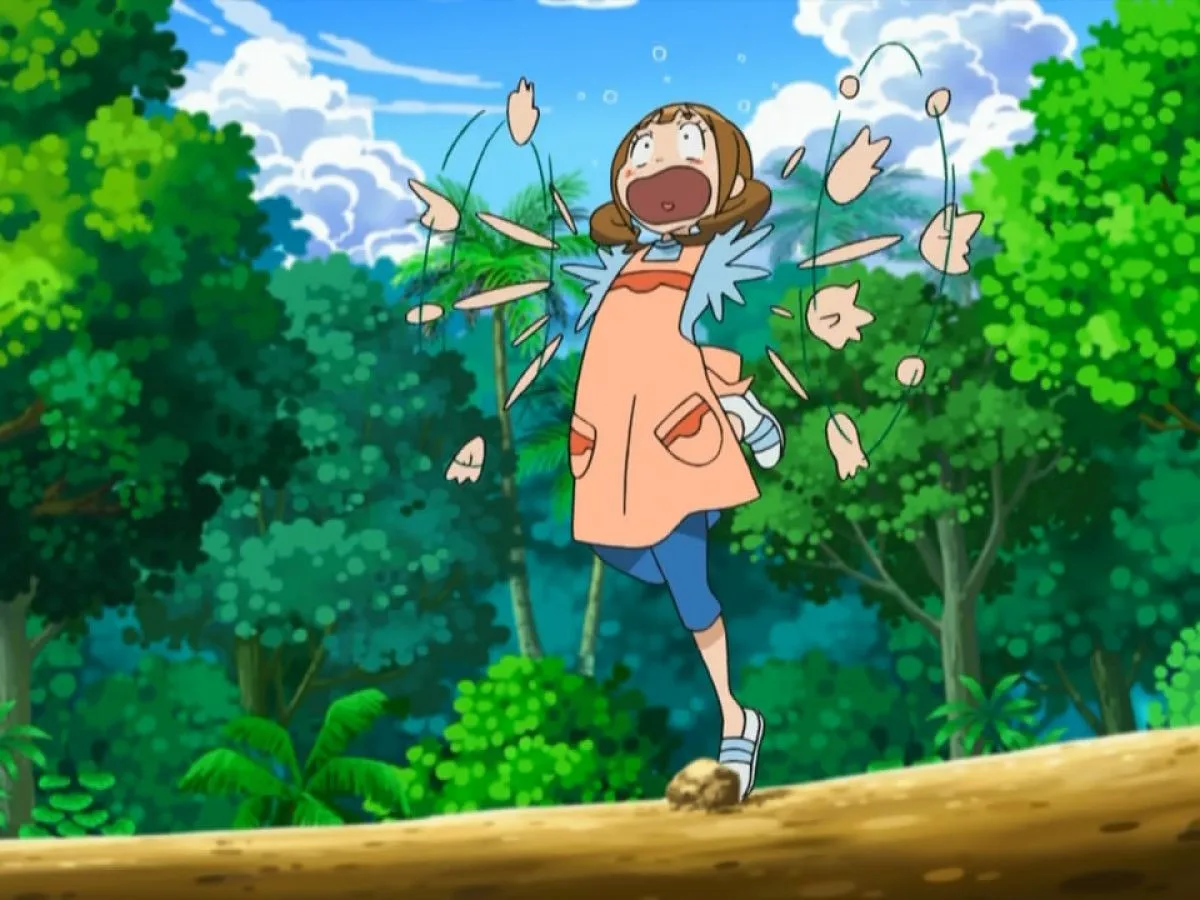
- Pokémon: a hurried morning is part of its repertoire too.
- Neon Genesis Evangelion: the series quotes school and everyday patterns on purpose.
- Nisekoi, Maid-sama! and Seitokai Yakuindomo: romantic comedies where the scene introduces characters.
- Black Butler and Code Geass: the motif appears as a quote outside the school genre as well.
If you enjoy the scene, the list of the best comedy anime and the full list of anime clichés collect more recurring patterns. Controversial anime also like to quote the motif for effect.
Why the cliché survives

Clichés survive because they work. The toast scene is cheap to animate, immediately understandable and endlessly variable: with a roll, an onigiri or a slice of pizza. It can be serious, funny, romantic or self-mocking. And it reminds us that anime everyday life is often made of small, recurring images that fans around the world recognise instantly.
Final thoughts
Whether the first toast scene appeared in a 1960s shoujo manga, an American youth novel or a 1980s anime cannot be settled for good. What is certain is that the image of the running student with bread in their mouth has become one of the best-known motifs in anime culture, and an example of how a small everyday scene turns into a worldwide meme.



Community
Comments
0 comments
There are no published comments in this language yet.
Send comment