
Itsuo Okada, known to almost everyone as Joe Okada, is one of the last living memories of old Japan. People call the man from Osaka the "last samurai", even though he was not born into a samurai family: the caste was abolished in the 19th century. What made him famous was the sword, because since 1977 he has been showing tour groups in Kyoto how a samurai moves.
Today Okada is past 90 and still working. He gives talks, leads small groups through Kyoto and, by his own count, has appeared on Japanese television more than 100 times. This article follows his life and explains what is legend and what can be verified about the "last samurai".

Contents 5
Early life and the war years
Itsuo Okada was born in Osaka in 1929. At five he moved with his father to the Manchurian city of Fengtian, today Shenyang, and returned to Japan a few years later. During the war he was mobilized like many students and worked in a factory in Amagasaki making propellers for Zero fighter planes. A B-29 raid destroyed the plant, and six months later the war ended.
That collapse is the background for his later career. The samurai as a class had long ceased to exist: the Meiji Restoration dissolved the domains, banned the carrying of swords and folded the warrior caste into modern society. When people call someone the "last samurai" today, they usually mean an attitude to life rather than a historical rank. Anyone who wants the full background can start with the history of imperial Japan and the Meiji Restoration.
From factory worker to tour guide
After the war Okada got by with various jobs. He worked in US Army camps, served as a firefighter and eventually became the driver for an American farming couple. They took him to the United States, where he drove during the day and learned English at night school. Back in Japan he sat the licensed guide and interpreter exam, and passed only on his third attempt. He was 32 at the time.
His nickname comes from his first client, who was called Joe. At first he worked as a staff guide for a travel company, and in his forties he went freelance. The interpreter for English-speaking guests became a guide who did not just show temples but could explain what visitors were seeing. For many travelers to Japan he was the first person who made the country's culture genuinely accessible.

The birth of "Samurai Okada"
In 1977 Okada started a show for foreign tour groups at Fushimi Momoyama Castle in Kyoto. He gathered masters of several arts: karate, ninjutsu, iaido, tea ceremony, ikebana, kabuki and Kyo-mai dance. A program lasted 90 minutes and cost 6,000 yen per person at the time. The show ran for 13 years and was performed 1,700 times, drawing around 130,000 guests, including professional athletes and corporate groups from abroad.
At first Okada was only the host. Then an iaido master injured his own hand during a performance, and Okada took over the part himself. He learned by watching, as he later explained, and had plenty of opportunity to practice through the many shows. That is how the guide became a swordsman, and the name "Samurai Okada" stuck. The ethical foundations of that attitude are explained in Bushido, the way of the samurai. To see that the warrior caste was not exclusively Japanese, read the story of Yasuke, the Black samurai.
Katana, Guinness and the apple in the air
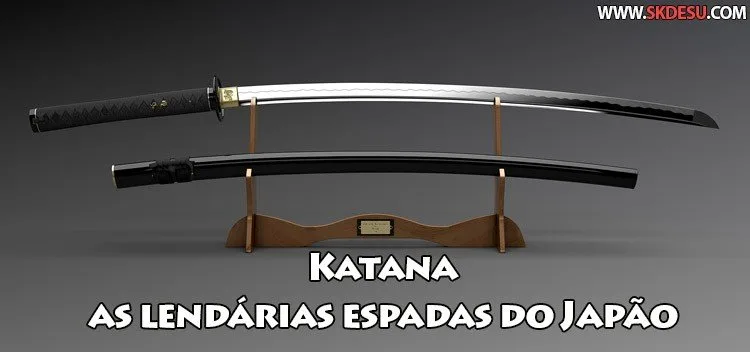
What made Okada famous was a single trick: cutting apples thrown through the air. According to his website, this variant of iaido has been recognized as a discipline by Guinness World Records, and two of his students from the United States appear in the Guinness Book with their records. Okada himself says he has performed the cut around 2,200 times and now teaches the technique in courses based on the Guinness rules.
He was also a television regular: more than 100 appearances in Japan and over 30 abroad, including the David Letterman show and Regis Philbin in New York. For many viewers he was the first Japanese person to present the samurai not as a historical pose but as a craft. What sets him apart is that he explains the technique instead of playing a stereotype. If you want more about the history of the caste, the curiosities about the samurai are a good next stop.
Kyoto tours and daily life past 90
Since 2012 Okada has offered the "Cool Kyoto Walking Tour": small private groups led by him in person, usually between 10 a.m. and 4 p.m., at a day rate of 70,000 yen. Stops include the Kyoto Gyoen with the imperial palace, temples, shrines and the Shusuitei garden. Visitors can also book a course in which he teaches sword handling according to Guinness rules. Anyone who wants to explore the city on their own first will find the main sights in the Kyoto travel guide to history and sights.
He now passes on his knowledge in talks as well. In March 2025 he spoke at the castle festival in Matsue to an audience of a hundred about his life and about how to explain Japan to guests from abroad. The announcement described him as Japan's oldest licensed guide, then 95 years old. He lives in Maizuru, Kyoto Prefecture, and estimates that he still works around 100 days a year.
After all these years, the "last samurai" of Japan is no longer a historical caste. Okada is the last representative of a generation that lived through the war and then took on the task of passing that experience on, as a translator between two cultures. If you visit Kyoto and want to meet him, his official site lists the dates. If you want to go deeper into the history of the samurai and their path into modernity, the article on the shogunate and the military government of the samurai continues the story.

Community
Comments
0 comments
There are no published comments in this language yet.
Send comment