The Japanese are famous for being polite, humble, and respectful. But this is not a concept of universal and unquestionable acceptance as seen by some more observant foreigners and even some slightly indecorous Japanese. A Korean even said: While Koreans are not rude and genuine, the Japanese are polite and false.
It is known that we cannot take the image as a rule. The fact is that, since the Japanese use an indirect approach in their relationships, masking themselves through the appearances of social occasions, it is common for poor Westerners not to catch this dialectical game. But the calm nature of the Easterners from distant Japan values polite treatment to avoid problems.
In general, the Japanese are indeed polite. The culture shapes them this way, and they act so naturally that they do not even realize they are. For better understanding, see our article Honne and Tatemae, which is an attempt to explain this typical Japanese quirk.
Japan is a country with a population of over 125 million. And in the small territory of islands, there are people with very different traditions, history, and customs. Therefore, for the reader, it is useful to understand the disparity of behavior that can be found in that people. Some are closed, indifferent to others, repressing their own feelings; while others are the opposite, even resembling what is considered the image of our own people, the Brazilians.
Contents3
Is Japanese politeness false?
Who has never tried to be polite to get a job or impress someone? The truth is that the whole world is dominated by people without education or who appear to be polite only at convenient moments. Even with dear friends, sometimes we need to pretend to be polite, even though we wish otherwise.
The same thing happens in Japan! The big difference is that the Japanese need to be polite almost all the time if they want to be accepted in society. Saying a simple good morning, asking how someone is, or thanking for anything are universal customs that have been decreasing more and more worldwide.
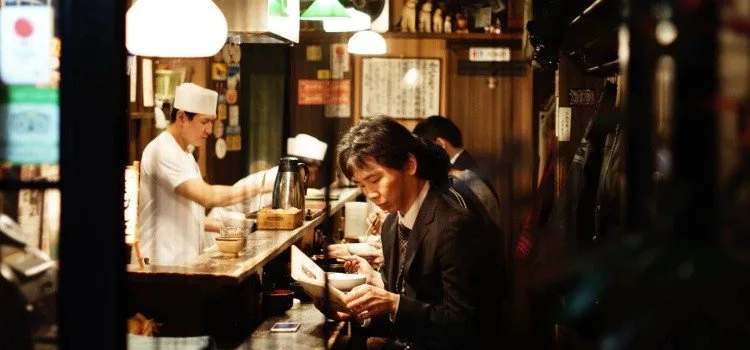
The truth is that not everyone wants to be polite all the time. I do not wish to offer something, but I do it out of politeness... Many go through this same situation. So in a way, we cannot say that there is false politeness. Politeness is exactly doing more for others even when we do not wish to.
We can say that false politeness only happens when there is a strong lack of empathy, narcissism, manipulation, racism, or selfishness. These people pretend to be polite, but in reality, they can ruin anyone to get what they want.
Being polite is being nice to another person even when you don't want to!
Is Japanese politeness something genuine?
Some children tend to be messy until they reach school age and learn the rules and good manners that are taught. Some elderly people do what they want and are generally rude because they believe they have the right. The truth is that there will always be egotistical people or those who do not follow the standards established by society.
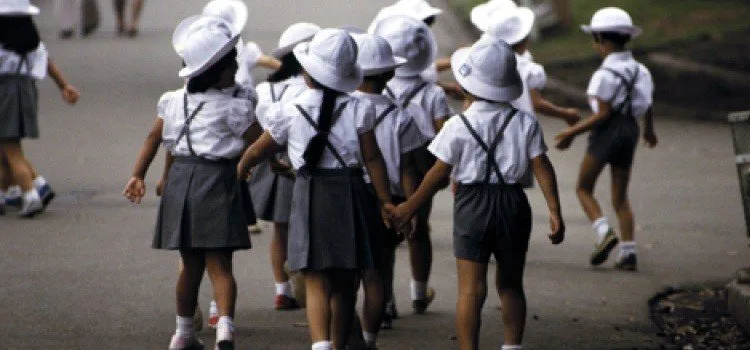
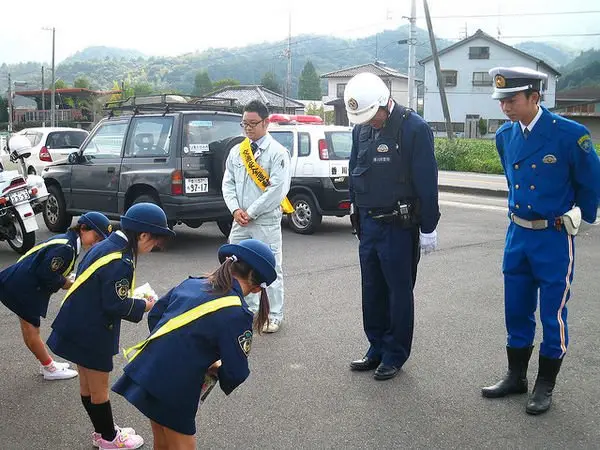
Most Japanese are polite mainly because of a sense of duty. In Japan, there is incredible social pressure to behave well, respect, follow rules, and do things in groups. Despite all this, we can affirm that Japanese politeness is something real, ingrained, and consistent, not something false.
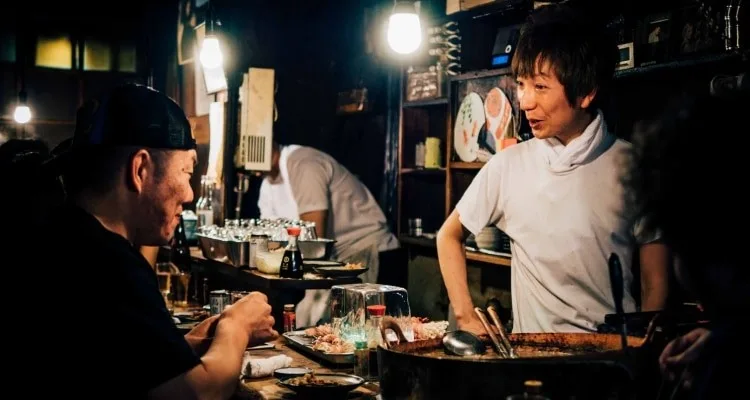
Culture and society exert a great power over how the Japanese are. It is not just out of obligation; most Japanese feel joy in acting politely. The mentality of doing good for others is what keeps Japan safe and progressing! If everything were driven by falsities, Japan would never achieve its reputation for being polite!
They do not just learn protocols of politeness, but they learn to have respect and mutual consideration. How many examples of honesty and help do we need to remember to show that Japanese politeness is something genuine? Even members of the Yakuza show respect and politeness within society; why would others not do the same?
Another thing we can mention is that many feel shame and shyness! I myself have refrained from saying good morning or even thanking because of my shyness and embarrassment. Now imagine the Japanese, who are famous for their extreme shyness? You can observe in Japanese society that most people exchange greetings with a smile on their faces.
What can we learn from Japanese politeness?
The Japanese are taught to always be aware of how to act, yes always, so as not to stand out. These "polite" gestures are just something they do in their daily lives, and when they do this, it means nothing. They just do what they are taught to do.
While some may find this false, keep in mind that if you do not do the same, they will think you are a rude person. Many Brazilians in Japan complain about certain attitudes of the Japanese, but many who complain do not make an effort to say a simple good morning and make friends with a Japanese.
Have you ever tried to befriend a Japanese? You will see how they value friendship; you will see what true friendship is! A friendship without interests, a friendship without intruding in each other's lives when not asked. Even when they do not want to, the Japanese consider others before themselves.
What did you think of this subject? Do you agree with the words of the article? We are happy to hear your opinion in the comments and your sharing on social media!
Kevin Henrique has written about the Japanese language, culture, anime, games, and travel since founding Suki Desu in 2014. He first visited Japan in 2016.
Community
Comments
0 comments
There are no published comments in this language yet.


 In general, the Japanese are indeed polite. The culture shapes them this way, and they act so naturally that they do not even realize they are. For better understanding, see our article Honne and Tatemae, which is an attempt to explain this typical Japanese quirk.
Japan is a country with a population of over 125 million. And in the small territory of islands, there are people with very different traditions, history, and customs. Therefore, for the reader, it is useful to understand the disparity of behavior that can be found in that people. Some are closed, indifferent to others, repressing their own feelings; while others are the opposite, even resembling what is considered the image of our own people, the Brazilians.
In general, the Japanese are indeed polite. The culture shapes them this way, and they act so naturally that they do not even realize they are. For better understanding, see our article Honne and Tatemae, which is an attempt to explain this typical Japanese quirk.
Japan is a country with a population of over 125 million. And in the small territory of islands, there are people with very different traditions, history, and customs. Therefore, for the reader, it is useful to understand the disparity of behavior that can be found in that people. Some are closed, indifferent to others, repressing their own feelings; while others are the opposite, even resembling what is considered the image of our own people, the Brazilians.

 The truth is that not everyone wants to be polite all the time. I do not wish to offer something, but I do it out of politeness... Many go through this same situation. So in a way, we cannot say that there is false politeness. Politeness is exactly doing more for others even when we do not wish to.
We can say that false politeness only happens when there is a strong lack of empathy, narcissism, manipulation, racism, or selfishness. These people pretend to be polite, but in reality, they can ruin anyone to get what they want.
The truth is that not everyone wants to be polite all the time. I do not wish to offer something, but I do it out of politeness... Many go through this same situation. So in a way, we cannot say that there is false politeness. Politeness is exactly doing more for others even when we do not wish to.
We can say that false politeness only happens when there is a strong lack of empathy, narcissism, manipulation, racism, or selfishness. These people pretend to be polite, but in reality, they can ruin anyone to get what they want.
 Culture and society exert a great power over how the Japanese are. It is not just out of obligation; most Japanese feel joy in acting politely. The mentality of doing good for others is what keeps Japan safe and progressing! If everything were driven by falsities, Japan would never achieve its reputation for being polite!
They do not just learn protocols of politeness, but they learn to have respect and mutual consideration. How many examples of honesty and help do we need to remember to show that Japanese politeness is something genuine? Even members of the Yakuza show respect and politeness within society; why would others not do the same?
Culture and society exert a great power over how the Japanese are. It is not just out of obligation; most Japanese feel joy in acting politely. The mentality of doing good for others is what keeps Japan safe and progressing! If everything were driven by falsities, Japan would never achieve its reputation for being polite!
They do not just learn protocols of politeness, but they learn to have respect and mutual consideration. How many examples of honesty and help do we need to remember to show that Japanese politeness is something genuine? Even members of the Yakuza show respect and politeness within society; why would others not do the same?
 Another thing we can mention is that many feel shame and shyness! I myself have refrained from saying good morning or even thanking because of my shyness and embarrassment. Now imagine the Japanese, who are famous for their extreme shyness? You can observe in Japanese society that most people exchange greetings with a smile on their faces.
 While some may find this false, keep in mind that if you do not do the same, they will think you are a rude person. Many Brazilians in Japan complain about certain attitudes of the Japanese, but many who complain do not make an effort to say a simple good morning and make friends with a Japanese.
Have you ever tried to befriend a Japanese? You will see how they value friendship; you will see what true friendship is! A friendship without interests, a friendship without intruding in each other's lives when not asked. Even when they do not want to, the Japanese consider others before themselves.
What did you think of this subject? Do you agree with the words of the article? We are happy to hear your opinion in the comments and your sharing on social media!
While some may find this false, keep in mind that if you do not do the same, they will think you are a rude person. Many Brazilians in Japan complain about certain attitudes of the Japanese, but many who complain do not make an effort to say a simple good morning and make friends with a Japanese.
Have you ever tried to befriend a Japanese? You will see how they value friendship; you will see what true friendship is! A friendship without interests, a friendship without intruding in each other's lives when not asked. Even when they do not want to, the Japanese consider others before themselves.
What did you think of this subject? Do you agree with the words of the article? We are happy to hear your opinion in the comments and your sharing on social media!




Community
Comments
0 comments
There are no published comments in this language yet.
Send comment