
Contents 4
Hetalia Axis Powers: history as comedy, and a diplomatic mess
Hetalia Axis Powers turns countries into eccentric characters and puts them through wartime politics with a gag-comic tone. The jokes lean on national stereotypes, which is exactly why the series can feel light to some fans and insulting to others when real history is still raw.
The flashpoint came with the anime adaptation. In January 2009, a petition on South Korea’s Daum portal gathered well over 10,000 signatures in a day and later surpassed 15,000 unverified names, asking for the series to be cancelled. Lawmakers framed the dispute as a diplomatic offense, not a criminal case. On the Japanese side, cable channel Kids Station — which had planned a short weekly run — pulled the broadcast under “various circumstances,” even while stressing that the anime version did not include the Korea character from the manga. The show still found other distribution routes, but the TV premiere in Japan became a symbol of how far online anger could travel.
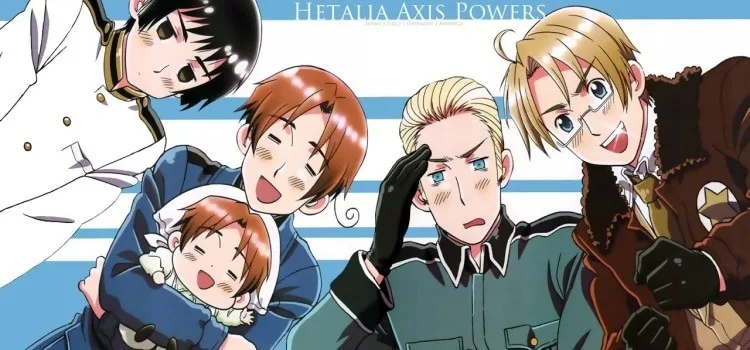
What makes Hetalia instructive is the gap between intent and reception. A parody of history can read as entertainment in one market and as a reopening of wounds in another. The controversy was less about a single joke and more about who felt spoken over when nations were reduced to punchlines.
Hadashi no Gen (Barefoot Gen): Hiroshima on the page, and a school-library fight
Hadashi no Gen, better known abroad as Barefoot Gen, follows a boy in Hiroshima through the atomic bombing and its aftermath. The manga comes from Keiji Nakazawa, who lived through 6 August 1945 as a child. That biographical weight is why the work is taught, reprinted and adapted — and why its images refuse to stay abstract.
The pages show burned bodies, melting flesh and the collapse of everyday life. They also criticize wartime authority and refuse a simple “Japan as pure victim” story. For some readers that honesty is the point; for others it is too graphic or too political for school shelves.
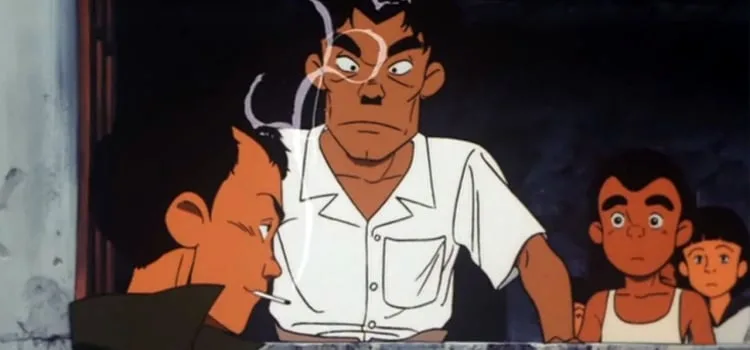
In Matsue, Shimane Prefecture, the city school board restricted access to the series in elementary and junior-high libraries around 2012–2013, citing violent imagery unsuitable for children. The move was not a quiet local note: most principals in the city asked for the curb to be lifted, newspapers compared the debate to larger fights over war memory, and the restriction was later reversed. Sales even jumped after the story broke — proof that a “ban” headline can revive a classic as fast as it hides one.
So when people say Barefoot Gen was “banned in Japan,” the accurate picture is narrower and more interesting: temporary school-library limits in specific places, pressure from both sides of the culture war, and a work that keeps forcing adults to decide how much of Hiroshima children should see in drawn form.
Death Note: notebooks in real backpacks
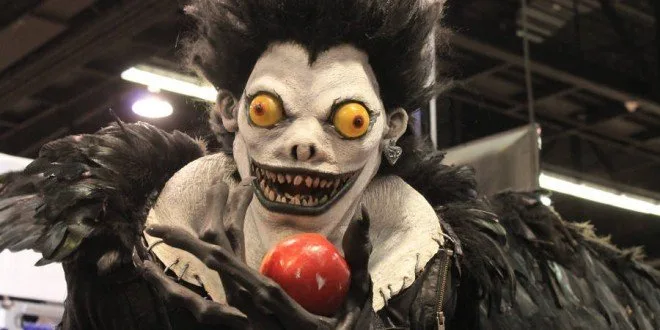
Death Note is a sleek thriller: a shinigami drops a notebook that kills anyone whose name is written in it; high-school genius Light Yagami tests it, then tries to rewrite justice itself while detective L closes in. Worldwide, the series is a hit. The controversy starts when the prop leaves the fiction.
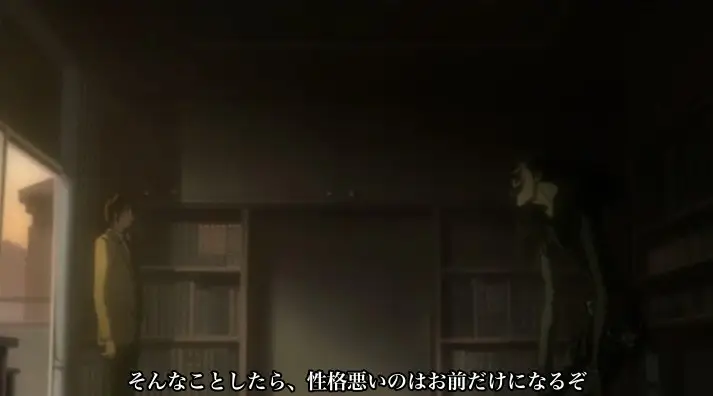
In parts of China, school officials restricted or banned the manga after students altered notebooks to look like Death Notes and wrote the names of classmates or teachers. Similar “real notebook” cases led to suspensions in American schools. In Russia, a parents’ group publicly asked for regulation after a teen suicide case in which Death Note volumes were found nearby — a campaign that made headlines, even as fans argued the causal leap was weak. The pattern is consistent: institutions react less to animation craft than to kids copying the object and the fantasy of easy lethal power.
That is why Death Note often sits in “banned anime” lists even when a full national ban never applied everywhere the same way. The title became a shorthand for media panic about youth, violence and imitation — the same cycle that has hit other dark franchises, only with a prop simple enough to recreate at a desk.
What “controversial” usually means here
Across these three titles, controversy is not a single switch. Sometimes it is a diplomatic petition. Sometimes it is a school board putting volumes behind a teacher’s desk. Sometimes it is parents and principals fighting over notebooks that look too much like a murder tool. Calling every case a blanket “ban in Japan” flattens the map; the useful story is who complained, what they feared, and which channel actually pulled the plug.
If you care about how fandom meets public pressure, these cases also sit next to broader questions of taste and moral panic — from psychopathic anime characters that test how far a story can go, to debates that treat Japanese pop culture as spiritual danger in religion-versus-Japan polemics, or the formula habits catalogued in an anime clichés list.
The medium can be playful, devastating or stylish. Once a title leaves the living room and enters a petition site or a school office, the conversation stops being only about plot — and that is exactly why these three still matter.

Community
Comments
0 comments
There are no published comments in this language yet.
Send comment