
Chikan (痴漢, チカン, or ちかん) is the term used to refer to sexual harassment in Japan, which can mean both 'abusers or molesters on trains' in Portuguese. This crime is committed worldwide, but each country has its own penalties for such crimes. Generally, this occurs in overcrowded places like public transportation, especially during the morning and evening (peak hours at stations).
Overcrowding, loneliness, and fear: these are the ideal characteristics sought by molesters to find victims. Cases of abuse committed by chikan are prosecuted by the police under Article 176 of the Penal Code as “forced obscenity” (強制わいせつ). According to the Tokyo Metropolitan Police Department, in 2017 alone, about 1,750 cases of abuse and molestation were reported. Data also indicates that half of these cases occurred on trains, while 20% happened at train stations.
People take advantage of the situation to touch others sexually. The word "chikan" in Japanese describes acts that violate various laws. The corresponding expression used to refer to women who commit chikan is chijo.
Chikan is often represented in Japanese pornography. The terms 'frotteurism' or 'toqueirismo' are used to define these desires according to what is used in clinical psychology. Although women are the most vulnerable to suffering chikan, it happens to both sexes and is perpetrated by both men and women.
Chikan can occur anywhere. Unfortunately, extra attention is needed in crowded environments and more isolated places because abusers take advantage of these situations. An example of this is in bicycle parking lots, where the molester waits for the victim to bend down to unlock the bicycle and takes the opportunity to grope the person from behind.
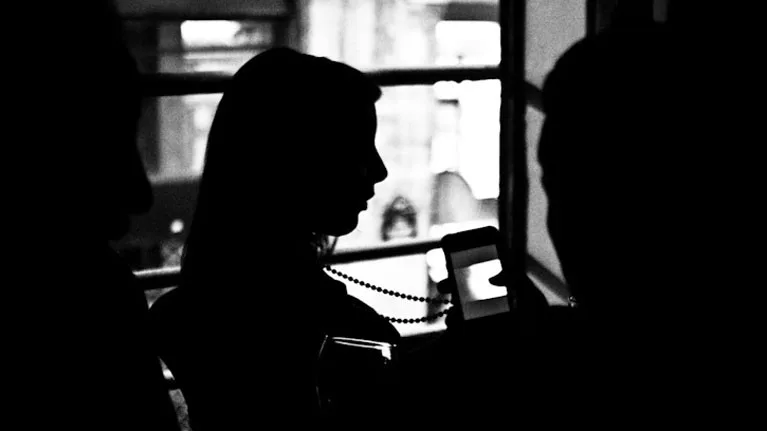
Practice of chikan
Chikan does not only mean inappropriately touching another person but also exposing intimate parts, for example, without permission. The crime is mainly committed in the cities of Tokyo, Osaka, Kanagawa, Saitama, and Kobe (large cities that have trains and subways). Among these, Saitama is the city with the highest number of chikan reports.
Other tactics used by molesters include: forcing the victim to touch the criminal's intimate parts; taking photos from under skirts/dresses; sitting next to someone and pretending to be asleep to take advantage; showing or saying obscene things; cutting clothing or unbuttoning. The reality surrounding chikan is not very different from that in other countries. Unfortunately, many people (especially women) are afraid to report due to fear. Fear paralyzes them and prevents action to combat the end of this horrendous crime, leading to more cases of chikan.
Molesters look for very specific places to practice lewd acts; for example, if a person on the subway is closer to the entrance door, they are at greater risk of suffering chikan because it is a difficult place to evade.
Molesters also have the habit of 'studying' their victims. They start observing even before getting on the train and tend to approach people who appear more fragile, shy, and alone because they are less likely to speak up and expose them. Schoolgirls are the most vulnerable to harassers. Unfortunately, molesters also tend to commit chikan against the same victims, knowing that they will not report. And since most have a routine with the same schedules, it becomes easier for criminals to know the right moment to attack.
Measures to combat chikan
As it is a crime, Japanese authorities have taken measures to combat this detestable practice by designating cars exclusively for women on subways. This action began in 2002 in the busiest cities in Japan during peak hours. However, this measure divides opinions as both men and women are subject to suffering chikan on subways.
In Kansai, Osaka, and Kobe, train companies operate only female cars throughout the day during the week and also promote awareness with posters near subways warning about the crime of chikan.
No one deserves to go through situations like this, but unfortunately, if it happens, one must do everything to ensure that the situation does not repeat itself and to avoid suffering from it. Saying out loud: "Watashi ni sawaruna!" (Don't touch me!) is a way to draw attention, make the person stop, and ask for help. Other options include using cars designated only for women, avoiding specific routes, carrying a safety alarm, among other methods.
It is sad to have to write about ways to avoid harassment in Japan or anywhere, as well as ways to act in these situations when the right thing would be not to have such concerns!
And for you, how is it possible to try to alleviate this situation of chikan? Had you heard of this term before?




Community
Comments
0 comments
There are no published comments in this language yet.
Send comment