
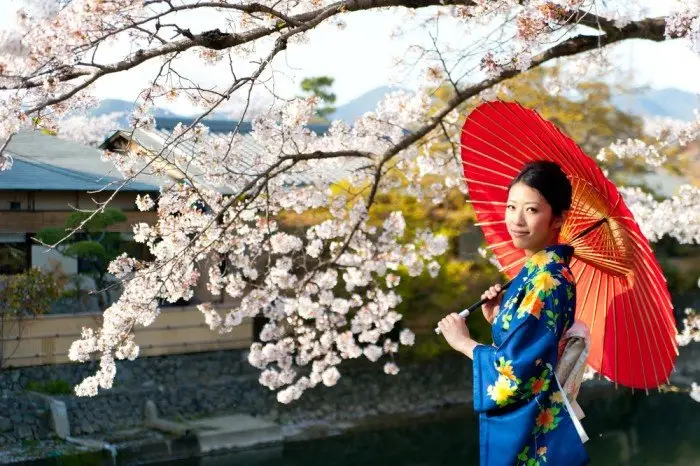
Yamato nadeshiko (大和撫子) is a Japanese expression for an idealized image of womanhood. In older usage, it praises a woman seen as graceful, modest, emotionally steady, and quietly strong. In modern conversation, the term still appears, but it often carries a nostalgic tone and can sound old-fashioned depending on the context.
That is why the expression is more interesting than the literal translation “the perfect Japanese woman.” It is not a checklist for every woman in Japan, and it is not a neutral label. It is a cultural ideal shaped by history, literature, gender expectations, and the way beauty was discussed in traditional Japan.
If you have seen the phrase in anime, dramas, or essays about Japanese culture, this is the core idea: Yamato nadeshiko describes elegance with discipline, softness with endurance, and beauty tied to restraint rather than loud self-display.

Contents 4
What does Yamato Nadeshiko mean?
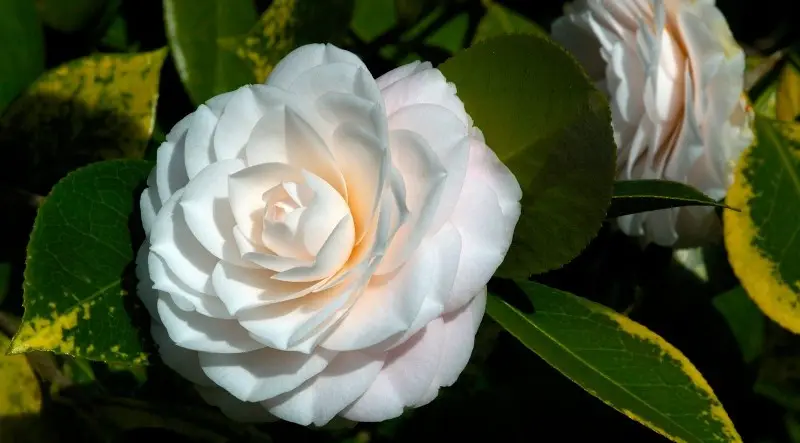
The expression combines Yamato, an old poetic name for Japan, with nadeshiko, a delicate pink flower associated with refinement. Because of that, the phrase works as a floral metaphor rather than a literal description. It praises an image of femininity that is polished, gentle, and unmistakably Japanese in tone.
Traditional descriptions usually include traits such as modesty, kindness, loyalty, patience, good manners, and calm determination. The important detail is that the ideal was never only about appearance. A Yamato nadeshiko was also expected to be composed under pressure, considerate toward others, and capable of holding a household or relationship together without making herself the center of attention.
If you want to understand the flower behind the metaphor, our guide to popular Japanese flowers gives useful context for how floral imagery carries meaning in Japan.
Why the idea became so influential
The phrase survived because it matched older social expectations about what a “good” woman should be. In practice, it overlaps with ideals such as discretion, domestic ability, emotional self-control, and social harmony. That is also why it often appears near other traditional concepts, including ryosai kenbo, the model of the “good wife, wise mother.”
At the same time, reducing Yamato nadeshiko to obedience misses half of the meaning. In many explanations of the term, there is also an inner strength: the woman looks delicate from the outside, but she is resilient, dependable, and hard to shake. This mix of gentleness and firmness is one reason the expression lasted so long in literature and pop culture.
How the term is viewed today
Today, Yamato nadeshiko is not a universal compliment. Some people still use it admiringly for a woman who feels elegant, mature, considerate, and traditionally feminine. Others hear it as a nostalgic label tied to gender roles that no longer fit modern life. Both reactions are understandable.
Modern Japan is far more diverse than the image suggested by the phrase. Many women reject the expectation that femininity should always mean modesty, self-sacrifice, or emotional restraint. Because of that, using the term for a real person can sound flattering in one conversation and limiting in another.
In other words, Yamato nadeshiko tells you as much about the speaker’s values as it does about the woman being described. It belongs more to the world of ideals and archetypes than to everyday reality.
Where you still see Yamato Nadeshiko
The term remains common in discussions of anime, drama characters, literature, and celebrity image. It is often used for characters who are gentle, loyal, and mature, especially when they balance traditional poise with quiet resolve. You also still see the flower itself in cultural references, branding, and sports.
A famous example is Nadeshiko Japan, the nickname of the Japanese women’s national football team. In that case, the image is not only about grace, but also about discipline and toughness. If you want to see how the word nadeshiko appears in that context, our article on why Japan’s football teams wear blue touches on the nickname as well.
So when someone asks what Yamato nadeshiko means, the best answer is this: it is a traditional Japanese ideal of femininity built around grace, modesty, and inner strength, but one that modern readers should understand with historical distance rather than treat as a rule for real women.







Community
Comments
0 comments
There are no published comments in this language yet.
Send comment