

Let's agree that making money is not easy for the vast majority of people. Even more so for us Brazilians who live in a country in crisis. Moreover, it is the country that charges the most taxes in the world. Not to mention the low salaries and high prices of products. So it becomes almost impossible to save a little money at the end of the month. But, that doesn't mean we should stop trying.
To manage to reach the end of the month with a positive balance requires a lot of effort and organization. Keeping a strict record of expenses can be useful. Many do not like to note their regular spending. Therefore, there are many apps and products that provide this service. However, the Japanese use a much simpler and more effective method. This Japanese system is called kakeibo, and it is quite popular.
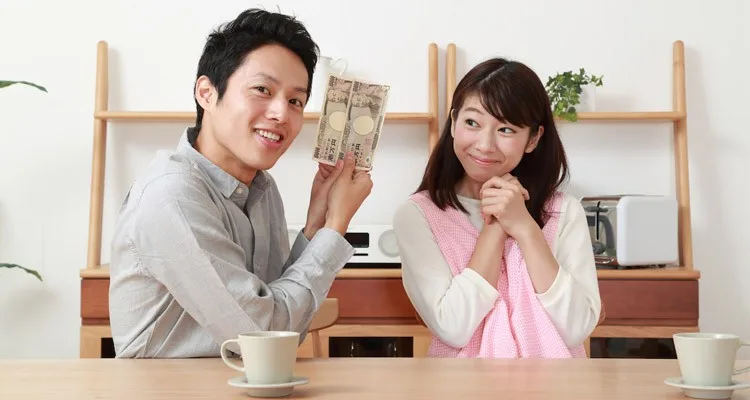
Kakeibo, the art of saving
This method was created in 1904 by a journalist, promising to save up to 35% of the salary with simple actions. Basically, kakeibo consists of noting everything so that you can easily see what comes in, what goes out, and how much we want to save.
The secret of this method is to keep everything noted instead of just keeping it in your head. At the beginning of the month, you write down all your earnings and fixed expenses on paper. By doing this, you know what is left to spend or save. To know how to use the money, it is necessary to divide the expenses into basically four different groups. These groups are survival, optional, culture, and extras.
The first group listed as survival consists of food, transportation, water, electricity, internet, rent, and children if applicable. The second group is optional, dining out and small discretionary purchases. The cultural group takes into account expenses with books, movies, cinemas, shows, among others. And the fourth and last group is extra, expenses with gifts, general maintenance of furniture and cars, among others.
Doing this somewhat forces a person to know where the money is going, allowing for changes and adjustments. It also highlights all expenses that can get out of control without being noticed. It is important to keep in mind four questions:
- How much money do I have?
- How much would I like to save?
- How much am I spending?
- How can I reduce my expenses?
It is essential to be as honest as possible with our financial reality. This way we will be able to achieve the Kakeibo goal more quickly.
Main points and tips for Kakeibo
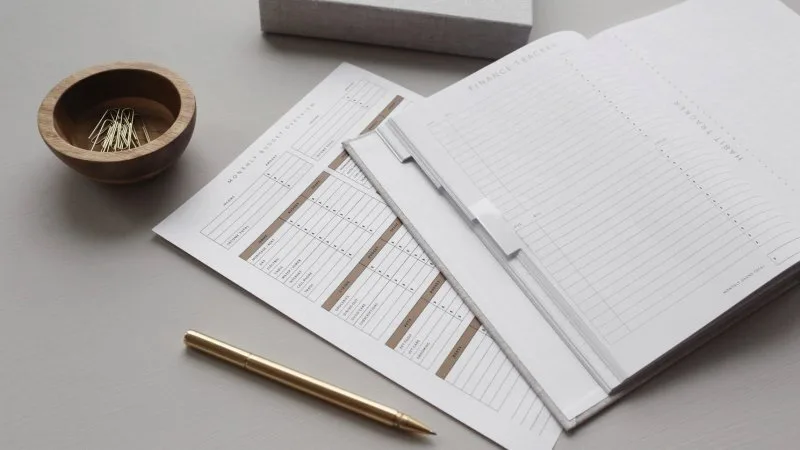
Maintain organization, perhaps through notes and a notebook, making it easier to understand. This way, you can focus and analyze your personal savings more easily. Using the four groups mentioned, you can set a fixed amount to spend on optional, cultural, and extra items.
You also have to keep in mind that what you earn in a month has to last the whole month. One tip is to start saving around 30 to 35% of your salary. Another is that if you forget to note something, if possible, make immediate notes without leaving it for later. This will help your notes to be continuous and organized. If you focus at the beginning of the month on setting realistic goals, it will be a good way to maintain focus and control of the planning.
A method that can be used is the envelope tactic. In Japan, this method consists of withdrawing cash for the week or the month and placing it in paper envelopes. Defining amounts for each of the 4 areas, and whatever is left should be saved. Each envelope should have the area and the stipulated amount written on it. If the amount for the survival group runs out, money should be taken from the other three groups, not from the saved amount.
To save and apply kakeibo requires discipline, organization, and effort. But, if you really want to save money, this method is a great help if applied correctly. What do you think of this method? Do you think you could keep track of all your finances? Let us know in the comments what you think and share with friends.



Community
Comments
0 comments
There are no published comments in this language yet.
Send comment