
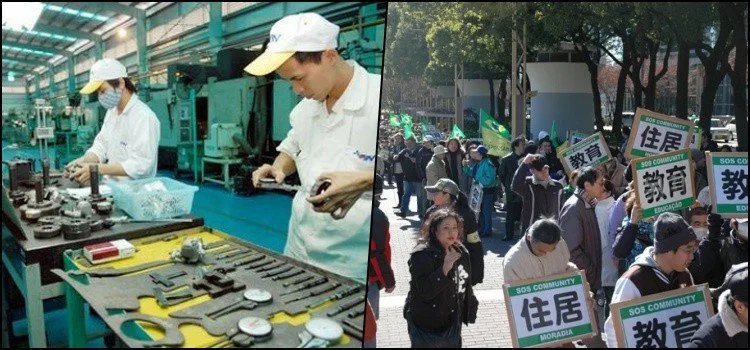
Yes. Foreigners can work in Japan in offices, technology, education, hotels, restaurants, retail, and other fields. The job alone is not enough, though: your residence status, qualifications, experience, Japanese ability, and employer all matter. The clearest path depends on the work you want to do.
Contents 11
What jobs can foreigners do in Japan besides factory work?
There is no single job reserved for foreigners. Companies hire people from abroad when their skills, language ability, and work authorization match a real position. Some paths require a degree or professional experience; others use a field-specific skills route.
- Technology and engineering: software development, programming, mechanical engineering, and other technical roles.
- Office and business roles: marketing, sales, design, translation, interpreting, recruiting, and work with international clients.
- Education: language teaching and other teaching positions, depending on the employer and residence status.
- Tourism and services: hotel reception, food service, retail, building cleaning, and roles that serve international visitors.
- Skilled occupations: construction, manufacturing, agriculture, food production, transport, and other fields covered by the Specified Skilled Worker system.
These categories are not interchangeable. A job in a hotel, restaurant, or office still needs a legal route that matches the duties. Read the position description carefully before assuming that any employer can sponsor any type of work.
Working in Japan depends on your residence status
With a few exceptions, non-Japanese residents need a status of residence that matches the purpose or occupational category of their stay. JETRO explains that this status is connected to the work a person performs, so changing from factory work to an office, teaching, or service position may require a different application.
Professional and office jobs
The status commonly used for specialized work is called Engineer/Specialist in Humanities/International Services. It covers areas such as engineering, translation and interpreting, design, language teaching at private companies, and marketing when the position meets the applicable requirements. The Immigration Services Agency of Japan is the right place to confirm the activity, documents, and application rules for a specific offer.
Specified Skilled Worker jobs
The official Specified Skilled Worker program creates another route for foreign nationals with skills needed in specific industries. Its fields include nursing care, building cleaning, construction, manufacturing, automobile maintenance, aviation, accommodation, food service, agriculture, fisheries, and food production.
Specified Skilled Worker (i) allows work in Japan for a total of up to five years, does not normally allow family accompaniment, and includes company support and Japanese-language training. Specified Skilled Worker (ii) has no upper limit on the period of stay and allows family accompaniment under its rules. Both categories have their own skill, language, field, and application requirements.
Check the official Specified Skilled Worker guide before paying an agency or accepting a job offer.

Do you need a university degree to work in Japan?
Not always. Professional residence categories often ask for education or relevant experience connected to the duties, while the Specified Skilled Worker route focuses on skills and Japanese-language requirements for the chosen field. A person without a university degree may have options, but cannot assume that every job or residence status will be available.
This is why advice such as “you can work anywhere without a degree” is dangerous. Compare the job duties with the residence-status requirements first. A recruiter who promises a visa without explaining that connection is a warning sign.
How much Japanese do you need?
The answer depends on the workplace. An international technology company may use English for part of the job, while a hotel, restaurant, shop, or care facility usually demands more Japanese during daily interactions. Even when Japanese is not listed as the main requirement, it helps with instructions, workplace relationships, paperwork, and life outside work.
The Specified Skilled Worker route also has Japanese-language and field-specific tests. Study requirements from the official program instead of relying on a generic level estimate copied from an old job listing.
How to find a job outside factories
- Choose the work first: list the duties you can perform, not only the industry you like.
- Check the matching status: confirm which residence category covers those duties and whether your education, experience, or test results fit.
- Search beyond famous companies: JETRO’s Career Search provides information about Japanese companies and job-related opportunities.
- Read every condition: check Japanese level, schedule, location, qualifications, salary, contract type, and support with the application.
- Prepare documents honestly: keep diplomas, work records, language certificates, and translations consistent with the information given to the employer.

FAQ about working in Japan outside factories
Can foreigners work in an office in Japan?
Yes, when the job duties, employer, qualifications, and residence status match. Technology, engineering, design, marketing, translation, and international business are examples of areas that may have professional routes.
Can I work in Japan without a degree?
Sometimes. The answer depends on the residence status and the job. Some professional routes value a related degree or experience, while the Specified Skilled Worker program uses field and language requirements. Check the exact route before making plans.
Can foreigners work in hotels or restaurants?
Yes, but the position and residence status must fit. Accommodation and food service are among the fields covered by the Specified Skilled Worker program, which has its own tests and procedures.
The useful question is not whether factory work is good or bad. It is whether the job you want matches your skills and gives you a lawful, realistic route to live in Japan. If you are still planning your move, read our guide on how to get a job in Japan and learn about living in Japan without Japanese descent.



Community
Comments
0 comments
There are no published comments in this language yet.
Send comment