
Anime stories use familiar patterns for many reasons: a short visual cue can establish a character, a season, a school setting, or the rules of a fight almost instantly. Some patterns become so recognizable that fans start calling them anime clichés or tropes. They can feel funny, comforting, predictable, or outdated, depending on how a story uses them.
This list gathers common anime clichés across comedy, romance, action, fantasy, and school stories. A trope is not automatically a flaw. The interesting question is whether a series gives a familiar idea a fresh consequence, a memorable character, or a reason to exist.
Contents 5
Common anime clichés
Running late with toast — A student rushes toward school with breakfast in their mouth, often turning a simple morning into a chance meeting with another character. It is one of the most recognizable visual shortcuts in anime comedy.
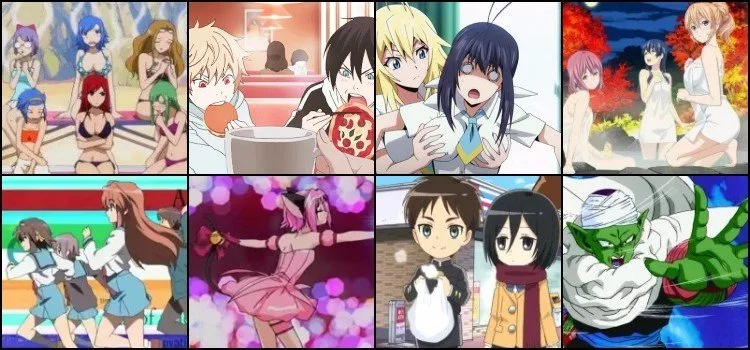
Food as a character trait — A character eats enormous portions, finishes every meal in one bite, or treats food as their main source of motivation. Luffy from One Piece is a well-known example of a protagonist whose appetite is part of his comic identity.
Cicadas in summer — Summer scenes often use the loud call of cicadas to signal heat, stillness, and a change in atmosphere. The sound works like visual shorthand: a quiet road and a chorus of cicadas can say more than a long explanation.
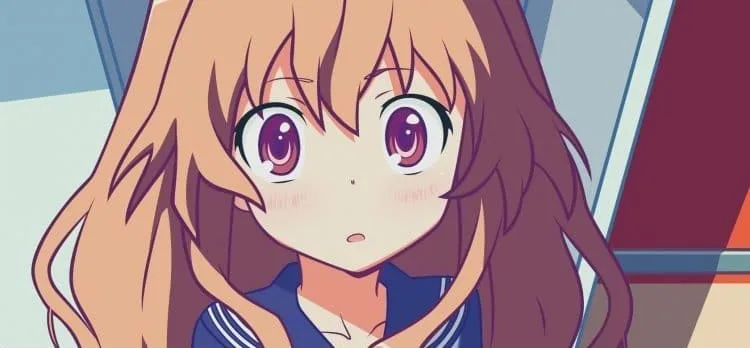
Tsundere and deredere characters — A tsundere may hide affection behind irritation, while a deredere character is openly warm and affectionate. These personality patterns create quick romantic tension, especially when the audience can see feelings that the characters refuse to admit.
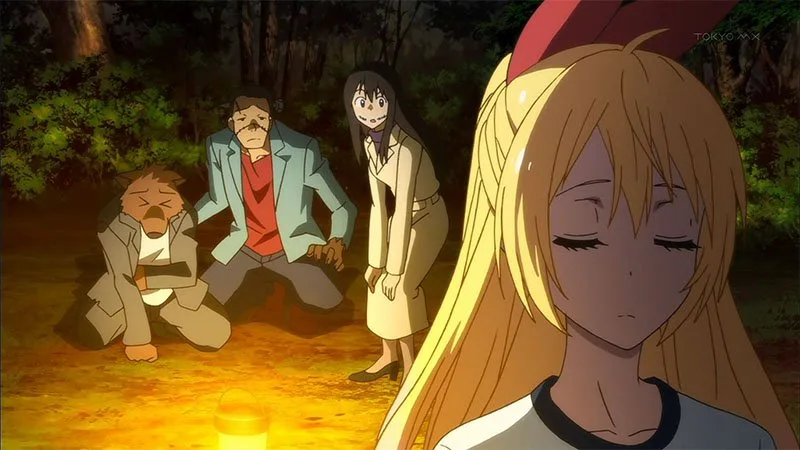
The absent or mysterious family — The protagonist may have lost a parent, live with a distant relative, or simply have a family that rarely appears. This gives the story room to focus on school, friends, or adventure, but it can also leave the character’s everyday life feeling strangely empty.
The former villain joins the heroes — A rival or antagonist changes sides after discovering a stronger bond, a more dangerous enemy, or a reason to question their original goal. The turn feels satisfying when the story shows a real cost or change in behavior; it feels weak when forgiveness arrives without consequences.
Filler and extended side stories — Long-running anime may pause its central conflict for a self-contained adventure, a comedy episode, or an original story. These episodes can offer character moments, although viewers often notice when the plot stops moving.
Fan service and romantic comedy clichés
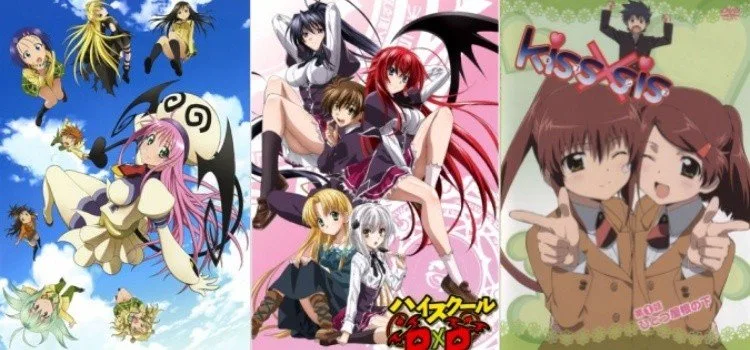
Fan service can include visual jokes, suggestive situations, familiar outfits, or scenes designed to please a particular audience. Its effect depends on context and tone. A gag that fits the characters can support a comedy; an interruption that exists only for attention can make the story feel dated.
Beach episode — A group of characters visits the beach, changes into swimwear, and finds a way to turn a day off into a misunderstanding or competition. The setting gives a series a lighter pause between heavier story arcs.
Hot-spring episode — Hot springs and bathhouses create another familiar setting for comedy, embarrassment, and accidental conversations. A better version uses the location to reveal relationships instead of repeating the same accident.
Harem setup — Several characters develop feelings for one protagonist, creating rivalry, awkward timing, and competing ideas about romance. Not every series resolves the arrangement with a clear couple, which is why the format often produces as much debate as comedy.
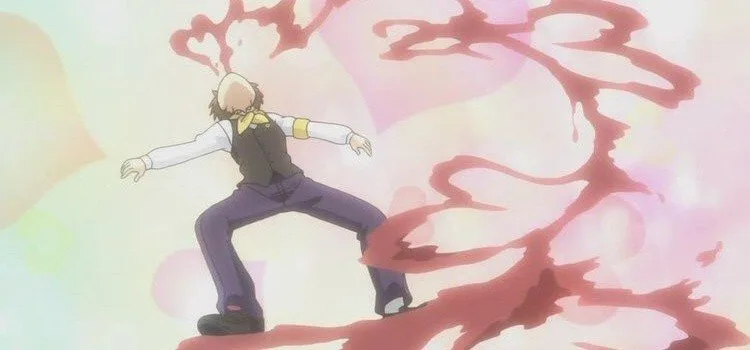
Anime nosebleed — A nosebleed is used as an exaggerated visual reaction to attraction or embarrassment. It is a cartoon convention, not a realistic medical response. Read more about the anime nosebleed gag.
Accidental exposure and exaggerated punishment — A character walks in at the wrong moment, sees someone changing, or makes an awkward comment, followed by a punch or kick that sends them flying. The joke is familiar, but many newer stories handle these situations with more awareness of boundaries and consequences.
Fan service OVA — A special episode may use a festival, beach, or hot-spring setting to deliver a lighter story outside the main plot. It works best when the characters remain recognizable instead of becoming props for a string of gags.
Also read: Onsen – Natural Hot Springs of Japan
Battle anime clichés
The enemy is not really defeated — A character walks away from an explosion, a defeated rival returns with a new form, or the apparent final attack becomes the beginning of another phase. The cliché keeps tension alive, but repeated fake endings can reduce the impact of a genuine victory.
Talking during the fight — Rivals explain their motives, remember the past, and announce their next move while trading attacks. These conversations can make a battle more meaningful when they change the characters’ decisions.
Calling out an attack name — The fighter shouts the name of a technique before using it. The delay gives the audience time to recognize the move, and the ritual makes a power system easier to follow.
Shouting to become stronger — A character reaches a new level after recalling a promise, protecting a friend, or refusing to give up. The emotional trigger is familiar, but it remains effective when the story has built the relationship beforehand.
Power-up with light and transformation — A new form arrives with a flash, a dramatic pose, a changed outfit, or a long transformation sequence. These scenes turn a change in ability into a visual event the audience can remember.
More anime tropes fans recognize
The following patterns appear often enough to become part of fan vocabulary. Some are genre conventions, some are visual shortcuts, and some are jokes that become clichés through repetition.
- The quiet character with a painful past;
- The childhood friend who has loved the protagonist for years;
- The transfer student who changes the class dynamic;
- The main character who seems ordinary but has an unusual ability;
- The chosen one who discovers their role late;
- The rival who pushes the protagonist to improve;
- The tournament arc with increasingly difficult opponents;
- The fight that lasts far longer than expected;
- The dramatic pause before a character reveals their true power;
- Exaggerated facial expressions during comedy;
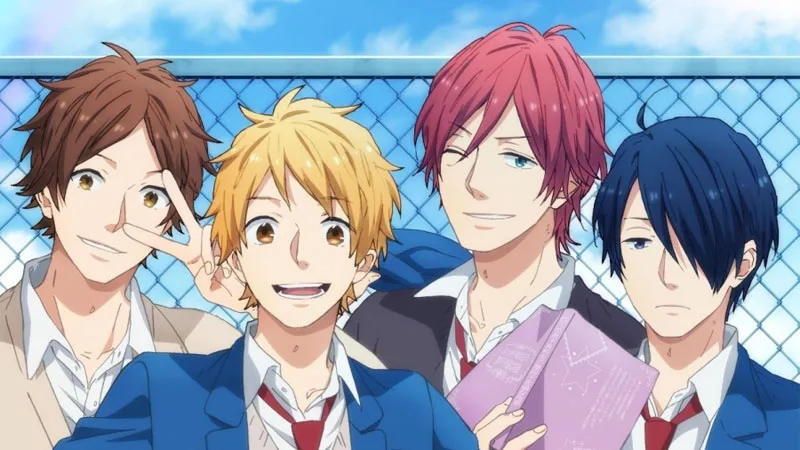
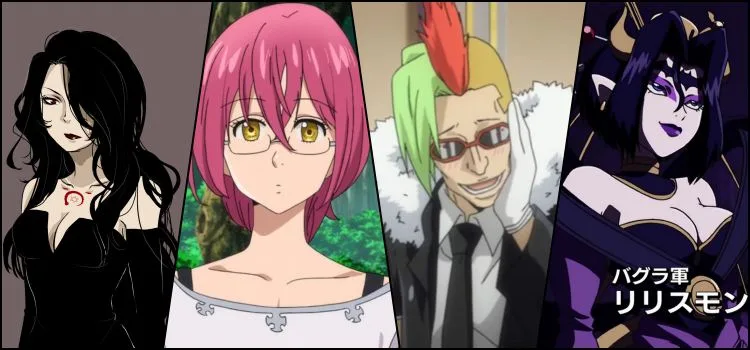
- Bright, unusual, or multicolored hair;
- Distinctive hairstyles that identify a character from a distance;
- Characters with mismatched or unusually colored eyes;
- School uniforms used across different settings;
- The protagonist sitting near the classroom window;
- Summer festivals, fireworks, and lanterns;
- Rain used during a confession, separation, or emotional reveal;
- Fireflies used to mark a quiet summer night;
- Christmas or New Year episodes;
- Giant robots and dramatic launch sequences;
- Characters transported to another world;
- Magical girls with transformation sequences;
- Moe character designs built around warmth and vulnerability;
- Chibi drawings used for comic timing;
- Maids, school clubs, and special training schools;
- A secret identity exposed at the worst possible moment;
- The captured character waiting for rescue;
- The favorite character who dies to motivate the hero;
- The villain who receives a final-minute redemption;
- The seemingly immortal character with one hidden weakness.
Why anime clichés keep returning
Familiar patterns help a story communicate quickly. A tournament signals structured competition, a transformation suggests a new stage of power, and a summer festival creates a natural setting for friendship or romance. Repetition becomes a problem only when the trope replaces character development or avoids a meaningful decision.
The best anime clichés are recognizable but not empty. A series can keep the school window, the rival, the festival, or the dramatic attack name and still make the moment its own through timing, personality, and consequence.
Which anime cliché do you notice most often? Share another trope that belongs on this list.

Community
Comments
0 comments
There are no published comments in this language yet.
Send comment