
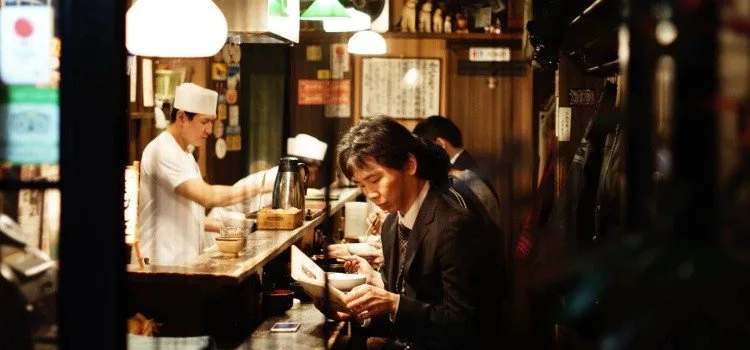
You have probably seen at least one list titled something like "how to win over a Japanese girl," and you may be wondering whether the same rules apply to men. The short answer is: not really. In Japan, the dating scripts differ from many Western ones, and the way people meet, confess, and show affection has its own logic. This guide walks through the cultural tips, the common myths, and the small daily habits that tend to matter when you are getting to know a Japanese man.
Before we go any further, an important caveat: Japan is a country of more than 120 million people, and dating culture varies a lot between Tokyo, Osaka, Kyoto, the countryside, and across generations. Gen Z in Shibuya and a salaryman in his fifties in Nagoya are not the same audience, and what holds true in one setting can be the opposite in another. Treat everything that follows as a tendency, not a rule, and treat the person in front of you as an individual.
Contents 5
Common myths about dating Japanese men
Heavy anime consumption can give the impression that every Japanese man is looking for a girl in a kawaii manga style. Cute, well-presented women do stand out in Japan, but the otaku scene is a minority, and the men who dress up as characters every weekend are even more of a minority. Charm, humor, and shared interests usually count for more than a specific look.
Another frequent claim is that Japanese men reject Western women. That is mostly a stereotype working both ways, since some Westerners also avoid dating Japanese people based on generalizations. Most people simply find it easier to relate to those who share their language and habits, which is a normal preference, not a rejection. If you pay attention to the points below, this worry tends to dissolve on its own.

The "Japanese men are cold" myth also comes from cultural differences. If you understand how a Japanese mind is shaped, you stop reading restraint as coldness. Japanese people are raised to think about others before themselves, and that often shows up as quiet consideration rather than verbal affection.
Of course, there are selfish, unfaithful, or simply unkind Japanese men, just as in any culture. The point is not to assume the best of everyone, but also not to enter the dating scene afraid of an entire nationality. Stay alert, stay kind, and use your judgment.
Cultural differences worth knowing before you start
Japanese men are not a single type, but a few common patterns show up often. Some are very relaxed about their appearance, while others care about grooming and skincare as much as, or more than, the average woman. A few even wear light makeup and take longer to get ready in the morning than their partners.
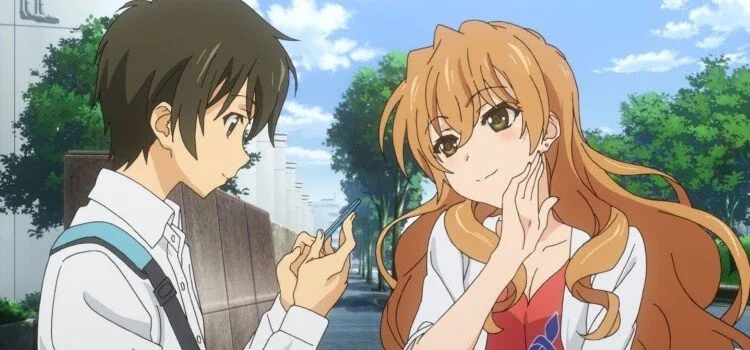
Many Japanese men do not actively approach women, including Japanese women, so the cultural challenges of dating across nationalities can feel larger than they really are. Patience, persistence, and being yourself go a long way. Using your looks as the only strategy rarely works in the long run; personality, curiosity, and consistency matter more.
Common traits that many Japanese men seem to appreciate in a partner include being approachable, graceful, respectful, modest, friendly, sensitive, and comfortable with a lighter, less confrontational tone of flirting. None of that requires you to become someone else, and a direct, confident personality is not a deal-breaker for everyone — it depends on the person.
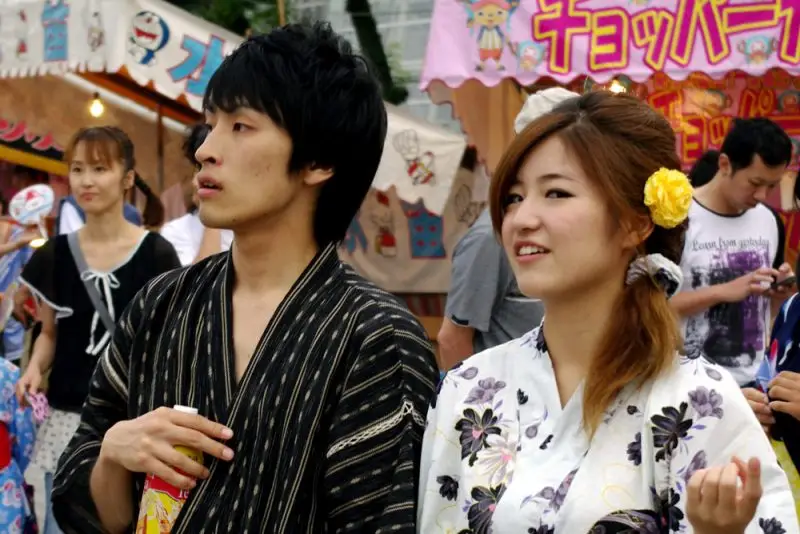
Japanese people often express feelings through actions rather than words. In many couples, the woman is the first to confess, and physical initiative from a stranger is uncommon. A light touch on the arm may be a big step, not a small one.

Keep in mind: in many Japanese dating stories, the man rarely makes the first move.
First steps: how to get closer without overstepping
Appearance matters more in Japan than some travelers expect. Taking care of your skin, choosing clothes that suit you, and keeping a healthy routine all play a role, since the beauty standard in Japan tends toward a slim, neat silhouette. That said, plenty of Japanese men are drawn to different body types, and confidence in your own style often reads more attractive than trying to fit a foreign ideal.
Aggressive sensuality is usually a poor first strategy. Many Japanese men respond better to a softer, more reserved presentation, and the classic cute-and-modest wardrobe can work where a more revealing outfit would feel out of place. Flirting also tends to be subtle, and a style that reads as "bold" by Western standards can come across as too forward in Japan. Patience is part of the dating culture.
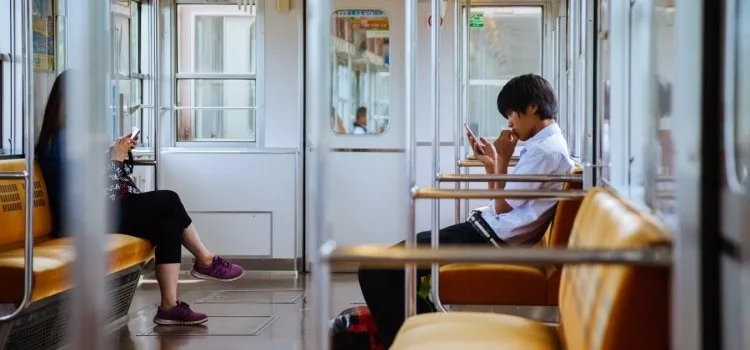
A few small details make a real difference. A pleasant scent, a relaxed smile, and good posture are read as signs of self-care. Watching some slice-of-life anime or Japanese romance dramas can help you pick up the rhythm of how people interact, but treat them as a cultural study aid, not a script.
Old-fashioned gestures still carry weight. A handwritten letter with a light scent can be a memorable move. In Japan, Valentine's Day on February 14th is the day when women traditionally give chocolate to the person they like, and if the feeling is mutual, he returns the gesture on March 14th (White Day).
A few baseline points before any of that:
- Learn about the culture, not just the pop-culture version of it;
- Pick up some of the language, even a few phrases go a long way;
- Get used to Japanese humor, which is often quieter and more situational than English-language comedy;
- Keep an open mind about differences in pace and directness.
It is also worth remembering that in Japan, the tradition of confessing love (kokuhaku) is still common. When the time feels right, expressing your feelings clearly is usually appreciated, and it is healthy to be ready for either answer. Prepare for a no, and you will be more relaxed about the possibility of a yes.

Understanding a little of the Japanese male mindset
Some patterns tend to come up in conversations with Japanese men, especially in bigger cities. Treat them as observations, not as a universal profile:
- There is a noticeable visual culture around uniforms, from school to office and flight attendant attire, but it is more of an aesthetic taste than a personal demand;
- Many appreciate partners who can make a home feel welcoming, while others split chores very evenly — both arrangements are common;
- Close male friendships are often valued highly, and time with them is not a sign of distance from the relationship;
- For a sizable number, age difference is not a deal-breaker, though preferences vary by generation;
- The Senpai and Kohai dynamic still shapes workplaces, clubs, and universities, even if younger generations question parts of it;
- Family ties, including the maternal bond, can be strong, but framing that as a "complex" is reductive and outdated;
- Humor, playfulness, and a kind of lightness in daily life are common in Japanese men, though it shows up differently than in the West;
- Work can occupy a large part of life, especially in office cultures, which affects how much time and energy is left for dating;
- First impressions are often read in this order: eyes, overall style, posture, smile, voice, and the way a person carries themselves, not strictly body parts in the way the original list suggested;
- Past relationships are usually treated with discretion rather than resentment.

A few habits that tend to be read as red flags or just tiring, according to many Japanese men themselves:
- Pushing for details about work on every date, especially if the answer is always "a little busy";
- Expecting constant contact through the day, when the rhythm of a Japanese workday is often quiet and heads-down;
- Reading alone time as a sign of a problem, when it is often just how the person recharges;
- Refusing every invitation without offering an alternative, which can come across as disinterest.
If you keep these patterns in mind, you will react better during dates and conflicts. The most successful cross-cultural relationships tend to be the ones where both people accept that the other will sometimes be a little puzzling, and stay curious instead of defensive.
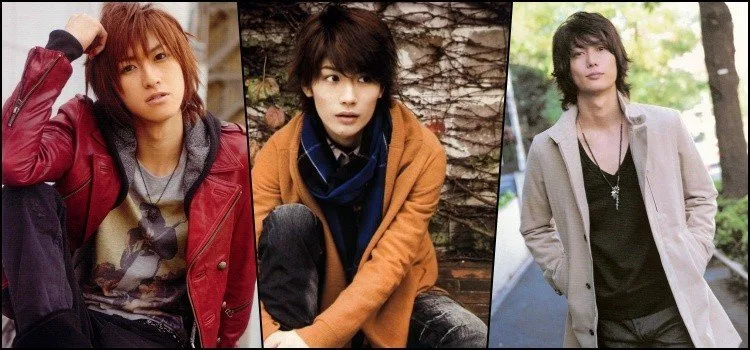
Building something longer term with a Japanese partner
There is no universal recipe, and any honest guide says so. You will meet kind, attentive men, and you will meet closed, awkward ones. The personality mix in Japan is as wide as anywhere else, and the cultural filter only changes the surface a little. What tends to work, across many couples, is treating the relationship as a slow, two-way learning process.
A few tendencies that often come up in longer relationships with Japanese men: things tend to move at a calmer pace, emotional vocabulary is often expressed through care and presence rather than big declarations, and public displays of affection usually stay modest. If he is not saying "I love you" every other day, it does not necessarily mean the feeling is missing; it is more often a different language for the same thing.
To bring it together with the points above and in the related guide:
- Shyness is common, especially in person, so do not mistake quietness for lack of interest;
- Single life is socially acceptable in Japan, so the chase can be slow and you should not panic about it;
- Be yourself, in the sense of being honest, not in the sense of performing a version of you;
- Keep things moderate; intensity can feel overwhelming in a culture that values restraint;
- No two men are alike, including two Japanese men from the same city;
- Words of affection are not the only, or always the main, channel of feeling;
- Cultural respect is non-negotiable, and curiosity about Japan goes a long way;
- A few words of Japanese, even just greetings and apologies, change the daily texture of the relationship;
- Learn what he actually likes, not what the internet says he should like;
- Patience is part of the deal, in the early stages and often beyond;
- A clear, kind kokuhaku when the time is right is still a respected move;
- Appearance matters on both sides, so put some care into how you show up;
- Do not forget the calendar: birthdays, anniversaries, and seasonal gestures are noticed;
- Do not push so hard that the other person feels cornered; pressure works against you here.
What has your own experience been like, or what part of this are you most curious about as you read? Dating across cultures is the kind of topic that gets richer with real stories mixed in, so feel free to add yours in the comments.




Community
Comments
0 comments
There are no published comments in this language yet.
Send comment