

It is undeniable that Japan is a strict, collective, and perfectionist country that presents both good and bad examples to the world. In the midst of all this, women earn less than men, which generates controversy worldwide and on social media. So are women undervalued in Japan?
Another issue that may undermine women in Japan is the high exposure of sexual content in the media. Are Japanese women really safe in Japan? Are they victims? Are they treated as they deserve? We will discuss various topics in this article.
Unfortunately, Japan ranks above 100 out of 144 countries in terms of gender equality (Brazil is close to 100). No developed country in the world reaches such a low level as Japan, although South Korea is in the worst position.
Many Asian countries are in the worst positions regarding gender equality. It is clear that this ranking does not only examine salaries or opportunities, but various factors that make us think. However, we should not consider this ranking as something absolute!
Contents 4
Is the Salary of Japanese Women Really Lower?
The simplest and shortest answer is yes! Women tend to earn up to 27% less than men. However, some research claims that the pay gap is not solely based on gender, but on various other factors that we will examine.
A certain researcher said that sexism is the least of Japan's problems; the Japanese consider hierarchy to be much more important. This hierarchy creates a large wall between women, making it difficult for them to grow in the job market.
The same researcher states that despite the glaring salary differences between men and women, Japan, paradoxically, is a country with more salary equality than the USA. This happens because everyone in the same hierarchy receives the same salary.

From childhood, the Japanese are taught about equality among positions, performing the same tasks and receiving the same rewards, but there will always be those at a higher level with greater prominence and greater rewards.
In the USA, we hear rumors of women in the same positions earning less than men. In Japan, this would be considered a great insult, a scandal, or something illegal. Unfortunately, this must happen secretly, especially among foreigners and factories. I have no doubt that authorities turn a blind eye to certain cases.
The excuse for these occurrences is that women's work is lighter, has shorter hours, or requires less effort. Perhaps a company invents this excuse in the contract to pay a lower salary, but in practice, women end up doing work at the same level as men.
In short, in Japan, there is a gender inequality that is muffled with flimsy excuses that women's work is different from men's.

The Mindset that Women are Housewives
Although many women in Japan work, what hinders promotion and high positions is the possibility of a woman having a child and quitting her job. This causes men to dominate the hierarchical system in large numbers.
It may seem silly, but culturally, the Japanese do not usually hire maids to take care of their homes, the woman takes on the full role of housewife, with the help of her husband (if she has one). Perhaps this is a reason why women hold positions with lower salaries.
Companies also offer jobs already specifying which gender they wish to hire. It may seem absurd, but they have no shame in specifying roles for a particular gender along with the salary in job advertisements. Especially in contracting companies!

Of course, there are those women who stand out in the office, manage to develop a good career and hold high positions. Most of the time, it is a single woman who has enormous authority in the workplace.
Contrary to what many imagine, Japanese women are not docile and fragile. In many ways, they are strong, persistent, and more influential. Most women are educated, and about 77% of part-time jobs are held by women.
Harassment and Sexual Abuse of Women in Japan
Statistically speaking, Japan is among the safest countries for women. The chances of a woman being sexually abused are 27 times greater in the USA or 100 times greater in Brazil.

We should not trust statistics because most cases are not reported to the police. Especially in Japan, where reputation is important, many women end up hiding this fact.
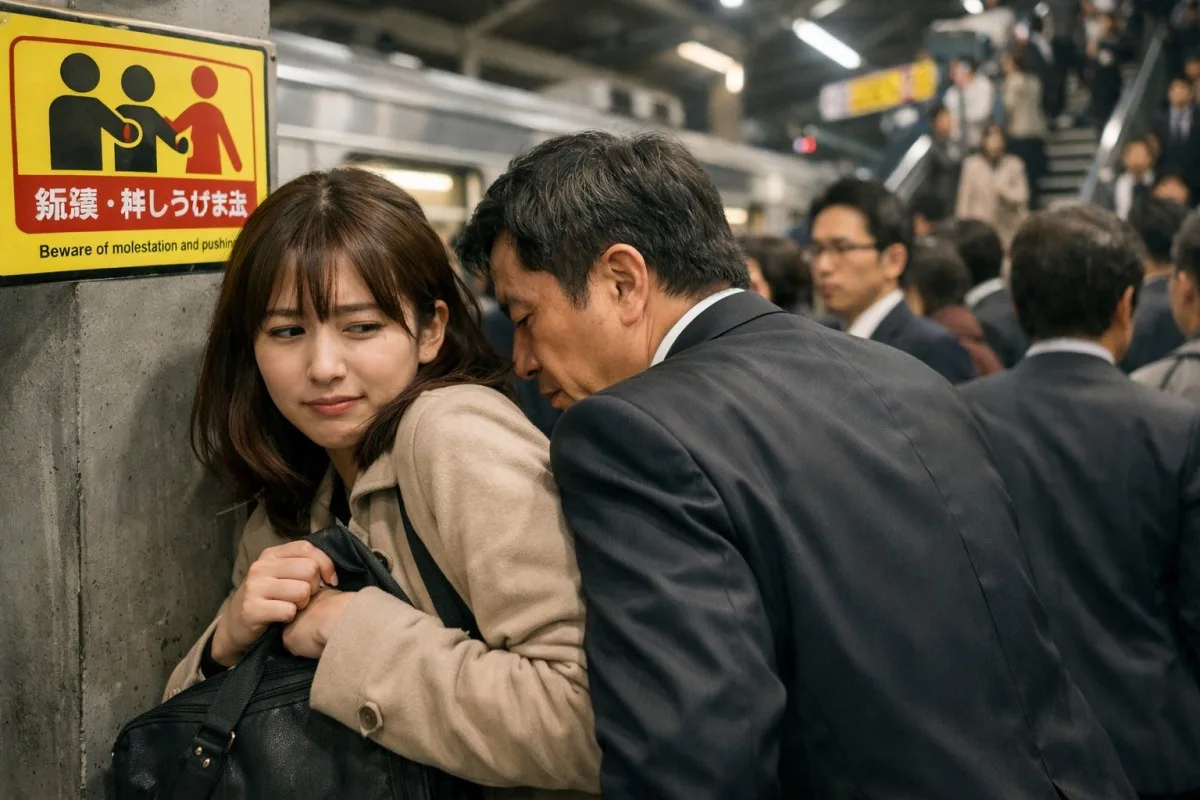
Many cases of groping occur in Japan, in schools, workplaces, trains, and on the street. It is not uncommon for strange men to invite random women to go to a hotel offering a lot of money. Many bizarre cases involving perverts happen in Japan, but most of the time nothing worse occurs.
Generally, the Japanese are extremely pacifist and do not like any type of conflict, which makes it easier for predators. There is no need to be afraid, as for every bad man, there are thousands of decent men. Japanese women are aware of this and have developed their own techniques to ward off perverts.
The Japanese are aware of these problems, especially those that occur on trains. You may even find posters warning women about these perverts who grope, strongly encouraging them to shout Chikan if this happens. Fortunately, there are women-only cars.

Women in Japan Have Earned Their Place
Throughout history, Japanese women have been treated in different ways. Like in any war-torn country, women were abused and treated as objects. Unfortunately, Japan spent much of its history in constant wars, which caused women to suffer throughout history, making them stronger.
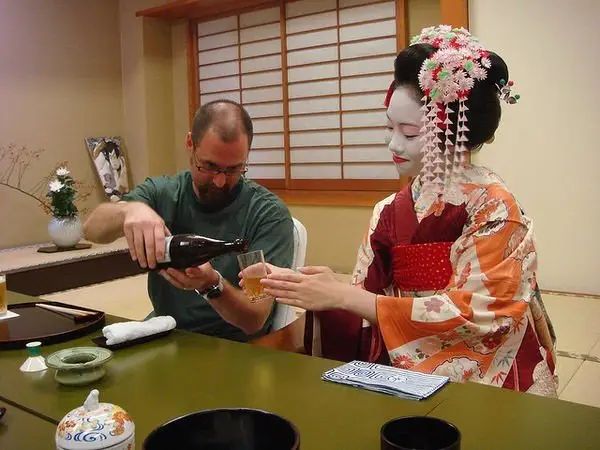
The participation of women in Japanese society has varied greatly over time and depended heavily on hierarchy and social class. Prostitution was a common business, and over time, women gained prominence by creating art instead of selling themselves, becoming geishas.
During the Heian period, women became emperors, could own property, and receive an education. Still, arranged marriages without mutual love were common. Things only got better for women after World War II.
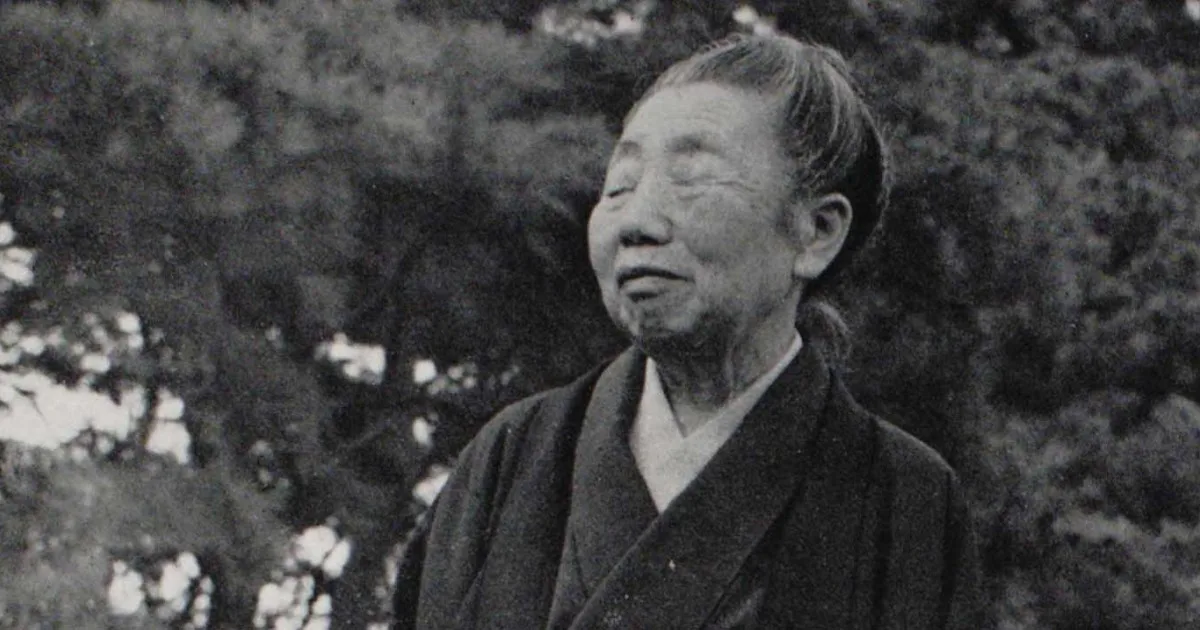
Some women stood out, such as the famous author Ichiyo Higuchi, whose face appeared on the 5000 yen note. Asako Hirooka was a businesswoman, banker, and even founded a college.
Over time, Japanese women gained fame worldwide for adhering to standards of modesty, neatness, courtesy, conformity, and self-confidence.
There are many other points to highlight about women in Japan. They play an important role in Japanese history and society. Although Japan has undervalued women in the past, today they hold the power in their hands.

Unfortunately, gender inequality occurs all over the world, just like racial problems and those of different social classes. Japanese women rise above and fight for their goals instead of lamenting their situations.
Complaining is not part of Japanese culture, one of the main reasons for success is to act instead of complain. What do you think about this issue? Complement the article with your comments and share it with friends.





Community
Comments
0 comments
There are no published comments in this language yet.
Send comment