
A weekend, a family house, a meal at the table and a memorial day: that is all «Aruitemo Aruitemo» (known in English as «Still Walking») needs to paint one of the quietest and most moving portraits of a Japanese family. Hirokazu Kore-eda's 2008 film follows a family for roughly 24 hours and shows what happens between the lines. This article covers the story, the characters, the direction and the reception, and explains who should watch it.
Contents 8
What the film is about
The Yokoyama family gathers at the parents' house to commemorate the death of the eldest son, who died fifteen years earlier while trying to save a boy. The younger son Ryota arrives from Tokyo with his wife Yukari and her son Atsushi, while his older sister Chinami is already there with her family. Over a single day they cook, eat, drink, talk about the past and argue about the future.
The film reveals little about big events and a lot about small gestures: how the father greets his son, how the mother talks about the dead brother, how a child sits at the table and listens. That restraint is exactly what makes the film.
Direction and production
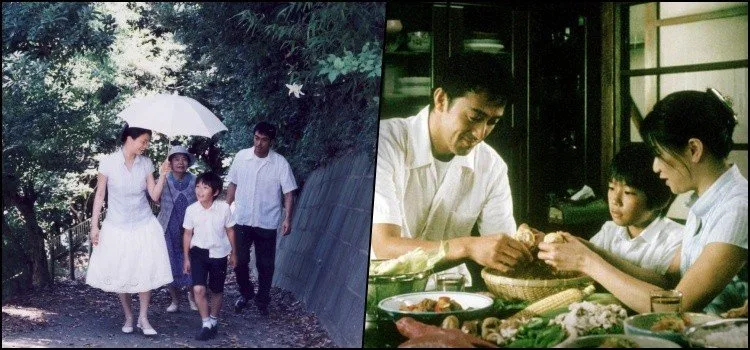
Hirokazu Kore-eda wrote the screenplay, directed and edited the film himself. «Aruitemo Aruitemo» was released in Japan on 28 June 2008 and runs 114 minutes. By then Kore-eda was already known for quiet family films; he later reached a wider international audience with «Shoplifters» (2018).
The film is widely considered a very personal work. Kore-eda tells the story of a family that does not discuss its conflicts but plays them out over meals and at the grave. That is not a documentary claim but a deliberate narrative stance: little plot, close observation.
The characters
Ryota (Abe Hiroshi) is the younger son, unemployed and at odds with his father. Yukari (Natsukawa Yui) is his wife, a widow with a son from her first marriage. Atsushi (Tanaka Shohei) is that child, watching the adults more closely than they would like. The father Kyohei (Harada Yoshio) is a retired doctor who was never satisfied with his sons' careers. The mother Toshiko (Kiki Kirin) keeps the memory of the dead son alive. The sister Chinami (YOU) brings her husband and children and extra tension to the house.
The cast is a major reason the film works. Kiki Kirin and Harada Yoshio play the parents so precisely that you feel you are sitting at the table with them. Abe Hiroshi, often seen in comedies, shows a quiet, vulnerable man here.
What the film shows about Japan
The memorial day that brings the family together is an important occasion in Japan: people visit the grave, clean it, bring flowers and water, and speak to the deceased. «Aruitemo Aruitemo» shows this sequence without explaining it, and that is exactly how you learn it.
The film also shows everyday life just as casually: preparing food, serving beer, sitting on the floor, behaving towards neighbours and the expectation that children come home. If you are learning Japanese, you hear many natural sentences from family life, from greetings to condolences. For vocabulary about the family, see Kazoku: Family Members in Japanese.
Why the film is worth watching
Anyone expecting fast cuts, music and big conflicts will be impatient. Those who settle into its rhythm get a film that stays with them: the tension comes from glances, pauses and sentences one would rather not have said. The film was received exceptionally well by critics and is listed among the movies with a 100 percent approval rating on Rotten Tomatoes.
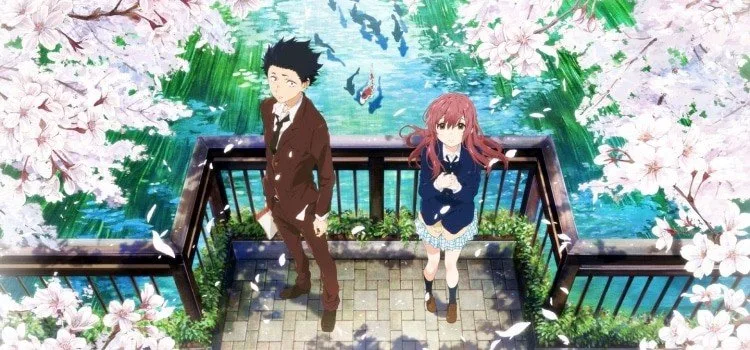
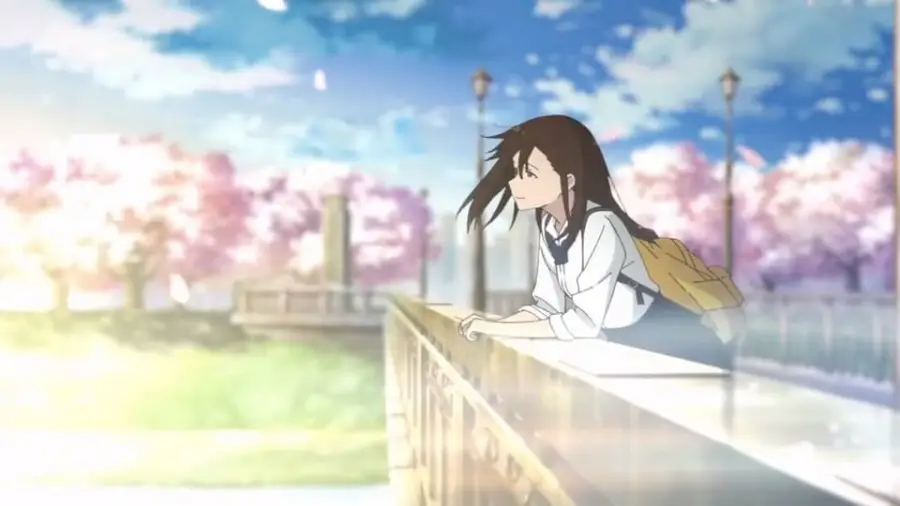
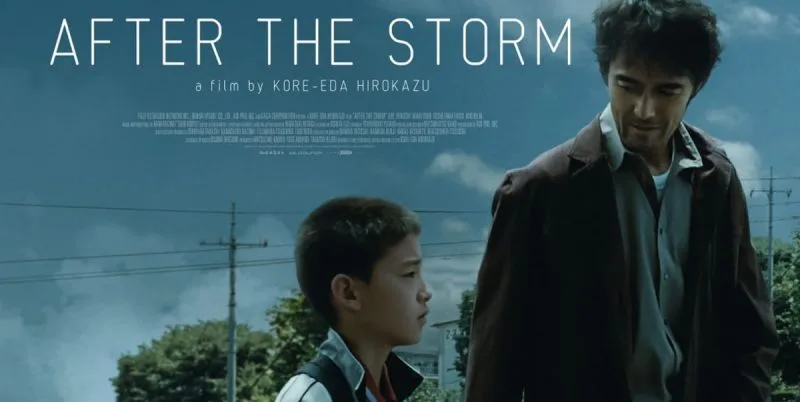
«Aruitemo Aruitemo» is a good entry point to Kore-eda's work because it needs no prior knowledge. For more Japanese cinema afterwards, Koe no katachi: movie recommendation and Ghost in The Shell (1995): movie recommendation offer two very different examples.
Awards
The film won the Golden Astor for Best Film at the 2008 Mar del Plata International Film Festival and the screenwriters' award at the San Sebastián Film Festival. At the 2009 Blue Ribbon Awards Kore-eda received the director prize and Kiki Kirin was honoured as best supporting actress. At the 2009 Asian Film Awards Kore-eda won Best Director.
Who should watch it
«Aruitemo Aruitemo» suits viewers who enjoy quiet family films and are ready to read subtitles. It works as an introduction to Kore-eda, as support for learning Japanese and as a film about ageing and responsibility towards parents. Anyone looking for an action film or a comedy is in the wrong place.
Final thoughts
«Aruitemo Aruitemo» is not a film about great events but about a day in which a family tries to get along. Kore-eda observes closely, gives the characters time and avoids explanations. That is why the film stays in the memory: as a reminder that the most important conversations often do not happen and that a shared meal says more than a long talk.



Community
Comments
0 comments
There are no published comments in this language yet.
Send comment