
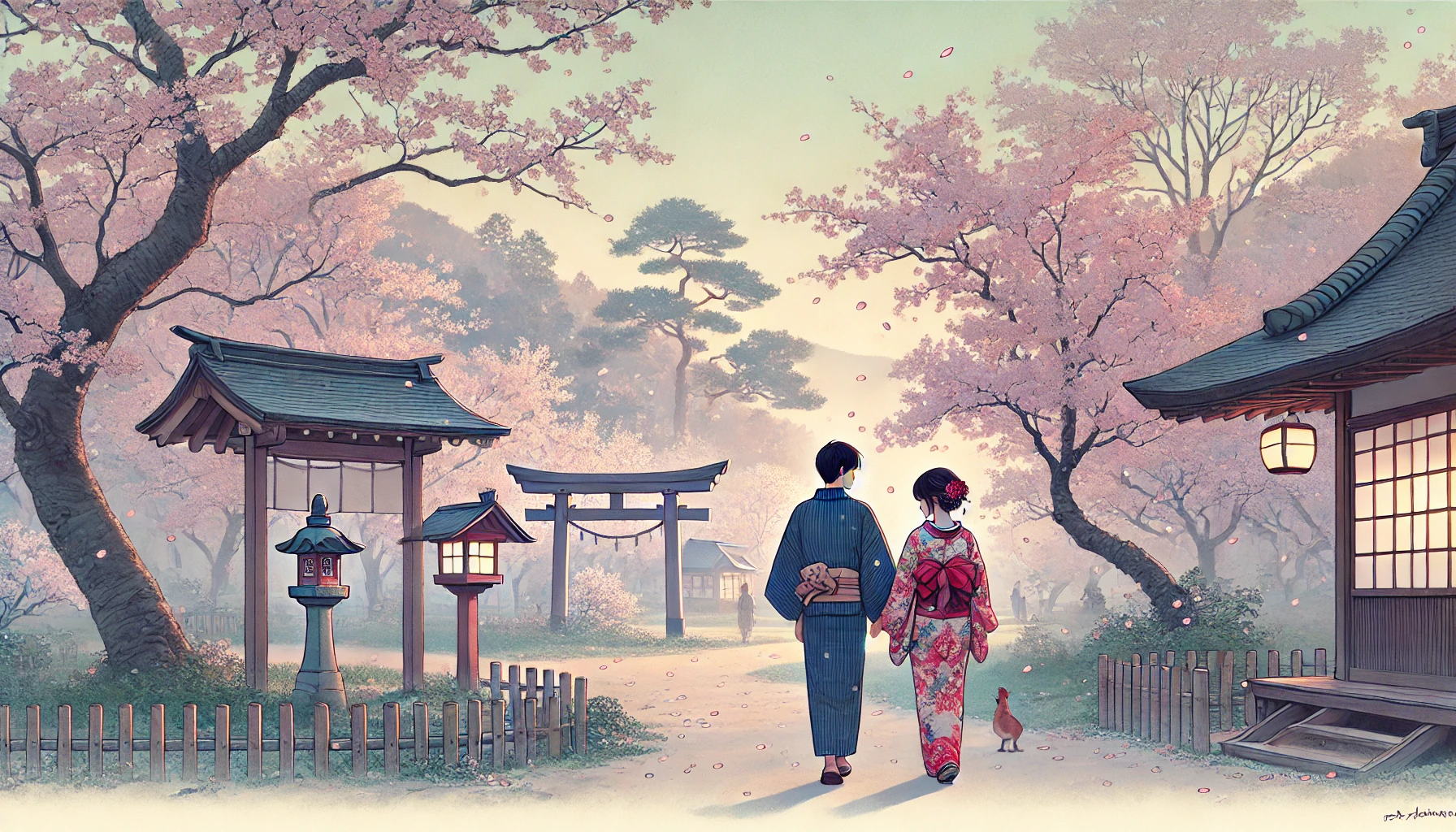
Dating in Japan is often described with broad stereotypes: everyone is shy, nobody says what they feel, and romance moves at a glacial pace. Reality is more mixed than that. Some couples are reserved, some are direct, and plenty of people now meet through apps or social circles just like anywhere else. Even so, many relationships in Japan still place more weight on timing, discretion, and clarity about when a couple becomes official.
If you have ever watched a romantic dorama or anime, you have probably seen long pauses, awkward silences, and scenes where the couple clearly likes each other but still hesitates to make a move. That is not just a screen cliché. In real life, many people in Japan are careful about public affection, indirect about feelings, and more comfortable showing care through actions than through dramatic declarations.
At the same time, it would be wrong to treat Japan as one giant rulebook. Age, city, personality, work life, and previous relationship experience all matter. Tokyo dating culture is not identical to small-town dating culture, and people in their early twenties do not necessarily approach romance in the same way as people in their thirties. The best way to understand Japanese dating is to look at the patterns that appear often, without pretending they apply to every single couple.
Contents 8
What Stands Out in Japanese Dating Culture?
One of the first differences many foreigners notice is that dating in Japan often feels more defined. In some countries, people may go on several dates without clearly labeling the relationship. In Japan, many people still expect a moment when someone makes their feelings explicit and asks to date seriously. That is why the idea of kokuhaku, a direct confession of romantic interest, remains so important in discussions about Japanese relationships.
Another common pattern is restraint in public. Holding hands is normal, but intense public displays of affection can still feel uncomfortable to many couples. That does not mean people are cold. It usually means affection is shown in quieter ways: making time for the other person, checking in after work, bringing a small gift, remembering a detail from a previous conversation, or traveling across the city for a date even after a long day.
There is also a practical side to dating in Japan that many outsiders underestimate. Schedules can be tight, commuting can be long, and some couples do not see each other very often, especially when work or university takes priority. Because of that, texting habits, planning ahead, and respect for personal rhythm can matter just as much as chemistry.
When Do Japanese People Start Dating?
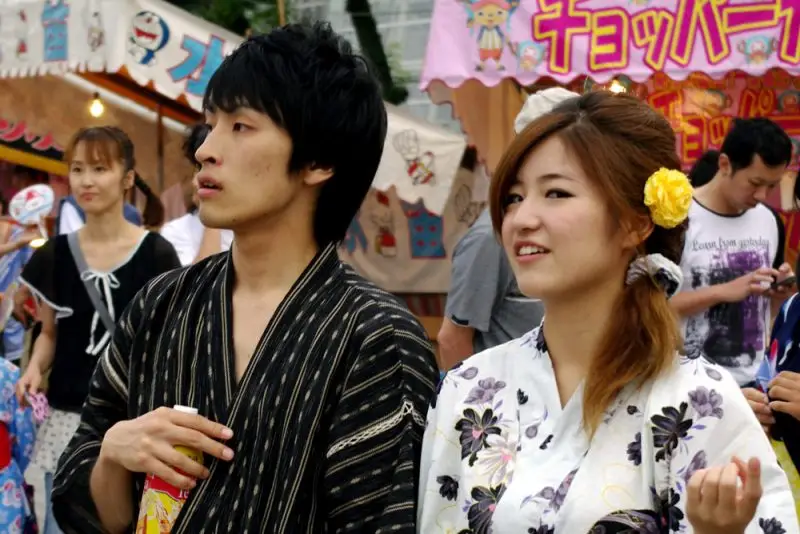
There is no fixed age, of course. Teenagers date, university students date, and many adults only become more active in romance after work life stabilizes. What matters more is that dating patterns in Japan do not always follow the same pace people imagine from abroad.
The 2021 National Fertility Survey by Japan's National Institute of Population and Social Security Research gives a more grounded picture. Among never-married people aged 18 to 34, many had dating experience, but a large share were not in a relationship at the time of the survey. The same survey also showed that school remained the most common place to meet a partner, while internet-based services had become a meaningful route as well.
That helps explain why broad claims such as "Japanese people start dating late" are too simplistic. Some people begin young, some do not date much until university, and others become more active once they have greater independence. A better way to say it is this: dating in Japan is common, but the path into a relationship is often shaped by school, work, routine, and social comfort rather than by constant flirting.
How Japanese Relationships Become Official
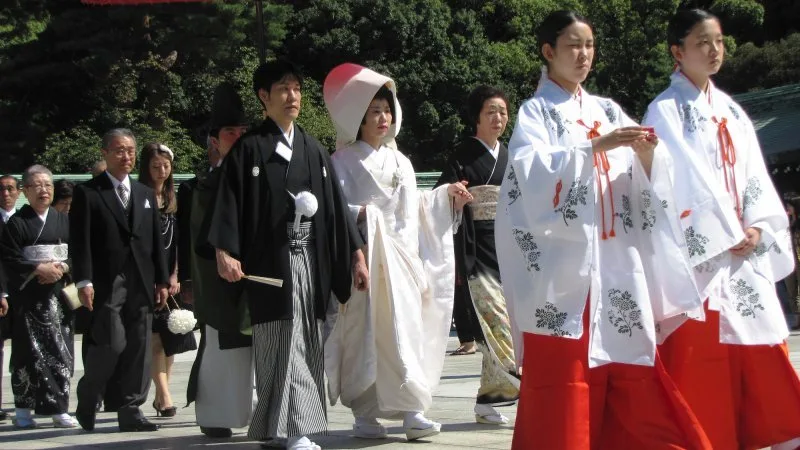
If there is one idea that appears again and again in articles about dating in Japan, it is the need for clarity. Many people go on one or more outings before deciding where things stand, but it is still common to expect a more explicit step before calling someone a boyfriend or girlfriend. That is where kokuhaku comes in: one person confesses and asks if the other wants to be in a relationship.
This is one reason Japanese dating can feel more structured than casual dating cultures elsewhere. Instead of drifting for months in an undefined zone, some people would rather know whether the other person is serious. It does not happen in every relationship, and younger generations vary a lot, but it remains a useful concept for understanding how many couples think.
How do people get to that point? Some meet through friends, clubs, university, work, or shared hobbies. Others use apps, and articles on dating in Japan now discuss them openly. Group dates known as goukon or gōkon also remain part of the conversation: friends invite friends, everyone meets in a casual setting, and the atmosphere is more social than intensely romantic. If you want a broader view of modern app-based dating, our list of dating apps in Japan is a useful companion.
Seasonal events can matter too. Valentine's Day and White Day in Japan are often tied to confessions, gift-giving, and relationship signals, while Christmas is widely treated as a romantic date night rather than a family holiday in the Western sense.
Pace, Texting and Public Affection
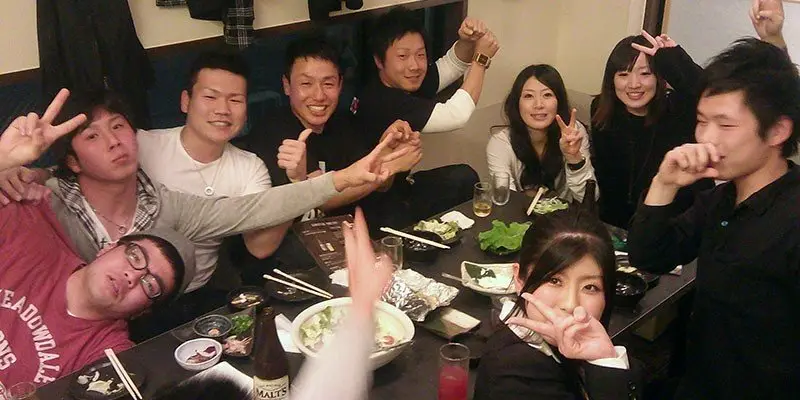
Many people describe Japanese relationships as slower, but "slower" can mean several different things. It may mean waiting before physical intimacy. It may mean fewer dates because of work schedules. It may also mean less constant messaging than some foreigners expect.
Texting, for example, is often used more for practical contact than for endless emotional reassurance. Some couples text every day; others do not. In articles about Japanese dating culture, one repeated theme is that infrequent contact does not always mean lack of interest. People may assume that the relationship is stable and therefore does not need constant verbal confirmation.
Public affection follows a similar logic. A couple may care deeply for each other and still avoid kissing on a busy train platform. For some people, affection belongs in private space rather than in public view. That can feel distant if you are used to more visible romance, but in Japan it is often read as normal restraint rather than emotional coldness.

Intimacy, Privacy and Real-Life Variation
It is a mistake to jump from "public restraint" to "people in Japan are not intimate." Private life is private. Some couples move cautiously, some do not, and there is huge variation depending on age, personality, and expectations. The more accurate point is that intimacy is often treated as less performative and less public.
Privacy matters in other ways too. People may be slower to introduce a partner to family, slower to define long-term plans out loud, or simply more careful about showing relationship details to a wider circle. That does not automatically mean uncertainty. Sometimes it just means the relationship is seen as something to protect rather than to display.
At the same time, modern Japanese dating is not frozen in old rules. Apps, online messaging, and changing work patterns have altered how people meet and communicate. The official survey data even notes that more than one in ten partnered respondents met through internet-based services. That alone should be enough to retire the old myth that romance in Japan still follows only one traditional route.
Dating a Japanese Person as a Foreigner
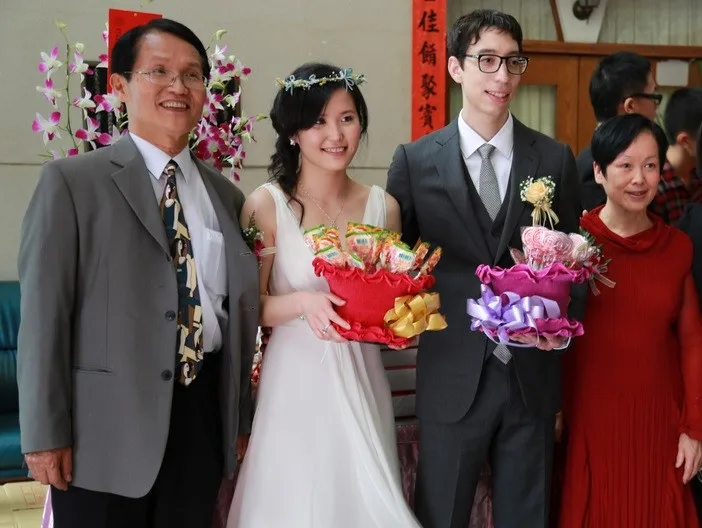
Can a foreigner have a good relationship with a Japanese partner? Of course. Plenty of couples do. The real challenge is usually not nationality itself, but expectation gaps. One person may expect more direct communication, faster emotional clarity, or more frequent affection. The other may see patience, subtlety, and routine as signs of seriousness.
Language can also change the entire rhythm of a relationship. Someone may read English well but feel awkward speaking it in emotional situations. Even when two people like each other, nuance can get lost if one person is trying to express feelings in a second language. That is one reason small gestures often become especially important in mixed-language relationships.
Another point is that stereotypes can quickly get in the way. Not every Japanese woman wants a foreign partner because he seems more expressive. Not every Japanese man is distant or passive. Treating people as individuals matters far more than repeating internet clichés. If anything, the safest assumption is that dating in Japan works better when you listen carefully and avoid trying to force a script imported from elsewhere.
Useful Japanese Words About Love and Dating
If you want to understand how romance is discussed in Japanese, a few common words help a lot:
- 恋 (koi) - romantic longing or romantic love.
- 恋人 (koibito) - boyfriend, girlfriend, or romantic partner.
- 恋してる (koishiteru) - being in love.
- 愛 (ai) - love in a broader or deeper sense.
- 愛してる (aishiteru) - a very strong "I love you," usually heavier than people expect.
- 好きです (suki desu) - "I like you," often romantic depending on context.
- 彼 (kare) - he; in context, it can also mean boyfriend.
- 彼女 (kanojo) - she; in context, it can also mean girlfriend.
- 結婚 (kekkon) - marriage.
- 妻 (tsuma) - wife.
- 夫 (otto) - husband.
- 合コン (goukon) - a group blind date or mixer arranged through friends.
If you want a deeper look at how Japanese speakers express affection, our article on ways to say "I love you" in Japanese explains why some phrases sound much stronger than a direct translation suggests.
Tips if You Want to Date in Japan Respectfully
If you are interested in dating in Japan, the best advice is not to chase a fantasy version of Japanese romance. Pay attention to the person in front of you. Some practical habits help:
- Do not rush labels or intimacy if the other person prefers a slower pace.
- Be clear without being pushy; indirect cultures still appreciate sincerity.
- Respect schedules, because long commutes and work pressure affect dating more than many visitors expect.
- Learn a little Japanese, even if only basic expressions, because effort is often appreciated.
- Do not confuse quiet behavior with lack of interest; sometimes the person is simply being careful.
- Avoid sweeping stereotypes; dating culture matters, but personality matters more.
So what is dating like in Japan? Usually more careful, more defined, and more context-dependent than the stereotype suggests. There is room for tenderness, passion, awkwardness, mixed signals, and very happy couples, just as anywhere else. The difference is that in Japan, those feelings are often expressed less through spectacle and more through timing, consistency, and the quiet decision to take the relationship seriously.




Community
Comments
0 comments
There are no published comments in this language yet.
Send comment